The Role of Flowers in Creating Atmosphere in Norwalk Homes and Events
Flowers do something pretty wild to a space. They walk in quietly, sit on a table or spill across an entryway, and suddenly the whole room feels different. A home feels warmer. A dinner feels more intentional. A wedding feels more emotional. A corporate event feels more polished. That is the real power of floral design in Norwalk homes and events: flowers do not just decorate a space. They shift the atmosphere. They change how people feel when they step through the door.
In Norwalk, CT, this matters even more because the local style has that interesting blend of coastal ease, Connecticut polish, historic charm, and modern living. People here are not always looking for florals that scream, “Look at me!” They often want arrangements that feel thoughtful, fresh, natural, and elevated without being stiff. Think less overdone hotel-lobby bouquet and more “wow, this room feels alive.” That is the sweet spot. Flowers should look beautiful, of course, but they should also feel like they belong.
Whether it is a waterfront home, a cozy dining room, a backyard celebration, a formal event, or a simple kitchen island arrangement, flowers set the emotional temperature. They can make a room feel calm, romantic, joyful, dramatic, elegant, relaxed, or full-on party-ready. And the best part? You do not always need a massive installation or a huge budget to create atmosphere. Sometimes the right seasonal stems in the right vessel can do more than a giant arrangement with no soul. It is not about more flowers. It is about smarter flowers.
Why Flowers Change the Whole Mood of a Space
Flowers affect atmosphere because they bring life into a room. That sounds simple, but it is a big deal. A space can be beautifully furnished and still feel a little flat if it has no natural movement, softness, scent, or seasonal detail. Flowers fix that fast. They add color, texture, shape, and a sense of freshness that furniture and decor cannot fully replicate. A room with flowers feels cared for. It feels considered. It feels like someone paid attention to the little things.

This is why flowers work so well in both homes and events. In a home, they make daily spaces feel more personal and welcoming. In an event, they help define the mood before the first toast, speech, or conversation even happens. Guests may not analyze the floral mechanics, but they feel the result. They know when a room feels warm. They know when a table feels romantic. They know when an event feels polished. Flowers are part of that invisible emotional architecture.
The trick is that floral atmosphere is not automatic. A random arrangement can look pretty but still feel wrong for the space. A stiff, oversized centerpiece can make a relaxed dinner feel awkward. A tiny arrangement can disappear in a large entryway. Bright colors can feel cheerful in one room and chaotic in another. Great floral design is about reading the room, literally. What does the space need? Softness? Drama? Height? Warmth? Freshness? Once you know that, flowers become more than decor. They become mood-makers.
Flowers Speak Before Anyone Says a Word
Before a host greets a guest, before a couple walks down the aisle, before a dinner begins, flowers are already talking. They tell people what kind of experience they are stepping into. Soft white blooms and airy greenery whisper calm elegance. Bold red and burgundy arrangements bring drama and romance. Loose garden-style flowers feel relaxed and intimate. Sculptural branches and minimal blooms feel modern and artistic. Flowers set expectations without needing a single sentence.
That is why they matter so much for first impressions. In a Norwalk home, an entryway arrangement can instantly make the space feel warm and elevated. At an event, flowers near the entrance can tell guests, “Yes, this was planned with care.” Even small floral moments can create that feeling. A bud vase in a powder room, a low arrangement on a coffee table, or a few seasonal stems on a kitchen counter can make the whole environment feel more thoughtful.
Flowers also communicate personality. A homeowner who chooses loose seasonal arrangements gives off a different vibe than someone who prefers sleek architectural stems. A wedding with wild, romantic florals feels different from one with clean, modern arrangements. Neither is better. They just speak different languages. The best floral design matches the message. It does not just fill space. It says something.
Atmosphere Is About Feeling, Not Just Decoration
Decoration is what people see. Atmosphere is what they feel. That is the difference. A room can be decorated and still feel cold. An event can have flowers and still feel generic. But when florals are designed with atmosphere in mind, they create emotion. They make people slow down, look closer, breathe a little deeper, and feel like the moment matters. That is when floral design becomes powerful.
In Norwalk homes, atmosphere might mean making a dining room feel ready for a cozy fall dinner or making a sunlit kitchen feel fresh and easy on a summer morning. For events, it might mean creating romance at a wedding, warmth at a family celebration, or confidence at a professional gathering. The flowers should support the feeling the host wants people to have. They are not random pretty objects. They are emotional tools.
This is where good taste really shows. Not every space needs a huge centerpiece. Not every event needs flowers everywhere. Sometimes restraint creates more atmosphere than abundance. A few perfectly chosen seasonal arrangements can feel more luxurious than overstuffed flowers that block conversation and fight the room. The goal is not to prove how many flowers were used. The goal is to make the space feel right.
How Flowers Elevate Norwalk Homes
Flowers can completely change how a Norwalk home feels, even without moving a single piece of furniture. That is their magic. A coastal home can feel softer with airy white blooms and relaxed greenery. A modern condo can feel warmer with sculptural branches or a clean, minimal arrangement. A historic home can feel more romantic with garden-style florals and rich seasonal texture. The flowers act like the finishing touch that pulls the room together.
Home florals are not just for special occasions anymore. More people are using flowers as part of their everyday interiors because they bring energy into the space. A kitchen island arrangement can make the heart of the home feel fresh. A dining table arrangement can make even a casual dinner feel special. A living room floral moment can soften sharp lines and add personality. An entry arrangement can set the tone the second someone walks in.
The best home florals are designed around how people actually live. A dining arrangement should not be so tall that guests have to play peekaboo across the table. Kitchen flowers should feel fresh but not get in the way of cooking, coffee, or the daily chaos. Living room flowers should work with the furniture, art, and light. In other words, flowers should make life prettier without making life harder. That is the vibe.
Entryways, Kitchens, Dining Rooms, and Living Spaces
The entryway is one of the best places to use flowers because it creates an immediate mood. It is the first hello. A tall branch arrangement can feel dramatic and elegant. A loose seasonal bouquet can feel welcoming and warm. A clean, modern vessel with a few strong stems can feel chic without trying too hard. In Norwalk homes, where many spaces blend coastal style with classic New England charm, entry flowers can create a polished but natural first impression.
Kitchens are another big one. The kitchen is where people gather, talk, snack, work, and casually pretend they are not eating shredded cheese straight from the bag. Flowers in the kitchen should feel alive and easy. They do not have to be formal. Seasonal blooms, herbs, greenery, or a simple textured arrangement can make the space feel fresher instantly. The key is scale. Too large, and it becomes annoying. Too small, and it gets lost.
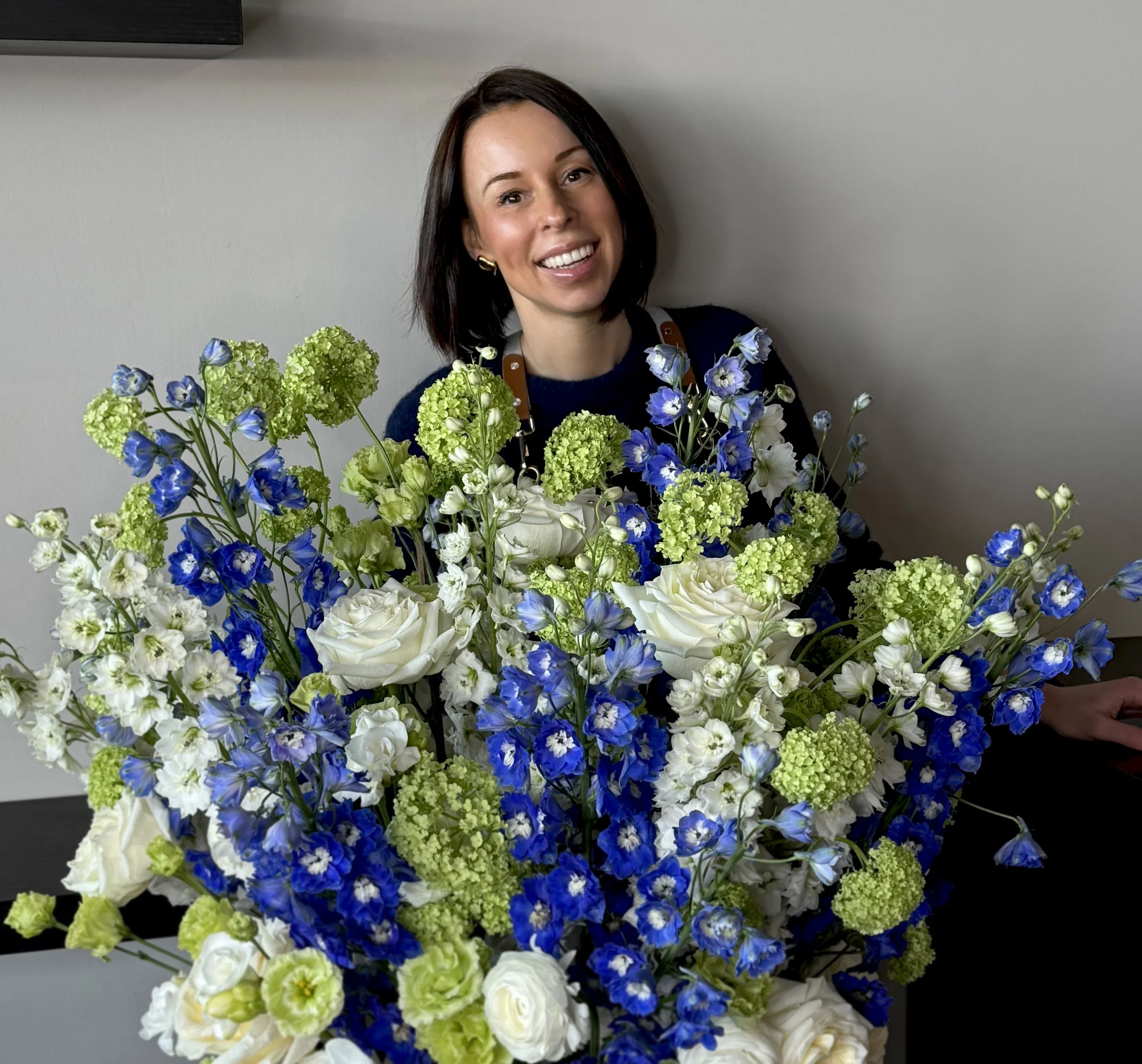
Dining rooms need flowers that support conversation. Low centerpieces, grouped bud vases, and layered seasonal designs work beautifully because they add atmosphere without blocking eye contact. Living spaces can handle more personality. A coffee table arrangement might be low and relaxed. A console table might take something taller. A fireplace mantel might look amazing with branches or trailing greenery. Each room has its own job, so the flowers should match that job.
Everyday Flowers Can Make a Home Feel Designed
Everyday flowers are underrated. People often think florals are only for events, holidays, or when guests come over. But fresh flowers can make a normal Tuesday feel less blah. They bring a sense of care into the home. They tell your brain, “This space matters.” That might sound small, but in real life, those little details add up. A home with fresh flowers feels more finished, more personal, and more loved.
The beauty of everyday flowers is that they do not need to be huge. A small seasonal arrangement on a bedside table, a few stems in the bathroom, or a simple vase on the kitchen counter can create a real shift. It is low-key luxury. Not flashy. Not dramatic. Just fresh, beautiful, and mood-lifting. And honestly, that kind of luxury is often the most enjoyable because it fits into actual life.
For Norwalk homes, everyday floral design works especially well when it follows the seasons. Spring can feel light and delicate. Summer can feel loose and abundant. Fall can bring warmth and texture. Winter can be crisp, sculptural, and elegant. Seasonal flowers make the home feel connected to the world outside. That connection creates atmosphere in a way that artificial decor never fully can.
How Flowers Shape the Energy of Events
Events need atmosphere more than almost anything else. People remember how an event felt long after they forget the exact menu or seating chart. Flowers play a huge role in that feeling because they create visual emotion. They can make a room feel romantic, festive, intimate, elegant, relaxed, or dramatic. The same space can feel completely different depending on the floral direction.
In Norwalk, events can range from waterfront weddings and private dinners to backyard celebrations, milestone birthdays, fundraisers, and professional gatherings. Each one needs a different floral mood. A wedding might need softness and romance. A private dinner might need warmth and intimacy. A corporate event might need clean, polished arrangements that feel professional without being boring. A backyard party might need flowers that feel joyful, relaxed, and a little playful.
The smartest event florals are not just placed randomly around the room. They guide the guest experience. Flowers can frame an entrance, define a ceremony space, anchor a dining table, highlight a bar, soften a stage, or create a photo moment. They help guests understand where to look and how to feel. That is what separates thoughtful floral design from basic decoration.
Weddings, Private Dinners, Celebrations, and Corporate Gatherings
Weddings are probably the most emotional example of floral atmosphere. The bouquet, ceremony flowers, aisle designs, reception centerpieces, and floral installations all help tell the story of the day. Romantic flowers can make a ceremony feel intimate. Dramatic flowers can make a reception feel unforgettable. Soft seasonal flowers can make everything feel personal and natural. The florals become part of the memory, not just the photos.
Private dinners need a more intimate touch. The flowers should make guests feel like the evening was planned with care, but they should not take over the table. Nobody wants to talk around a centerpiece the size of a small tree. Low arrangements, candle-friendly florals, soft textures, and seasonal color can create a cozy, elevated mood. This is where subtle design can really shine.
Corporate gatherings and professional events require a different kind of floral intelligence. The flowers should feel polished and appropriate. They should support the tone of the event without distracting from the purpose. Clean shapes, modern vessels, and controlled color palettes often work well. The goal is to make the space feel fresh, organized, and high-quality. Flowers can quietly communicate professionalism, and that matters.
Guests Remember How the Room Felt
Most guests will not remember every single flower variety used in an event. They may not know whether the arrangement had ranunculus, lisianthus, or garden roses. But they will remember the feeling. They will remember walking into a room that felt romantic, warm, elegant, fresh, or beautifully alive. That is why atmosphere matters more than flower-name flexing. The emotional result is what sticks.
Flowers affect that result because they work on several senses at once. They add visual beauty, natural texture, sometimes scent, and a feeling of freshness. They soften hard surfaces, bring color into neutral spaces, and make large rooms feel more inviting. Even in a simple setting, flowers can create a sense of occasion. They tell guests, “This is not just another day. This moment matters.”
The best event florals also help people feel comfortable. Overly formal flowers can make a relaxed gathering feel stiff. Too-casual flowers can make a formal event feel underdressed. The right florals match the energy of the event and help guests settle into it. When flowers are done well, people may not even consciously notice why the room feels good. They just feel it. That is the win.
The Design Elements That Create Atmosphere
The atmosphere flowers create depends on design elements like color, texture, scent, scale, shape, movement, and placement. These are not tiny details. They are the whole recipe. A floral arrangement with soft colors and loose movement creates a completely different feeling than one with deep colors and dramatic height. A fragrant arrangement creates a different experience than one designed only for visual impact. A low table design feels different from a tall entry statement.
Color is usually the first thing people notice. Soft whites, creams, blush, and pale greens can feel calm and elegant. Warm peach, coral, and yellow can feel joyful and welcoming. Burgundy, plum, brown, and deep red can feel romantic or dramatic. Green and white can feel fresh and timeless. But color only works when it fits the space. A palette that looks amazing in one room might feel off in another because of lighting, furniture, wall color, or event style.
Texture gives flowers depth. Smooth petals, ruffled blooms, glossy leaves, soft grasses, branches, berries, and delicate filler all create layers. Movement keeps arrangements from feeling stiff. Scale makes sure the flowers fit the room. Scent can be beautiful, but it needs to be used carefully, especially around food or guests with sensitivities. Great atmosphere comes from balancing all these elements, not maxing out just one.
Color, Texture, Scent, Scale, and Movement
Color sets the emotional direction. If you want a calm home atmosphere, soft neutrals and greens can do the job beautifully. If you want a dinner party to feel warm and lively, richer seasonal tones may work better. If you want a wedding to feel romantic, layered blush, cream, mauve, or deeper wine tones can create that softness. Color is not just about what looks pretty. It is about what mood you want people to feel.
Texture makes flowers feel more elevated. A simple arrangement can become much more interesting when it includes contrast. Think soft petals against structured greenery, delicate flowers beside woody branches, or airy grasses mixed with fuller blooms. Texture gives the eye something to explore. It also helps arrangements feel more natural and less manufactured. That is especially important in Norwalk spaces where people often want elegance without stiffness.
Scale and movement are where a lot of floral design either works or falls apart. A tiny arrangement in a grand entryway feels lost. A huge centerpiece on a small dining table feels obnoxious. Movement helps flowers feel alive. Curved stems, trailing greenery, layered heights, and natural shapes create flow. The best arrangements feel like they have breath in them. They are not frozen. They are living design.
Seasonal Flowers Feel More Natural in Norwalk
Seasonal flowers create atmosphere because they feel connected to the moment. In Norwalk, where the seasons actually shape daily life, this matters. Spring flowers bring freshness and lightness after winter. Summer flowers feel generous and relaxed. Fall flowers add warmth, richness, and texture. Winter flowers can feel elegant, sculptural, and calm. When floral design follows the season, the whole space feels more authentic.
Using seasonal flowers also helps arrangements feel less forced. A spring-inspired arrangement in the middle of winter can sometimes feel out of place unless it is handled very carefully. A fall arrangement with rich tones and natural textures feels right because it matches the world outside. That connection creates atmosphere in a deeper way. It feels grounded. It feels real.
Seasonal design does not mean predictable design. Fall does not have to mean orange pumpkins everywhere. Coastal summer does not have to mean blue and white everything. Winter does not have to mean only red and green. A skilled designer can use seasonal inspiration in a refined way. The result feels fresh, local, and elevated without becoming a theme party. That is exactly the kind of atmosphere many Norwalk homes and events need.
Why Norwalk’s Coastal Personality Matters
Norwalk’s coastal personality has a strong influence on floral atmosphere. The city has water, light, historic neighborhoods, modern interiors, relaxed entertaining, and a polished Connecticut feel. Flowers here often need to balance elegance and ease. Too formal, and they can feel heavy. Too casual, and they may not feel special enough. The sweet spot is florals that feel fresh, natural, refined, and comfortable in their surroundings.
Coastal style does not mean obvious beach decor. In fact, the most elegant coastal floral design is usually subtle. It might use airy shapes, soft movement, muted tones, natural textures, and vessels that feel simple but beautiful. The goal is to echo the environment, not copy it too literally. A flower arrangement does not need shells, rope, or anchors to feel coastal. It can feel coastal through lightness, palette, and movement.
Norwalk homes and events also vary widely, which makes floral design more interesting. A waterfront dinner, a historic home gathering, a modern apartment celebration, and a formal event all need different floral choices. Local style is not one-size-fits-all. It is more like a conversation between the space, the season, and the people hosting. Flowers should join that conversation gracefully.
Local Style Is Relaxed, Elegant, and Never Too Try-Hard
The best Norwalk floral atmosphere often feels relaxed but still elevated. That is a tricky balance, but it is exactly what makes the local style appealing. People want beauty without stiffness. They want flowers that feel designed but not overworked. They want arrangements that say “good taste” without screaming “look how expensive this is.” That low-key confidence is very Connecticut, honestly.
This relaxed elegance works beautifully in homes. A loose seasonal arrangement can soften a modern kitchen. A sculptural branch design can make an entry feel dramatic without looking fussy. A simple dining table arrangement can make a meal feel special without turning the table into a floral obstacle course. The flowers should add to the space, not demand constant attention.
For events, the same rule applies. The florals should feel special, but they should not feel like they are trying to outshine the reason people gathered. A wedding should still feel like the couple. A dinner should still feel like connection. A professional event should still feel purposeful. Flowers create atmosphere best when they support the moment instead of competing with it.
Flowers Should Match the Space, Not Fight It
One of the biggest mistakes in floral design is ignoring the space. An arrangement might look amazing in a photo but feel totally wrong in the actual room. The ceiling height, table size, wall color, lighting, furniture style, and event layout all matter. Flowers should work with these elements, not fight them. When they do, the atmosphere feels natural. When they do not, even expensive flowers can feel awkward.
For example, a large open room may need height or multiple floral moments to feel balanced. A small dining room may need low, intimate arrangements. A bright coastal space may look best with airy, natural movement. A darker formal room may benefit from richer colors and stronger shapes. The floral mood should respond to what the space is already saying.
This is why custom design is so valuable. A generic arrangement may be pretty, but a space-aware arrangement feels intentional. It looks like it belongs. That is the difference between flowers that simply sit in a room and flowers that shape the room. Atmosphere comes from fit. When flowers fit the space, the whole environment feels better.
How to Choose the Right Floral Mood
Choosing the right floral mood starts with the feeling you want to create. Do you want the space to feel calm, romantic, joyful, dramatic, modern, organic, elegant, or cozy? That question is more useful than starting with flower names. Most people do not need to know every bloom variety. They need to know the emotional direction. Once the mood is clear, the flowers, colors, textures, and shapes can be chosen to support it.
For a home, think about how the room is used. A kitchen may need something fresh and easy. A dining room may need something warm and conversation-friendly. A bedroom may need softness. An entryway may need impact. For an event, think about the guest experience. What should people feel when they arrive? What should the table feel like? What moments need floral emphasis? The mood should guide the placement and scale.
Budget also plays a role, but atmosphere is not only about spending more. A thoughtful small arrangement can create more mood than a large generic one. If the goal is atmosphere, the design should prioritize impact points. Maybe the entry needs flowers more than every side table. Maybe the dining table needs several small pieces instead of one huge centerpiece. Smart floral design uses resources where they matter most.
Soft, Dramatic, Modern, Romantic, or Organic
A soft floral mood usually uses gentle colors, airy textures, and natural movement. It works beautifully for calming homes, intimate dinners, baby showers, sympathy flowers, and romantic but understated events. Soft does not mean boring. It can feel rich when the textures are layered and the palette is thoughtful. Cream, blush, pale peach, soft green, and muted lavender can all create a peaceful atmosphere.
A dramatic mood uses stronger contrast, deeper colors, height, and bold shapes. This works well for evening events, formal dinners, statement entryways, and celebrations that need a little “main character energy.” Deep burgundy, plum, chocolate, rust, dark greenery, and sculptural branches can create drama without looking chaotic. The key is control. Drama should feel intentional, not messy.
Modern floral moods often use clean lines, fewer varieties, interesting vessels, and strong shapes. Romantic florals lean softer, fuller, and more emotional. Organic florals feel loose, seasonal, and nature-inspired. None of these moods are locked into one formula. A great floral designer can mix them. You might have modern coastal, romantic garden, organic luxury, or soft dramatic. The best mood is the one that fits the space, the season, and the person behind the moment.
Conclusion
Flowers play a powerful role in creating atmosphere in Norwalk homes and events because they bring emotion, texture, movement, color, and life into a space. They do more than look pretty. They make rooms feel warmer, dinners feel more intimate, weddings feel more romantic, and professional events feel more polished. When flowers are chosen thoughtfully, they can completely shift the energy of a place.
Norwalk’s coastal charm and modern Connecticut style make floral atmosphere especially interesting. The best designs here often feel relaxed, elegant, seasonal, and personal. They do not need to be overdone to feel luxurious. They need to fit the room, the moment, and the mood. That is what makes flowers feel intentional instead of random.
Whether it is a simple vase on a kitchen island or a full event installation, flowers tell people how to feel when they walk in. Calm. Welcome. Celebrate. Remember. Connect. That is the real role of flowers. They turn spaces into experiences — and when done well, they make those experiences unforgettable.