Why Norwalk Residents Are Investing More in Experience-Driven Floral Design
Norwalk residents are investing more in experience-driven floral design because flowers are no longer treated like a pretty little bonus tossed onto a table at the last second. They have become part of the whole mood. They shape how a room feels, how guests remember an event, how a home welcomes people, and how a special moment lands emotionally. A basic bouquet can still be sweet, sure, but today’s clients want more than “nice flowers.” They want flowers that make people stop, look around, smile, and say, “Okay, this feels special.”
That shift makes total sense in Norwalk, CT. The area has a unique mix of coastal calm, polished Connecticut style, creative homes, waterfront gatherings, historic charm, and modern entertaining. People here are not always chasing flashy, over-the-top floral displays just for the sake of flexing. A lot of residents want florals that feel personal, tasteful, and connected to the setting. They want arrangements that understand the room, the occasion, the season, and the people involved. In other words, they want flowers with a point of view.
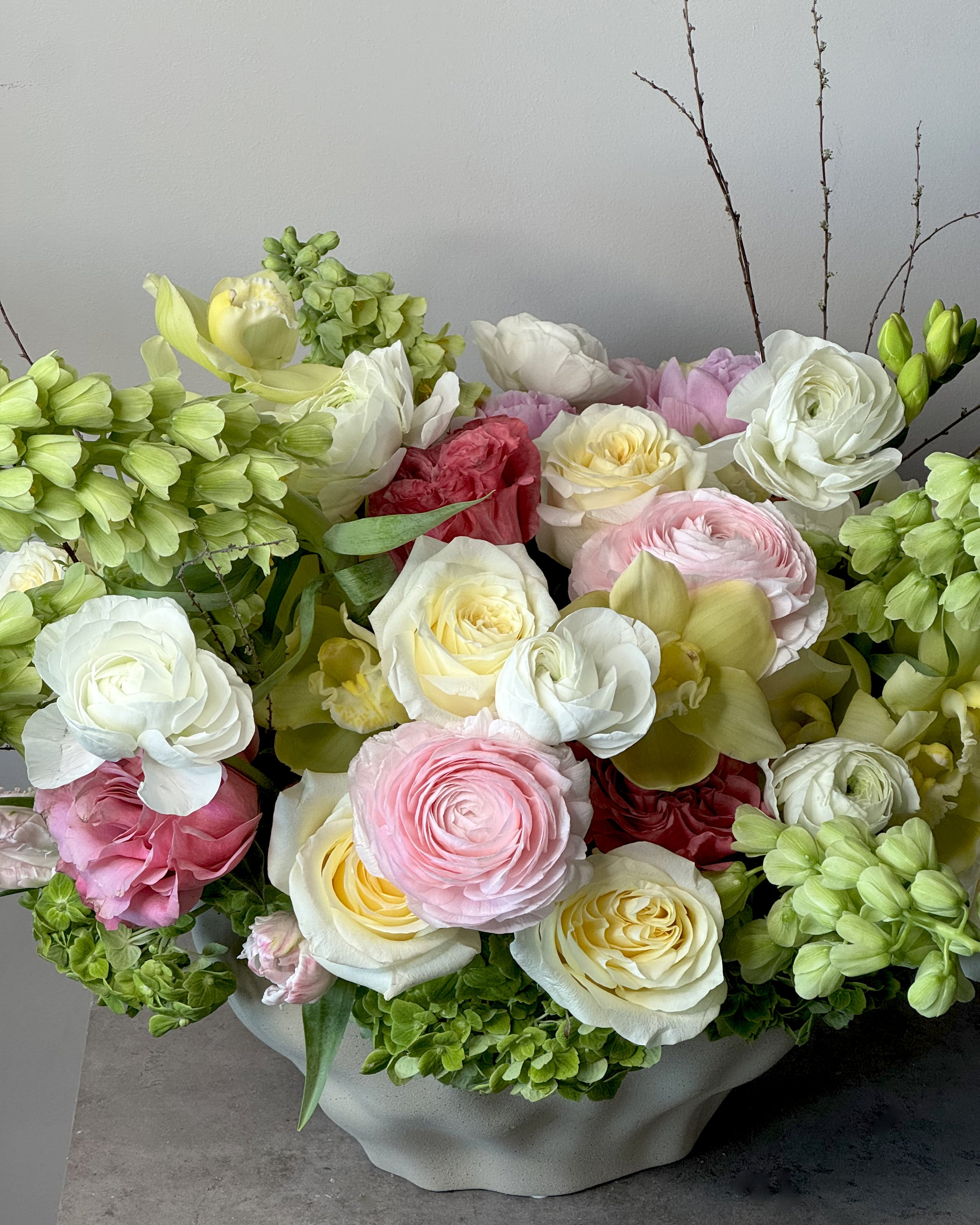
Experience-driven floral design is about creating a feeling from the moment someone walks in. It might be a soft seasonal arrangement that makes a kitchen feel fresh on a Sunday morning. It might be a dramatic entry installation that sets the tone for a wedding. It might be a low, candle-friendly tablescape that makes a private dinner feel warm and intimate. The flowers are not just sitting there looking pretty. They are doing a job. They are guiding the mood, shaping the memory, and turning ordinary spaces into places people actually feel something in. That is why more Norwalk residents are seeing floral design as an investment in atmosphere, not just decoration.
Why Floral Expectations Are Changing in Norwalk
Floral expectations are changing because people’s expectations around home, hosting, gifting, and events have changed. Nobody wants the same cookie-cutter arrangement that could belong anywhere, to anyone, for any reason. Clients want something that feels more specific. They want flowers that look like they were chosen with care, not grabbed from a generic playbook. This is especially true in Norwalk, where homes and events often carry a strong sense of personal style. A waterfront dinner, a modern condo gathering, a garden wedding, and a cozy family celebration all need different floral energy.
Another reason expectations are shifting is that people are more design-aware now. They may not know every floral variety by name, but they know when something feels stale. They know when colors clash. They know when a centerpiece blocks conversation. They know when an arrangement feels too stiff for a relaxed home or too casual for a formal event. That visual awareness is pushing floral design into a more thoughtful space. It is not enough to make flowers look expensive. They need to feel right.
Norwalk residents are also investing more because they understand that flowers can change the guest experience. A table with thoughtful florals feels different from a table with nothing on it. An entryway with seasonal branches or layered blooms feels different from a bare console. A wedding ceremony framed by flowers feels more emotional than one where the florals feel like an afterthought. People are realizing that flowers do not just fill space. They create atmosphere, and atmosphere is what people remember.
People Are Buying a Feeling, Not Just Flowers
The biggest shift is that people are buying a feeling. They are not just saying, “Give me roses” or “Make it colorful.” They are saying, “I want it to feel romantic but not cheesy,” or “I want the dinner to feel warm and relaxed,” or “I want my home to feel fresh without looking too formal.” That is a completely different kind of request. It means the florist or designer has to translate emotion into flowers, colors, textures, shapes, and placement.
This is why experience-driven floral design feels more valuable than a standard arrangement. It starts with the emotional goal. Should the room feel peaceful? Joyful? Elegant? Dramatic? Coastal? Cozy? Fresh? Once that mood is clear, the flowers become tools for creating it. Soft whites and airy greenery might create calm. Deep burgundy and sculptural branches might create drama. Loose garden blooms might create romance. Clean lines and minimal stems might create a modern, polished feel. The flowers are chosen because they support the experience, not just because they are pretty.
That emotional accuracy matters. A sympathy arrangement should not feel loud and chaotic. A private dinner arrangement should not feel so massive that guests need to lean sideways to talk. A wedding bouquet should not feel disconnected from the bride’s style or the venue. When the flowers match the feeling, people notice. They may not be able to explain the design choices, but they feel the difference. That is the quiet power of great floral work.
Hosting Culture Has Become More Visual
Hosting has become more visual, and Norwalk residents are responding to that. Whether it is a holiday dinner, backyard party, milestone birthday, bridal shower, or intimate waterfront gathering, people want the space to feel pulled together. Not fake. Not overproduced. Just thoughtful. Flowers help make that happen fast. They bring color, softness, life, and polish into a room without requiring a full design overhaul.
A big part of this shift comes from how people now think about memories. Events are experienced in person, but they are also photographed, shared, and looked back on. Flowers show up in those memories. They frame the table, the cake, the entrance, the ceremony, the toast, and the little candid moments people care about later. A well-designed floral atmosphere makes those memories feel richer. It gives the event a visual identity.
But visual does not have to mean staged or stiff. The best hosting florals feel natural to the occasion. A casual dinner might need low, textural flowers with candles. A formal celebration might need height, drama, and layered color. A family gathering might need something warm and seasonal. The point is not to create a perfect showroom. The point is to create a space that feels good to be in and beautiful to remember.
What Experience-Driven Floral Design Really Means
Experience-driven floral design means the flowers are planned as part of the entire environment, not as a separate object dropped into the room. The designer thinks about how guests enter, where they gather, what they see first, how the table feels, how the flowers interact with lighting, and what emotional tone the client wants. It is more strategic than simply choosing blooms and putting them in a vase. It is closer to styling an atmosphere.
This approach is especially important because every event or home has its own rhythm. A dinner table needs flowers that support conversation. An entryway needs flowers that create a first impression. A wedding ceremony needs flowers that frame emotion without distracting from the couple. A living room arrangement needs to work with furniture, art, and natural light. Experience-driven design considers all of that. It asks, “How will people feel in this space?”
That is why people are willing to invest more in it. They are not just paying for stems. They are paying for vision, taste, planning, sourcing, delivery, installation, and the confidence that the final result will feel cohesive. Anyone can put flowers on a table. Not everyone can make the table, room, and event feel like one complete experience. That is the difference.
It Starts With Mood Before Flower Names
One of the smartest things about experience-driven floral design is that it starts with mood before flower names. A client might come in asking for a specific bloom because they saw it somewhere, but the better question is: what are we trying to create? If the goal is soft coastal elegance, the flower choices will be different than if the goal is bold evening drama. If the goal is relaxed garden romance, the arrangement needs a different shape than a sleek modern tablescape.
This mood-first approach also helps avoid forced design. Sometimes a flower someone loves does not fit the season, budget, space, or overall vibe. A good designer can suggest alternatives that create the same feeling in a better way. That is expert work. It is not about saying no. It is about protecting the final experience. The client gets something that feels beautiful and appropriate instead of a copy-paste version of an inspiration image that does not really work.
Mood-first design also makes the final flowers feel more personal. Instead of chasing trends, the arrangement reflects the actual person or event. Maybe the client wants something understated because their home is already full of texture and art. Maybe they want something lush because the room is simple and needs softness. Maybe they want seasonal branches because they love a natural, grounded look. When the design starts with mood, the flowers feel intentional from the jump.
The Guest Journey Matters From the First Step
The guest journey is a huge part of experience-driven florals. When someone arrives at a home or event, what do they see first? Is there an entry arrangement that sets the tone? Does the dining table feel welcoming? Are the flowers placed where they support the flow of the space? Do they create small moments of surprise without getting in the way? These details matter because they shape how people move through and remember the experience.
For events, the guest journey might start with flowers at the entrance, continue through a cocktail area, move into a dining space, and end with a dessert or lounge moment. Each floral choice should feel connected, but not repetitive. The goal is a cohesive mood, not the same arrangement copied ten times. Variation keeps the experience interesting. It gives guests something to discover as they move through the space.
In homes, the guest journey is more intimate but just as important. An entry arrangement welcomes people. Kitchen flowers make the heart of the home feel fresh. Dining flowers create warmth. Living room flowers soften the space. Even a small floral detail in a powder room can make guests feel like the host thought of everything. That is what experience-driven design does. It turns flowers into moments.
Why Norwalk Residents Are Spending More on Floral Experiences
Norwalk residents are spending more on floral experiences because they are valuing atmosphere more. People want homes and events that feel meaningful, not just functional. A beautifully designed floral moment can make a space feel elevated without changing everything else. It is one of the fastest ways to create impact. You do not need to repaint the walls or buy new furniture. The right flowers can instantly shift the room.
There is also a lifestyle factor. Many Norwalk residents entertain at home, host family gatherings, celebrate milestones, and enjoy seasonal living. Flowers fit naturally into that lifestyle. They make a dinner feel more intentional, a home feel more cared for, and an event feel more memorable. For people who already care about interiors, food, lighting, and hospitality, florals are not an afterthought. They are part of the full experience.
Another reason people invest more is that they want less stress. Experience-driven floral design often includes guidance, planning, setup, and a more polished process. Instead of guessing what will look right, clients can rely on a designer to create something cohesive. That peace of mind has value. When someone is hosting an important event or preparing their home for guests, they want the flowers handled. No drama. No last-minute panic. Just beauty showing up exactly where it needs to be.
Homes Are Becoming Personal Retreats
Homes are becoming personal retreats, and flowers play a big role in that. After long workdays, busy schedules, family chaos, and endless screen time, people want their homes to feel good. Not just clean or nicely furnished, but emotionally comfortable. Flowers add that softness. They make a kitchen feel fresh, a bedroom feel calm, a living room feel warm, and an entryway feel welcoming. It is a simple upgrade with a strong emotional payoff.
In Norwalk homes, this often means seasonal arrangements that match the rhythm of the year. Spring flowers bring lightness. Summer florals feel abundant and easy. Fall arrangements add warmth and texture. Winter designs can feel sculptural and cozy. These seasonal shifts make the home feel alive. They keep the environment from feeling static. That matters because a home should not feel like a frozen showroom. It should breathe with the people living in it.
Experience-driven home florals are also more tailored than basic arrangements. A designer might consider the home’s color palette, furniture scale, vessel style, natural light, and how the family uses the space. A big formal arrangement might look amazing in an entry but be annoying on a kitchen island. A low arrangement might be perfect for a dining table but too small for a large foyer. The best home florals fit real life. They look beautiful and make sense.
Events Need Moments People Actually Remember
Events need memorable moments because guests are not just attending; they are experiencing. They may forget the exact napkin color or the order of appetizers, but they remember how the room felt when they walked in. Flowers are one of the strongest ways to create that feeling. A floral arch, a candlelit tablescape, a dramatic bar arrangement, or a lush entry display can become the visual anchor of the event.
Norwalk events often benefit from florals that feel connected to place. A waterfront celebration might call for airy textures and relaxed elegance. A formal indoor dinner might need richer tones and more structure. A backyard gathering might need seasonal flowers that feel joyful and easy. Experience-driven floral design adapts to the setting instead of forcing one look everywhere. That is why it feels more premium.
People are investing in these moments because they understand that atmosphere changes the entire event. Guests feel more welcomed. Photos look better. The host feels more confident. The event feels more complete. Flowers are not the only thing that creates a memorable gathering, but they are one of the fastest ways to make a space feel intentional. And when something feels intentional, people notice.
The Norwalk Factor: Coastal, Stylish, and Personal
Norwalk has its own floral personality, and that personality is a big reason experience-driven design is gaining traction. The city has coastal influence, but it is not one-note beach style. It has historic homes, modern apartments, waterfront properties, creative venues, and family neighborhoods. That variety creates demand for floral design that can adapt. One client may want soft, organic arrangements. Another may want clean and architectural. Another may want romantic and lush. Norwalk’s style is flexible, but it still has a local feeling.
That local feeling often blends ease with polish. People want florals that feel beautiful but not fussy. Elevated but not stiff. Designed but not overworked. The phrase “effortless elegance” gets thrown around a lot, but in Norwalk it actually fits. The best arrangements often feel natural, seasonal, and refined, with enough personality to avoid looking generic. They do not need to scream for attention. They just need to make the room feel better.
Personalization is also part of the Norwalk factor. Residents are often investing in florals that match their specific home, event, or lifestyle rather than choosing a pre-set look. They want the design to feel like it belongs to them. That might mean using a favorite color in a subtle way, matching florals to interior finishes, choosing seasonal stems that reflect a meaningful time of year, or creating a floral moment around a family celebration. The more personal the design feels, the more valuable the experience becomes.
Coastal Style Works Best Without the Cliché
Coastal floral style works best when it is subtle. Nobody needs flowers that look like they are trying to cosplay as a beach house. True coastal elegance comes through softness, movement, light, texture, and palette. Think airy branches, natural greens, creamy whites, sandy neutrals, muted blues, pale blush, or soft peach. The feeling should be fresh and relaxed, not themed. If the flowers are yelling “ocean,” they are probably doing too much.
In Norwalk, this subtle coastal approach works beautifully because it respects the local environment without turning it into a gimmick. A waterfront dinner might use loose arrangements with natural movement and low candlelight. A coastal home might use simple seasonal stems in a textured vessel. A wedding near the water might lean into airy ceremony florals that move gently and photograph beautifully. The mood is connected to the coast, but it does not feel like a souvenir shop.
This is where experience-driven design shines. It understands that the goal is not to decorate with obvious symbols. The goal is to capture a feeling. Coastal can mean breezy, calm, open, natural, elegant, and light-filled. Flowers can express that without a single cliché. That takes taste, and taste is exactly what clients are investing in.
Seasonal Design Feels More Authentic
Seasonal design feels more authentic because it belongs to the moment. Flowers that match the time of year naturally feel fresher and more connected to the environment. Spring brings softness and renewal. Summer brings abundance and ease. Fall brings warmth and texture. Winter brings structure, depth, and calm. When floral design works with the season, it creates atmosphere that feels grounded instead of forced.
Norwalk residents are increasingly appreciating this because seasonal design feels smarter. It avoids the awkwardness of trying to force a flower or color palette that does not fit the time, weather, or setting. A fall dinner with rich branches, warm tones, and layered textures feels right. A summer gathering with loose blooms and fresh greens feels right. A winter entry arrangement with sculptural elements and deep color feels right. That feeling of “rightness” is hard to beat.
Seasonal flowers can also make a design feel more luxurious without being flashy. There is something elevated about using what is beautiful now. It shows restraint and awareness. It tells guests that the design was not copied blindly but created for this specific moment. That is experience-driven floral design at its best: personal, seasonal, and connected.
How Designers Create a Floral Experience
Designers create a floral experience by thinking beyond the arrangement itself. They consider the room, the flow, the season, the client’s personality, the event purpose, and the emotional goal. Then they use flowers as part of a larger atmosphere. The result feels cohesive, not random. It feels like the flowers were meant to be there. That is what clients are paying for when they invest in experience-driven design.
A strong floral experience also depends on restraint. More flowers do not always mean better flowers. Sometimes one dramatic installation creates more impact than many small arrangements scattered everywhere. Sometimes a low tablescape with candlelight creates more intimacy than tall centerpieces. Sometimes a simple seasonal branch arrangement in the right entryway does more than an overpacked bouquet. Designers know where impact matters most.
The process usually starts with conversation. What is the occasion? What should people feel? What does the space look like? What colors are already present? What level of formality makes sense? How will guests move through the space? These questions help shape the design. Without them, flowers can feel disconnected. With them, flowers become part of the experience.
Color, Scent, Texture, and Scale Do the Heavy Lifting
Color sets the emotional direction. Soft neutrals can feel calm and refined. Warm tones can feel inviting. Deep tones can feel dramatic. Bright colors can feel joyful. But color has to work with the space. A palette that looks amazing in one room can feel off in another because of lighting, wall color, furniture, or linens. Designers think about those relationships so the final result feels balanced.
Scent is powerful but needs to be handled carefully. A lightly fragrant arrangement can make a home feel fresh and welcoming. But heavy scent near food or in a small room can be too much. Nobody wants their dinner competing with perfume-level flowers. Experience-driven design uses scent intentionally. It supports the mood without overwhelming people.
Texture and scale are where the design gets depth. Smooth petals, ruffled blooms, airy grasses, branches, berries, and soft greenery all create visual interest. Scale makes sure the flowers fit the space. A tiny arrangement in a huge entry can feel lost. A massive centerpiece on a small dining table can feel annoying. The right scale makes flowers feel natural and confident. That is what creates atmosphere without chaos.
Custom Details Make the Design Feel Personal
Custom details are what make floral design feel personal instead of generic. This might be a favorite color worked into the palette, a meaningful seasonal flower, a vessel that matches the home, or an arrangement style that reflects the client’s taste. The details do not always have to be obvious to every guest. Sometimes they matter because the client knows they are there. That emotional connection adds value.
For events, custom details can help tell a story. A couple might want flowers that reflect where they got engaged, the season they met, or the mood of their home together. A family celebration might use colors connected to a milestone. A private dinner might be styled around the menu, tableware, or the view from the room. These little choices make the experience feel layered.
In homes, custom details make arrangements feel integrated. The flowers should work with the interior style, not fight it. A modern home might need sculptural simplicity. A cozy traditional space might need softer, fuller florals. A coastal room might need airy movement and natural textures. Custom design respects the personality of the space. That is why it feels more expensive, even when the arrangement itself is not massive.
Where Experience-Driven Florals Show Up Most
Experience-driven florals show up anywhere people want a space to feel intentional. That includes weddings, private dinners, milestone celebrations, holidays, corporate events, home styling, seasonal refreshes, and even everyday arrangements. The common thread is not the size of the occasion. It is the desire to create a feeling. Sometimes that feeling is grand and dramatic. Sometimes it is quiet and comforting. Both can be luxurious when done thoughtfully.
In Norwalk, this approach works especially well because people host in so many different kinds of spaces. A waterfront home needs a different floral experience than a formal dining room. A backyard celebration needs different florals than an indoor winter dinner. A corporate gathering needs different energy than a bridal shower. Experience-driven design adapts instead of applying one formula everywhere.
This is why clients are investing more. They want design that understands context. They are not just buying flowers for a table. They are buying the feeling people get when they walk into the room, sit down, take photos, talk, celebrate, and remember the day later. That is a much bigger value than decoration alone.
Weddings, Private Dinners, and Celebrations
Weddings are one of the clearest examples of experience-driven floral design because the flowers shape so many emotional moments. The bouquet is held during one of the most photographed parts of the day. Ceremony flowers frame the vows. Reception florals shape the dinner atmosphere. Cocktail florals, bar arrangements, and entry pieces guide guests through the event. When all of these pieces work together, the wedding feels cohesive and deeply personal.
Private dinners are more intimate, but florals matter just as much. A dinner table with thoughtful flowers feels more inviting. The arrangements should support conversation, work with candlelight, and match the food, season, and setting. Low, layered florals can make the table feel warm and elegant without blocking anyone’s view. That is the kind of detail guests may not call out directly, but they definitely feel.
Celebrations like birthdays, anniversaries, showers, and holiday gatherings also benefit from experience-driven florals. The flowers help define the mood. Bright seasonal blooms can make a birthday feel joyful. Soft romantic florals can make an anniversary dinner feel intimate. Warm textured arrangements can make a holiday gathering feel cozy. The flowers tell guests what kind of moment they are stepping into.
Everyday Floral Styling at Home
Everyday floral styling is becoming more popular because people want their homes to feel good, not just look decent when guests arrive. Fresh flowers can create a small but powerful mood shift. They make a kitchen feel alive, a bedroom feel softer, and a living room feel more finished. This is not about being fancy for the sake of being fancy. It is about creating a home that feels cared for.
Norwalk residents who invest in everyday florals often choose seasonal designs because they keep the home connected to the time of year. A spring arrangement feels different from a fall one, and that change keeps the space fresh. It also gives homeowners a way to enjoy beauty regularly without redesigning their entire home. Flowers are flexible. They can be changed, refreshed, and adapted.
This everyday approach is part of the bigger experience-driven trend. People are realizing that atmosphere does not only matter at big events. It matters in daily life too. A beautiful arrangement on a Monday morning can feel like a tiny reset. A fresh entry arrangement can make coming home feel better. A dining table with flowers can make even takeout feel a little more intentional. That is the low-key magic of florals.
Conclusion
Norwalk residents are investing more in experience-driven floral design because they want flowers that do more than look pretty. They want flowers that create atmosphere, shape memories, match their homes, elevate their events, and feel personal. This is not about over-the-top luxury or filling every corner with blooms. It is about thoughtful design that makes people feel something.
The shift makes sense for Norwalk’s lifestyle. Coastal influence, modern homes, private entertaining, seasonal living, and polished but relaxed taste all create demand for floral design that feels custom and intentional. Residents are not just buying arrangements. They are investing in mood, hospitality, beauty, and emotional impact.
Experience-driven floral design works because it understands the whole environment. It considers color, scent, texture, scale, season, space, and story. Whether it is a wedding, dinner, celebration, or everyday home arrangement, the best floral design creates a feeling that stays with people. That is why it is becoming the new standard across Norwalk — because when flowers are done right, they do not just decorate the moment. They become part of the moment.