How Florists in Norwalk Are Adapting to Changing Client Expectations
Florists in Norwalk are not working in the same old flower world anymore. The days when clients simply walked in, pointed at a dozen roses, grabbed a card, and called it a day are still around, sure — but that is no longer the whole game. Today’s customers want flowers that feel personal, stylish, convenient, fresh, and honestly, a little more “them.” They want arrangements that match a mood, a home, a party, a relationship, a season, or even a whole lifestyle. And if the flowers look like a generic supermarket bundle wearing a fancy ribbon? Yeah, that is not going to cut it.
Across Norwalk, CT, client expectations are shifting because people are paying more attention to design, experience, and meaning. They want flowers that feel intentional, not random. They care about color palettes, seasonal blooms, delivery timing, sustainability, custom details, and how the arrangement will look in photos. They want florists who can listen, guide, design, and deliver without making the process feel like a headache. Basically, clients want beauty with brains. Pretty flowers are expected. Smart service is the new flex.
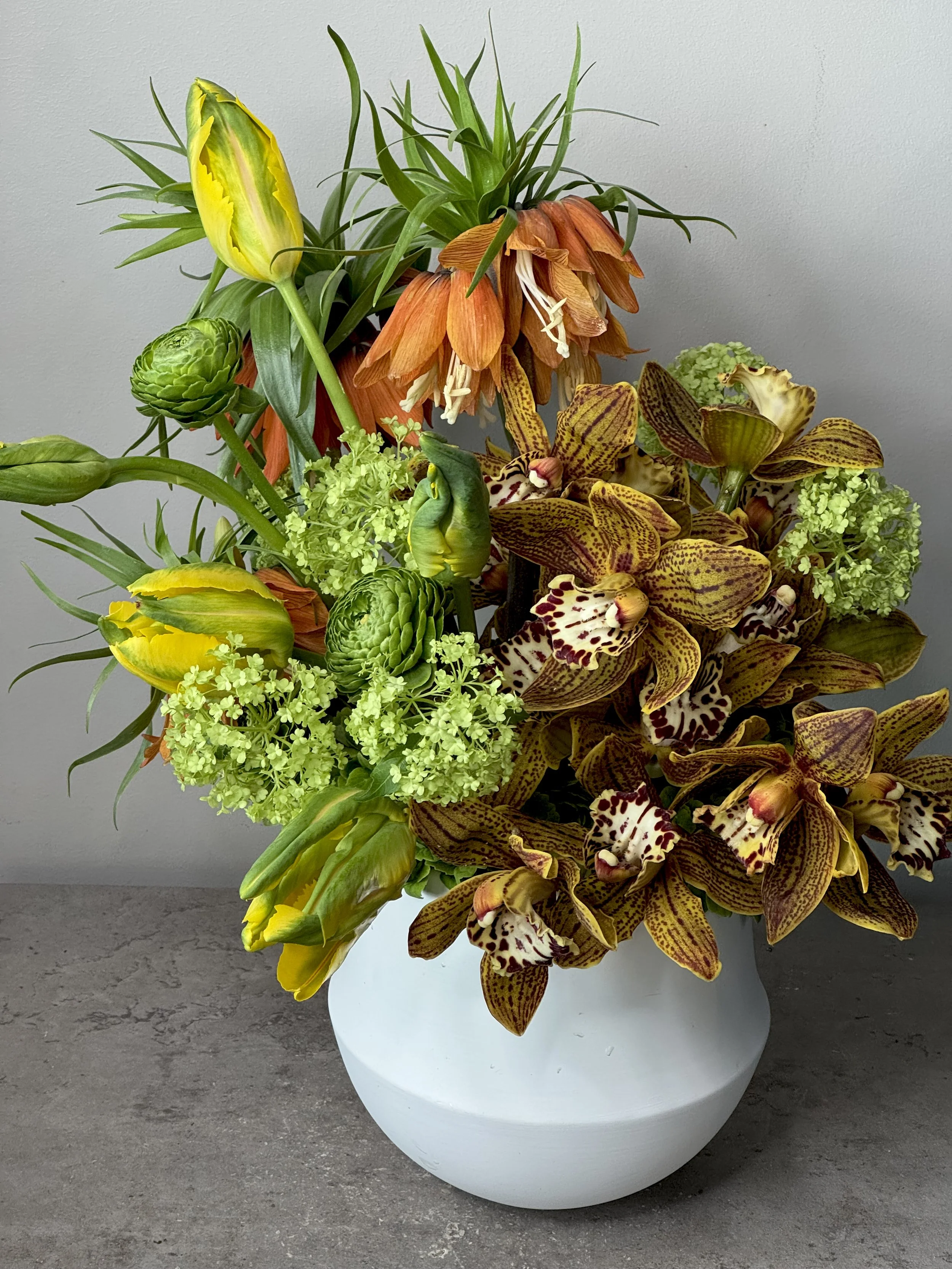
This change is pushing local florists to evolve fast. They are becoming designers, stylists, problem-solvers, event partners, and trusted taste-makers. They are adapting to clients who want natural-looking luxury, cleaner ordering, more transparent communication, and designs that feel fresh instead of copied. In a city like Norwalk, where coastal charm meets modern Connecticut living, florists have to balance elegance with ease. The result? A more creative, more personal, and more client-focused floral scene that feels way more exciting than the old “pick from the cooler” routine.
Why Client Expectations Are Changing So Fast
Client expectations are changing fast because people now see flowers differently. Flowers are not just a last-minute gift or a quick table decoration anymore. They are part of how people express taste, emotion, hospitality, celebration, sympathy, romance, and personal style. A floral arrangement can say “I love you,” “I’m thinking of you,” “welcome home,” “this event matters,” or “yes, I absolutely have my life together,” even if the laundry pile at home says otherwise. Flowers have become part of the vibe, not just the accessory.
Modern clients are also more visually aware than ever. They see beautiful interiors, event setups, table designs, and floral inspiration everywhere. That does not mean they always know the names of flowers or how design works, but they know what feels outdated. They can spot stiff, generic, overpacked arrangements from a mile away. They want movement, texture, color harmony, and designs that feel natural but polished. That “effortless” look takes real skill, and clients are starting to understand that.
Norwalk adds another layer because the local lifestyle is varied. Some clients want coastal and relaxed. Some want sleek and modern. Some want romantic garden-style florals. Some want bold statement pieces for private dinners, weddings, or professional events. Florists cannot rely on one default style anymore. They need to read the client, the space, the occasion, and the budget, then create something that feels right. That is why the florist’s role is becoming less transactional and much more consultative.
Flowers Are No Longer “Just a Nice Gesture”
Flowers used to be seen mostly as a nice gesture, and they still are. But now they are also a design choice. When someone sends flowers, they want the arrangement to feel like it says something specific. A birthday bouquet for a stylish friend should not look the same as a sympathy arrangement, a corporate thank-you, or a romantic anniversary design. Clients want the emotional message to match the visual style. That means florists need to think beyond “pretty” and ask what the flowers are supposed to communicate.
This shift matters because flowers are emotional by nature. People send them during major life moments: celebrations, grief, apologies, milestones, weddings, new babies, dinner parties, holidays, and everyday “just because” moments. A client may not always explain every feeling behind the order, but a good florist knows how to ask the right questions. Is this supposed to feel soft and comforting? Bright and joyful? Elegant and restrained? Dramatic and unforgettable? Those details change the entire design.
The new expectation is that flowers should feel thoughtful. A random arrangement may still be appreciated, but a customized one hits differently. When the colors, textures, and style match the person or occasion, the gift feels more personal. It tells the recipient that someone did not just check a box. They cared enough to choose something with meaning. That emotional upgrade is one of the biggest reasons florists in Norwalk are moving toward more personalized design.
Clients Want More Style, Meaning, and Convenience
Today’s floral clients want the full package: style, meaning, and convenience. They want arrangements that look beautiful, feel personal, and arrive without drama. That is a lot to ask, but it is also the new normal. People are busy. They do not want to spend half an hour trying to explain a vibe only to receive something that looks nothing like what they imagined. They want florists who can translate vague ideas like “coastal but not beachy” or “romantic but not cheesy” into actual flowers. That translation is where expertise comes in.
Convenience is a big deal too. Clients expect clear options, quick communication, reliable delivery, and a smooth ordering process. They want to know what is possible, what the budget can realistically cover, and when the flowers will arrive. Nobody wants to chase down an order or wonder if the arrangement made it to the right place. A florist who communicates well instantly feels more premium, even before the flowers arrive.
Meaning is the part that makes the work special. Clients increasingly want arrangements that feel connected to a story. Maybe the recipient loves soft pastels. Maybe the event is inspired by the season. Maybe the client wants something that feels elegant but not too formal. Maybe the flowers are going into a waterfront home and need to feel natural in that setting. Florists who can capture those little details are the ones standing out. The flowers become more than decoration. They become part of the moment.
Personalization Is the New Baseline
Personalization used to feel like an upgrade. Now it is becoming the baseline. Clients are less interested in one-size-fits-all arrangements because their tastes are more specific. They want florals that feel like they were made for a person, not pulled from a template. This does not mean every order needs to be wildly complicated or expensive. It means the florist needs to make thoughtful choices. Color, shape, flower type, texture, wrapping, vessel, and delivery style all play into the final feeling.
Florists in Norwalk are adapting by asking better questions. Instead of only asking for the occasion and budget, they are learning about style preferences, color dislikes, home aesthetics, event mood, recipient personality, and seasonal availability. This helps avoid those awkward moments where a client asks for something “simple and elegant” and receives a giant arrangement that looks like it is trying to win a parade. Personalized service means listening carefully and designing with restraint when needed.
The best personalization feels effortless to the client, even though it takes work behind the scenes. A florist may choose softer textures for a comforting sympathy arrangement, brighter seasonal blooms for a birthday, sculptural stems for a modern home, or loose garden-style flowers for a romantic dinner. These choices create emotional accuracy. And emotional accuracy is what clients remember. They may not know every flower name, but they know when the arrangement feels right.
Cookie-Cutter Arrangements Are Losing Their Charm
Cookie-cutter arrangements are losing their charm because clients can tell when something feels generic. The same round bouquet, the same filler, the same predictable color mix, the same stiff shape — it all starts to feel tired. People want florals with personality. They want texture, movement, and design choices that feel current. Even when someone orders something classic, they usually want it done with a fresh eye. Classic does not have to mean boring.
This does not mean traditional flowers are out. Roses, hydrangeas, lilies, tulips, orchids, and other familiar flowers can still be stunning. The difference is in how they are used. A classic rose arrangement can feel modern with the right color palette, looser shape, interesting greenery, and a beautiful vessel. A traditional centerpiece can feel fresh if it has layered textures and natural movement. It is not always about using unusual flowers. It is about designing familiar flowers in a more thoughtful way.
Clients are also becoming more comfortable saying what they do not want. They may ask for “not too tight,” “nothing too bright,” “no basic filler,” or “something more natural.” That is helpful because it gives florists direction. The challenge is turning those preferences into a cohesive design. A great florist does not just avoid what the client dislikes. They create something better than the client could have described. That is why custom floral design feels so valuable.
Florists Are Designing Around Stories, Not Just Stems
One of the biggest shifts in modern floristry is that designers are building arrangements around stories. The story might be about the recipient, the season, the home, the event, or the emotional message. This approach makes flowers feel deeper and more personal. Instead of asking, “What flowers should we use?” the florist asks, “What should this arrangement feel like?” That question changes everything.
For example, a client ordering flowers for a friend recovering from surgery may not need the loudest, brightest arrangement in the shop. They may need something gentle, calming, and fresh. A client planning a private dinner may want flowers that feel intimate and elevated without blocking conversation. A wedding client may want flowers that reflect family history, seasonal beauty, or the natural setting of the venue. These are stories, and flowers can tell them beautifully when the design is intentional.
Designing around stories also helps florists create better client relationships. When clients feel heard, they come back. They trust the florist to understand their taste and guide them. Over time, the florist becomes more than a vendor. They become someone the client calls for important moments. That kind of loyalty is huge, especially in a local community where word-of-mouth still carries serious weight.
Norwalk Clients Want Flowers That Match Their Lifestyle
Norwalk clients often want flowers that match the way they actually live. That means arrangements need to fit homes, events, workspaces, and personal routines. A huge formal arrangement may look great in a ballroom but feel completely wrong on a casual kitchen island. A tiny minimalist design may look chic in a modern apartment but disappear in a large waterfront entryway. Florists have to understand scale and lifestyle, not just flower names.
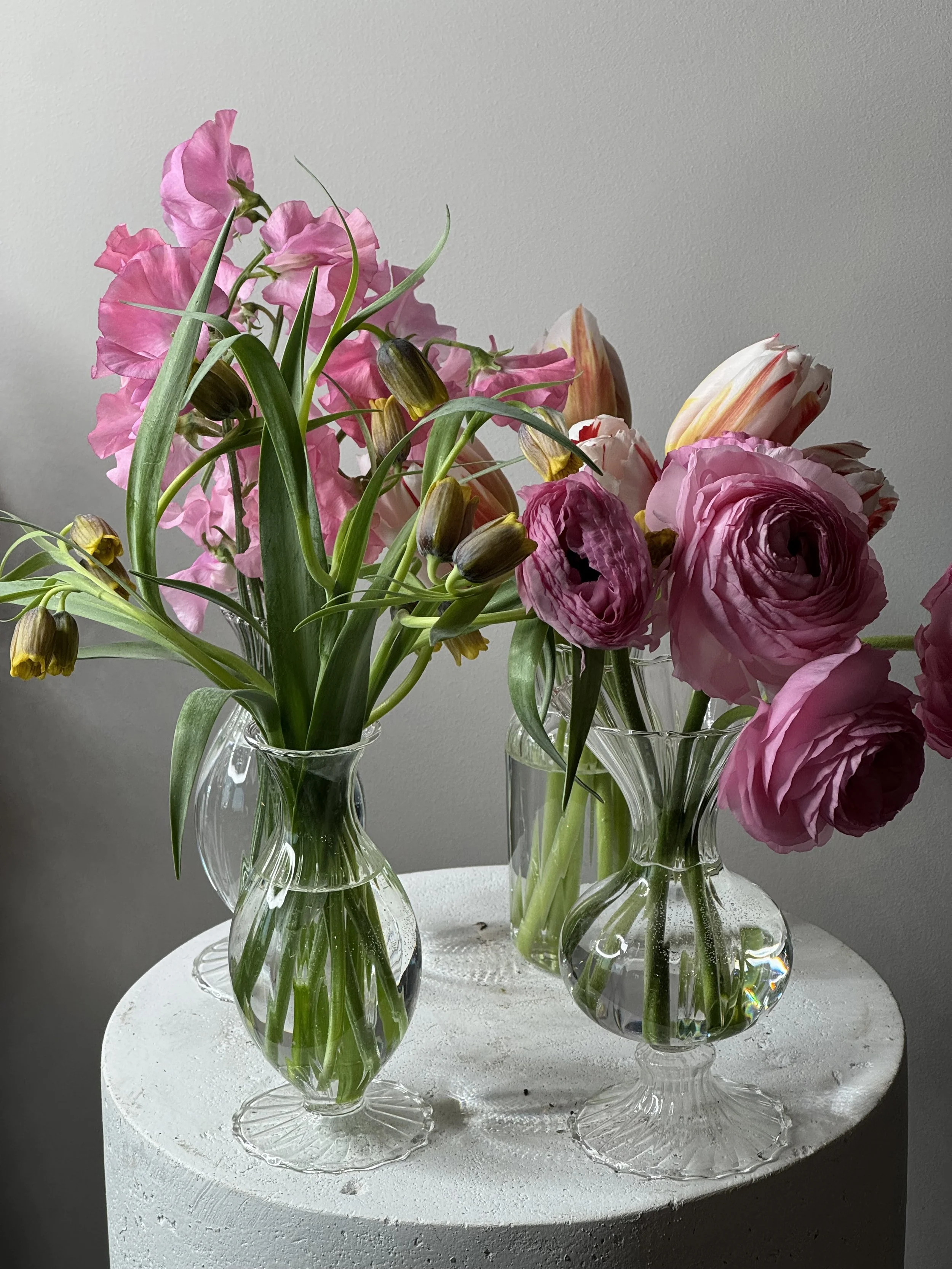
The Norwalk lifestyle has a mix of coastal ease and Connecticut polish. People want beauty, but they do not always want something stiff or fussy. They may want florals that feel fresh, natural, and elevated without looking like they tried too hard. That balance is a big part of the local floral personality. It is not about being flashy for the sake of being flashy. It is about making flowers feel appropriate, stylish, and connected to the space.
This is especially true for home florals. Clients who care about interiors want arrangements that complement the room. They think about where the flowers will sit, what colors are already in the space, and how the arrangement will affect the mood. Florists are adapting by offering more design-forward options, seasonal subscriptions, custom home arrangements, and event florals that feel tailored rather than generic. The result is a more lifestyle-based approach to flowers.
Coastal, Modern, Elegant, and Relaxed All at Once
Norwalk’s floral style often blends coastal, modern, elegant, and relaxed elements. That sounds like a lot, but when done well, it feels natural. Coastal does not have to mean shells, anchors, and blue-and-white everything. Modern does not have to mean cold. Elegant does not have to mean stiff. Relaxed does not have to mean messy. The magic is combining these qualities in a way that feels effortless.
A coastal-modern arrangement might use soft whites, sand tones, muted greens, airy branches, and loose movement. An elegant relaxed centerpiece might include seasonal blooms with texture and a low shape that invites conversation. A modern home arrangement might use fewer stems but stronger lines. These designs feel current because they are not trying to copy an old formula. They are responding to how people live and entertain now.
Florists in Norwalk are adapting by developing a better eye for atmosphere. They are thinking about the room, the table, the lighting, the season, and the emotional tone. They are not just making flowers look nice in isolation. They are making them belong. That is a big difference. A great arrangement should feel like it was meant for that exact space, not like it could be dropped anywhere and still say the same thing.
Everyday Flowers Are Getting a Luxury Upgrade
Everyday flowers are getting a luxury upgrade because clients are realizing flowers do not need to be saved only for major occasions. A beautiful arrangement can change the mood of a home instantly. It can make a regular week feel fresher, a dinner feel more intentional, or a workspace feel less blah. This is not about being over-the-top. It is about adding a little beauty to daily life. And honestly, who does not need more of that?
Florists are responding by creating more refined everyday options. These might include seasonal arrangements, smaller sculptural designs, weekly home flowers, simple wrapped bouquets with better stems, or arrangements designed for specific spaces like entry tables, kitchen counters, or bedside tables. The focus is on quality and taste rather than size alone. A smaller arrangement with beautiful texture can feel more luxurious than a huge one with no design direction.
This trend also reflects a bigger shift in what luxury means. Luxury is becoming less about showing off and more about feeling good in your space. Fresh flowers are one of the easiest ways to create that feeling. They bring life, color, scent, and softness into a room. Florists who understand this are offering clients more ways to enjoy flowers casually but beautifully. It is low-key luxury, and it is definitely having a moment.
Sustainability Is Becoming a Bigger Deal
Sustainability is becoming a bigger part of client expectations, especially among people who care about where their products come from and how much waste they create. Floral design can be beautiful, but it can also be wasteful if no one is paying attention. More clients are starting to ask smarter questions about seasonal flowers, packaging, foam alternatives, local sourcing when possible, and what happens to event flowers after the party is over. This does not mean every client is demanding a fully eco-perfect arrangement, but awareness is rising.
Florists in Norwalk are adapting by making more thoughtful choices. They may use seasonal materials, reduce unnecessary packaging, design with reusable vessels, compost green waste when possible, or suggest flowers that are naturally available rather than forcing out-of-season choices. These decisions can make arrangements feel more authentic and responsible. Sustainability is not just a trend. It is becoming part of good design.
There is also a style benefit to sustainable thinking. Seasonal flowers often look better because they belong to the moment. They feel fresher, more natural, and less forced. A fall arrangement with rich texture and local seasonal energy can feel far more luxurious than trying to recreate a spring look in the wrong month. Working with nature instead of against it usually creates better design. Funny how that works, right?
Seasonal Flowers Feel Smarter and More Authentic
Seasonal flowers feel smarter because they connect the arrangement to the time of year. Spring florals can feel soft, delicate, and hopeful. Summer flowers can feel abundant and joyful. Fall designs can be rich, textural, and cozy. Winter arrangements can feel sculptural, crisp, and elegant. When flowers match the season, they feel more grounded. They do not look like they were forced into the moment from somewhere else.
Clients are increasingly open to florist-led seasonal design. Instead of demanding one specific flower regardless of availability, they are asking for a mood or color palette and letting the florist choose the best seasonal stems. This is a healthier way to design because it allows flexibility. If one flower is not looking great that week, the florist can choose something better. The final result is often fresher and more beautiful.
Seasonal design also gives florists room to be creative. They can use branches, grasses, berries, seed pods, greenery, and unexpected textures that make arrangements feel more layered. This creates a more natural, elevated style that many Norwalk clients love. It feels connected to the landscape and the moment. That kind of authenticity is hard to fake, and clients are noticing.
Less Waste, Better Choices, and More Thoughtful Design
Reducing waste is becoming part of the floral conversation. Event clients may ask what can be reused after the ceremony, whether arrangements can be repurposed from one space to another, or whether flowers can be donated after the event. Home clients may prefer reusable vessels instead of disposable packaging. Corporate clients may want designs that look polished but do not create unnecessary waste. These expectations are pushing florists to plan more carefully.
Thoughtful design helps reduce waste without sacrificing beauty. For example, ceremony flowers can sometimes be moved to the reception. Smaller arrangements can be designed in reusable containers. Seasonal materials can be selected for freshness and longevity. Packaging can be simplified. Even color palettes can be planned around what is available and strong, rather than forcing fragile flowers that may not last. This is where sustainability and practicality meet.
The best part is that less waste often leads to better design. When florists are not trying to cram in every possible flower, arrangements can feel cleaner, more intentional, and more modern. Editing is part of luxury. A thoughtful design with fewer but better-chosen elements can have more impact than an overstuffed arrangement with no breathing room. Clients are learning that more is not always better. Better is better.
Speed and Convenience Matter More Than Ever
Speed and convenience matter because clients are busy, and life does not always give people two weeks to plan a floral order. Birthdays sneak up. Dinner plans happen fast. Someone gets engaged. A friend needs cheering up. A client needs a thank-you gift. A home needs flowers before guests arrive. Florists in Norwalk are adapting to this reality by making ordering smoother, communication faster, and delivery more reliable. Convenience is not just a bonus anymore. It is part of the service.
But fast does not mean careless. Clients still expect quality, even when they order quickly. This is where florists have to be organized. They need clear design options, realistic turnaround times, flexible but manageable ordering systems, and strong communication. A client may not need endless choices. In fact, too many choices can be overwhelming. Sometimes a curated selection makes the process easier and produces a better result.
Convenience also includes emotional ease. Clients want to feel guided. If they do not know what to choose, they want a florist who can help without making them feel clueless. Simple questions like “What is the occasion?” “What colors do they like?” “What style feels right?” and “Do you want something soft, bright, modern, or dramatic?” can make the process feel personal and efficient. Good service feels calm. Bad service feels like homework.
Clients Expect Clear Communication and Smooth Ordering
Clear communication is one of the biggest ways florists can meet modern expectations. Clients want to know what they are getting, when it will arrive, and what is realistic within their budget. They appreciate honesty. If a certain flower is unavailable, tell them. If a design style needs a higher budget, explain why. If delivery timing is tight, be upfront. People can handle limits. What they do not like is confusion.
Smooth ordering also matters because clients are used to convenience in almost every part of life. They expect simple menus, easy forms, quick replies, and clear payment options. That does not mean floral design should become robotic. Actually, the best experience combines convenience with human warmth. The client should feel that ordering is easy, but the design still feels personal. That balance is key.
Florists who communicate well often stand out even before the flowers arrive. A thoughtful confirmation message, a clear delivery window, a helpful suggestion, or a quick follow-up can make the client feel taken care of. That feeling is part of the product. Flowers are emotional, so the service around them should feel supportive. When clients trust the process, they are more likely to come back.
Last-Minute Does Not Mean Low-Quality Anymore
Last-minute orders used to feel like a recipe for disappointment. You got whatever was available, hoped for the best, and maybe crossed your fingers that it did not look too sad. But client expectations have changed. People now expect florists to offer quick options that still feel stylish. That does not mean every custom request can be fulfilled instantly, but it does mean florists need smart ready-to-go designs or flexible seasonal choices that can be created quickly without looking generic.
The secret is curation. A florist can offer a few strong last-minute styles instead of trying to promise everything. For example, a soft seasonal arrangement, a bright designer’s choice bouquet, a modern neutral design, or a sympathy-friendly option. This gives clients speed while allowing the florist to use the best available flowers. It also avoids the chaos of trying to recreate a hyper-specific arrangement with no time or materials.
Clients are usually fine with flexibility if the florist communicates clearly. Many people actually prefer a designer’s choice option when they trust the florist’s taste. They do not need to micromanage every stem. They just want something beautiful, fresh, and appropriate. Florists who can deliver that quickly become lifesavers. And when someone saves the day with great flowers at the last minute, clients remember.
Event Florals Are Becoming More Experience-Driven
Event florals are changing because clients no longer see flowers as simple table decorations. They see them as part of the guest experience. Flowers can shape the entrance, frame the ceremony, define the dinner table, soften a corporate space, or create a photo-worthy focal point. The question is no longer just “What flowers do we need?” It is “How should the room feel?” That is a much more interesting question, and it gives florists a bigger creative role.
Norwalk events often require florals that fit specific settings, from waterfront gatherings to private homes, intimate dinners, formal celebrations, and professional events. Each setting has different needs. A wedding might need romance and emotion. A private dinner might need warmth and intimacy. A business event might need polish and restraint. A fundraiser might need drama and impact. Florists are adapting by thinking more like event designers, not just flower suppliers.
This experience-driven approach also means florists must collaborate better. They may need to coordinate with planners, caterers, rental teams, photographers, venue staff, and clients. Timing, setup, breakdown, repurposing, and scale all matter. The flowers need to look amazing, but they also need to function within the event. Guests should be able to talk across the table. Ceremony pieces should frame the moment. Installations should be safe and stable. Beauty has to behave itself.
Weddings, Dinners, and Corporate Events Need Different Energy
Weddings need flowers that feel personal and emotional. The florals should support the couple’s story, the season, the venue, and the visual mood of the day. Bouquets need to look beautiful in person and in photos. Ceremony flowers need to create a meaningful frame without stealing the whole show. Reception flowers need to support the atmosphere and work with the table layout. Wedding clients often want romance, but romance can look many ways: soft and airy, bold and dramatic, garden-inspired, minimalist, or coastal and relaxed.
Private dinners need a completely different energy. The flowers should make the table feel special without blocking conversation or taking over the meal. Low arrangements, layered textures, candle-friendly designs, and seasonal touches work beautifully. The best dinner florals feel intimate. They make guests feel like someone cared about the details. They should not feel like a giant floral wall landed in the middle of the appetizers.
Corporate and professional events need polish. The flowers should reflect the tone of the gathering without becoming distracting. A client-facing dinner may need understated elegance. A launch event may need something more sculptural and memorable. A conference or reception may need fresh, clean arrangements that brighten the space. Florists are adapting by designing with purpose. They are not just asking what looks pretty. They are asking what supports the event’s message.
The Future of Floristry in Norwalk
The future of floristry in Norwalk is going to be more personalized, more design-forward, and more service-focused. Clients will continue expecting flowers that feel unique, seasonal, and connected to their lives. They will want florists who can guide them, not just take orders. They will value clear communication, thoughtful design, and reliable service. The florists who thrive will be the ones who combine creativity with professionalism. Pretty flowers alone will not be enough.
Technology will also continue shaping expectations, but not in a cold or impersonal way. Clients want easier ordering, faster updates, better visuals, and smoother planning. But they still want human taste. They still want someone who can say, “That color palette will work beautifully,” or “Let’s adjust this so it feels more seasonal,” or “For that table size, I would recommend something lower and more layered.” The future is not about replacing the florist’s eye. It is about making the experience around that eye easier and more responsive.
Local identity will matter too. Norwalk has its own rhythm, and clients will keep looking for floral design that fits the area’s mix of coastal ease, modern living, and Connecticut polish. Florists who understand that local style will stand out. The best designs will not feel copied from somewhere else. They will feel rooted in the place, the season, and the client. That is where modern floristry is headed: more human, more thoughtful, and way less basic.
Conclusion
Florists in Norwalk are adapting to changing client expectations by becoming more than flower sellers. They are becoming designers, guides, listeners, and experience-makers. Clients want arrangements that feel personal, stylish, convenient, sustainable, and emotionally accurate. They want flowers that match their homes, events, relationships, and lifestyles. They want beauty, yes, but they also want the process to feel smooth and thoughtful.
The biggest shift is that clients no longer accept generic florals as the standard. They want custom design, seasonal thinking, clear communication, and arrangements that feel like they were created for a specific reason. Norwalk’s local style — coastal, modern, elegant, and relaxed — gives florists plenty of room to create work that feels fresh and meaningful.
The florists who will lead the next chapter are the ones who understand that flowers are not just products. They are part of people’s biggest moments and smallest joys. When a florist can combine great design with genuine service, clients notice. And in a community like Norwalk, that kind of trust can bloom into long-term loyalty.