The Rise of Floral Experiences: Why People Want More Than Just a Bouquet
For generations, buying flowers followed a familiar pattern. You walked into a flower shop, selected a bouquet, added a card, and handed the finished arrangement to someone you cared about. The gesture was beautiful, emotional, and usually complete within a few minutes. Flowers still carry that power, but many customers now want something that extends beyond the moment of delivery. They want to touch the materials, understand where the flowers came from, participate in the design, photograph the setting, share the process, and leave with a memory that lasts after the petals fade.
That shift has created the rise of floral experiences. Instead of treating flowers only as finished products, modern florists, event designers, hotels, restaurants, retailers, and creative studios are turning them into activities, environments, and opportunities for connection. A customer might attend a seasonal centerpiece workshop, walk through an immersive flower installation, book a private bouquet bar for a bridal shower, or receive a personalized delivery that includes a guided arranging session. Flowers are no longer limited to sitting quietly in a vase. They are becoming part of a larger story.
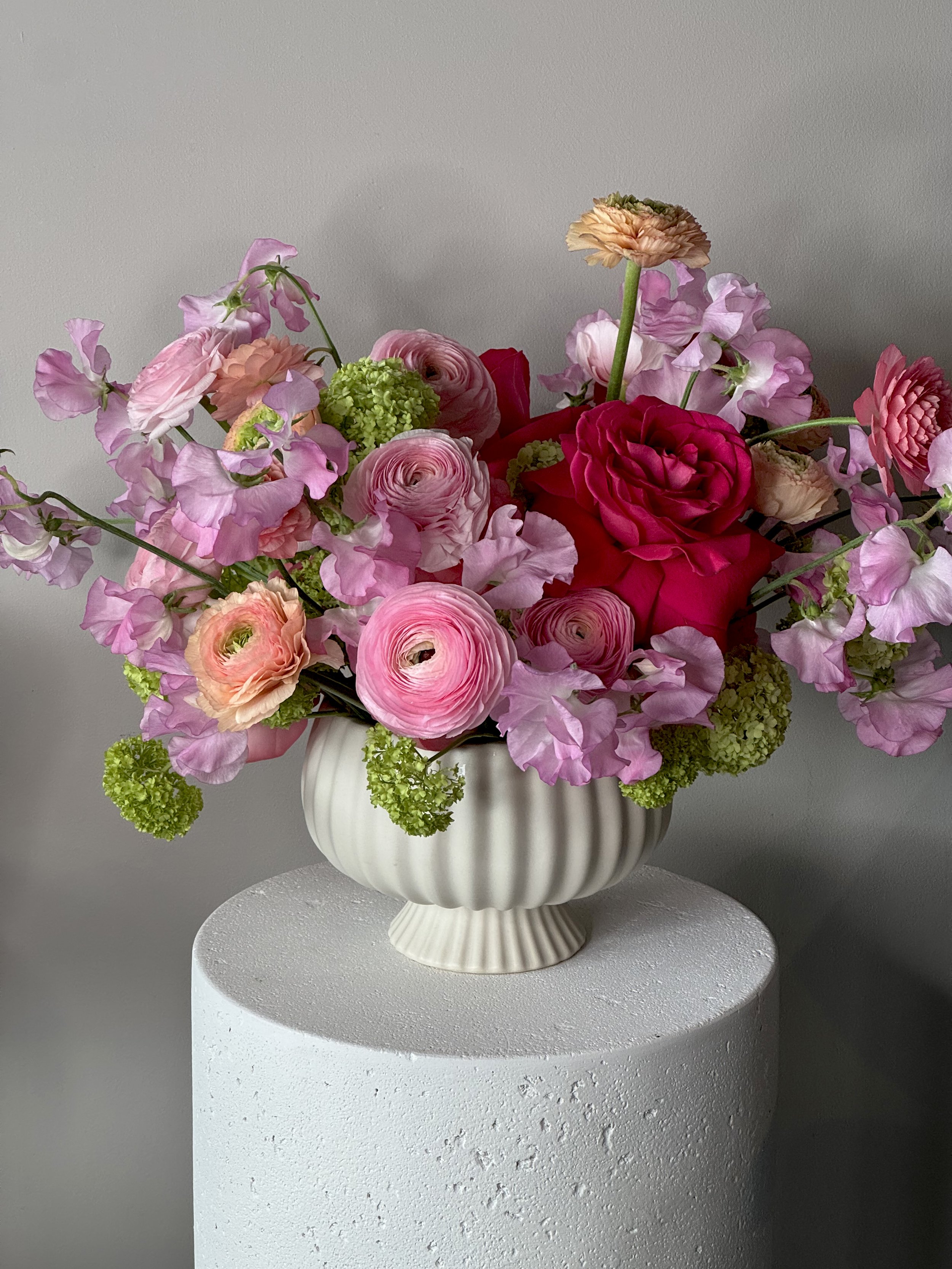
Why is this happening now? People already own more physical objects than they can easily use or store. Experiences, by contrast, create anticipation, participation, and memory. A bouquet may be appreciated for a week, but the afternoon spent arranging it with a parent, partner, friend, or child can remain vivid for years. The flowers become the medium rather than the entire message.
This does not mean the traditional bouquet is disappearing. It means customers are asking it to do more. They want flowers to reflect identity, encourage creativity, support wellness, strengthen relationships, and transform ordinary moments into something memorable. The modern floral industry is responding by blending design with hospitality, education, entertainment, and emotional storytelling. What once ended at the point of purchase is now only the beginning.
Why a Beautiful Bouquet Is No Longer the Whole Story
A beautifully arranged bouquet can still stop someone in their tracks. The colors, fragrance, movement, and texture create an immediate emotional response that few other gifts can match. Yet customers increasingly evaluate flowers through the entire experience surrounding them. They notice how easy the ordering process feels, whether the design reflects the recipient, how the flowers are presented, what story accompanies them, and whether the interaction feels personal. The arrangement matters, but so does everything that happens before and after it reaches the vase.
Part of this change comes from abundance. Consumers can order flowers through supermarkets, apps, national delivery companies, independent studios, farmers’ markets, and subscription services. When basic access becomes easy, the finished product alone is less likely to feel distinctive. A florist cannot always stand out simply by offering roses, tulips, or peonies because customers can find those flowers in many places. What creates value is the context: thoughtful curation, meaningful customization, exceptional service, educational insight, or an activity that the customer cannot reproduce through a standard checkout page.
Modern customers also want emotional specificity. A generic bouquet may communicate affection, but a floral experience can reflect the exact nature of a relationship. A daughter and mother might attend a wreath-making class together. A group of friends may create bouquets during a birthday dinner. A company may host a planting workshop to mark the beginning of spring. These moments turn flowers into shared language.
The expectation is similar to what has happened in food, travel, and retail. People do not only want a meal; they want to meet the chef, understand the ingredients, or watch the preparation. They do not only want a hotel room; they want a sense of place. In the same way, customers do not always want flowers to arrive as a sealed, finished object. They want access to the story, the process, and the feeling behind them.
From Floral Product to Meaningful Participation
The central idea behind a floral experience is participation. Instead of remaining a passive recipient, the customer becomes part of the creative process. That involvement might be physical, as in arranging flowers at a workshop, or emotional, as in helping a florist select blooms connected to a family story. It can also be social, with guests building small bouquets together during an event. The more actively someone participates, the more personal the finished result tends to feel.
This shift changes how value is understood. A bouquet is traditionally priced according to flowers, materials, labor, design skill, and delivery. An experience includes those elements but may also involve instruction, atmosphere, entertainment, venue preparation, storytelling, refreshments, photography, and time spent with a knowledgeable designer. Customers are not simply paying for stems. They are paying for access, attention, and an enjoyable process.
Different formats create different levels of participation:
Floral Experience
Customer Participation
Best Suited For
Primary Value
Guided workshop
High
Friends, families, teams
Learning and creativity
Bouquet bar
Medium to high
Showers, parties, launches
Social interaction
Immersive installation
Low to medium
Public events, retail, hotels
Atmosphere and photography
Private design session
High
Personalized gifts and events
Individual attention
Farm or studio tour
Medium
Flower enthusiasts and groups
Education and connection
Subscription with tutorials
Ongoing
At-home customers
Routine and skill building
Participation also removes some of the mystery surrounding floral design. Many people love flowers but feel uncertain about choosing colors, trimming stems, or arranging them naturally. A guided experience gives them permission to experiment without requiring professional skill. The process becomes playful rather than intimidating.
That sense of involvement changes the relationship between customer and florist. The florist is no longer only a supplier. They become a host, teacher, creative guide, and interpreter of personal stories. The customer leaves with flowers, but also with confidence, knowledge, and a stronger appreciation for the craft behind the arrangement.
The Emotional Value of Making Memories With Flowers
Flowers have always been connected to memory. A particular fragrance can return someone to a childhood garden, a wedding morning, a grandmother’s kitchen, or a hospital room where an important goodbye took place. Floral experiences deepen that connection because they engage more than sight. Participants touch stems, notice fragrance, hear the sounds of trimming and arranging, and make dozens of small creative decisions. Those sensory details help the experience settle into memory.
The emotional value often comes from shared attention. Daily life can make it difficult for people to slow down together. A floral workshop creates a reason to put phones aside, sit around a table, and focus on something tangible. Conversation develops naturally because hands are occupied and the activity does not demand constant eye contact. Friends may laugh over uneven arrangements, parents and children may compare color choices, and coworkers may discover unexpected creative sides of one another.
Flowers also make emotional expression easier. Some feelings are difficult to communicate directly, particularly during grief, major transitions, or periods of stress. Creating an arrangement for someone can provide a gentle way to express care. The participant does not need to find perfect words because the choices themselves carry meaning. A favorite color, familiar flower, or handwritten note can communicate attention more effectively than a generic gift.
The temporary nature of flowers adds another emotional layer. Their beauty is real, but it cannot be held permanently. That fragility encourages people to notice the present moment. A floral experience quietly reminds participants that value does not depend on permanence. A sunset, a meal, a conversation, and a flower can all matter precisely because they change.
When customers say they want more than a bouquet, they are often asking for this deeper emotional involvement. They want the flowers to mark time, bring people together, and create a story they can revisit. The arrangement eventually fades, but the memory of making or encountering it remains.
How Social Media Changed the Way People Experience Flowers
Social media has dramatically expanded the role flowers play in events, retail spaces, travel, and personal celebrations. A floral arrangement is no longer seen only by the people standing in front of it. One installation in a hotel lobby, restaurant entrance, or pop-up event may appear in hundreds of photographs and videos. As a result, flowers are increasingly designed not simply as decoration but as an environment people can enter, interact with, and share.
This has encouraged the growth of floral walls, suspended gardens, oversized sculptural arrangements, seasonal storefronts, and interactive bouquet stations. People are drawn to settings that offer a clear visual moment. They want to stand beneath cascading flowers, walk through an arch of branches, or build a small bouquet against a beautifully styled background. The experience becomes part of how they tell their own story online.
The strongest designs, however, do more than create a photo opportunity. A visually impressive installation may attract attention, but it becomes memorable when it also feels connected to the place, brand, season, or event. Flowers arranged around the architecture of a historic building can reveal details guests might otherwise overlook. A restaurant installation built from herbs and edible plants can connect naturally to the menu. A fashion launch may use sculptural flowers that reflect the shapes and colors of the collection.
Social media has also raised expectations for personalization. Customers see highly specific designs every day, which makes generic arrangements easier to recognize. They may arrive at a florist with saved images, color references, fashion photographs, or interior design inspiration. The designer’s role is to interpret those references rather than copy them directly.
There is a risk of creating experiences that look better on a screen than they feel in person. Successful floral experiences protect both sides. They photograph beautifully, but they also smell fresh, allow people to move comfortably, and feel emotionally convincing. Social media may attract the audience, yet genuine sensory and human connection is what makes the experience worth remembering.
Floral Workshops and the Appeal of Hands-On Creativity
Floral workshops have become one of the most accessible ways to turn flowers into an experience. Participants do not need artistic training, specialist tools, or previous knowledge. They arrive, receive guidance, work with beautiful materials, and leave with something they made themselves. That combination of structure and creative freedom is deeply appealing in a culture where so much work happens through screens.
The physical process matters. Cutting stems, removing leaves, balancing shapes, and adjusting colors requires concentration without creating the pressure of a formal test. Participants can become absorbed in the activity, entering a state where ordinary worries become quieter. The flowers offer immediate feedback. A stem can be moved, shortened, or replaced, and every arrangement develops a distinct personality even when everyone begins with the same materials.
Workshops also create natural social experiences. They work for birthdays, bridal showers, company gatherings, family events, date nights, and community programs because conversation can happen alongside the activity. Guests do not need to generate entertainment from nothing. The flowers provide a shared focus, while the informal setting allows relationships to develop.
The most successful workshops are designed around more than technical instruction. The host considers lighting, table spacing, music, refreshments, material selection, pacing, and the comfort of participants. They explain enough to build confidence without controlling every decision. A rigid class where everyone must copy one arrangement can feel limiting. A guided experience that teaches principles while allowing personal choices feels more rewarding.
Seasonality can make workshops especially engaging. Spring bulb arrangements, summer garden bouquets, autumn wreaths, holiday centerpieces, and dried botanical projects create reasons for customers to return throughout the year. Each class offers a different set of materials and emotions.
For florists, workshops also reveal the labor and skill behind professional design. Customers leave with a greater understanding of why arrangements cost what they do and why flower care matters. Education strengthens appreciation, and appreciation often builds long-term loyalty.
Immersive Installations That Transform Ordinary Spaces
Immersive floral installations change the emotional temperature of a space. A hallway becomes a passage through a garden. A staircase appears to bloom. A dining room ceiling fills with suspended branches and flowers. A storefront becomes a seasonal landmark that encourages people to pause. These designs do not simply decorate architecture; they reshape how people move through and remember it.
Scale is a major part of the experience. A bouquet can be held and understood immediately, while an installation surrounds the viewer. People notice it from different distances and angles. They may first see a mass of color, then discover individual flowers, textures, and construction details as they move closer. This gradual discovery makes the experience feel layered.
Successful installations respond to the location rather than covering it. A designer studies ceiling height, windows, traffic flow, lighting, furniture, and sightlines. Flowers can frame a strong architectural feature, soften an industrial surface, or create contrast in a minimalist environment. When an installation ignores the room, it can feel like a large object placed randomly in the middle of an event. When it responds to the space, it appears almost inevitable.
Practical planning is substantial. Large floral designs require secure mechanics, water sources, structural support, delivery access, installation time, maintenance, and removal. Public spaces may need fire-safety approval, protected walkways, and durable materials that can tolerate temperature changes or human contact. A beautiful result depends on careful engineering behind the scenes.
Immersive designs also give people permission to interact differently with flowers. Guests may walk beneath them, stand inside them, or experience scent and movement at eye level. This physical closeness creates a stronger emotional response than viewing flowers from across a room.
The best installation is not necessarily the one with the greatest number of blooms. It is the one that transforms the ordinary experience of the space. For a few hours or days, people see a familiar environment through a completely new lens.
Personalized Gifting That Goes Beyond Flower Selection
Personalized floral gifting once meant choosing the recipient’s favorite color or adding a handwritten card. Those details still matter, but modern customers are looking for deeper levels of relevance. They want the delivery to reflect the person’s lifestyle, history, preferences, and emotional needs. The flowers become one part of a carefully designed experience rather than the entire gift.
A florist might begin by asking how the recipient spends time, what their home looks like, whether they enjoy fragrance, and how much care they are comfortable providing. A design for someone living in a compact apartment should be different from one intended for a large family home. A recipient who travels often may appreciate a low-maintenance dried arrangement or a workshop certificate more than a demanding plant. Someone who loves gardening may value seasonal local flowers and information about where they were grown.
Presentation can add another personal layer. Flowers may arrive with a custom playlist, a printed memory, a favorite pastry, a locally made candle, or a small vessel selected to match the recipient’s home. These additions should support the story rather than turn the gift into a generic basket of unrelated products.
Delivery itself can become experiential. A florist may offer a scheduled reveal, a guided virtual arranging session, or a package where the recipient opens wrapped bundles of flowers and creates the arrangement with written or video instruction. This changes the gift from passive reception to active discovery.
Personalization also means recognizing emotional context. Sympathy flowers should not be treated like birthday flowers with a different card. A gift for a new parent, someone recovering from illness, or a friend beginning a new job requires a different tone and level of interaction.
The most personal floral gifts communicate that the sender paid attention. They do not need to be expensive or elaborate. A simple arrangement becomes powerful when every detail feels connected to the person receiving it.
Floral Experiences in Weddings, Parties, and Hospitality
Events have become one of the most fertile environments for floral experiences because guests increasingly expect more than passive decoration. They want opportunities to interact, create, and take something meaningful home. Flowers can support all three goals while also strengthening the visual identity of the celebration.
Bouquet bars are a popular example. Guests select stems from a curated display and build small arrangements with guidance from a florist or event attendant. This works well at bridal showers, baby showers, birthdays, brand events, and welcome parties. The activity becomes entertainment, décor, and a favor at the same time. Careful planning keeps the station from becoming crowded or wasteful. Flowers should be organized by type or color, wrapping materials should be easy to use, and guests need enough space to move comfortably.
Weddings may include floral crown stations, boutonniere bars, pressed-flower place cards, or collaborative installations where guests add a stem to a larger design. These experiences can feel meaningful when they connect to the couple’s story. They become less effective when they are included only because they appear trendy.
Hotels and restaurants are also using flowers to create a stronger sense of arrival. Seasonal lobby installations, tableside flower selections, in-room arranging kits, and floral afternoon teas can distinguish a property from competitors. The flowers become part of hospitality rather than background decoration.
Event Setting
Floral Experience
Guest Benefit
Bridal shower
Bouquet bar
Creative favor and conversation
Wedding welcome party
Floral crown station
Social activity and wearable detail
Birthday dinner
Guided centerpiece making
Shared entertainment
Hotel stay
In-room arranging kit
Personal relaxation
Restaurant event
Tableside flower selection
Custom atmosphere
Community festival
Collaborative installation
Collective participation
The best event-based experiences remain easy to understand and enjoyable to join. Guests should feel invited, not pressured. Flowers work beautifully because participation can be as brief or involved as each person prefers.
Flowers as a Tool for Wellness and Sensory Connection
Flowers appeal to people during stressful periods because they create a direct connection to the physical world. Their fragrance, texture, color, and natural irregularity interrupt the repetitive sameness of screens and indoor routines. A floral experience can offer a structured reason to slow down, use the hands, and focus attention on immediate sensory details.
This does not mean flowers should be presented as a cure for anxiety, grief, or other health concerns. Their role is more modest and human. Arranging flowers can support relaxation, reflection, and creative engagement. It can provide a comforting ritual during a difficult week or a quiet social activity for people who feel uncomfortable in more demanding settings.
Wellness-focused workshops often emphasize process rather than perfection. Participants may be invited to choose flowers intuitively, observe fragrance and texture, or create an arrangement connected to a personal intention. The instructor avoids judging the finished design and encourages experimentation. This approach reduces the pressure to produce something “professional” and allows the activity to remain restorative.
Flowers can also strengthen connections to season and place. Working with spring branches, summer herbs, autumn seed heads, or winter evergreens encourages participants to notice environmental changes that often pass unnoticed. This awareness can create a sense of rhythm in lives that otherwise feel disconnected from the natural calendar.
Healthcare centers, senior communities, employee wellness programs, and grief-support groups may use carefully designed floral activities to encourage conversation and participation. Accessibility matters in these settings. Tools should be comfortable to hold, tables should accommodate different mobility needs, and strongly scented or potentially irritating materials should be avoided.
The wellness value of flowers lies partly in their simplicity. Participants do not need to master a complicated concept. They can begin by noticing one color, trimming one stem, or choosing one place in the arrangement. That small act of attention can create a welcome sense of calm.
Brand Activations and Corporate Floral Experiences
Brands are increasingly using floral experiences because flowers attract attention without feeling aggressively promotional. A well-designed bouquet station, immersive installation, or seasonal workshop can bring people into a store, encourage them to remain longer, and create natural opportunities for conversation and sharing. The experience feels generous, while the brand benefits from visibility and emotional association.
The floral concept should connect clearly to the company. A beauty brand may build an installation around botanical ingredients used in a product. A fashion label might create arrangements inspired by the colors and silhouettes of a new collection. A home company could host a centerpiece class using its own tableware. These connections make the experience feel coherent rather than decorative.
Corporate events can also use flowers internally. Team workshops provide a shared activity that does not depend on athletic ability, industry knowledge, or competitive performance. Employees can participate at different skill levels and still leave with a satisfying result. The activity encourages conversation among colleagues who may not interact during regular work.
Client gifting can become experiential as well. Instead of sending the same bouquet to every person, a company might offer a choice of seasonal designs, deliver an arranging kit, or invite selected clients to a private floral event. Personalization communicates attention and can strengthen relationships more effectively than a standardized object.
Measurement remains important for brand activations. Companies may consider attendance, time spent at the event, content shared, sign-ups, sales conversations, or post-event feedback. Yet the experience should not feel like a hidden transaction. Guests quickly recognize when an activity exists only to collect information.
The most successful corporate floral experiences create real value for participants. They teach something, provide beauty, offer a useful gift, or create an enjoyable break in the day. When the brand’s role feels natural and respectful, the emotional impact can last far longer than a conventional advertisement.
Sustainability, Local Sourcing, and Conscious Participation
The growth of floral experiences has also encouraged customers to ask where flowers come from, how they are grown, what happens to materials after an event, and whether the experience creates unnecessary waste. Participation makes these questions more visible. A person building an arrangement can see the number of stems, containers, wraps, wires, and discarded leaves involved in the process. That awareness can support more thoughtful choices.
Local and seasonal sourcing offers one path toward greater connection. Flowers grown nearby may reflect the landscape and time of year more clearly than standardized varieties shipped across long distances. A workshop using local tulips in spring or dahlias in late summer can include stories about the farm, weather, harvest, and natural variation between stems. Participants understand that flowers are agricultural products rather than factory-made decorations.
Sustainability is not as simple as labeling every local flower good and every imported flower bad. Growing methods, transportation, energy use, refrigeration, packaging, labor, and waste all matter. Responsible florists avoid making broad claims they cannot support. Instead, they explain specific choices and offer customers practical options.
Reusable mechanics and containers can reduce waste. Workshops may use ceramic vessels, chicken wire, pin holders, or reusable grids rather than single-use floral foam. Bouquet bars can offer recyclable paper instead of multiple layers of plastic. Event flowers may be repurposed into guest bouquets, donated when appropriate, or composted after use.
Participants can also learn how to extend vase life, divide arrangements, dry suitable flowers, and compost plant material. These skills increase the value of the experience while reducing unnecessary disposal.
Conscious participation does not require an atmosphere of guilt. The purpose is to help people understand the materials and make informed decisions. Flowers are temporary by nature, but temporary beauty does not have to mean careless consumption. Thoughtful sourcing and planning can make the experience feel richer, not more restrictive.
How Technology Is Expanding the Floral Experience
Flowers are physical, sensory materials, yet technology is expanding how people discover, customize, and participate in floral experiences. Virtual workshops allow friends, families, and teams in different locations to arrange flowers together. Materials can be delivered in advance, while a designer guides the group through preparation and composition on video. The result combines at-home comfort with shared activity.
Digital design tools can also improve personalization. Customers may complete a visual questionnaire, upload images of a room or outfit, choose preferred color families, and explain the emotional purpose of the flowers. The florist can use this information to create a more specific proposal. Technology supports the conversation, although it should not replace human judgment.
Subscription programs may include video tutorials, care reminders, seasonal stories, and suggestions for repurposing flowers. A customer receives more than a recurring arrangement. Each delivery becomes a small lesson that builds confidence over time. Interactive instructions can be especially helpful for loose flower boxes where the recipient completes the design.
Augmented reality and digital visualization may help clients understand the scale of an installation before it is built. A venue can preview how flowers might frame a doorway, fill a ceiling, or transform a stage. This reduces uncertainty and supports better decisions about proportion and budget.
Technology also helps floral businesses manage logistics. Online scheduling, guest registration, allergy information, delivery tracking, and digital follow-up can make workshops and private events easier to organize. These systems should remain simple enough that they do not create a barrier to participation.
The danger is allowing technology to flatten the experience. Automated recommendations and digital forms cannot fully capture fragrance, texture, seasonal variation, or emotional nuance. The strongest floral businesses use technology to remove friction while preserving human connection. A screen may help arrange the details, but the flowers themselves should return the customer to the physical moment.
What Modern Florists Must Offer to Stay Relevant
Modern florists are being asked to combine several roles. They remain skilled designers, but they may also need to become teachers, hosts, storytellers, event producers, photographers, and consultants. This does not mean every flower shop must offer large installations or weekly workshops. It means the business must understand what kind of value it creates beyond the finished bouquet.
A florist might specialize in intimate classes, highly personalized gifting, seasonal subscriptions, hospitality installations, corporate events, or sustainable local design. Clarity is more useful than trying to provide every possible service. Customers respond to a strong point of view, particularly when the experience is communicated through consistent photography, language, presentation, and service.
Hospitality skills are essential. A technically excellent workshop can still disappoint if guests feel rushed, confused, or uncomfortable. Clear instructions, welcoming communication, organized materials, and thoughtful pacing shape the experience as much as the flowers. Small details—aprons, water stations, packaging, music, lighting, and cleanup—can determine whether participants feel cared for.
Pricing must reflect the full service. Florists sometimes underestimate the labor involved in teaching, planning, transporting, setting up, hosting, and cleaning after an experience. Charging only for flowers makes the model difficult to sustain. Customers should understand that they are paying for expertise, time, access, atmosphere, and creative guidance.
Storytelling also matters. People want to know why certain flowers were selected, where they came from, and how the design connects to the season or occasion. Honest stories create meaning without requiring exaggerated symbolism.
The florist who remains relevant will not abandon the bouquet. They will build a richer world around it. They will make customers feel welcomed into the craft, respected as individuals, and connected to the natural materials in front of them. That relationship is difficult for a generic product to replace.
Conclusion
The rise of floral experiences reflects a broader change in what people expect from gifts, events, and creative businesses. Customers still appreciate beautiful objects, but they increasingly value participation, personalization, atmosphere, education, and memory. Flowers are especially well suited to this shift because they already engage the senses and carry strong emotional associations.
A bouquet offers beauty. A floral experience adds context. It may invite someone to arrange the stems, learn about the season, meet a grower, share the activity with friends, or enter a space transformed by flowers. The physical arrangement remains important, but its meaning grows through the story surrounding it.
These experiences do not need to be extravagant. A private design consultation, a small kitchen-table workshop, or a carefully personalized delivery can feel just as meaningful as an immersive installation. The essential element is attention. The customer should sense that the flowers, format, and service were chosen intentionally rather than assembled through a standard formula.
The strongest floral experiences also balance creativity with practicality. They consider comfort, accessibility, budget, sustainability, and the emotional context of participants. They do not force interaction or create beauty only for photographs. They make people feel welcome, capable, and present.
Traditional bouquets will continue to mark birthdays, anniversaries, apologies, celebrations, and losses. Their simplicity remains powerful. Yet the industry around them is becoming more expansive. Flowers are moving into workshops, hotels, wellness programs, corporate events, retail activations, and interactive gifts because people want to engage rather than only receive.
The future of floral design is not about replacing the bouquet. It is about recognizing that flowers can do much more than fill a vase. They can teach, connect, transform, comfort, and create memories. That larger emotional and experiential potential is why people increasingly want more.