Luxury Floral Subscriptions for Offices: How Fresh Flowers Improve Client Experience
A client begins forming an opinion about a business long before the first formal conversation. The entrance, lighting, scent, furniture, background noise, and condition of the reception area all communicate something. Even small details can suggest whether the company is attentive, organized, contemporary, traditional, warm, or indifferent. Fresh flowers are especially effective because they introduce life into environments that can otherwise feel controlled, static, and overly corporate. They soften hard surfaces, bring color into neutral interiors, and show that someone is actively caring for the space.
That is why luxury floral subscriptions for offices have become more than a decorative convenience. A well-designed subscription is an ongoing hospitality service. Flowers arrive on a planned schedule, old arrangements are removed, vessels are refreshed, and each design is adapted to the workplace, season, brand, and client experience. The office does not merely receive a bouquet every week. It receives a professionally managed visual element that stays fresh, intentional, and consistent.
The difference can be felt immediately. Imagine entering a financial advisory office with a sculptural arrangement of white orchids, green hellebores, and architectural foliage. The design suggests calm, precision, and confidence. Now picture a boutique hospitality company with loose garden flowers in peach, cream, and muted green. That arrangement communicates warmth and creativity. Neither display needs to be enormous. The success comes from how accurately it reflects the business and how naturally it belongs in the room.
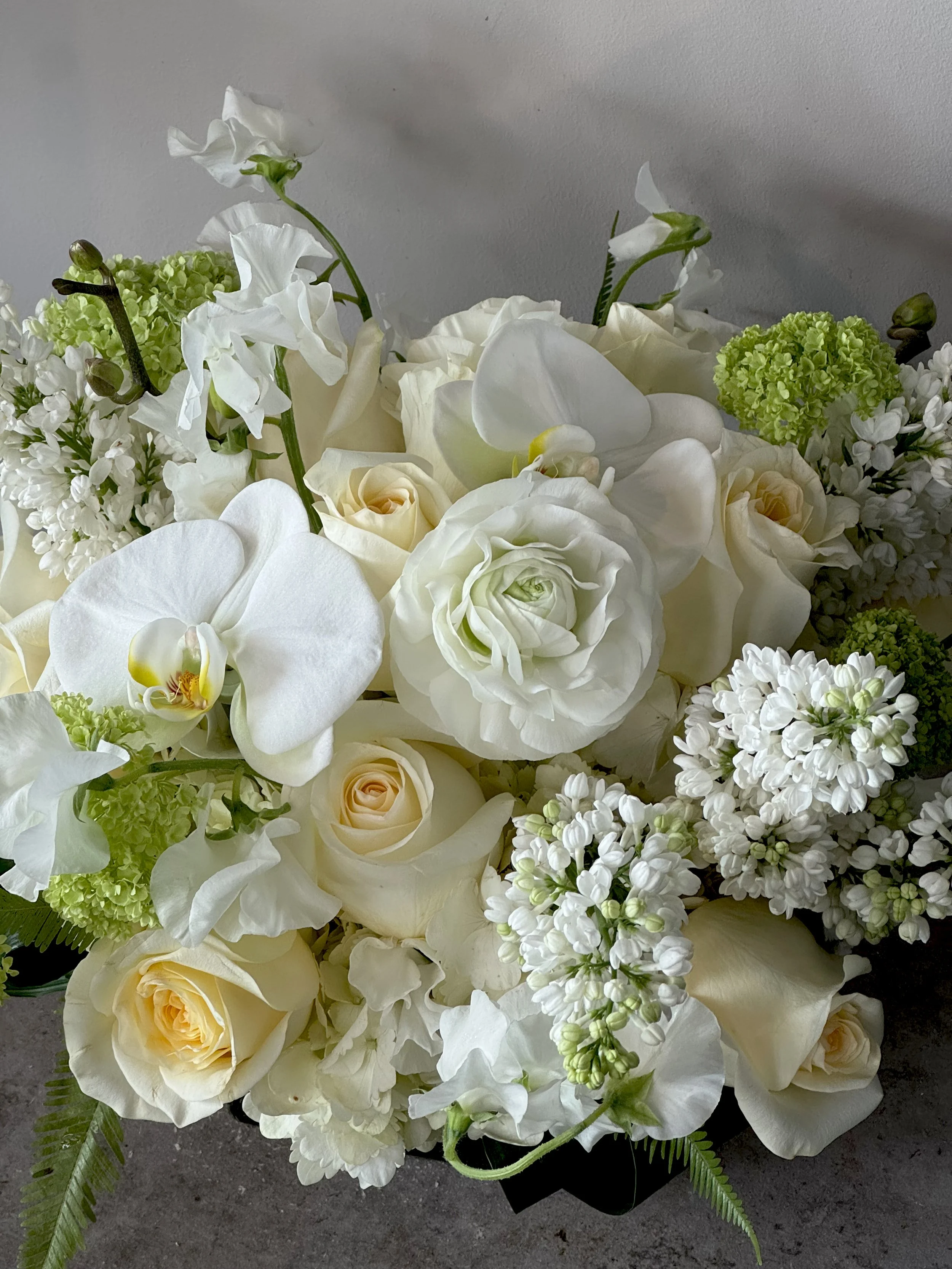
Fresh flowers can also make clients feel considered. They signal preparation in the same way polished glassware, a clean conference table, or a well-timed welcome does. The arrangement quietly says, “We expected you, and we care about the environment in which we meet.” In industries built on trust, discretion, taste, or personal service, that message can support the entire relationship.
Why First Impressions Begin Before a Conversation
Clients rarely enter an office as neutral observers. They arrive with expectations, questions, and a degree of uncertainty. A prospective legal client may feel anxious. A private banking client may be evaluating professionalism. A patient entering a medical or wellness office may be nervous. A buyer visiting a design studio may be looking for signs of creativity and taste. Before an employee offers coffee or begins a presentation, the physical space has already started answering those emotional needs.
Fresh flowers help create an immediate sense of care. Unlike permanent décor, they change, open, and move. Their presence suggests that the environment is monitored regularly rather than arranged once and forgotten. A healthy floral display indicates attention to small details, and clients often use small details to predict how a company will handle larger responsibilities. If the reception area feels neglected, they may wonder whether communication, deadlines, or service will receive the same treatment.
The influence is subtle, which makes it powerful. A vase of seasonal branches does not announce that the company is thoughtful. It allows the client to reach that conclusion independently. The flowers soften the transition from the outside world into the business environment. They give the eye somewhere pleasant to rest while a visitor checks in, waits for a meeting, or gathers their thoughts.
Scale matters here. An oversized arrangement can feel theatrical or even intimidating in a small office, while a tiny bouquet may disappear in a large lobby. Luxury floral design is not about placing the greatest number of flowers in the room. It is about using proportion, color, and form to create an appropriate emotional response.
First impressions also develop through consistency. One beautiful bouquet followed by several weeks of wilted stems sends a mixed message. A subscription prevents that decline by establishing a reliable rhythm of replacement and maintenance. Clients who visit regularly begin to recognize the office as a place that is always prepared. That consistency strengthens trust because the physical environment supports the professional promise the company is making.
What Defines a Luxury Office Floral Subscription
A luxury floral subscription is not simply a recurring flower delivery. The word luxury describes the quality of the entire service: consultation, floral selection, design, vessels, installation, maintenance, communication, and consistency. The arrangement is only the visible result of a much larger process.
The service usually begins with an assessment of the office. A professional florist studies the reception desk, meeting rooms, lighting, ceiling height, furniture, traffic flow, brand colors, and client demographics. They ask how the space is used, which areas receive the most attention, and what emotional tone the company wants to create. A quiet wealth-management office may need restrained, architectural flowers. A beauty brand may prefer expressive color and seasonal experimentation. A luxury real estate firm might want flowers that feel residential, polished, and welcoming.
Customization is one of the clearest differences between a premium subscription and a standard delivery plan. The florist does not send the same mixed bouquet to every client. Flower varieties, shapes, and palettes are selected to suit the specific environment. Containers may be rented and rotated, allowing the designs to change without requiring the business to store dozens of vessels.
Reliability is equally important. Flowers should arrive during an agreed service window without disrupting employees or clients. Old arrangements are removed, surfaces are protected, water is refreshed, and the new installation is placed correctly. The office team should not need to trim stems, wash vases, or figure out what to do with aging flowers.
A true luxury subscription also includes discretion. Delivery teams understand that they are entering a professional environment. They work neatly, communicate clearly, and avoid interrupting confidential meetings or busy reception periods.
Service Element
Standard Recurring Delivery
Luxury Office Subscription
Floral design
Predetermined bouquet
Customized for the brand and space
Containers
Basic vase included or purchased
Curated vessel rotation or rentals
Installation
Delivered to the desk
Professionally placed and styled
Maintenance
Managed by office staff
Handled by the floral service
Old flowers
Disposed of by the client
Removed during replacement
Design planning
Limited
Seasonal and brand-based strategy
Luxury, in this context, is not excess. It is the absence of friction combined with excellent design.
Where Office Flowers Create the Greatest Client Impact
Flowers can improve many areas of an office, but not every surface needs an arrangement. Strategic placement creates stronger impact and avoids visual clutter. The most valuable locations are usually the places where clients pause, wait, make decisions, or interact directly with the company.
The reception desk is the obvious starting point. It is often the first physical point of contact between the client and the organization. A carefully scaled arrangement can define the desk, soften computer equipment, and make the check-in process feel more welcoming. The flowers should not block the receptionist’s view, interfere with paperwork, or create a barrier between the employee and visitor.
Waiting areas also benefit from flowers because clients may spend several minutes observing their surroundings. A low arrangement on a coffee table or a taller design on a console can make the wait feel more intentional. The placement should leave room for drinks, personal items, reading materials, and comfortable movement. Strong fragrances should be avoided, particularly in medical, wellness, and legal environments where visitors may already feel sensitive or stressed.
Conference rooms and client suites offer another important opportunity. Flowers placed on a credenza, side table, or center of a large conference table can soften the formality of a meeting. The design should remain low enough for clear sightlines and compact enough to leave room for laptops, documents, water glasses, and presentation materials.
Executive offices may use flowers more personally. A small sculptural arrangement can reinforce the leader’s style while creating a warmer setting for private conversations. Client-facing corridors, elevator lobbies, and hospitality areas can also support limited floral moments, especially when they guide visitors through a large workplace.
The strongest plan identifies two or three priority areas rather than spreading flowers thinly throughout the entire office. One memorable reception arrangement and several restrained supporting pieces usually create more value than many small bouquets that lack a visual hierarchy. Good floral placement follows the client’s journey, appearing where beauty and reassurance will be noticed most.
Designing Reception and Waiting Areas With Intention
Reception areas carry a difficult balance. They must look professional without feeling cold, impressive without seeming theatrical, and welcoming without becoming casual. Flowers can support all three goals when they are designed around the actual architecture and daily activity of the room.
Begin with the reception desk. A large desk in a hotel-style lobby can support a substantial arrangement, particularly when the ceiling is high and the surrounding surfaces are minimal. Branches, orchids, anthuriums, calla lilies, delphinium, hydrangeas, or large seasonal flowers can create enough visual presence to match the scale. A smaller office needs a more compact design. One elegant arrangement placed to the side of the check-in area will feel more refined than flowers positioned directly between the receptionist and visitor.
The waiting area should feel connected to the reception desk without simply repeating the same bouquet. A smaller arrangement may use one or two flowers from the main design, creating continuity through color and texture. For example, a large reception piece with white orchids and green foliage might be supported by a simple bowl of white tulips on the waiting-room table.
Furniture materials influence the design. Glass and chrome can support clean, architectural flowers. Warm wood, leather, and textured fabrics may suit garden roses, seasonal branches, and softer foliage. Marble desks often look best with arrangements that contain visible movement, preventing the environment from feeling too rigid.
Lighting is another practical concern. Flowers placed beneath bright spotlights or near sunny windows may age faster. Dark reception areas require enough color contrast for the arrangement to remain visible. Cream, green, pale yellow, and soft coral often photograph and perform better than extremely subtle gray or beige flowers in low light.
Fragrance should remain restrained. Reception areas are shared by many people, and some visitors may have allergies, migraines, or sensitivity to scent. Low-fragrance varieties allow the space to feel fresh without becoming perfumed.
The most successful reception design appears effortless. It attracts attention when someone enters, then becomes part of the background as the client begins interacting with the company. That balance makes the flowers feel integrated rather than displayed for their own sake.
Styling Meeting Rooms, Executive Offices, and Client Suites
Meeting rooms require floral arrangements that support concentration and conversation. The flowers should make the room feel polished, but they should never obstruct faces, screens, documents, or food service. A low bowl, compact group of bud vases, or restrained arrangement on a sideboard is usually more effective than a tall centerpiece placed in the middle of the table.
For formal boardrooms, clean lines often work best. Orchids, calla lilies, tulips, anthuriums, or carefully edited foliage can create a sense of order without making the room feel severe. Neutral palettes such as white, green, cream, and soft gray are versatile, especially when the company hosts clients from different industries and cultural backgrounds.
Creative agencies, design studios, and fashion offices may use more expressive arrangements. Unexpected color combinations, seasonal branches, sculptural flowers, and unusual vessels can reinforce the company’s point of view. The design should still remain functional. A meeting room is not a gallery pedestal; people need to spread out materials, move around the table, and maintain eye contact.
Executive offices offer more freedom because the arrangement can reflect an individual style. A leader who prefers minimalism may enjoy one dramatic branch or a small vessel of orchids. Someone with a residential, hospitality-focused office may prefer loose garden flowers. The arrangement can soften difficult conversations, make private meetings feel more human, and create a sense of calm without reducing authority.
Client suites should prioritize comfort. Flowers can help the room feel less transactional, particularly in industries where meetings are long or emotionally important. Wealth management, law, healthcare, architecture, luxury retail, and real estate all involve conversations that benefit from trust and ease. A small floral design on a console or coffee table helps create a setting that feels prepared specifically for the visitor.
Food and beverages should be considered. Strongly scented lilies, hyacinths, gardenias, or large quantities of stock may interfere with coffee, wine, or catered meals. Low-fragrance flowers keep the sensory environment balanced. In meeting spaces, floral elegance is measured by how naturally the design supports the conversation rather than how dramatically it commands attention.
Using Flowers to Express Brand Identity
Flowers can communicate brand identity with surprising precision. Color, shape, texture, vessel choice, and arrangement style all send signals about how a company sees itself. A floral subscription becomes more valuable when those signals align with the business rather than functioning as generic decoration.
A luxury law firm might choose restrained white and green arrangements with architectural forms. The palette suggests clarity, discretion, and confidence. A boutique hotel could use seasonal garden flowers with movement and fragrance, creating a warmer sense of hospitality. A technology company may prefer sculptural arrangements with clean vessels and unusual botanical forms, reinforcing innovation without relying on branded signs.
Brand color can be included, but exact matching is rarely necessary. Flowers are natural materials, and their variation is part of their appeal. A company with a navy identity might use pale blue delphinium, lavender-gray flowers, and green foliage rather than searching for unnaturally dark blue blooms. A brand built around gold and cream could introduce butter-yellow ranunculus, ivory roses, and warm-toned vessels. The relationship feels recognizable without becoming literal.
The arrangement style matters as much as the palette. Tight symmetry can communicate tradition and formality. Loose garden design suggests warmth and creativity. Minimal compositions with visible negative space often feel modern and disciplined. Large installations imply confidence and public presence, while small, exquisite arrangements suggest privacy and attention to detail.
Vessels can reinforce the message. Matte ceramic feels contemporary and handcrafted. Clear glass appears light and transparent. Brass adds warmth and polish. Stone, wood, and textured materials may support brands connected to architecture, wellness, or natural products.
Consistency helps clients recognize the visual language over time. The flowers should change seasonally, but the underlying style can remain stable. A company may become known for its elegant white arrangements, bold color contrasts, or dramatic branches. This repeated visual cue supports brand memory without placing a logo on every surface.
The goal is not to make the flowers look like advertising. It is to create an environment where the brand’s values can be felt. When clients experience the space as coherent, thoughtful, and distinctive, the flowers have done strategic work.
How Fresh Flowers Influence Client Perception and Emotion
A client’s response to flowers is rarely a single conscious thought. They may not walk into an office and say, “This arrangement makes the company seem more attentive.” Instead, the environment feels more welcoming, more polished, or more comfortable. That emotional impression can influence how the client experiences the meeting that follows.
Fresh flowers introduce softness into spaces filled with glass, metal, screens, stone, and straight lines. Many corporate interiors are designed for durability and consistency, but they can feel impersonal. Flowers interrupt that uniformity with natural variation. Petals open at different speeds, stems curve, and colors shift in changing light. The room feels active rather than fixed.
They can also reduce the sense of waiting. A client seated in reception naturally looks around. A thoughtful arrangement offers texture and detail without requiring attention. This small visual engagement can make the environment feel less empty. In professional settings where clients may feel anxious, such as medical practices, law offices, or financial firms, a calmer environment can support a more comfortable beginning.
Flowers communicate investment in the client-facing space. Businesses do not maintain fresh arrangements by accident. Their presence suggests a deliberate standard of hospitality. Clients may interpret that standard as evidence that the company cares about presentation, consistency, and the quality of small interactions.
The effect depends on the design. Wilted flowers, dirty water, overpowering fragrance, or an arrangement that blocks the reception desk can create the opposite impression. Freshness and suitability are therefore essential. The arrangement should feel appropriate to the company rather than expensive for the sake of appearing luxurious.
Flowers can also support emotional transitions. A client may arrive hurried, distracted, or tense. A well-designed office cannot eliminate those feelings, but it can offer a more composed setting. That matters because people often remember how an interaction felt as strongly as they remember the exact information discussed. Fresh flowers contribute to that feeling by making the client experience more human, intentional, and visually complete.
Why Better Office Atmosphere Also Helps Employees
A floral subscription is usually justified through client experience, yet employees live with the arrangements every day. Their response matters because the quality of internal atmosphere affects how visitors are greeted, how meetings feel, and how consistently the workplace reflects the company’s standards.
Fresh flowers can make a reception desk, shared workspace, or conference room feel less repetitive. Office environments often change slowly. Furniture, paint, and artwork may remain the same for years. A weekly or biweekly floral rotation introduces a visible shift without requiring renovation. Employees notice new colors, shapes, and seasonal materials, which helps the environment feel cared for rather than static.
Reception teams benefit directly. They spend more time near the main arrangement than anyone else, so the flowers should improve their workspace rather than obstruct it. When the design is correctly scaled and maintained professionally, it can make the desk feel more polished and pleasant. Employees are also relieved of the responsibility for trimming stems, changing water, or disposing of dying arrangements.
A well-maintained office can reinforce pride in the organization. Employees see that leadership is investing in the spaces used by clients and staff. That investment can support a culture of hospitality because people tend to mirror the standards around them. A reception area that is orderly, fresh, and welcoming encourages employees to maintain the same tone in their own interactions.
Flowers can also provide natural conversation starters. Clients may comment on an unusual bloom or seasonal branch, giving staff an easy opening before a formal meeting begins. These small moments help reduce social stiffness and create a more personal connection.
The service should still be designed around practical employee needs. Strong fragrance, pollen, unstable vessels, and messy materials can create frustration. The florist should invite feedback and adjust arrangements when necessary. Luxury service is responsive, not rigid.
When employees feel comfortable and proud of the environment, clients are more likely to experience genuine warmth rather than scripted hospitality. The flowers support both sides of the interaction, helping the workplace look better while also making it easier for people to behave in a welcoming, attentive way.
Seasonal Rotation Keeps the Workplace Feeling Current
One of the greatest advantages of a floral subscription is the ability to reflect the changing seasons. A permanent artificial arrangement may remain visually consistent, but it can eventually disappear into the background. Fresh seasonal flowers keep the office feeling responsive and alive. Clients who visit regularly notice that the environment changes, even when the overall brand style remains consistent.
Spring can introduce tulips, ranunculus, anemones, narcissus, hellebores, lilacs, and flowering branches. These flowers bring movement and a sense of renewal after winter. A corporate arrangement does not need to become pastel or overly romantic. White tulips, green hellebores, and sculptural branches can feel clean and professional.
Summer allows for garden roses, delphinium, hydrangeas, lisianthus, orchids, snapdragons, zinnias, and local field flowers. The palette may become brighter or more abundant, particularly in creative and hospitality-focused offices. Heat and sunlight should be considered when arrangements sit near windows or busy entrances.
Fall offers dahlias, chrysanthemums, berries, grasses, seed heads, garden roses, and textured foliage. The colors can include caramel, plum, burgundy, mauve, cream, olive, and muted orange. A sophisticated autumn arrangement does not need pumpkins or obvious holiday references. Texture and deeper tones are enough to communicate the season.
Winter can feature orchids, amaryllis, anemones, ranunculus, hellebores, evergreen accents, branches, and layered whites. Evergreen materials should be used carefully in workplaces serving diverse clients. A neutral winter design can feel seasonal without becoming tied to one holiday tradition.
Seasonal rotation also supports storytelling. Reception staff may learn the names of unusual flowers, and clients may ask about local or limited-season varieties. The arrangement becomes a quiet connection to the world outside the office.
The florist should maintain continuity through vessel style, scale, and brand palette. The flowers can change dramatically while the office still feels recognizable. This balance prevents the subscription from becoming repetitive or unpredictable. The workplace stays current, but it never loses its visual identity.
Choosing the Right Flowers, Vessels, and Arrangement Scale
Selecting office flowers requires a different mindset from choosing flowers for a private home or celebration. The arrangement must perform in a shared professional environment, remain attractive for the full service period, and suit a wide range of clients. Durability, fragrance, pollen, scale, and maintenance are just as important as color.
Orchids are a strong choice for luxury offices because they are sculptural, polished, and available in many forms. Cymbidium orchids add structure, while phalaenopsis orchids create graceful movement. Calla lilies, anthuriums, tulips, lisianthus, roses, hydrangeas, chrysanthemums, and seasonal branches can also work well. A professional florist will combine focal flowers with supporting materials that age at a similar pace.
Strongly fragrant blooms should be used cautiously. Lilies, hyacinths, gardenias, jasmine, tuberose, and some varieties of stock or roses may overwhelm small offices. Pollen can stain clothing and surfaces, while shedding materials can create additional maintenance. Low-fragrance designs are usually safer for reception areas and meeting rooms.
Vessels must be stable. Narrow containers can tip when placed on busy desks, while lightweight glass may be vulnerable in high-traffic areas. Ceramic, stone, thick glass, and weighted metal containers offer greater security. Protective pads should be placed beneath vessels to prevent moisture damage to wood, marble, or other surfaces.
Scale should reflect both the room and the furniture. A large lobby with high ceilings needs enough height and width to make the arrangement visible. A compact reception desk needs a design that leaves space for computers, phones, documents, and face-to-face interaction. Conference-room flowers should remain low and narrow.
The florist should also consider the arrangement from several viewpoints. Clients may approach from the front, employees may see it from behind, and people may pass on either side. Luxury office flowers should look finished from every visible angle.
A successful design feels generous without becoming inconvenient. It uses flowers with enough character to be memorable, vessels strong enough for daily use, and proportions that support the office rather than interrupting it.
Service, Delivery, and Maintenance Behind the Experience
The visible arrangement may be beautiful, but the quality of a subscription is often determined by what happens behind the scenes. Offices need reliable service that fits into their schedule, respects the workplace, and solves practical problems without creating new ones.
Delivery timing should be agreed upon in advance. A busy reception area may not be able to accommodate floral installation during peak client arrival. Medical offices, law firms, financial institutions, hotels, and executive suites may have security procedures or limited loading access. The florist should understand those conditions and plan a service window that minimizes interruption.
Installation involves more than placing a vase on a table. The delivery team should protect the surface, confirm the arrangement’s position, remove packaging, clean any water marks, and check that the design remains stable. Old flowers and vessels should be removed discreetly. The office should never be left with wet buckets, discarded stems, or boxes to manage.
Maintenance requirements vary. Some weekly arrangements can remain attractive until the next scheduled delivery with minimal attention. Others may need a midweek water check, particularly in warm buildings or dry winter air. High-end subscriptions may include maintenance visits, while simpler plans provide care instructions to a designated employee.
Communication should be easy. The client needs a clear contact for schedule changes, holidays, office closures, special events, or feedback. If a strong fragrance causes discomfort or a vessel interferes with reception work, the florist should respond quickly. A luxury service adapts rather than insisting that the original design is always correct.
Vacation schedules and seasonal closures should be planned in advance. There is no reason to deliver flowers to an empty office. The subscription may pause, shift dates, or redirect arrangements to a company event.
Billing should be predictable, with clear explanations of delivery, rental, maintenance, and special-request charges. Businesses value simplicity, and a confusing invoice can weaken an otherwise excellent experience.
The ideal service becomes almost invisible. Employees notice the beautiful new flowers, but they do not experience the labor, waste, coordination, and timing required to place them there. That smoothness is one of the most important forms of luxury.
Budgeting for Luxury Office Flowers and Measuring Value
The cost of an office floral subscription depends on arrangement size, flower varieties, frequency, number of locations, delivery distance, vessel rentals, maintenance, and service complexity. A small weekly arrangement for a boutique office will have a different budget from several large installations across a hotel, corporate headquarters, or medical campus.
Businesses should begin with priority locations. The reception desk, main waiting area, and principal conference room usually offer the greatest client-facing value. Adding flowers to every private office may not improve the visitor experience enough to justify the expense. A focused plan allows the florist to create stronger arrangements where they will be seen most.
Frequency also affects cost. Weekly replacement provides the highest level of freshness and variety. Biweekly service may work for orchids, branches, plants, or longer-lasting designs, but many cut-flower arrangements will not remain at luxury standards for two full weeks. The correct schedule depends on the flowers, environment, and brand expectation.
Subscription Level
Typical Floral Scope
Best For
Essential
One reception arrangement
Small professional offices
Client-Focused
Reception plus meeting-room flowers
Law, finance, healthcare, real estate
Hospitality
Multiple public-space arrangements
Hotels, clubs, showrooms, luxury retail
Executive
Customized flowers across selected suites
Private offices and corporate headquarters
Event-Integrated
Subscription plus seasonal installations
Brands with launches and frequent client events
Measuring value is not as simple as attaching revenue to each arrangement. Floral impact appears through client comments, improved atmosphere, stronger brand consistency, better photographs, employee feedback, and the quality of the overall visit. Businesses can track how often clients mention the flowers, whether reception staff find the space easier to maintain, and whether the arrangements support events or marketing content.
Value also comes from saved time. Employees are not shopping for flowers, cleaning vases, or disposing of aging stems. The florist manages those tasks professionally.
A luxury subscription should be treated as part of the client-experience budget, similar to interior maintenance, hospitality supplies, refreshments, or front-desk training. The question is not simply, “How much do the flowers cost?” It is, “What standard of experience do we want the office to maintain every day?”
Common Office Floral Subscription Mistakes to Avoid
The most common mistake is choosing flowers based only on appearance. A dramatic arrangement may look excellent in a photograph but fail in the office because it blocks sightlines, overwhelms the room with fragrance, or occupies valuable desk space. The design must be evaluated in the context of daily work.
Oversizing is especially common. Companies sometimes assume that luxury requires a large display, yet proportion is more important than volume. An arrangement that towers over a small reception desk can make communication awkward. Clients should be able to see the receptionist clearly, place documents on the counter, and move through the space comfortably.
Another mistake is ignoring fragrance sensitivity. Strong lilies, gardenias, hyacinths, or heavily scented roses may create discomfort for employees and visitors. A florist should use low-fragrance options unless the office has specifically requested otherwise. Pollen, shedding petals, and toxic plants may also be concerns in medical, pet-friendly, or family-oriented environments.
Generic design weakens the value of the subscription. Sending the same bright mixed bouquet to a law firm, wellness studio, hotel, and architecture office misses the opportunity to express brand identity. The arrangement should reflect the company’s space, clientele, and tone.
Inconsistent service is equally damaging. A beautiful arrangement followed by late deliveries, wilted flowers, cloudy water, or forgotten removals makes the office look less cared for. Reliability must match design quality.
Businesses should also avoid placing flowers everywhere. Too many arrangements create clutter and increase costs without producing a stronger impression. Focus on the client journey and use floral hierarchy.
Poor vessel choices can damage surfaces or create safety risks. Every container should be stable, watertight, and protected underneath. Narrow walkways and table edges are inappropriate locations for fragile glass.
The final mistake is failing to communicate. Offices should tell the florist about events, closures, new furniture, client sensitivities, or changes in brand direction. The florist should ask for feedback rather than assuming silence means satisfaction. A successful subscription is a working relationship, not an automatic delivery standing order.
Conclusion
Luxury office floral subscriptions improve client experience by making professional spaces feel more attentive, welcoming, and alive. Fresh flowers soften corporate interiors, create visual interest, and communicate that the company invests in the details surrounding every interaction. The arrangement may not be the reason a client chooses a business, but it can influence how prepared, comfortable, and confident the client feels during the visit.
The strongest subscription begins with strategy. A florist studies the office, identifies the most important client-facing areas, and creates a design language connected to the brand. Reception desks need presence without obstruction. Waiting areas require comfort without overwhelming fragrance. Meeting rooms benefit from low, restrained arrangements that support conversation. Executive offices and client suites can use flowers to create warmth and personal character.
Luxury is expressed through consistency as much as floral quality. Flowers arrive on schedule, old designs disappear discreetly, vessels remain clean, and the office team does not need to manage maintenance. Seasonal rotation keeps the space feeling current while an underlying palette and style preserve brand recognition.
Budget should follow impact. One exceptional reception arrangement and a few carefully placed supporting designs often create more value than flowers scattered across every surface. The service can be evaluated through client comments, employee feedback, improved visual content, and the overall quality of the workplace experience.
Fresh flowers also remind clients that business environments do not need to feel impersonal. A company can be precise and welcoming, formal and human, luxurious and comfortable at the same time. Floral design helps bridge those qualities.
A well-managed office subscription is therefore more than a decorative purchase. It is an ongoing hospitality decision. Each arrangement becomes part of the greeting, the waiting experience, the meeting atmosphere, and the memory a client carries away. When the flowers are thoughtful, fresh, and unmistakably connected to the brand, they quietly strengthen every conversation that happens around them.