How to Create a Signature Floral Style for Your Home
Some homes are filled with flowers, yet the arrangements still feel temporary, disconnected, or chosen at random. One week there is a bright supermarket bouquet on the kitchen island. The next week, white roses appear in the living room, followed by a dramatic tropical arrangement that seems to belong in a completely different house. Each bouquet may be attractive on its own, but together they do not create a recognizable point of view. A signature floral style for your home solves that problem by giving your arrangements a consistent visual language.
A signature style does not mean buying the same flower in the same color every week. It means understanding which colors, shapes, textures, vessels, and moods naturally belong in your space. Your arrangements may change with the seasons, but they still feel connected. Spring tulips, summer garden roses, fall dahlias, and winter branches can all appear to come from the same creative hand when they share a clear palette, proportion, and attitude.
Think of floral style the way you think about clothing. You probably do not wear the same outfit every day, yet certain silhouettes, materials, and colors repeatedly appear in your wardrobe. Flowers can work the same way. Perhaps you prefer loose garden arrangements in muted colors, or maybe you are drawn to sculptural orchids and strong green foliage. You might love monochromatic tulips, wild branches, fragrant herbs, or small groups of bud vases rather than one large centerpiece.
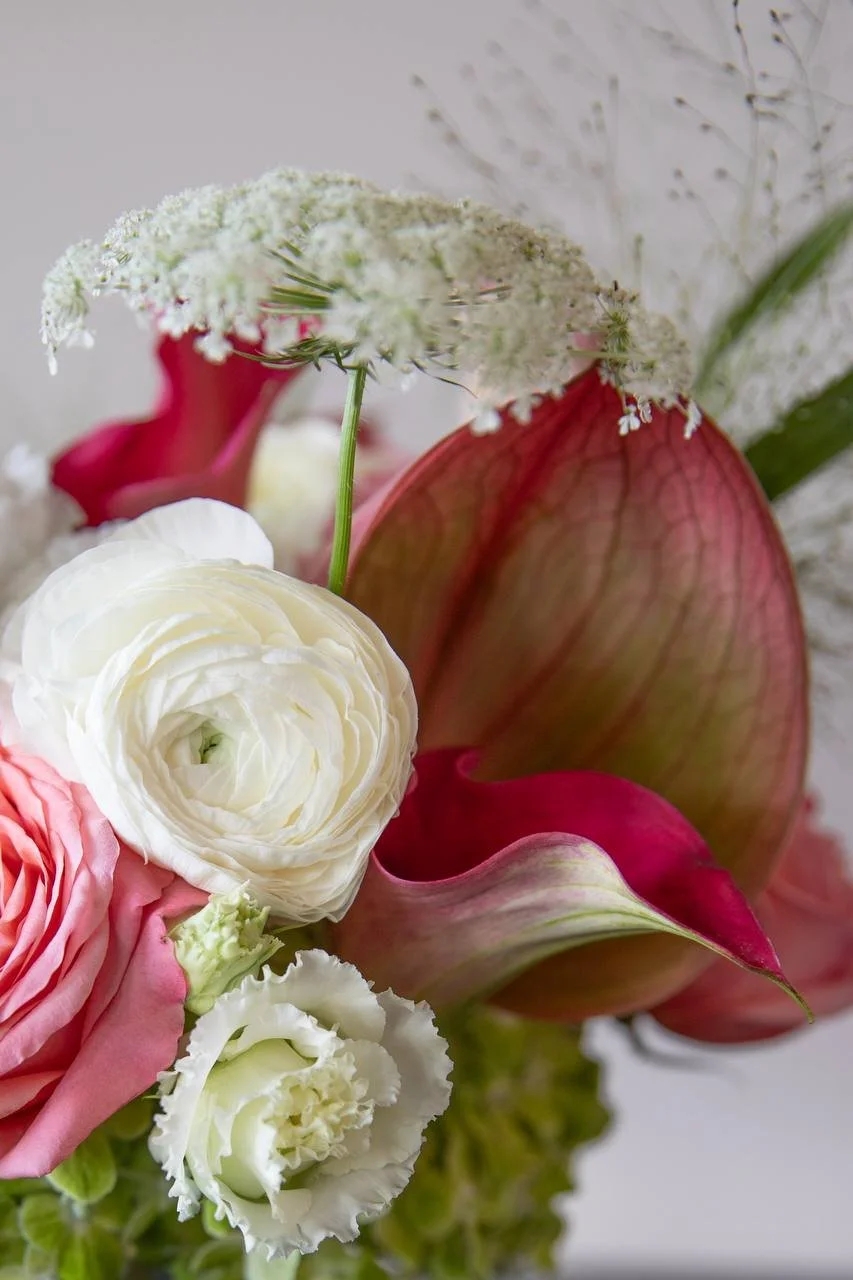
Creating that identity requires observation rather than strict rules. You need to notice how your rooms are used, which surfaces attract attention, how natural light changes throughout the day, and what kind of atmosphere makes you feel most at home. Once you understand those details, buying and arranging flowers becomes easier. You stop choosing individual bouquets in isolation and begin creating an ongoing floral story that feels personal, intentional, and unmistakably yours.
Why a Signature Floral Style Makes a Home Feel Personal
A signature floral style helps a home feel personal because it connects temporary natural materials with the permanent character of the interior. Furniture, rugs, artwork, and lighting may remain in place for years, while flowers change every few days or weeks. When those changing arrangements consistently reflect your taste, they become part of the home’s identity rather than decorative objects that merely happen to be present.
Consistency creates recognition. Guests may begin to associate your home with airy white tulips, branches arranged in handmade pottery, or small garden bouquets placed throughout the kitchen. They may not consciously analyze the design, but they recognize a pattern. That repetition makes the home memorable in the same way a familiar fragrance, color, or piece of music can define a place.
The style also creates emotional continuity for the people living there. A signature arrangement can become part of a weekly ritual: buying flowers on Saturday morning, trimming garden herbs for a kitchen vase, or moving a larger bouquet into several smaller containers as it ages. These habits make flowers part of daily life rather than something reserved for celebrations.
Personal floral style does not need to be luxurious. A home can develop a strong identity through inexpensive carnations in unusual colors, seasonal branches, grocery-store tulips, or foliage collected responsibly from a garden. The defining factor is intention. Repeated color relationships, vessel materials, and arrangement shapes create more visual impact than constantly purchasing expensive flowers without a plan.
A signature approach also reduces decision fatigue. Instead of standing in a flower shop wondering which of twenty bouquets might work, you already understand your preferences. You know that cool lavender and white suit your living room, that bright yellow belongs in the kitchen, or that large tropical leaves feel wrong beside your traditional furniture. Those decisions become almost instinctive.
Most importantly, a signature style makes the flowers feel connected to the people who live with them. The arrangements stop imitating magazine photographs and begin expressing real habits, memories, and preferences. That emotional connection is what turns attractive décor into a home.
Read the Existing Visual Language of Your Interior
Before selecting flowers, study what is already happening in your home. Every interior has a visual language, even when it was not professionally designed. The wall colors, furniture lines, fabrics, artwork, wood tones, metals, natural light, and amount of open space all communicate a particular mood. Flowers should enter that conversation rather than speaking over it.
Begin with architectural style. A traditional home with detailed moldings, antique furniture, and layered textiles may support garden roses, peonies, lilacs, hydrangeas, flowering branches, and loose foliage. A modern apartment with clean lines and large windows may look stronger with orchids, calla lilies, anthuriums, tulips, or a single sculptural branch. A relaxed coastal interior might suit pale blue delphinium, white lisianthus, grasses, and weathered ceramic vessels.
Look at the shapes already present. Rounded furniture and soft upholstery can support flowing, organic arrangements. Strong rectangular architecture may benefit from flowers that introduce curves and movement. Alternatively, you may prefer to reinforce the room’s structure with linear stems and minimal compositions. Both strategies can work; the important point is to make the choice deliberately.
Color deserves close attention. Identify the dominant neutral, supporting colors, and strongest accents in each room. A beige interior may contain warm yellow, pink, or gray undertones that affect how floral colors appear. Pure white flowers may look harsh beside warm cream walls, while ivory, peach, or pale caramel blooms may feel more natural.
Lighting changes everything. A north-facing room with cool light may need warm flowers to avoid feeling flat. A bright south-facing room can support subtle whites, pale greens, and soft pastels because natural light reveals delicate tonal differences. Evening lighting matters too. Flowers that look detailed in daylight may become an indistinct shadow beneath dim lamps.
Do not assume the flowers must match the room exactly. Contrast can be valuable. A dark, formal room may come alive with loose pale branches, while a minimalist white space may benefit from one saturated arrangement. Your task is to understand the room’s visual language first. Once you know what it is already saying, you can decide whether the flowers should agree, soften, or introduce a carefully controlled surprise.
Define the Mood You Want Your Flowers to Create
Flowers influence how a room feels, so a signature style should begin with emotion rather than a list of favorite varieties. Ask yourself how you want to feel when you enter the space. Calm? Energized? Welcomed? Inspired? Restored? The answer will shape the color, density, fragrance, scale, and movement of your arrangements.
Choose three descriptive words for your ideal floral atmosphere. A style described as quiet, natural, and refined might use cream flowers, soft greenery, simple vessels, and asymmetrical shapes. A mood that is joyful, colorful, and relaxed could include zinnias, tulips, cosmos, ranunculus, and playful bud vases. A home that should feel dramatic, artistic, and modern might favor orchids, anthuriums, branches, unusual foliage, and strong contrast.
These words create useful boundaries. When you see an attractive bouquet that does not support your chosen atmosphere, you can appreciate it without bringing it home. That discipline is what creates a recognizable style. Not every beautiful flower belongs in every interior.
Mood also depends on density. Tightly packed flowers feel formal, polished, and abundant. Looser arrangements with visible negative space feel natural and contemporary. A single branch can create stillness, while a full bowl of garden flowers produces warmth and generosity. Neither approach is inherently better. The right choice depends on the emotional response you want.
Movement matters too. Curving tulips, trailing vines, and delicate cosmos make a room feel relaxed and alive. Upright calla lilies, snapdragons, and architectural foliage introduce structure. Heavy rounded flowers can feel luxurious, while small scattered blossoms create lightness.
Consider the pace of your household. A busy family kitchen may need cheerful, sturdy arrangements that tolerate movement. A formal sitting room can support a more delicate display. A bedroom usually benefits from restraint, while an entryway can handle a stronger first impression.
Your signature floral style should support the life happening around it. Flowers are most effective when they do not simply look beautiful but make the room feel more like the kind of place you want to inhabit.
Build a Recognizable Floral Color Palette
Color is one of the easiest ways to make different floral arrangements feel related. A signature palette does not need to limit you to two shades forever. It provides a foundation that can expand and contract with the seasons while remaining recognizable.
Begin by choosing a dominant color family. This may be layered white and cream, blush and peach, lavender and blue, yellow and green, burgundy and plum, or a wide range of botanical greens. Next, select two or three supporting tones that create warmth, contrast, or depth. A cream-based palette might include pale yellow, apricot, and olive. A cool palette could combine lavender, gray-blue, white, and sage.
Include neutrals. Floral palettes become more sophisticated when bright or pastel colors are balanced with ivory, green, brown, gray, or deep foliage. These tones create visual resting points and help arrangements connect with furniture and architectural materials.
Signature Direction
Core Colors
Seasonal Variations
Overall Feeling
Soft Neutral
Ivory, cream, beige, olive
Butter yellow in spring, caramel in fall
Calm and timeless
Romantic Garden
Blush, peach, mauve, green
Coral in summer, plum in winter
Warm and expressive
Cool Botanical
White, lavender, blue, sage
Lilac in spring, silver in winter
Airy and refined
Bright Modern
Yellow, coral, pink, green
Tulips in spring, zinnias in summer
Energetic and playful
Moody Artistic
Burgundy, plum, rust, dark green
Deep dahlias in fall, branches in winter
Dramatic and sophisticated
Use the 70-20-10 idea as a flexible guide rather than a strict formula. Roughly seventy percent of the arrangement can come from the dominant color, twenty percent from a supporting shade, and ten percent from an accent. This balance prevents every bouquet from becoming an uncontrolled mixture.
Your palette can also change by room. The living room might use the full signature range, while the bedroom receives a quieter version and the kitchen uses brighter accents. The relationship between the rooms should remain visible through at least one repeated color.
Avoid chasing exact matches. Flowers naturally contain variations, undertones, and changing color as they open. Those imperfections create richness. A signature palette should feel like a family of related colors, not a paint chart demanding absolute precision.
Choose Flower Families That Reflect Your Personality
A recognizable floral style often develops around recurring flower families rather than one exact bloom. Flower families are groups of varieties that share a similar visual quality: ruffled garden flowers, sculptural tropicals, airy field blooms, architectural branches, or simple single-variety bunches. Choosing the families that feel most natural to you makes seasonal substitution easier.
If you love softness and romance, your signature group may include garden roses, ranunculus, peonies, lisianthus, sweet peas, and dahlias. These flowers have layered petals and create a sense of abundance. They work well in loose arrangements and footed bowls, especially when balanced with delicate foliage.
For a clean, contemporary style, consider orchids, calla lilies, anthuriums, tulips, alliums, and sculptural leaves. These varieties have strong silhouettes and need fewer supporting materials. One or two flowers may create enough visual impact when their shapes are clearly visible.
A natural, meadow-inspired style can feature cosmos, zinnias, chamomile, delphinium, snapdragons, herbs, grasses, scabiosa, and seasonal branches. These arrangements benefit from movement and varied heights. They should feel gathered but still edited, not like every available flower was placed in one vase.
Traditional preferences can be expressed without looking dated. Roses, hydrangeas, carnations, chrysanthemums, lilies, and tulips remain excellent flowers when chosen in nuanced colors and arranged with contemporary proportions. The flower itself is rarely the problem. The styling determines whether it feels personal or predictable.
Notice texture as well. Some people are drawn to smooth, polished petals, while others prefer ruffles, fuzzy seed heads, berries, or visible branches. Your tactile preferences can become part of your signature. A home filled with linen, wool, stone, and handmade pottery may naturally support more textured flowers than a sleek glass-and-metal interior.
Choose three or four flower families you can return to throughout the year. That does not mean excluding everything else. It gives you an anchor. When an unfamiliar flower appears at the market, you can ask whether its shape, texture, and personality belong with the visual world you have already created.
Develop Consistent Arrangement Shapes and Proportions
Shape is often more recognizable than flower variety. Two arrangements made with completely different seasonal blooms can still feel like part of the same home when they share a similar silhouette. Developing a few preferred shapes gives your floral style structure and makes arranging easier.
A low, asymmetrical bowl is one of the most versatile forms. It works on dining tables, coffee tables, consoles, and kitchen islands because it creates movement without blocking sightlines. The design may extend slightly farther on one side, with several flowers sitting close to the vessel and a few taller stems creating lift. This shape feels natural, polished, and adaptable.
Tall linear arrangements create a stronger architectural statement. Branches, delphinium, calla lilies, gladiolus, or long tulips can draw attention upward and work well in entryways or rooms with high ceilings. The vessel must be stable, and the arrangement should not extend into a walking path.
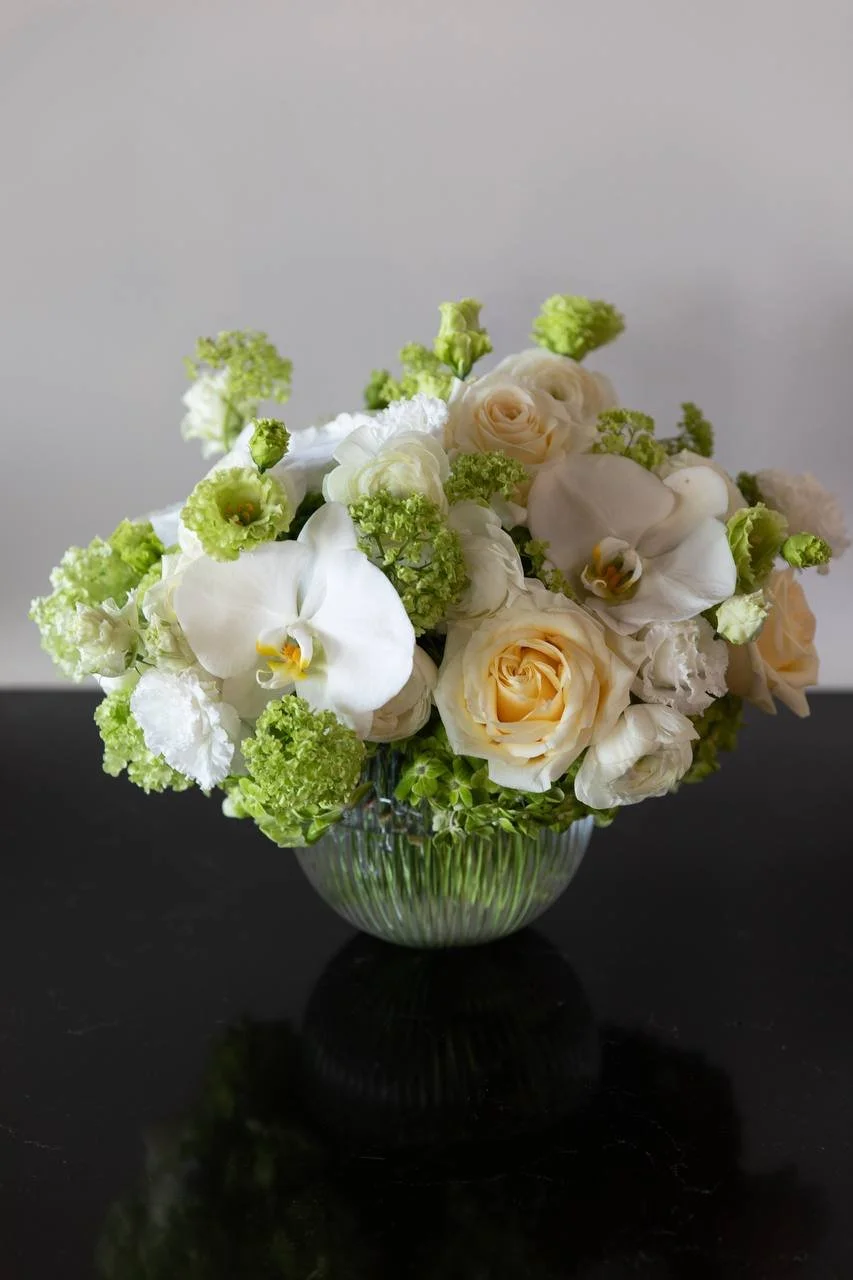
Single-variety bunches offer another recognizable signature. Twenty tulips, ten hydrangea stems, or a simple group of white lilies can look confident because repetition replaces complexity. This approach suits homes that favor minimalism and clean surfaces.
Bud-vase groupings create a lighter, collected style. Instead of one centerpiece, several small vessels hold individual stems or tiny combinations. The arrangement feels informal and works especially well on shelves, breakfast tables, and narrow surfaces.
Proportion should always respond to furniture. A floral design should generally feel related to the surface beneath it rather than floating as a tiny object or overwhelming the entire area. On a large round table, a broad low arrangement creates balance. A narrow console can support height but not excessive width. A small bedside table needs one or two stems rather than a full bouquet.
Repeat two or three shapes throughout the house. Perhaps your entryway always has a tall branch arrangement, while the dining room uses low bowls and the bedroom receives a single-variety vase. This repetition becomes part of the home’s rhythm. Guests may not identify the exact formula, but they sense that the flowers were arranged with the same eye.
Match Floral Designs to the Purpose of Each Room
A signature style should remain consistent, but each room needs a version adapted to its function. The flowers in a dining room must coexist with food and conversation, while an entry arrangement is designed to create a first impression. Treating every room the same produces visual repetition and practical problems.
The entryway can support one of the strongest arrangements in the home. Guests see it immediately, and it establishes the floral language for the rest of the space. Tall branches, orchids, seasonal foliage, or a generous arrangement in a stable vessel can work well. Leave enough surface area for keys, bags, and everyday movement.
Living rooms benefit from flowers that reward close viewing. Garden roses, tulips, ranunculus, peonies, lisianthus, or sculptural foliage can sit on a coffee table, mantel, or sideboard. Keep arrangements low near seating so they do not block conversation or television screens.
Dining-room flowers should remain restrained in height and fragrance. A low bowl, line of bud vases, or arrangement placed on a nearby console may work better than a large centerpiece. Guests need space for plates, glasses, and serving dishes. Strongly scented flowers can interfere with food and should be used carefully.
The kitchen can handle brighter, more casual materials. Herbs, tulips, zinnias, sunflowers, carnations, flowering branches, and market flowers often feel natural in this hardworking room. Vessels should be easy to clean, stable, and placed away from cooking heat.
Bedrooms usually need the quietest interpretation of your style. One or two flowers, a small bunch of sweet peas, or a simple vase of low-fragrance roses may be enough. Avoid strongly scented blooms near the bed, particularly if anyone is sensitive to fragrance.
Bathrooms can use a tiny vase, orchid plant, or sturdy foliage, but humidity and limited surfaces require careful placement. Home offices benefit from fresh green materials and compact arrangements that do not compete with equipment.
The signature comes from repeated palette, flower families, and vessels. The room-specific variation comes from scale, fragrance, and function. That balance keeps the home cohesive without making every space look identical.
Choose Vessels That Become Part of Your Signature
Vessels are the architecture of floral design. They determine the arrangement’s scale, shape, and level of formality before a single stem is added. A signature collection of containers can make inexpensive or widely available flowers look intentional because the vessels connect each arrangement to the broader style of the home.
Begin with materials that already appear in your interior. If your home contains warm wood, linen, and handmade ceramics, stoneware bowls and pottery vases may feel natural. A contemporary interior with glass, chrome, and polished surfaces may support clear cylinders, sculptural metal containers, or matte monochromatic ceramics. Traditional rooms can use footed compotes, antique silver, porcelain, or classic glass.
Choose a limited vessel palette. You might collect only white ceramic, clear glass, and aged brass, or perhaps your signature is dark pottery and smoky glass. Limiting the materials creates continuity even when the flower colors change dramatically.
The opening of the vessel affects the arrangement. Narrow-necked containers naturally support a smaller number of stems and make simple bouquets easier. Wide bowls require internal mechanics such as reusable wire grids, flower frogs, or pin holders. Tall cylinders create upright arrangements, while rounded bowls encourage a lower, spreading form.
Scale is important. Build a useful collection rather than buying containers only because they look attractive when empty. A balanced home floral wardrobe might include one tall entry vase, two medium everyday vessels, a low dining-table bowl, several bud vases, and one small bedside container.
Found objects can become part of the signature. Vintage pitchers, glass bottles, ceramic cups, and old jars may add personality, but they should share a visual connection. A random collection can look cluttered, while repeated color or material creates intention.
Protect furniture carefully. Every vessel should be tested for leaks and placed on a waterproof pad when used on wood, stone, or delicate surfaces. Stability is equally important in homes with pets or children.
When the vessels are recognizable, the flowers begin to feel like variations on a familiar theme. A few garden stems in your favorite ceramic bowl may communicate more personal style than a professionally arranged bouquet in a generic container.
Work With the Seasons Without Losing Your Identity
A signature floral style should change with the seasons because flowers are living agricultural materials. Trying to maintain the same exact arrangement all year can become expensive, visually repetitive, and disconnected from the environment outside. The goal is to preserve your underlying style while allowing the available flowers to evolve.
In spring, your signature palette might appear through tulips, ranunculus, anemones, narcissus, hellebores, lilacs, and flowering branches. A home known for warm neutrals could use cream tulips, pale yellow ranunculus, and fresh green branches. A cooler style might choose white anemones, lavender sweet peas, and gray-green foliage.
Summer brings greater abundance. Garden roses, peonies, cosmos, zinnias, delphinium, hydrangeas, snapdragons, herbs, and field flowers can create more generous arrangements. Maintain consistency by using familiar vessels and color relationships. Even a colorful summer bouquet will belong in the home when the shape and container follow your established language.
Fall introduces dahlias, chrysanthemums, berries, seed heads, grasses, garden roses, and textured foliage. You do not need to abandon a pale palette for bright orange. Cream, mauve, caramel, plum, olive, and muted rust can express the season while remaining sophisticated.
Winter often benefits from greater structure. Orchids, amaryllis, anemones, ranunculus, tulips, hellebores, evergreen accents, and bare branches create strong forms during a quieter growing period. A signature romantic style might become more restrained, while a modern style can lean into sculptural branches and monochromatic flowers.
Keep two elements stable while changing the third. For example, maintain the same palette and vessel style while changing flower varieties. Alternatively, keep the flower family and arrangement shape consistent while shifting colors with the season. This framework preserves identity without preventing experimentation.
Seasonal limitation can strengthen creativity. When a favorite flower is unavailable, you are encouraged to find another bloom with a similar shape or emotional quality. Over time, your style becomes more flexible and confident. It is no longer dependent on one flower. It becomes a set of principles that can respond beautifully to any season.
Balance Fragrance With Comfort and Function
Fragrance can become a powerful part of a signature floral style, but it needs careful control. A home associated with fresh garden roses, lilacs, lavender, or herbs can feel memorable and welcoming. The same flowers can become uncomfortable when used in excessive quantities or placed in the wrong room.
Begin by deciding whether fragrance is central to your style or simply an occasional accent. Some people naturally love strongly scented flowers and connect them with memories, seasons, or family traditions. Others prefer flowers primarily for color and form. Neither approach is more sophisticated.
If fragrance matters, choose one dominant scent at a time. A room filled with lilies, garden roses, stock, jasmine, and scented candles may become overwhelming. One fragrant variety mixed with low-scent flowers creates greater balance. Garden roses can be combined with tulips and ranunculus. Lilacs can be displayed with unscented foliage. Herbs can provide a green fragrance without requiring strongly perfumed blooms.
Placement controls intensity. Fragrant flowers work well in entryways, where guests experience them briefly, or near open windows where air can circulate. Dining tables need restraint because scent can interfere with food. Bedrooms should use only small amounts, especially near the bed. Bathrooms may intensify fragrance through warmth and humidity.
Consider every person and animal in the household. Some guests may experience headaches or irritation from strong floral scent. Many common plants can also be harmful to pets if eaten, and lilies are especially dangerous for cats. Verify unfamiliar varieties before bringing them into a pet-friendly home, keep vase water out of reach, and remove fallen petals promptly.
Low-fragrance flowers such as tulips, ranunculus, many orchids, anemones, dahlias, and hydrangeas can create beautiful arrangements without noticeably changing the room’s scent. They are useful in dining areas, offices, and guest rooms.
Fragrance should support the room rather than dominate it. The most elegant floral scent is often discovered gradually. Someone enters, notices that the space feels fresh, and only later identifies the flowers responsible for that impression.
Create Recurring Floral Placement Rituals
A signature style becomes stronger when flowers appear in consistent locations. These recurring placements create visual rituals that help the home feel organized and cared for. The exact blooms may change, but the habit of seeing flowers in particular places becomes part of daily life.
Choose three priority zones. The entryway, dining table, and kitchen island are common choices because they influence how the home is experienced. You might prefer the living-room mantel, bedside table, and home-office desk. The best locations are surfaces you regularly see and use, not forgotten corners decorated only for guests.
Give each location a specific floral role. The entryway can hold the boldest seasonal statement. The kitchen may receive a casual market bouquet or herbs. The bedroom could have one quiet stem. When each placement has a purpose, shopping becomes easier because you know what size and style you need.
Weekly rituals make the process sustainable. You might purchase flowers every Friday, trim garden stems on Sunday morning, or divide one larger bouquet after several days. As flowers age, move the strongest remaining stems into smaller vessels. A large living-room arrangement can become a kitchen bouquet, then a few bedside flowers, and finally one bloom in the bathroom. This gradual reduction extends the life of the flowers while maintaining a fresh appearance.
Cleaning should be part of the ritual. Wash vessels between uses, refresh water regularly, and remove aging stems before they affect the rest of the arrangement. A recognizable floral style depends on freshness. Wilted flowers communicate neglect no matter how beautifully they were originally designed.
You can also create seasonal placement traditions. Flowering branches may always appear in the entryway during spring. Summer herbs might live on the kitchen table. Autumn dahlias could fill the dining-room bowl, while winter orchids occupy the living-room console.
Ritual does not mean obligation. Skip a week when life becomes busy, use foliage instead of flowers, or display one branch rather than a full arrangement. The purpose is to make flowers part of the home’s natural rhythm. Consistent placement creates familiarity, while changing materials keep that familiarity alive.
Mix Florist Flowers, Market Finds, and Garden Stems
A signature floral style does not depend on purchasing every arrangement from the same source. In fact, mixing professionally sourced flowers, farmers’ market finds, grocery-store bunches, and garden material can create greater personality. The key is editing everything through your established palette and arrangement language.
Florists offer access to specialty varieties, expert conditioning, and customized design. They are especially useful when you want unusual orchids, garden roses, seasonal branches, or a larger statement arrangement. A florist can also help identify durable flowers and recommend substitutions when a favorite variety is unavailable.
Farmers’ markets provide seasonal character. Locally grown zinnias, dahlias, cosmos, tulips, herbs, snapdragons, and branches often have natural movement and interesting variations. Their shapes may feel less standardized, which can give home arrangements a relaxed, expressive quality.
Grocery-store flowers are valuable for reliable everyday color. Instead of buying a preassembled mixed bouquet, select separate bunches that fit your palette. Ten white tulips, a group of peach carnations, or several hydrangea stems can look sophisticated when arranged simply. Remove plastic wrapping, clean the stems, and avoid using every included filler automatically.
Garden material introduces a direct connection to the home. Herbs, foliage, flowering branches, roses, seed heads, and seasonal blossoms can make an arrangement feel deeply personal. Harvest responsibly, use clean tools, and avoid protected or unfamiliar plants. Inspect stems for insects and confirm that they are safe around pets and children.
The strongest mixed-source arrangements repeat a limited number of materials. Begin with a focal flower from a florist or market, add reliable supporting flowers from the grocery store, then introduce garden foliage or branches for movement. The final result should not reveal where each stem came from. It should feel like one coherent composition.
Budget and availability will change, but your signature principles remain stable. Whether the arrangement contains rare orchids or simple carnations, the palette, shape, and vessel can still make it unmistakably part of your home.
Maintain Your Style Through Care and Thoughtful Spending
A signature floral style only feels luxurious when the flowers are healthy, the water is clean, and the arrangements suit the household budget. Care and financial planning are not separate from design. They are what allow the style to remain consistent rather than appearing only during special occasions.
Begin with clean vessels and sharp tools. Bacteria shortens vase life, so wash containers thoroughly between arrangements. Remove leaves that would sit below the waterline, recut stems, and place flowers in fresh water immediately. Refresh the water every day or two, especially in small bud vases that hold limited amounts.
Keep arrangements away from direct sunlight, heating vents, cooking areas, and ripening fruit. Heat accelerates aging, while fruit releases natural gases that can shorten flower life. Remove declining stems before they affect the rest of the bouquet. As the arrangement becomes smaller, transfer the remaining flowers into a more appropriately scaled vessel.
Plan spending around impact. One strong arrangement in a room you use every day may provide more pleasure than several small bouquets scattered in rarely noticed spaces. Use premium flowers selectively, then support them with seasonal or affordable varieties. A few garden roses can elevate a larger arrangement of carnations, tulips, or chrysanthemums.
Create a monthly flower budget instead of making random impulse purchases. Decide whether the money will support weekly market flowers, one professional arrangement, a subscription, or a mix of sources. Consistency matters more than occasional extravagance.
Invest in vessels and tools gradually. A useful container can serve for years, while a poorly chosen decorative vase may remain empty because it is difficult to arrange in. Floral snips, stable containers, reusable mechanics, and protective pads improve both design and care.
Accept natural variation. Not every arrangement will last the same number of days, and some flowers will open differently than expected. That unpredictability is part of working with living materials.
A sustainable signature style should fit easily into your routine and finances. It should bring pleasure rather than pressure. When care, budget, and visual identity support one another, fresh flowers can become a dependable part of the home instead of an occasional luxury.
Conclusion
Creating a signature floral style for your home is not about discovering one perfect bouquet and repeating it forever. It is about developing a clear set of preferences that guide every arrangement. Color, shape, vessel, scale, fragrance, placement, and season all contribute to the identity.
Begin with the home itself. Study the architecture, furniture, lighting, materials, and way each room is used. Flowers should feel connected to those details, whether they reinforce the interior’s mood or introduce a controlled contrast. Define the emotional experience you want, then choose descriptive words that keep the style focused.
Build a flexible palette rather than chasing exact colors. Select several flower families that reflect your personality, and return to a few arrangement shapes that work with your furniture. A recognizable low bowl, tall branch design, or collection of bud vases can unite completely different seasonal flowers.
Use vessels as part of the design language. A collection of ceramic bowls, clear glass, vintage silver, or dark pottery can make the arrangements feel related throughout the year. Adapt each design to the room’s function, keeping dining flowers low, bedroom flowers restrained, and entry arrangements strong enough to create a first impression.
Seasonality should refresh the style, not erase it. Spring tulips, summer garden flowers, autumn dahlias, and winter branches can all belong to the same home when their palette and proportions follow your underlying principles.
Care and budget complete the system. Fresh water, clean vessels, thoughtful placement, and realistic spending keep flowers beautiful and prevent the ritual from becoming stressful.
The most convincing signature style will not look like a formula copied from a magazine. It will carry evidence of your habits, memories, favorite colors, garden, travels, and personality. Over time, the flowers become part of how the home is recognized. They change constantly, yet the feeling they create remains unmistakably yours.