How Seasonal Transitions Influence Flower Choices in Norwalk, CT
Seasonal transitions have a huge impact on flower choices in Norwalk, CT, because flowers are not just about what looks pretty in a vase. They are about timing, mood, weather, light, setting, and the feeling people want to create in a home or event. A soft spring arrangement does not hit the same way in late October. A deep burgundy fall centerpiece might feel way too heavy for a breezy summer dinner by the water. That is the whole point: seasonal floral design works best when it actually respects the season instead of fighting it.
Norwalk has a special kind of floral rhythm. You get real New England seasons, coastal influence, changing light, humid summers, crisp fall evenings, chilly winters, and that fresh spring energy everyone craves after months of gray. Each season brings a different vibe, and the best flower choices reflect that. Spring wants softness and movement. Summer wants abundance and freshness. Fall wants texture and warmth. Winter wants structure, depth, and calm elegance. When flowers follow that natural rhythm, arrangements feel more authentic and way more stylish.
This is why more Norwalk homeowners, hosts, couples, and event planners are leaning into seasonal flower choices. It is not just about availability, although that matters too. It is about creating florals that feel connected to the moment. Seasonal flowers tend to look more intentional, last better when chosen properly, and create a stronger atmosphere. They do not feel forced. They feel like they belong. And honestly, that is where the magic is. The right seasonal flowers can make a room feel fresh, a wedding feel timeless, or a dinner table feel like someone actually cared about the details.
Why Seasonality Matters in Norwalk Floral Design
Seasonality matters because flowers are living materials, not plastic decorations you can plug into any month and expect the same result. A bloom that feels perfect in May may look totally out of place in November. A winter arrangement that feels dramatic and cozy could feel too dark for July. When floral design follows the season, the whole arrangement feels more grounded. It looks like it belongs to the room, the weather, the light, and the occasion. That kind of harmony is what makes flowers feel expensive and tasteful, even when the arrangement itself is not oversized.
In Norwalk, this seasonal awareness matters even more because the environment changes so clearly throughout the year. Spring brings soft light and fresh growth. Summer brings long days, coastal humidity, outdoor gatherings, and more relaxed entertaining. Fall brings golden light, richer interiors, harvest textures, and cozy energy. Winter brings shorter days, holiday gatherings, deeper palettes, and a need for warmth inside the home. A florist who understands these shifts can design arrangements that feel connected to real life, not just copied from a random inspiration photo.
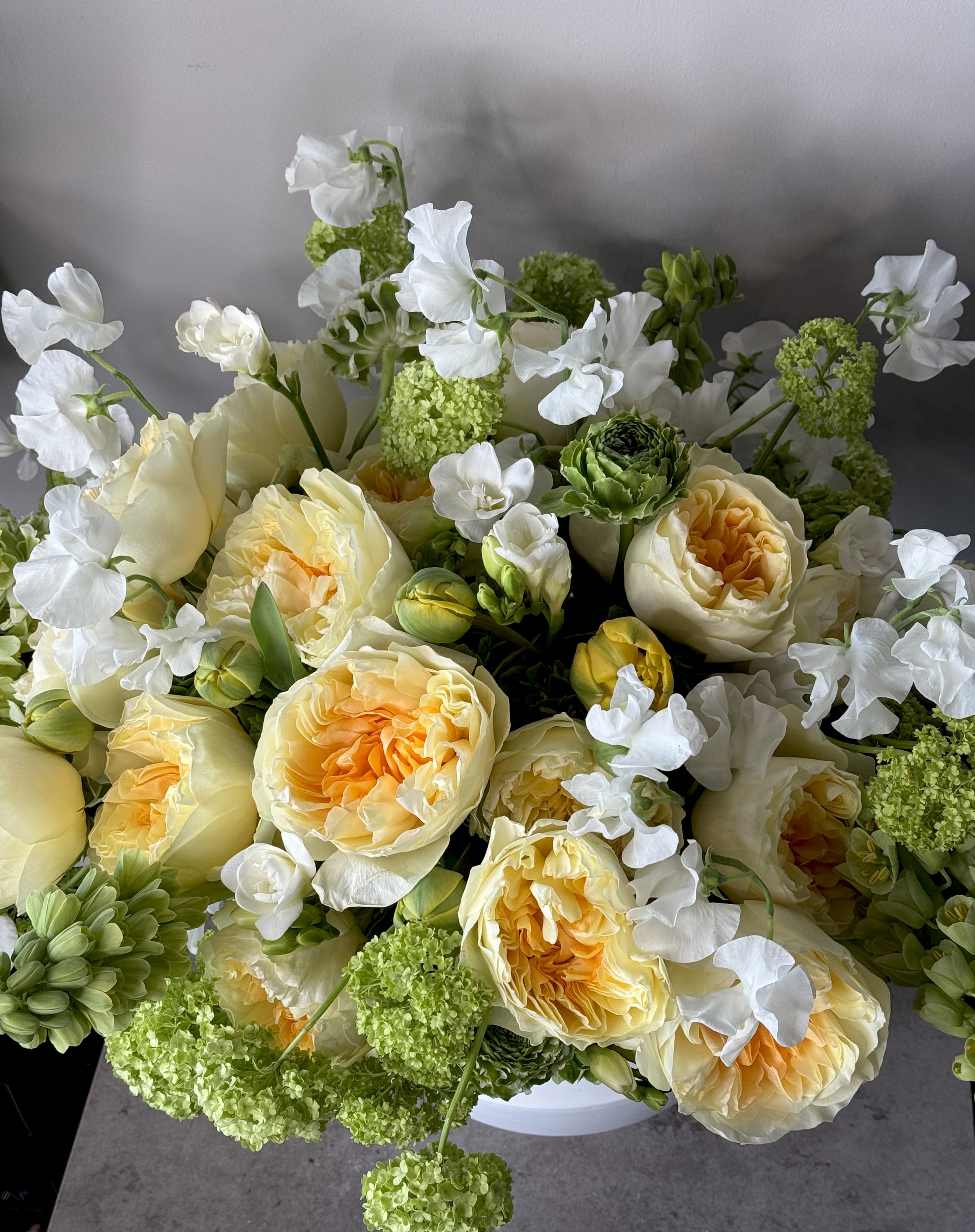
Seasonality also helps clients make smarter choices. Instead of demanding one specific flower that may be expensive, fragile, or unavailable at the wrong time, clients can focus on the feeling they want. Do they want fresh and airy? Warm and romantic? Clean and modern? Moody and dramatic? Once the mood is clear, seasonal flowers can create that feeling in a way that looks natural. That is why seasonal design is not limiting. It is actually freeing. It gives the arrangement a better starting point.
Local Weather, Coastal Light, and Mood All Play a Role
Norwalk’s coastal setting influences floral choices more than people realize. The light near the water can make soft colors look gorgeous, especially whites, creams, pale pinks, sandy neutrals, muted greens, and soft blues. In spring and summer, these tones can feel airy and natural. But as the light changes in fall and winter, deeper colors often feel more grounded. Burgundy, plum, rust, copper, forest green, chocolate, and warm ivory can suddenly look incredible because they match the richer mood of the season.
Weather also affects practical choices. Summer heat and humidity can be tough on delicate flowers, especially for outdoor events. Florals used outside in July need to be chosen carefully so they do not wilt before guests even find their seats. Spring can be unpredictable, with cool mornings and warmer afternoons. Fall is usually friendlier for many designs, but outdoor events still need flowers that can handle temperature swings. Winter brings its own challenges, especially with transport, indoor heating, and dryness. Good seasonal design is not just pretty. It is practical.
Mood is the final piece. People feel differently in each season. In spring, they want renewal. In summer, they want ease. In fall, they want warmth. In winter, they want comfort and elegance. Flowers can support those feelings beautifully. That is why seasonal transitions are so important. They give floral design emotional direction. The arrangement does not just sit there. It speaks the language of the season.
Seasonal Flowers Feel More Natural and Elevated
Seasonal flowers usually feel more elevated because they do not look forced. There is something effortlessly stylish about flowers that belong to the time of year. A spring arrangement with tulips, ranunculus, sweet peas, and flowering branches feels alive because it reflects what people are already seeing and feeling outside. A fall arrangement with dahlias, mums, grasses, berries, and textured foliage feels rich because it matches the season’s warmth. The design feels less like decoration and more like atmosphere.
This natural feeling is especially important in Norwalk homes and events, where many people want florals that feel refined but not stiff. Seasonal arrangements often have a looseness and authenticity that works beautifully with coastal and Connecticut interiors. They can feel polished without looking overworked. That balance is a big deal. Nobody wants flowers that look like they are trying too hard.
Seasonality can also improve value. When flowers are in season, they may be fresher, more available, and better suited to the climate. That does not always mean cheaper, but it often means smarter. Instead of spending extra money forcing a flower that is not at its best, clients can invest in flowers that naturally look beautiful at that moment. That is how seasonal design creates a higher-end result without unnecessary drama.
Spring Flowers: Fresh, Soft, and Full of Renewal
Spring in Norwalk has that “finally, we made it” energy. After winter, people want freshness, lightness, and color that feels hopeful without being too loud. Spring flower choices often lean soft, airy, and delicate. This is the season for blooms that look like they are waking up. Flowering branches, tulips, hyacinths, ranunculus, anemones, lilacs, sweet peas, hellebores, daffodils, and early garden roses can all create that fresh spring mood when used well.
Spring arrangements often work beautifully in homes because they bring the outdoors inside. A vase of flowering branches in an entryway can instantly make the space feel brighter. Soft tulips on a kitchen island can make the whole room feel lighter. A low spring centerpiece with delicate blooms can make a brunch or dinner feel relaxed and charming. Spring flowers do not always need to be huge. Their beauty often comes from movement, softness, and that slightly wild feeling of new growth.
For events, spring florals can feel romantic without being heavy. They are perfect for showers, weddings, garden parties, Easter gatherings, and early-season celebrations. The key is not to make spring too sugary. Too much pastel without texture can feel flat. The best spring designs mix soft color with fresh greens, branches, and interesting shapes. That gives the arrangement depth and keeps it from looking like a candy display. Spring should feel fresh, not childish.
Best Spring Colors, Textures, and Floral Choices
Spring colors in Norwalk often work best when they feel soft but alive. Think blush, cream, pale yellow, lavender, soft peach, fresh green, white, and touches of blue or mauve. These colors work beautifully with the coastal light and the early-season freshness of Connecticut. But spring does not have to be only pastel. A touch of deeper plum, raspberry, or warm coral can add just enough contrast to make the design feel modern.
Texture is what keeps spring florals interesting. Delicate petals, budding branches, soft greenery, and airy blooms create a sense of movement. Tulips bring graceful lines. Ranunculus adds layered softness. Sweet peas add delicate romance. Lilacs bring scent and nostalgia. Flowering branches add height and seasonal drama. Hellebores bring a slightly moody elegance that keeps spring from feeling too sweet. When these textures work together, the arrangement feels fresh and elevated.
Spring is also a great time to let flowers breathe. Not every arrangement needs to be packed tight. A few branches with blooms, a loose vase of tulips, or a garden-style centerpiece with negative space can feel incredibly chic. The goal is to capture that feeling of growth and openness. Spring flowers should not feel trapped. They should feel like they are reaching toward the light.
Summer Flowers: Bright, Abundant, and Easygoing
Summer florals in Norwalk are all about abundance, color, and easygoing beauty. This is the season of outdoor dinners, waterfront gatherings, backyard parties, weddings, and casual hosting that still wants to look pulled together. Summer flowers can handle more brightness and fullness than spring arrangements. Sunflowers, zinnias, cosmos, hydrangeas, lisianthus, dahlias, garden roses, snapdragons, delphinium, scabiosa, and seasonal greenery can all create that lush summer feeling.
Because Norwalk has a coastal summer mood, many floral designs lean relaxed and breezy. White and green arrangements feel crisp and timeless. Soft blues and creams can echo the water without being too obvious. Peach, coral, yellow, and pink can bring joyful warmth. For evening events, deeper summer tones like berry, plum, and wine can add sophistication. Summer gives designers a lot of room to play, but the best arrangements still need control. Too many colors with no plan can get chaotic fast.
Summer also requires practical thinking. Heat and humidity matter. Outdoor arrangements need flowers that can hold up, especially during long events. Hydrangeas are beautiful but can be thirsty and dramatic in the heat, so they need proper handling. Delicate flowers may need shade, water sources, or careful timing. A good summer floral plan is not just about what looks great at setup. It is about what still looks good when guests arrive.
How Summer Florals Fit Norwalk Homes and Events
In Norwalk homes, summer flowers can make interiors feel lighter and more welcoming. A coastal home might look beautiful with white hydrangeas, soft greenery, and textured grasses. A modern kitchen might call for a clean arrangement of bright seasonal blooms. A backyard dinner might need low, colorful centerpieces that feel casual but intentional. Summer flowers should feel fresh and comfortable, not stiff.
For events, summer is the season where florals often become part of the whole experience. Outdoor ceremonies, tented receptions, garden parties, and waterfront dinners all benefit from flowers that move naturally in the setting. Loose arrangements, airy installations, and seasonal centerpieces can make an event feel relaxed but still elevated. The best summer florals do not fight the environment. They work with it.
Summer is also a great time for bold personality. Clients can lean into bright colors, playful textures, and abundant shapes if the event calls for it. But there is a difference between joyful and messy. Strong summer design still needs a clear palette and thoughtful placement. A good rule of thumb: let summer feel generous, but do not let it become a floral food fight. Keep the vibe fresh, not frantic.
Fall Flowers: Warm, Textural, and Rich With Personality
Fall in Norwalk is basically floral design’s cozy season. The light gets warmer, the air gets crisper, interiors start feeling richer, and people naturally want flowers with more depth. Fall arrangements often include dahlias, chrysanthemums, roses, amaranthus, celosia, berries, grasses, branches, dried textures, autumn foliage, and deeper greenery. This is the season where texture really gets to show off.
Fall palettes can be gorgeous when they move beyond basic orange. Rust, copper, caramel, burgundy, plum, mauve, mustard, chocolate, cream, olive, and deep green can create a warm and sophisticated look. Even softer fall palettes can feel beautiful with dusty rose, antique peach, taupe, and muted lavender. The best fall florals feel layered, not themed. They should not look like someone dumped a pumpkin patch onto the table unless that is very intentionally the vibe.
This season works especially well for Norwalk homes because fall flowers make rooms feel grounded and welcoming. A textured arrangement in an entryway can set a cozy tone. A low fall centerpiece can make a dinner table feel intimate. Branches and seasonal foliage can create height and drama without needing tons of blooms. Fall floral design is often less about perfect flowers and more about richness, shape, and atmosphere.
Why Autumn Arrangements Feel So Good in Connecticut
Autumn arrangements feel so good in Connecticut because they match the world outside. The trees change, the light shifts, and people naturally start craving warmth. Flowers that reflect that seasonal change feel emotionally right. They create the same feeling as a good sweater, warm lighting, and a slow dinner with people you actually like. Fall florals bring comfort and depth into the room.
The textures of fall are also incredibly satisfying. Dried grasses, seed pods, berries, branches, ruffled dahlias, trailing amaranthus, and layered foliage create arrangements with movement and personality. These designs do not have to be perfectly symmetrical. In fact, fall often looks best when it feels a little organic and untamed. That natural looseness gives arrangements charm and drama.
For events, fall is a dream season because flowers can feel romantic, moody, elegant, or rustic depending on the design. A fall wedding can go soft and antique, deep and dramatic, or warm and natural. A private dinner can feel intimate with low arrangements and candlelight. A corporate gathering can use structured fall florals for polish. Autumn gives designers so many options, and when the design is seasonal, it rarely feels forced.
Winter Flowers: Sculptural, Cozy, and Quietly Elegant
Winter floral design in Norwalk has a different kind of beauty. It is less about abundance and more about structure, contrast, and atmosphere. Winter arrangements often use evergreens, branches, amaryllis, paperwhites, anemones, hellebores, roses, orchids, berries, dried elements, moss, pinecones, and deep seasonal foliage. The mood can be cozy, elegant, dramatic, or clean and minimal depending on the setting.
Winter colors do not have to be limited to red and green. Those can be beautiful, but there is so much more to work with. White, cream, forest green, charcoal, burgundy, plum, bronze, gold, deep brown, icy blue, and soft gray can all feel seasonal. A winter arrangement can be crisp and modern with whites and greens, or rich and moody with deep tones and textured branches. The best winter florals feel intentional, not default holiday.
Homes in Norwalk often benefit from winter florals because indoor spaces need warmth during the colder months. A sculptural branch arrangement in an entryway can create drama. Evergreens on a mantel can make a living room feel cozy. A deep floral centerpiece can make a winter dinner feel intimate. Winter flowers bring life into a season when the outside world can feel bare. That contrast is part of the beauty.
Using Branches, Evergreens, and Deep Seasonal Tones
Branches are one of the strongest tools in winter floral design. They add height, shape, and drama without needing tons of blooms. Bare branches can feel modern and sculptural. Evergreen branches can feel classic and cozy. Flowering branches, when available, can hint at the coming spring. In Norwalk homes, branches work especially well in entryways, large living spaces, and formal dining areas because they create impact without feeling cluttered.
Evergreens are also incredibly useful, but they need to be handled with taste. Too much evergreen can feel heavy or overly holiday-specific. Used well, it adds scent, texture, and depth. Mixed with white flowers, berries, dried elements, or metallic-toned vessels, evergreens can feel elevated and seasonal without becoming cheesy. The goal is winter elegance, not “storage room holiday box exploded.”
Deep tones bring warmth to winter arrangements. Burgundy, plum, chocolate, and forest green can make a table feel intimate and rich. White and cream can brighten darker interiors. A little bronze or gold can add glow. Winter florals often work best when they balance darkness with light. That balance creates atmosphere — cozy but not gloomy, elegant but not cold.
How Seasonal Transitions Affect Weddings and Events
Seasonal transitions have a major impact on weddings and events because the flowers help set the tone for the entire experience. A spring wedding naturally wants a different floral story than a late fall dinner or winter celebration. When flowers align with the season, the event feels more cohesive. The decor, weather, lighting, menu, clothing, and flowers all start speaking the same language. That is when an event feels truly polished.
For weddings, seasonal flowers can also make the design feel more timeless. Instead of chasing a trend that may look dated later, seasonal design creates a connection to the actual time and place of the wedding. A May wedding with soft spring blooms feels fresh forever. A September wedding with dahlias and warm transitional tones feels rooted in its season. A December wedding with sculptural whites, evergreens, and candlelight feels naturally elegant.
Events in Norwalk often benefit from seasonal planning because many gatherings are tied to the local environment. Waterfront summer events, autumn dinners, spring showers, and winter celebrations all have distinct moods. The best floral choices support those moods instead of ignoring them. This makes the event feel less generic and more memorable.
The Best Floral Choices Match the Moment
The best floral choices are not just beautiful. They match the moment. A light spring brunch might need airy arrangements and soft colors. A summer waterfront wedding might need relaxed blooms that can handle the weather. A fall anniversary dinner might need warm, low centerpieces with rich texture. A winter corporate event might need clean, structured florals that feel polished and calm. The occasion should shape the design.
This is where communication matters. Clients do not need to know every seasonal flower. They need to explain the feeling they want and trust the designer to translate it. Words like romantic, modern, cozy, dramatic, soft, coastal, elegant, relaxed, or organic can guide the floral choices. From there, the season helps narrow down what will look and feel best.
Matching the moment also means thinking about guest experience. Tall arrangements can be great for entrances but annoying on dinner tables. Fragrant flowers can be lovely in a foyer but overwhelming near food. Delicate flowers may be beautiful indoors but risky in outdoor summer heat. The right flower is not just the one that looks good in a photo. It is the one that performs well in the actual moment.
How Norwalk Residents Can Choose Seasonal Flowers
Norwalk residents can choose seasonal flowers more confidently by starting with mood, season, and setting. Instead of asking, “What flower should I get?” start with, “What do I want this space or event to feel like?” That question leads to better choices. A cozy fall dinner needs different flowers than a fresh spring entryway. A summer backyard party needs a different arrangement than a winter formal gathering. Mood first, flowers second. That is the move.
Next, think about where the flowers will live. A kitchen arrangement should be practical. A dining centerpiece should be low enough for conversation. An entry arrangement can be taller and more dramatic. Event flowers need to handle the room size, lighting, weather, and timeline. The more specific you are about the setting, the easier it is to choose flowers that actually work. Pretty flowers in the wrong place can still feel awkward.
Finally, stay open to seasonal substitutions. Sometimes the flower you imagined is not the best option for the date, weather, or budget. That does not mean the design has to suffer. A skilled floral designer can create the same feeling with different blooms. If you want soft romance, there are many ways to get there. If you want bold drama, there are options in every season. Flexibility often leads to better, fresher, more natural-looking arrangements.
Conclusion
Seasonal transitions strongly influence flower choices in Norwalk, CT because each season brings its own light, weather, mood, and natural beauty. Spring calls for freshness and softness. Summer brings color, abundance, and relaxed energy. Fall adds warmth, texture, and depth. Winter leans into structure, contrast, evergreens, branches, and quiet elegance. When flowers follow these seasonal shifts, they feel more authentic and more elevated.
For Norwalk homes and events, seasonal floral design is not just about availability. It is about atmosphere. The right flowers can make a home feel refreshed, a dinner feel intimate, a wedding feel timeless, or a winter gathering feel cozy and polished. Seasonal choices help flowers belong to the moment, which makes the whole design feel more thoughtful.
The best approach is simple: choose the mood first, respect the season, and let the flowers support the space. When floral design works with Norwalk’s natural rhythm instead of against it, the result feels effortless, personal, and beautifully alive.