The Emotional Value of Flowers in Everyday Life in Norwalk
Flowers have this funny little superpower: they can change the way a day feels without making a big scene. You can walk into a kitchen with a messy counter, half-finished coffee, and a to-do list that looks mildly threatening, then see a small vase of fresh blooms and suddenly the whole space feels softer. That is the emotional value of flowers in everyday life. They do not need to be dramatic or expensive to matter. Sometimes a few seasonal stems on a table can say, “Hey, slow down. This moment is worth noticing.”
In Norwalk, CT, flowers fit naturally into daily life because the city has so much texture. There is coastal light, changing New England seasons, family homes, apartments, waterfront views, backyard gatherings, neighborhood routines, and that mix of relaxed and polished living that makes the area feel personal. Flowers work beautifully in that setting because they bring the outside world indoors. They remind people of spring after a long winter, summer dinners by the water, fall warmth, and quiet winter comfort. They are not just decor. They are emotional anchors.
The best part is that flowers do not only belong at weddings, birthdays, anniversaries, or big events. They belong in regular Tuesdays too. They belong on kitchen islands, bedside tables, entry consoles, desks, dining tables, and anywhere life happens. They help people celebrate, heal, remember, apologize, reconnect, and breathe a little easier. That may sound simple, but honestly, simple things are often the ones that stick. Flowers are not just pretty. They are emotional design for real life.
Why Flowers Hit Different in Everyday Life
Flowers hit different because they are alive. That matters. A painting can be beautiful, a candle can smell good, and a throw pillow can pull a room together, but flowers bring something temporary and tender into a space. They bloom, open, shift, fade, and remind us that beauty does not have to last forever to be worth having. That little reminder can feel surprisingly grounding, especially when life gets noisy.
In everyday life, flowers create a pause. They interrupt the autopilot mode most people live in. You walk past them and notice color, scent, texture, or light hitting a petal. For one second, your brain stops doom-scrolling through responsibilities. That tiny pause is valuable. It gives the home a little emotional breathing room. And in a place like Norwalk, where people balance work, family, commuting, hosting, and coastal living, those small moments of beauty can feel like a reset button.
Flowers also carry emotional meaning without needing a full explanation. A bright arrangement can lift a room. Soft white blooms can feel peaceful. A wild seasonal bouquet can feel joyful and casual. Deep-toned flowers can feel intimate and thoughtful. People respond to these moods instinctively. They may not say, “Ah yes, the floral texture is emotionally regulating my nervous system,” because that would be a bit much. But they feel it. Flowers shift the vibe before anyone has to analyze it.
Flowers Turn Ordinary Moments Into Little Rituals
Everyday flowers can turn normal routines into small rituals. Making coffee feels different when there are fresh tulips on the counter. A dinner at home feels more intentional when there is a low arrangement in the center of the table. Coming home after a long day feels softer when the entryway has seasonal branches or a simple vase of flowers waiting there. These are not huge life-changing moments, but they are the kind of small upgrades that make daily life feel more cared for.
That is why flowers are so emotionally useful in homes. They create signals. A vase on the dining table signals gathering. Flowers near the bed signal rest. A fresh arrangement in the entryway signals welcome. A small bouquet on a desk signals focus and calm. These signals matter because home is not just where people sleep and store their stuff. Home is where people recover from the world. Flowers help make that recovery feel a little more beautiful.
In Norwalk homes, this can feel especially natural because the seasons already invite ritual. Spring flowers can mark a fresh start. Summer blooms can match easygoing weekends. Fall arrangements can make the house feel cozy. Winter greens and sculptural stems can bring life into colder months. When flowers become part of the rhythm of the home, they stop feeling like a luxury extra and start feeling like a simple emotional habit.
They Say What People Sometimes Cannot
Flowers are powerful because they can say things people struggle to put into words. When someone is grieving, flowers can say, “I am here with you.” When someone is celebrating, they can say, “This moment deserves joy.” When someone is overwhelmed, flowers can say, “You are thought of.” When someone is loved, flowers can say, “You matter.” That is why floral gestures have lasted for generations. They communicate without needing a perfect speech.
This matters in everyday relationships. Not everyone is naturally good at emotional language. Some people freeze when trying to express sympathy. Others feel awkward saying thank you. Some want to apologize but do not know how to start. Flowers do not fix everything, obviously, but they open the door. They make emotion visible. They create a soft landing for feelings that might otherwise stay stuck.
In Norwalk, where community life can feel close and personal, flowers often become part of how people show up for each other. A neighbor recovering from surgery, a friend hosting a dinner, a parent celebrating a milestone, a coworker going through a rough patch — flowers fit all of those moments. They do not need to be grand. The emotional value comes from the gesture. The flowers say, “I noticed. I cared enough to do something.”
How Flowers Shape the Mood Inside Norwalk Homes
Flowers shape the mood of a home because they bring color, freshness, scent, and softness into spaces that can otherwise feel static. Even a well-designed room can feel unfinished without something alive in it. Fresh flowers add movement. They change slightly each day. They catch light differently in the morning than they do at night. They create a sense that the home is being lived in and loved, not just arranged.
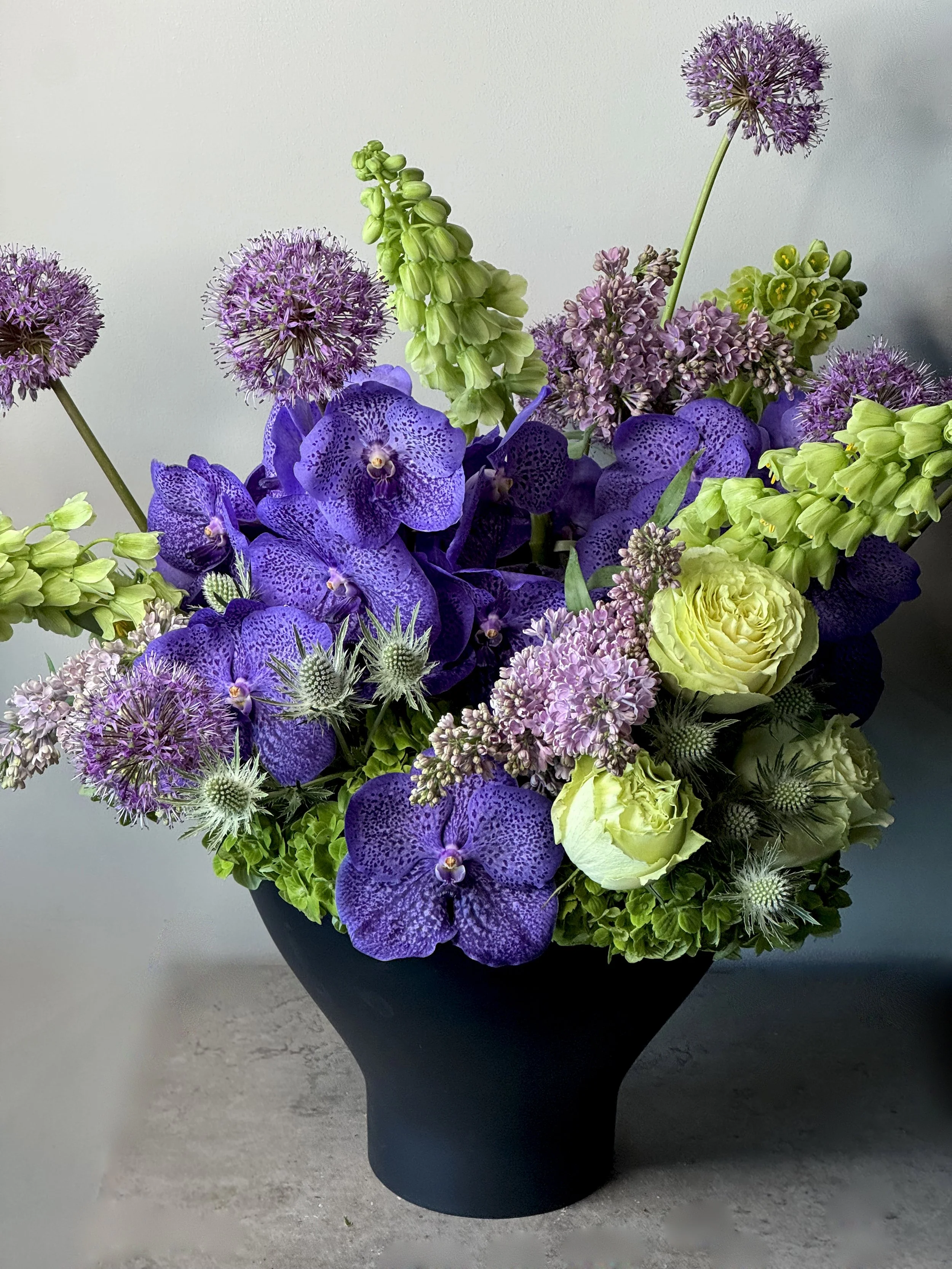
A Norwalk home might have coastal neutrals, warm woods, clean modern lines, historic details, or relaxed family chaos. Flowers can work with all of it. In a bright coastal space, airy white blooms and soft greens can make the room feel calm and breezy. In a traditional home, garden-style arrangements can add romance and warmth. In a modern apartment, sculptural stems can bring personality without clutter. Flowers are flexible like that. They adapt to the emotional language of the space.
The mood shift can be immediate. A kitchen with flowers feels more welcoming. A dining room with flowers feels ready for connection. A living room with flowers feels softer and more complete. A bedroom with a small arrangement feels calmer. Even a bathroom with a tiny vase can feel more thoughtful. Flowers are not just visual filler. They help a room feel emotionally finished.
A Fresh Arrangement Can Change the Whole Room
A fresh arrangement can completely change a room because it creates a focal point with life in it. The eye naturally goes to flowers. They bring shape, height, color, and texture into a space without requiring permanent changes. You do not have to repaint, redecorate, or buy new furniture. Put the right flowers in the right place, and the room instantly feels more intentional. That is a pretty good return on emotional investment.
Scale matters, though. A tiny bouquet may get lost in a large entryway, while a massive arrangement on a small dining table can feel annoying fast. The emotional value of flowers is strongest when they fit the space. A tall branch arrangement can make an entry feel elegant. A low centerpiece can make dinner feel intimate. A loose arrangement on a coffee table can make a living room feel relaxed. The right flowers in the wrong scale can miss the mark, but the right flowers in the right spot can make the whole room sing.
This is where everyday floral design becomes more than “put flowers in vase.” It becomes atmosphere. What does the room need? Warmth? Energy? Calm? A little drama? A fresh arrangement can answer that. It can make a home feel ready for guests, but it can also make it feel better for the people who live there every day. That is the real win.
Seasonal Flowers Make Home Feel More Alive
Seasonal flowers bring emotional value because they connect the home to the world outside. In Norwalk, the seasons are not subtle. Spring feels like a release. Summer feels open and social. Fall feels warm and textured. Winter feels quiet and reflective. Flowers can mirror those shifts beautifully. They help the home move with the year instead of feeling the same all the time.
Spring flowers bring hope and freshness. They make a room feel lighter after months of cold. Summer flowers bring abundance and ease, perfect for casual hosting and relaxed weekends. Fall flowers bring warmth, depth, and coziness. Winter flowers, branches, and evergreens bring structure and comfort when outdoor color is limited. Each season has its own emotional flavor, and flowers translate that flavor into the home.
This seasonal rhythm can be deeply comforting. People often crave change, but not chaos. Seasonal flowers offer gentle change. They refresh the environment in a way that feels natural. A new arrangement can mark time, celebrate the season, and make ordinary life feel more connected. It is a small thing, but small things shape how home feels day after day.
Flowers as Small Acts of Care
Flowers are one of the simplest acts of care because they are both beautiful and unnecessary in the best way. Nobody technically needs flowers to survive the day. That is exactly why they feel meaningful. They represent thoughtfulness beyond basic function. They say, “I wanted to bring beauty into your life.” That emotional message can be surprisingly powerful.
Giving flowers is not only about romance, either. That is a tired little box to put them in. Flowers can be for friendship, family, sympathy, congratulations, encouragement, apology, gratitude, or self-care. Yes, buying yourself flowers counts. Honestly, it might be one of the most underrated grown-up moves. It says, “I do not need to wait for someone else to make my space feel good.” That is low-key powerful.
In everyday Norwalk life, flowers often become part of how people care for their homes and each other. A parent might bring flowers home for the kitchen. A friend might send flowers after a hard week. A host might place flowers on the table to make guests feel welcomed. A person might keep flowers on their desk to make work feel less draining. These are not dramatic gestures, but they carry emotional weight. They make life feel less mechanical and more human.
Gifting Flowers Still Feels Deeply Personal
Even in a world full of instant messages and digital everything, gifting flowers still feels personal. That is because flowers require a little more intention. Someone has to choose the mood, color, size, and message. They have to think about the person receiving them. Should the flowers feel joyful, peaceful, romantic, bold, soft, or comforting? That thought process is part of the gift.
The emotional impact often comes from timing. Flowers sent on a birthday are lovely. Flowers sent on a random day when someone is struggling can hit even harder. Flowers after a loss can provide quiet comfort. Flowers after a win can make celebration feel more real. Flowers after an argument can soften the first step toward repair. The same arrangement can carry different emotional meanings depending on the moment.
Norwalk residents often use flowers to mark personal connections in a way that feels warm but not overcomplicated. A simple bouquet can be enough. A seasonal arrangement can feel extra thoughtful. A favorite color or flower can make the gesture feel intimate. The point is not perfection. The point is presence. Flowers show that someone paused long enough to care.
Everyday Flowers Can Support Emotional Wellness
Flowers are not therapy, and they are not a magic cure for stress, grief, or burnout. But they can support emotional wellness in small, real ways. They make spaces feel softer. They give the eye something beautiful to rest on. They create little moments of pleasure. They remind people to notice the present moment. That can matter more than people realize.
In a busy home, flowers can create calm. In a work area, they can make the day feel less sterile. In a bedroom, they can support a sense of rest. In a kitchen, they can make morning routines feel brighter. These small environmental cues affect mood. People are shaped by the spaces they live in, and flowers are one of the easiest ways to make those spaces feel more nurturing.
There is also an emotional benefit in caring for flowers. Trimming stems, changing water, removing faded blooms, and refreshing a vase can become a small mindful routine. It is simple, but it asks for attention. In a world where everyone is rushing, that kind of attention can feel grounding. Flowers invite people to slow down just a little. Sometimes that is exactly what the day needs.
Why Norwalk’s Local Lifestyle Makes Flowers Feel Special
Norwalk’s lifestyle makes flowers feel special because the city has a strong connection to season, water, home, and community. Flowers fit naturally into that mix. They can echo the soft light near the coast, the freshness of spring neighborhoods, the color of fall streets, and the coziness of winter interiors. They help people bring a bit of Norwalk’s outside beauty into daily indoor life.
The city also has a blend of casual and elevated living. People host dinners, gather with family, celebrate milestones, work from home, commute, entertain, and create spaces that need to function and feel good. Flowers support that kind of life because they can be simple or dramatic, relaxed or polished, seasonal or sculptural. They meet the moment without needing to take over the whole room.
Norwalk homes and events often benefit from flowers that feel personal rather than overly formal. The emotional value is strongest when arrangements feel connected to real life. Not stiff. Not showy for no reason. Just thoughtful, fresh, and appropriate. Flowers help make spaces feel more like themselves, which is exactly why they matter.
Coastal Calm, Family Life, and New England Seasons
Norwalk’s coastal calm gives floral choices a softer emotional direction. Airy arrangements, natural textures, fresh greens, pale tones, and relaxed movement can feel right at home near the water. But coastal does not have to mean cliché. The best floral choices do not scream beach theme. They simply feel open, fresh, and easy. That emotional tone fits many Norwalk homes beautifully.
Family life also shapes the way flowers are used. In a busy household, flowers can create a pocket of beauty in the middle of real-life mess. A vase on the kitchen counter might sit near lunchboxes, mail, and soccer cleats, but that is kind of the point. Flowers do not require life to be perfect. They bring beauty into life as it actually is. That makes them emotionally useful, not just decorative.
New England seasons add another layer. Seasonal flowers help people feel the passage of time in a positive way. Spring blooms say, “We made it through winter.” Summer flowers say, “Let’s enjoy this while it lasts.” Fall flowers say, “Get cozy.” Winter greens say, “There is still life here.” These seasonal messages are simple, but they resonate. Flowers help people feel connected to where they live.
Flowers Help People Feel More Connected to Place
Flowers can create a stronger sense of place because they reflect local rhythms. A seasonal arrangement in Norwalk feels different from a generic arrangement that could be anywhere. It carries the mood of the coast, the season, and the home it sits in. That sense of belonging adds emotional depth. The flowers are not just pretty. They feel rooted.
This matters because people want their homes to feel personal. They want spaces that reflect their lives, not just trends. Flowers can do that quickly. A spring branch arrangement in a sunlit room, a summer bouquet before a waterfront dinner, a fall centerpiece during family gatherings, or winter greenery near the entry — these floral moments connect home life to local life.
That connection also shows up in events. Flowers that match Norwalk’s natural mood can make a gathering feel more authentic. A wedding, dinner, or celebration does not need to look like it was copied from somewhere else. It can feel like it belongs right where it is. That sense of place makes the emotional experience stronger.
The Emotional Power of Flowers During Life’s Big and Small Moments
Flowers show up during the moments when emotions are already close to the surface. Birthdays, anniversaries, weddings, memorials, graduations, new homes, new babies, apologies, recoveries, and everyday encouragement all become more tangible with flowers. They give emotion a physical form. That is why they remain meaningful even as tastes and trends change.
For joyful moments, flowers amplify celebration. They make a table feel festive, a gift feel complete, and a room feel ready for happiness. For difficult moments, flowers offer softness when words feel clumsy. They do not erase grief or stress, but they can bring comfort. For fresh starts, flowers symbolize renewal. They can make a new home, new job, or new season feel more hopeful.
The small moments matter too. A person buying flowers for themselves after a hard week. A neighbor leaving blooms at the door. A parent putting flowers on the table before a family dinner. A friend sending a simple arrangement just because. These everyday gestures may not make headlines, but they become part of emotional life. They are small reminders that beauty and care still exist in the middle of everything else.
Joy, Grief, Love, Gratitude, and Fresh Starts
Flowers are closely tied to joy because they make celebration visible. A room with flowers feels like something is happening, even if the event is small. They add brightness, color, and a sense of occasion. For birthdays, dinners, holidays, and personal wins, flowers help say, “This deserves attention.” That recognition feels good. People want their moments to matter.
In grief, flowers take on a quieter role. They offer comfort without demanding anything from the person receiving them. They sit nearby as a reminder that someone cares. That can be deeply meaningful when people do not know what to say. Sympathy flowers are not about fixing pain. They are about presence. They offer beauty during a time that feels heavy.
Love, gratitude, and fresh starts all have their own floral language too. Romantic flowers can feel intimate. Thank-you flowers can feel warm and generous. New-home flowers can make an unfamiliar space feel welcoming. Recovery flowers can bring hope into a difficult room. Flowers are emotionally flexible. They meet people where they are, which is why they keep showing up in every chapter of life.
How to Bring More Emotional Meaning Into Daily Floral Choices
Bringing more emotional meaning into daily floral choices starts with intention. Instead of choosing flowers only because they are pretty, think about what feeling you want them to create. Do you want calm? Energy? Warmth? Romance? Comfort? Freshness? Once the feeling is clear, the colors, textures, and flower types become easier to choose. Mood first, stems second. That is the move.
It also helps to choose flowers that match the season and space. Seasonal flowers feel more connected and natural. The right scale makes the arrangement feel thoughtful. A small bedside vase should feel soft and restful. A dining table arrangement should support conversation. An entry arrangement can be more dramatic. When flowers fit the space, they feel more emotionally satisfying.
Personal details matter too. Choose colors someone loves. Use flowers connected to a memory. Pick a style that matches the recipient’s personality. Go bright for someone who needs joy, soft for someone who needs comfort, or textural and seasonal for someone who appreciates design. Flowers become more meaningful when they feel chosen, not random.
A simple way to think about emotional floral choices is this:
Emotional Goal
Floral Mood
Best Everyday Use
Calm
Soft colors, gentle movement, light scent
Bedroom, desk, reading corner
Joy
Bright seasonal blooms, playful texture
Kitchen, birthday gift, casual gathering
Comfort
Warm tones, soft shapes, natural greens
Sympathy, recovery, quiet home spaces
Romance
Layered petals, deeper tones, loose shape
Dining table, anniversary, bedroom
Fresh Start
Clean whites, greens, spring stems
Entryway, new home, weekly reset
Conclusion
The emotional value of flowers in everyday life in Norwalk is bigger than simple decoration. Flowers bring comfort, joy, memory, beauty, and connection into the spaces where people actually live. They make homes feel softer, gifts feel more personal, and ordinary routines feel a little more intentional. They help people say what words sometimes cannot.
In Norwalk, flowers carry even more meaning because they connect daily life to the city’s coastal calm, family rhythms, and changing New England seasons. A spring bouquet, summer centerpiece, fall arrangement, or winter branch design can make a home feel alive and connected to the moment. That emotional connection is why flowers continue to matter, even in the busiest modern lives.
Flowers do not need to be huge or fancy to be valuable. Their real power is in how they make people feel. Seen. Welcomed. Comforted. Celebrated. Remembered. Sometimes one small vase on the table can do all of that. And honestly, that is pretty amazing.