Floral Styling for Real Estate Open Houses: How Flowers Help Sell the Feeling of a Home
An open house is not just about showing square footage, countertops, and closet space. Sure, buyers care about the practical stuff. They need to know if the layout works, if the kitchen has enough storage, if the backyard fits their lifestyle, and if the home checks the big boxes. But let’s be real: people do not buy a home with spreadsheets alone. They buy a feeling. They walk in, breathe for a second, look around, and ask themselves, “Can I see my life here?” That emotional moment is where floral styling for real estate open houses can quietly do some serious heavy lifting.
Flowers help sell the feeling of a home because they bring warmth, life, color, softness, and intention into the space. A well-placed arrangement can make an entryway feel welcoming, a kitchen feel fresh, a dining room feel ready for connection, and a bedroom feel calm. Flowers create atmosphere without needing a big explanation. They do not shout, “This home is beautiful.” They let buyers feel it. And in real estate, that subtle emotional nudge can matter more than people admit.
The key is using flowers strategically. This is not about stuffing every room with giant bouquets like the house is trying to win a floral pageant. That can feel forced, cluttered, and honestly a little extra. Great open house floral styling is edited, thoughtful, and matched to the home. The flowers should support the architecture, staging, lighting, season, and target buyer. They should make the home feel fresh and lived-in, but not personal in a way that distracts. When done right, flowers do not just decorate the property. They help buyers emotionally step into the lifestyle the home is selling.
Why Flowers Matter at Real Estate Open Houses
Flowers matter at real estate open houses because buyers make emotional judgments fast. They may spend time analyzing details later, but the first few moments inside a home are all about feeling. Does the home feel clean? Bright? Warm? Calm? Stylish? Loved? Fresh? Those impressions form quickly, and flowers can influence them in a subtle but powerful way. A fresh floral arrangement tells buyers that the home has been prepared with care. It makes the space feel alive instead of sterile. That is especially important because staged homes can sometimes feel beautiful but a little too perfect, like nobody real could ever live there without messing up the pillows.
A home without any natural elements can feel flat, even if the staging is technically good. Furniture, rugs, art, and lighting all matter, but flowers bring movement and softness that hard surfaces cannot. They break up straight lines. They add natural shape. They bring in seasonal color. They create little visual pauses that make rooms feel more inviting. That is why flowers are so useful in open houses: they add emotional warmth without making the home feel overly personal. Family photos are personal. Fresh flowers are universal.
Flowers can also signal freshness, which is huge in real estate. Buyers want homes that feel clean, well-maintained, and move-in ready. A vase of fresh flowers in the kitchen or entryway can support that impression. It suggests care, attention, and readiness. Of course, flowers cannot hide problems. They will not fix bad lighting, poor staging, or weird smells. But when the home is already prepared well, flowers can be the finishing touch that makes everything feel pulled together. They are not the whole sales strategy, but they can absolutely upgrade the experience.
Buyers Remember How a Home Feels
Buyers may forget the exact paint color in the hallway, but they remember how the home felt when they walked in. That feeling becomes part of the story they tell themselves later. “The one with the bright kitchen.” “The one that felt cozy.” “The one with the peaceful primary bedroom.” “The one that felt fresh and easy.” Flowers help shape those memory tags. They give a space emotional texture, which makes it easier for buyers to remember the home in a crowded market.
This matters even more when buyers are touring multiple homes in one day. After the third or fourth showing, details start blending together. Every kitchen island, bathroom tile, and neutral wall can begin to feel weirdly similar. A home that creates an emotional impression has a better chance of sticking in the buyer’s mind. Flowers can help with that by creating small moments of charm. A soft arrangement in the entry, fresh greenery on the dining table, or seasonal blooms in the kitchen can create a memory without feeling like a gimmick.
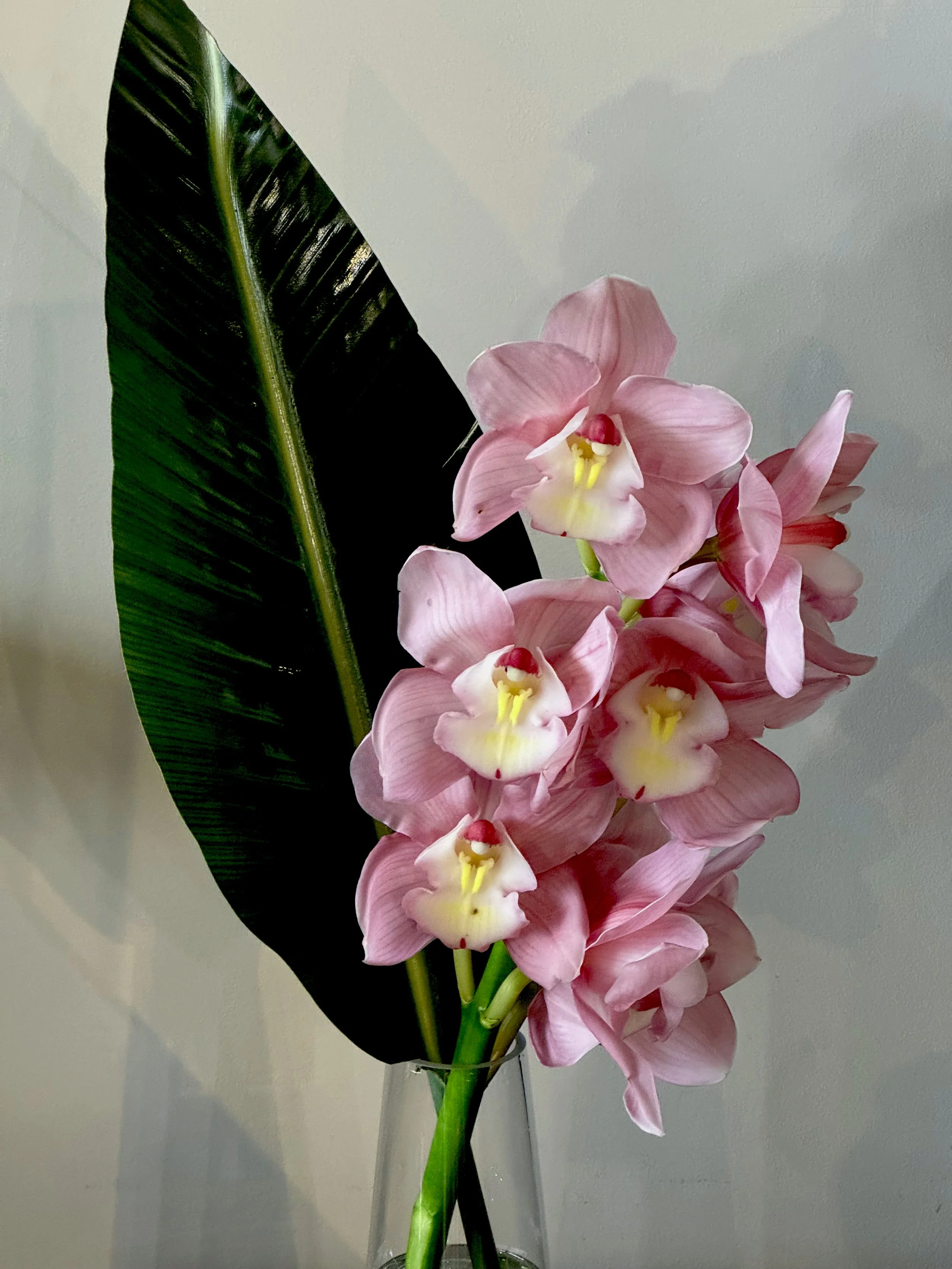
The goal is not to manipulate buyers. The goal is to help the home present itself at its best. A good open house should make it easier for buyers to understand the lifestyle the home offers. Flowers help with that because they make rooms feel used in the best possible way. They suggest hosting, relaxing, cooking, gathering, resting, and living. In other words, they help buyers see beyond the listing and into the life that could happen there. That is the emotional sweet spot.
Flowers Make a Space Feel Cared For
A home that feels cared for feels safer to buyers. That does not mean flowers replace maintenance, cleaning, repairs, or smart pricing. Absolutely not. But flowers add to the perception that the seller and agent took the presentation seriously. When buyers see fresh flowers placed with intention, they sense that someone paid attention to the details. And details matter because buyers often use visible details as clues for the invisible ones. If the home feels neglected visually, buyers may wonder what else has been neglected.
Fresh flowers can make even simple spaces feel more polished. A clean kitchen with a small arrangement on the island feels warmer. A dining room with a low centerpiece feels more inviting. A guest bath with a tiny vase feels more thoughtful. These touches do not need to be expensive or dramatic. In fact, smaller arrangements often work better because they feel natural. The point is not to show off. The point is to make the home feel loved, maintained, and ready.
There is also a hospitality factor. An open house is, in a way, a hosted experience. Buyers are guests in a home they might imagine owning. Flowers help create that sense of welcome. They say, “Come in, take your time, look around.” That feeling can soften the buyer’s mindset. Instead of walking through like an inspector with a checklist, they may slow down and experience the space more emotionally. That is exactly what good staging should do.
The Psychology Behind Floral Styling
The psychology behind floral styling is simple but powerful: people respond to environments emotionally before they analyze them logically. A room with fresh flowers can feel more welcoming, more elevated, more peaceful, or more lively depending on the floral choices. Color affects mood. Scent affects comfort. Texture affects visual richness. Placement affects flow. When these elements are used thoughtfully, flowers help guide the buyer’s emotional experience through the home.
For example, soft whites and greens can make a home feel clean, calm, and timeless. Warm peach or blush can make a space feel friendly and inviting. Deep burgundy or plum can make a formal dining room feel richer, but those same tones might feel too heavy in a small, bright starter home. Yellow can feel cheerful, but too much of it can become distracting. The emotional effect depends on the home, the season, the light, and the buyer profile. Floral styling is not random. It is visual psychology with petals.
Scent is another big psychological factor, but it needs careful handling. A light fresh scent can make a home feel pleasant. A strong floral scent can backfire fast. Buyers may wonder if the flowers are covering an odor, or they may simply find the scent overwhelming. The best open house flowers usually smell clean and subtle. You want buyers noticing the home, not wondering why the foyer smells like a perfume counter exploded. Freshness matters. Overpowering fragrance does not.
Color, Scent, and Texture Shape First Impressions
Color is one of the quickest ways flowers influence first impressions. In an open house, the safest luxury move is usually a restrained palette that supports the home’s existing design. White and green are classics for a reason. They feel fresh, clean, and broadly appealing. Soft neutrals like cream, blush, pale peach, and muted lavender can also work beautifully when the home has warmth or a more romantic style. For modern spaces, a limited palette with sculptural stems can look sleek and confident.
Texture adds depth without overwhelming the room. Smooth roses, airy greenery, ruffled blooms, branches, herbs, grasses, or seasonal foliage can make arrangements feel more natural and layered. Texture helps flowers look designed rather than dumped into a vase. It also photographs well, which matters because open house content often lives beyond the physical showing. A textured floral arrangement can make listing photos, open house videos, and social content feel more polished.
Scent should stay in the background. Strongly fragrant flowers may be beautiful, but they are risky for open houses because buyers have different sensitivities. Some people love fragrance. Others get headaches or allergies. Some may assume the scent is being used to hide pet odors, dampness, smoke, or stale air. That is not the mental rabbit hole you want buyers going down. Use fresh, clean, mild flowers and let the home breathe. The best scent at an open house is usually “clean and fresh,” not “floral overload.”
Flowers Help Buyers Imagine Living There
Flowers help buyers imagine living in a home because they suggest real-life moments. A small arrangement on a kitchen island can hint at morning coffee, weekend brunch, or casual conversations while cooking. A dining table centerpiece can suggest dinners, holidays, and friends gathered around. Flowers in the primary suite can create a feeling of calm and comfort. These are emotional cues. They help buyers move from looking at the home to imagining themselves inside it.
This is especially important in vacant or minimally staged homes. Empty homes can feel cold, even when they are beautiful. Without signs of life, buyers may focus too much on flaws or struggle to understand how the space could feel. Flowers add softness and human warmth without requiring heavy decor. They create a sense of life without making the home feel like it belongs too strongly to someone else.
But the floral styling must stay neutral enough for buyers to project their own lives onto the home. This is not the time for overly specific, highly personal arrangements that dominate the room. The flowers should support imagination, not dictate it. Think of them like background music in a great scene. They set the tone, but they should not steal the show. The buyer should remember the home, not just the bouquet.
Where to Place Flowers During an Open House
Flower placement at an open house should be strategic. You do not need flowers in every room. Actually, putting flowers everywhere can make the home feel staged in a weird, unnatural way. The best approach is to place flowers where they create the strongest emotional impact: the entryway, kitchen, dining area, living room, primary bedroom, guest bath, and outdoor entertaining spaces when appropriate. These are the places where buyers form lifestyle impressions.
The entryway matters because it is the first indoor moment. A fresh arrangement near the door can make the home feel welcoming immediately. The kitchen matters because buyers often care deeply about that space. A clean arrangement on the island or counter can make the kitchen feel fresh and functional. The dining room matters because flowers help buyers picture gathering. The primary suite matters because it should feel calm, private, and restful. Small baths and powder rooms can benefit from tiny floral touches that make them feel finished.
Outdoor spaces can also benefit from flowers, especially if the home has a patio, deck, garden, or entertaining area. A small potted floral moment or simple arrangement on an outdoor table can help buyers imagine using the space. But do not overdo it. Outdoor flowers should feel natural to the setting, not like props placed five minutes before the door opened. The goal is to highlight lifestyle, not create a staged theater set.
Entryways, Kitchens, Dining Rooms, and Primary Suites
The entryway is the home’s handshake. It sets the tone before buyers see anything else. A tall vase with branches or seasonal flowers can work well in a larger foyer. A smaller console arrangement may be better for compact entries. Keep the flowers fresh, clean, and proportional. If the entry is narrow, do not block movement. Buyers should feel welcomed, not like they are squeezing past a floral barricade.
The kitchen is one of the most important rooms to style because it is often the emotional hub of the home. A vase on the island can create warmth and focus. For modern kitchens, white flowers and greenery often look crisp. For warmer kitchens, soft seasonal tones can add charm. Keep arrangements low enough that they do not interfere with sightlines. Buyers should be able to see the countertops, appliances, layout, and storage clearly. Flowers should enhance the kitchen, not hide it.
Dining rooms and primary suites need a different touch. In the dining room, a low centerpiece helps buyers imagine meals and gatherings. In the primary suite, flowers should feel restful and understated. A small arrangement on a nightstand, dresser, or tray can create a spa-like calm. Avoid bright, loud florals in bedrooms unless the home’s style truly supports it. Bedrooms should feel like exhale spaces. Flowers can help create that sense of calm.
Small Floral Moments Can Do Big Work
Small floral moments can be surprisingly powerful. A single bud vase in a powder room, a small arrangement on a bedside table, or a few stems in the laundry room can make spaces feel more finished. These little touches tell buyers that no room was ignored. They also help soften utility areas that might otherwise feel purely functional. A laundry room with fresh greenery, for example, can suddenly feel more pleasant and livable.
The trick is restraint. Small floral moments should feel natural, not staged to death. A tiny vase in a bathroom is charming. Three arrangements in one small bathroom is weird. A simple sprig of greenery on a tray can look elegant. A massive bouquet next to the sink can feel impractical. Buyers are sensitive to over-staging. When styling feels too aggressive, it can create suspicion instead of warmth.
Think of small floral moments as punctuation marks. They are not the whole sentence. They simply help the home’s story flow. A little freshness here, a little softness there, and suddenly the house feels more cohesive. This is especially helpful in homes where the staging is minimal. Flowers can connect rooms emotionally without adding bulky decor or clutter.
Choosing Flowers That Match the Home
Choosing flowers for an open house starts with the home’s personality. A modern condo, coastal home, historic property, luxury estate, family house, and cozy starter home should not all get the same flowers. The arrangement style should support the story of the property. If the flowers feel disconnected from the home, buyers may not know why, but something will feel off. Good styling feels like it belongs.
A modern home may need clean lines, sculptural stems, monochromatic flowers, or restrained greenery. A traditional home may feel better with classic blooms, soft layers, and elegant vessels. A coastal home may shine with airy whites, soft blues, muted greens, and natural textures. A luxury home may need more refined floral styling with premium-looking composition, not necessarily more flowers. A family home may benefit from fresh, warm arrangements that feel welcoming but practical.
The buyer profile matters too. If the likely buyer is a young professional, the flowers may lean sleek and minimal. If the home is ideal for a family, the styling can feel warmer and more approachable. If the property is a high-end home, the florals should feel curated and elevated. If it is a charming older home, seasonal garden-style flowers might work beautifully. Matching flowers to the buyer’s imagined lifestyle makes the open house more emotionally persuasive.
Modern, Coastal, Traditional, Luxury, and Family Homes
Modern homes need flowers that respect clean design. Avoid overly fussy arrangements with too many colors or fillers. A few sculptural stems, white blooms, or architectural greenery can make a modern space feel fresh without cluttering it. The vessel matters too. Simple ceramic, glass, stone, or metal containers often work better than ornate vases. Modern floral styling should feel edited and confident.
Coastal homes benefit from lightness and movement. Soft whites, creams, pale blues, sandy neutrals, muted greens, and loose greenery can create an easy, breezy feeling without becoming cliché. Please, no obvious beach-themed floral gimmicks. Coastal floral styling should suggest freshness, light, and relaxation. It should not look like the dining table is trying to sell souvenirs. Keep it subtle and elegant.
Traditional, luxury, and family homes each need their own approach. Traditional homes can handle classic arrangements with roses, hydrangeas, greenery, and seasonal accents. Luxury homes need florals that look intentional, not just expensive. Scale, vessel choice, and placement matter as much as flower type. Family homes should feel warm and livable. Fresh kitchen flowers, a welcoming entry arrangement, and a low dining centerpiece can help buyers imagine everyday life in the home. The best flowers always match the story.
Seasonal Flowers Feel More Natural
Seasonal flowers are often the smartest choice for open houses because they feel connected to the moment. Spring flowers bring freshness and renewal. Summer flowers feel abundant and cheerful. Fall flowers add warmth and texture. Winter flowers bring structure, calm, and coziness. Buyers may not consciously think, “Ah, seasonal floral alignment,” because that would be hilarious. But they feel when flowers belong.
Seasonal flowers also help the home feel current and well-prepared. A spring open house with tulips or flowering branches feels fresh. A fall open house with warm-toned flowers, berries, or textured foliage feels cozy. A winter open house with evergreens, white blooms, or sculptural branches can feel elegant and inviting. Seasonal styling creates atmosphere that matches what buyers are already experiencing outside.
This does not mean turning the home into a holiday display or seasonal theme park. Keep it refined. Fall does not have to mean pumpkins everywhere. Winter does not have to mean red and green overload. Summer does not have to mean every bright color at once. Use the season as inspiration, not a costume. Seasonal flowers should support the home’s mood, not overpower it.
How Flowers Support Home Staging
Flowers support home staging by adding warmth, softness, and lifestyle cues without adding clutter. Good staging helps buyers understand how rooms function and how life could feel inside the home. Flowers add the emotional layer. They make staged spaces feel less flat and more inviting. A room with furniture can show scale. A room with flowers can show atmosphere. Both matter.
One of the biggest benefits of flowers is that they are temporary and flexible. Unlike furniture or art, they can be chosen specifically for the open house date, season, and buyer profile. They can be scaled up or down depending on the room. They can add color where needed or stay neutral where the home needs calm. This makes flowers one of the easiest ways to fine-tune staging without making major changes.
Flowers also help create visual focal points. In listing photos or open house walkthroughs, the eye naturally goes to fresh flowers. A well-placed arrangement can draw attention to a kitchen island, dining table, fireplace, soaking tub, or outdoor entertaining area. But this needs to be done carefully. The flowers should guide attention toward the home’s strengths, not become the strength themselves. If buyers talk more about the flowers than the room, the styling may have gone too far.
They Add Warmth Without Adding Clutter
Flowers are great for adding warmth because they bring life into the space without requiring bulky decor. This is especially useful in staged homes where the goal is to keep things clean and open. A vase of flowers can soften a room without adding personal items, extra furniture, or distracting accessories. It creates emotional warmth while keeping the home visually uncluttered.
This matters because clutter is one of the fastest ways to make a home feel smaller or less appealing. Too many objects on counters, shelves, and tables can distract buyers from the actual property. Flowers, when used sparingly, add beauty without creating mess. They provide a focal point while keeping surfaces mostly clear. That balance is important.
The best floral styling uses negative space. Do not crowd the kitchen island with flowers, candles, bowls, and decorative objects all at once. Give the arrangement room to breathe. Let the countertops show. Let the table feel usable. Buyers are trying to imagine living there, not walking through a decor store. Warmth plus simplicity is the winning formula.
The Goal Is Mood, Not Distraction
The goal of floral styling is mood, not distraction. Flowers should make buyers feel welcome, calm, curious, impressed, or emotionally connected. They should not make buyers wonder why there are giant arrangements in every room. When floral styling becomes too obvious, it can work against the open house. Buyers may feel like the home is trying too hard, or they may focus on the styling instead of the property.
A good rule is that flowers should support the room’s purpose. In the kitchen, they should feel fresh. In the dining room, they should feel inviting. In the bedroom, they should feel calm. In the living room, they should feel warm. In the entryway, they should feel welcoming. If the arrangement does not support the room’s emotional job, rethink it. Pretty is not enough. The flowers need to make sense.
This is where expert styling really shows. The best floral choices are not always the most dramatic. Sometimes the right move is a simple vase of white flowers. Sometimes it is a small seasonal branch arrangement. Sometimes it is no flowers at all in a room that already has enough going on. Editing is part of styling. Knowing when not to add flowers is just as important as knowing where to place them.
Common Floral Styling Mistakes to Avoid
The first mistake is overdoing it. Too many flowers can make the home feel crowded, fake, or overly staged. Buyers should feel like the home is fresh and welcoming, not like they accidentally walked into a floral showroom. Use flowers where they create impact, not everywhere just because you can. A few strong moments are better than a dozen random ones.
The second mistake is choosing flowers with too much scent. Strong fragrance can overwhelm buyers, trigger sensitivities, or create suspicion that the flowers are hiding an odor. Keep floral scents light and clean. The home should smell fresh because it is clean, aired out, and well-prepared — not because a giant bouquet is working overtime in the foyer.
The third mistake is using the wrong scale. A huge arrangement on a small table makes the room feel cramped. A tiny bouquet in a large foyer looks weak. Scale should match the room and surface. Entryways can handle more height. Dining tables need lower arrangements. Kitchen islands need enough space left open. Bathrooms need tiny touches, not full centerpieces. Scale is everything.
The fourth mistake is random color. Flowers should work with the home’s palette, not clash with it. Bright mixed bouquets can feel cheerful in the right setting, but they can also look chaotic in a staged home with a neutral design. Choose colors that support the room. White and green, soft neutrals, or seasonal accents are usually safer than loud rainbow arrangements. The goal is broad appeal.
The final mistake is using flowers that look tired. Wilted flowers are worse than no flowers. They make the home feel neglected, which is the opposite of what you want. Always use fresh flowers, trim stems properly, remove dead leaves, keep water clean, and check arrangements before buyers arrive. Nothing kills the vibe faster than sad petals drooping over a kitchen counter like they gave up on the listing.
Too Much Scent, Wrong Scale, and Random Colors
Too much scent is a big no. Open houses need to feel clean, neutral, and comfortable. A strong floral smell can be just as distracting as heavy artificial fragrance. Buyers should not be hit with scent the second they walk in. Light, natural freshness is enough. When in doubt, choose low-fragrance flowers and focus more on visual beauty than smell.
Wrong scale can change how buyers perceive a room. A huge floral centerpiece can make a dining room table look smaller. Oversized kitchen flowers can hide counter space. Tiny arrangements can make large rooms feel under-styled. The arrangement should match the space and support the home’s strengths. If the room is spacious, florals can highlight that. If the room is compact, florals should not make it feel tighter.
Random colors create visual noise. In real estate, the home needs to appeal to as many buyers as possible, so floral styling should usually feel calm and cohesive. That does not mean boring. It means intentional. A soft color palette can feel expensive and inviting. Seasonal tones can add warmth. Greenery can add life. But colors should relate to the home, the staging, and the mood. A bouquet should not look like it wandered in from a totally different event.
Conclusion
Floral styling for real estate open houses works because flowers help sell the feeling of a home. They make spaces feel fresh, cared for, welcoming, and emotionally alive. They help buyers imagine cooking in the kitchen, gathering at the dining table, relaxing in the bedroom, and stepping into a lifestyle that feels good. That emotional connection can make a home more memorable, especially when buyers are comparing several properties.
The best open house flowers are strategic, not excessive. They match the home’s style, season, scale, and target buyer. They add warmth without clutter. They create mood without distraction. They support staging instead of competing with it. A few well-placed arrangements can do more than flowers scattered everywhere with no plan.
Real estate is about features, price, location, and condition — but it is also about feeling. Buyers need to picture themselves living in the home. Flowers help create that picture. When used thoughtfully, they become more than decoration. They become part of the emotional story that makes a buyer pause and think, “Yeah, I could see myself here.”