Best Flowers for Boutique Hotels, Restaurants and Lobbies in Connecticut
Flowers in hospitality spaces are not just “pretty extras.” They are part of the guest experience before anyone checks in, orders dinner, sits in the lobby, or meets the host. In Connecticut, where hospitality can move from coastal boutique charm to classic New England elegance to sleek modern dining rooms, the right flowers help set the tone fast. They tell guests what kind of place they are stepping into. Is it relaxed? Upscale? Romantic? Fresh? Cozy? Artistic? Polished? Flowers answer that question without saying a word.
The best flowers for boutique hotels, restaurants, and lobbies in Connecticut need to do more than look nice for five minutes. They need to last, behave, photograph well, fit the space, and support the mood. A hotel lobby arrangement has a different job than a restaurant table bud vase. A dramatic entry piece can go big and bold, but a dining table floral has to stay low, clean, and low-scent so it does not fight the food. Basically, flowers need to know their lane.
And here is the real kicker: luxury hospitality florals are not always about using the most expensive blooms. They are about choosing the right flowers for the right environment. An elegant orchid in a reception area can feel clean and modern. Hydrangeas in a coastal inn can feel soft and welcoming. Seasonal branches in a tall lobby vase can feel architectural and high-end. A few delicate blooms on a restaurant table can feel more refined than a giant arrangement that blocks conversation. When flowers are chosen with intention, they do not just decorate the room. They shape how guests feel in it.
Why Flowers Matter in Hospitality Spaces
Flowers matter in hospitality spaces because guests make emotional judgments quickly. Before they read a menu, meet the staff, or notice the furniture details, they feel the atmosphere. A fresh floral arrangement near the entrance can make a space feel cared for, warm, and intentional. A tired or messy arrangement can do the opposite. In hospitality, those details are not small. They are part of the silent language of service. Guests may not always say, “Wow, the florals are really improving my perception of this place,” because, let’s be real, nobody talks like that at dinner. But they feel it.
For boutique hotels, restaurants, and lobbies, flowers create a sense of welcome. They soften hard surfaces, add natural movement, and bring a living element into spaces that can otherwise feel too designed or too cold. Even a beautifully decorated room can feel flat without something fresh. Flowers add life. They tell guests that the space is being maintained in real time, not just styled once and forgotten. That matters a lot in Connecticut hospitality, where many guests expect charm, polish, and a little personality.
Flowers also help create memory. People remember the lobby that smelled fresh and looked elegant. They remember the restaurant table that felt romantic but not fussy. They remember the boutique hotel that had seasonal flowers in the entry and a small vase in the guest lounge. These touches become part of the guest’s emotional snapshot. In a competitive hospitality market, that feeling can be the difference between a place someone visits once and a place they recommend.
Guest First Impressions Start Before the Menu
First impressions in hospitality start at the door. The moment a guest walks into a hotel lobby or restaurant entrance, they begin forming an opinion. Is this place clean? Is it thoughtful? Is it worth the price? Does it feel special? Flowers can help answer yes. A strong floral moment at the entry instantly communicates care. It says the business pays attention. It says the guest experience has been considered. That is a serious vibe upgrade.
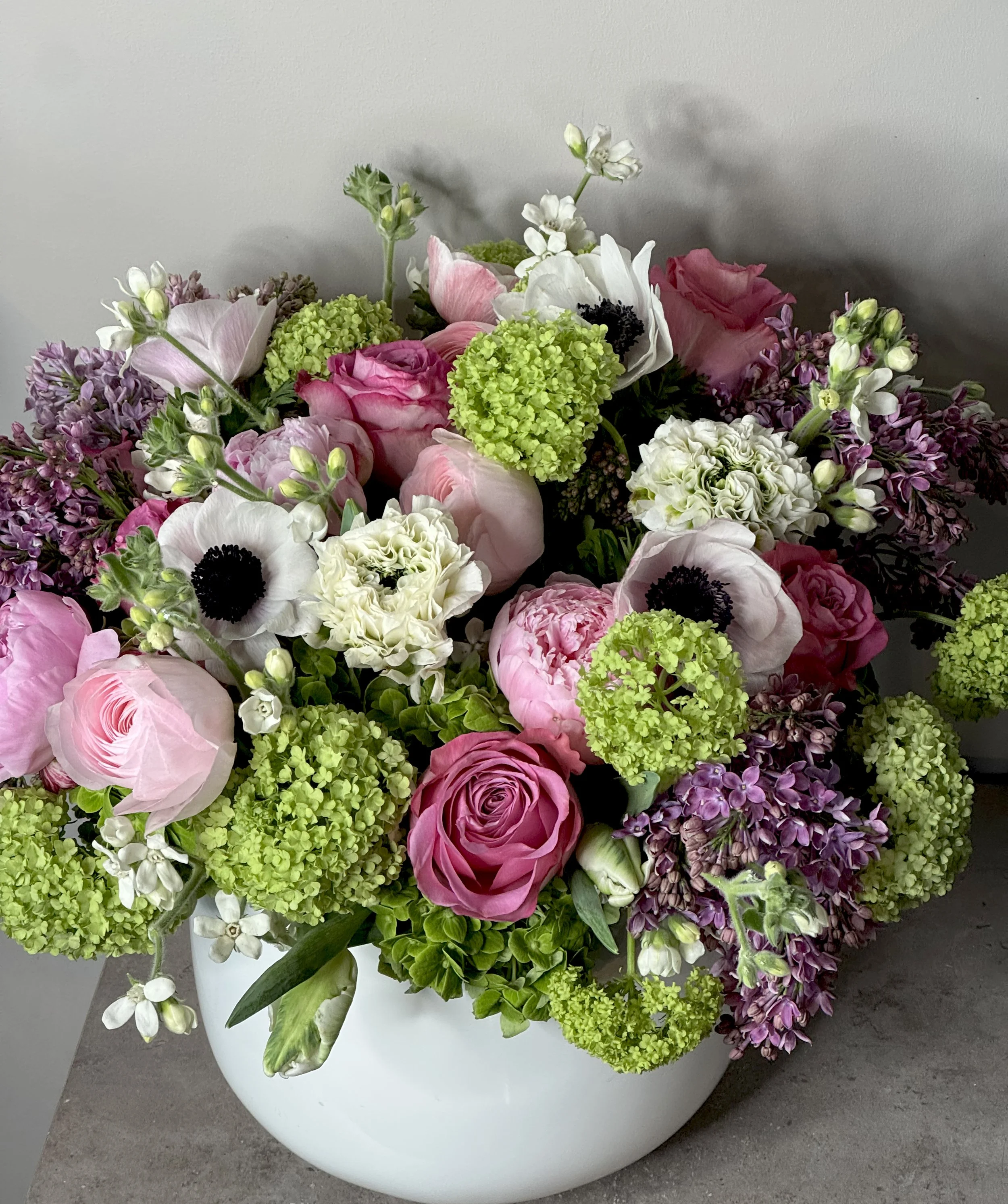
For restaurants, flowers at the host stand can make the welcome feel warmer before anyone even sits down. In hotels, a lobby arrangement can act almost like a signature greeting. It gives the space identity. In reception areas, flowers can help guests feel more comfortable while they wait. This is especially useful in spaces where people may arrive tired, hungry, stressed, or in a rush. Flowers create a little emotional pause. They make the environment feel less transactional and more human.
The trick is to keep the first impression aligned with the brand personality of the space, without using obvious branding. A cozy boutique inn might need seasonal flowers in warm, natural tones. A modern restaurant may need sleek arrangements with minimal stems and sculptural shapes. A coastal lobby may need airy textures, whites, greens, and subtle movement. The flowers should not feel random. They should feel like the room is speaking clearly.
Flowers Help Define the Property’s Personality
Every hospitality space has a personality, whether it admits it or not. Some spaces are romantic. Some are minimal. Some are classic. Some are casual. Some are dramatic. Some are quietly luxurious. Flowers help sharpen that personality. They are like the accessories on a great outfit. The room may already be dressed, but the flowers finish the look. When they are right, everything feels more pulled together.
For example, a boutique hotel with historic Connecticut architecture may feel beautiful with garden-style arrangements, seasonal branches, and softer colors. A modern restaurant might need clean white flowers, green textures, or one bold sculptural element. A cozy lobby in autumn might call for dahlias, berries, warm foliage, and deep tones. A summer coastal dining room might look best with hydrangeas, soft greenery, and airy whites. Same state, totally different floral energy.
This is why one-size-fits-all floral design does not work well in hospitality. The arrangement has to fit the room, the clientele, the lighting, the season, and the emotional promise of the space. If the flowers do not match the personality, guests may not consciously notice, but something feels off. Great hospitality florals feel like they belong. They do not look like they wandered in from a different party.
What Makes a Flower Right for Commercial Interiors
The best flowers for commercial interiors are not always the most delicate or trendy. Hospitality flowers need to perform. They need to look fresh across service hours, handle indoor temperatures, avoid creating mess, and stay appropriate for guests with different scent sensitivities. A flower that looks amazing in a wedding bouquet might be a bad choice for a busy restaurant table if it drops petals, bruises easily, or has a fragrance that competes with food. Pretty is not enough. The flower has to behave.
Commercial spaces also need flowers that work with traffic. Hotel lobbies and restaurant entrances see people moving constantly. Bags, coats, servers, guests, children, and staff all pass through. Flowers in these areas need stable vessels, strong stems, and smart placement. A dramatic arrangement is great until someone knocks it over with a suitcase. Then it is not luxury anymore. It is a cleanup situation. Not cute.
Durability matters, but so does style. The right flowers should support the interior design without overpowering it. They need to feel fresh, seasonal, and intentional. In Connecticut, where hospitality interiors may include coastal textures, historic woodwork, modern lighting, stone surfaces, formal dining rooms, or intimate lounges, flowers should be chosen like part of the design plan. They should not be an afterthought grabbed at the last second. That is how spaces end up looking “fine” instead of unforgettable.
Longevity, Cleanliness, and Low Fragrance Matter
Longevity is one of the biggest factors when choosing hospitality flowers. Boutique hotels, restaurants, and lobbies need arrangements that can hold their shape and freshness for more than one quick photo. Flowers like orchids, roses, hydrangeas, carnations, chrysanthemums, calla lilies, anthuriums, alstroemeria, and certain seasonal branches can be strong performers when handled properly. That does not mean every arrangement should use the same flowers forever. It means the floral choices should be realistic for the setting.
Cleanliness is just as important. Flowers that shed pollen, drop petals, leak sap, or wilt dramatically can create maintenance issues. In restaurants, this is especially critical. Nobody wants petals falling near plates or pollen dusting a table like floral seasoning. Low-mess flowers are the safer choice. For dining spaces, compact blooms, greenery, small orchids, spray roses, ranunculus when fresh, and simple bud vases can work beautifully without causing chaos.
Fragrance needs careful control. Strongly scented flowers may be lovely in a private home, but in hospitality spaces they can be risky. In restaurants, heavy fragrance can interfere with the dining experience. In lobbies, strong scent can bother guests with sensitivities. A light fresh scent is fine, but flowers should not announce themselves from across the room like they are wearing too much perfume. The safest luxury move is usually visual impact with subtle or minimal fragrance.
Color and Texture Should Support the Space
Color has to work with the room, not fight it. A bold floral palette can be stunning in the right setting, but random color can make a hospitality space feel messy fast. Neutral interiors often benefit from flowers that add warmth or contrast. Darker rooms may need lighter blooms to lift the mood. Coastal spaces often look beautiful with whites, greens, creams, soft blues, and sandy tones. Historic interiors may handle richer colors like burgundy, plum, rust, and deep green beautifully.
Texture is what keeps arrangements from looking flat. Smooth petals, ruffled blooms, glossy leaves, branches, berries, grasses, and seasonal foliage all add depth. In commercial spaces, texture can help flowers feel more custom and high-end. A simple white arrangement with strong greenery and sculptural branches can feel more expensive than a huge mixed bouquet with no structure. Texture gives the eye something to explore.
The goal is harmony. The flowers should connect with the furniture, lighting, walls, flooring, tableware, and overall mood. In a boutique hotel, the florals might echo the seasonal landscape outside. In a restaurant, they might support the cuisine style and dining mood. In a lobby, they might create a statement while still feeling polished. Color and texture are not decoration details. They are atmosphere tools.
Best Flowers for Boutique Hotels in Connecticut
Boutique hotels need flowers that feel personal, fresh, and connected to the property’s identity. Unlike large generic spaces, boutique hotels usually sell atmosphere. Guests choose them because they want something with charm, character, and a sense of place. Flowers can help deliver that. The right arrangements can make a lobby feel welcoming, a lounge feel cozy, a breakfast area feel fresh, and guest-facing corners feel thoughtfully maintained.
In Connecticut, boutique hotel florals can lean into seasonality beautifully. Spring branches, summer hydrangeas, fall dahlias, winter evergreens, and sculptural stems all help guests feel connected to the local rhythm of the year. This matters because many guests are not just booking a room; they are buying a Connecticut experience. Flowers help make that experience feel rooted, not generic. A seasonal arrangement says, “You are here, now, in this place.” That is subtle, but powerful.
The best boutique hotel flowers also need to match the level of service. If the hotel feels refined, the flowers should feel curated. If it feels cozy and relaxed, the flowers can be softer and more natural. If it feels modern, the flowers can be architectural and minimal. Boutique hotels should avoid florals that feel mass-produced or overly stiff. Guests want charm, not lobby filler. The flowers should feel like part of the property’s story.
Orchids, Hydrangeas, Roses, and Seasonal Branches
Orchids are excellent for boutique hotels because they are elegant, long-lasting, and clean. They work especially well in reception areas, guest lounges, bathrooms, and modern rooms where a sculptural look makes sense. Orchids have that polished “quiet luxury” feeling without needing a massive arrangement. They also come in styles that can feel classic, modern, tropical, or minimal depending on how they are presented.
Hydrangeas are another strong choice, especially in Connecticut’s coastal and summer settings. They create softness and fullness, which can make a lobby or breakfast area feel warm and welcoming. They do need proper hydration and care, so they are best used where they can be maintained well. White, blue, green, and antique-toned hydrangeas can all feel beautiful depending on the property’s mood. Just do not let them wilt. A sad hydrangea is very dramatic, and not in a good way.
Roses are classic and versatile, but they should be styled carefully to avoid looking too formal or predictable. Garden-style roses can feel romantic in historic or cozy hotels, while tighter modern arrangements can work in refined spaces. Seasonal branches may be the real secret weapon. Cherry blossoms, dogwood, magnolia, autumn branches, winter evergreens, and sculptural bare branches can create height, movement, and a strong sense of place. Branches make hotel florals feel intentional and architectural without always relying on tons of blooms.
Match Florals to the Hotel’s Personality
The best hotel florals are designed around the property’s personality. A waterfront boutique hotel might use airy whites, greens, blue hydrangeas, soft grasses, and loose natural movement. A countryside inn might lean into seasonal garden flowers, branches, and warmer textures. A sleek urban hotel might choose orchids, calla lilies, anthuriums, or simple monochromatic arrangements. The flowers should feel like they belong to that space, not just to the floral designer’s mood board.
Matching personality also means thinking about guest expectations. A romantic weekend property may need flowers that feel soft and intimate. A business-friendly boutique hotel may need florals that feel clean, polished, and not too distracting. A destination-style property may benefit from bigger seasonal moments in the lobby or entry. Guests should feel the mood right away. Flowers help create that cue.
This does not mean the flowers have to be dramatic all the time. Sometimes the best boutique hotel floral program includes one strong lobby arrangement, small restroom florals, simple guest lounge touches, and seasonal refreshes. Consistency matters. The flowers should feel like part of the guest experience, not random bursts of beauty that show up once and disappear. A well-planned floral rhythm makes the property feel alive.
Best Flowers for Restaurants
Restaurant flowers need to be chosen with serious care because dining spaces have different rules. Flowers have to support the meal, not compete with it. They should make the table feel inviting, the bar feel stylish, and the entrance feel warm. But they cannot block sightlines, overwhelm the food aroma, drop petals, attract pests, or take up too much valuable table space. Restaurant florals need to be beautiful and practical. No drama queens allowed.
The best flowers for restaurants are usually low-scent, compact, clean, and durable. Small roses, ranunculus, lisianthus, carnations, chrysanthemums, orchids, tulips, anemones, hellebores, and seasonal greenery can work well depending on the style and season. For table settings, bud vases are often smarter than large centerpieces. They create charm without taking over the table. For bars, host stands, and restrooms, arrangements can be more expressive because they do not interfere with eating.
Restaurants also need flowers that match the food and atmosphere. A fine dining room may need refined, minimal arrangements. A cozy neighborhood spot may look better with seasonal garden-style flowers. A romantic restaurant may use soft candle-friendly florals. A modern dining room may benefit from sculptural stems and clean vessels. The flowers should feel like part of the dining concept, not an unrelated decoration.
Table Flowers Should Be Low-Scent and Conversation-Friendly
Table flowers need to stay low and compact. Guests should be able to see each other, pass plates, set down glasses, and enjoy the meal without flowers getting in the way. Low bud vases, tiny compotes, small ceramic vessels, or narrow arrangements work well. A big centerpiece may look beautiful in photos, but if it blocks conversation, it is doing the wrong job. In restaurants, comfort beats floral ego every time.
Low scent is non-negotiable for dining tables. Food has its own aroma, and flowers should not compete with it. Strongly fragrant blooms can interfere with taste and create discomfort for guests. Flowers like lilies, hyacinths, and heavily scented gardenias should be used very carefully, if at all, near dining tables. Better choices include low-fragrance roses, ranunculus, tulips, orchids, lisianthus, carnations, and clean greenery.
The table flowers should also match the scale of the dining experience. A small bistro table may only need a single stem in a bud vase. A long communal table may benefit from repeated low arrangements. A private dining room might use a more layered tablescape. The arrangement should feel intentional but not precious. Guests came to eat, talk, and enjoy themselves. Flowers should enhance that, not make them nervous about knocking something over.
Bar, Host Stand, and Restroom Florals Can Do More
The bar is a great place for stronger floral styling because it can handle more personality. A bar arrangement can be taller, more colorful, or more sculptural than table flowers. It creates a visual anchor and gives guests something beautiful to notice while waiting for a drink. Seasonal branches, orchids, anthuriums, roses, hydrangeas, or textured greenery can all work well depending on the restaurant’s style.
The host stand is another important floral location because it shapes the first impression. A small but polished arrangement can make the welcome feel warmer. It should not block staff movement or guest communication, but it should add freshness. The host stand flowers are like a handshake. They do not need to be huge. They need to feel intentional.
Restroom florals are underrated. A small fresh arrangement in a restroom can make the whole restaurant feel more cared for. It is one of those details guests notice because it is unexpected. A tiny orchid, a small bud vase, or a compact seasonal arrangement can add polish without much space. Just keep it clean, fresh, and proportional. Nothing kills luxury faster than neglected flowers in a restroom.
Best Flowers for Lobbies and Reception Areas
Lobbies and reception areas need flowers with presence. These spaces are often larger, busier, and more public, so arrangements need to hold attention from a distance. This is where statement florals can shine. Tall branches, large tropical leaves, hydrangeas, orchids, roses, lilies without overpowering scent, calla lilies, anthuriums, chrysanthemums, and seasonal foliage can all work depending on the design. The goal is impact with control.
A lobby arrangement should communicate quality instantly. It should look fresh, stable, balanced, and appropriate for the space. In Connecticut, lobby florals can change with the season to keep the environment feeling current. Spring branches feel fresh and optimistic. Summer hydrangeas feel welcoming. Fall foliage and dahlias feel warm and rich. Winter evergreens and sculptural branches feel elegant and grounded. Seasonal rotation helps the lobby feel alive.
Reception flowers also need to be practical. They should not block sightlines, cover signage, interfere with check-in, or create obstacles for guests. The vessel should be stable. The flowers should last. The design should be easy to maintain. A statement arrangement is only luxurious if it looks good throughout its display period. A wilting lobby arrangement is worse than no arrangement because it signals neglect.
Statement Arrangements Need Structure and Staying Power
Statement arrangements need strong structure because they are often seen from multiple angles. They should not look good only from the front unless they are placed against a wall. In an open lobby, flowers may be viewed from all sides, so the design needs balance. Branches, tall greenery, sturdy focal flowers, and sculptural leaves can create the structure needed for larger pieces. This is where floral design becomes almost architectural.
Staying power matters because lobby flowers are exposed to constant conditions: airflow, heating, cooling, sunlight, and traffic. Some delicate flowers may not be worth the risk. Durable choices like orchids, chrysanthemums, roses, carnations, anthuriums, calla lilies, hydrangeas with proper care, and seasonal branches can perform well. The exact choice depends on the environment and maintenance schedule. Flowers are living materials, so the care plan matters as much as the design.
A strong statement arrangement should feel impressive but not chaotic. Too many colors and flower types can make a lobby look busy. A controlled palette with bold structure usually feels more expensive. For example, white orchids with green leaves, tall branches with seasonal blooms, or a monochromatic arrangement with rich texture can look incredibly polished. The design should say “elevated,” not “we panicked and bought everything.”
Large Spaces Need Scale Without Looking Overdone
Large spaces need scale, but scale does not mean stuffing flowers everywhere. A big lobby may need one major arrangement rather than many small ones scattered around. Small arrangements can disappear in a large space and make the area feel under-designed. A large arrangement with height, width, and strong shape can anchor the room and create a memorable focal point. That is the move.
However, overdone arrangements can feel wasteful or distracting. If the flowers block movement, overwhelm the furniture, or compete with architectural details, they are too much. A lobby arrangement should enhance the room’s best features. If there is a beautiful reception desk, the flowers should complement it. If there is a grand staircase or large window, the flowers can echo that verticality. The arrangement should work with the space, not wrestle it.
Lighting also affects scale. A large dark lobby may need lighter flowers or reflective vessels to lift the mood. A bright coastal lobby may need texture and movement rather than heavy color. A formal lobby may need richer tones and more symmetry. Scale is about proportion, but it is also about visual weight. The best lobby flowers feel substantial without feeling bulky. They command attention without yelling.
Seasonal Flower Choices in Connecticut
Seasonality is one of the best ways to make hospitality flowers in Connecticut feel fresh and relevant. Guests notice when flowers feel connected to the time of year, even if they do not know the flower names. Seasonal florals make spaces feel alive. They tell guests the property is paying attention. They also give hotels, restaurants, and lobbies a natural way to refresh the atmosphere throughout the year without redesigning the entire interior.
Spring flowers bring softness and renewal. Summer flowers bring abundance and ease. Fall flowers bring warmth and texture. Winter flowers bring structure and quiet elegance. Each season offers a different emotional palette. A hospitality floral program that changes with the season feels more thoughtful than one that uses the same arrangement all year. Guests may not mention it, but they feel the shift.
Seasonal flowers can also create better value and performance when chosen well. Blooms that are naturally in season often look more appropriate and may hold better in the right conditions. Seasonal branches and foliage are especially useful because they create scale and atmosphere without always requiring huge amounts of blooms. For Connecticut spaces, seasonal design is not just pretty. It is smart.
Spring, Summer, Fall, and Winter All Have a Job
Spring flowers should make hospitality spaces feel fresh, open, and renewed. Tulips, ranunculus, anemones, hyacinths used carefully, lilacs away from dining areas, flowering branches, and soft greenery can create a welcoming spring mood. For boutique hotels and lobbies, flowering branches can create beautiful height. For restaurants, smaller spring bud vases can feel charming and fresh without overwhelming the table.
Summer flowers should feel generous and relaxed. Hydrangeas, garden roses, zinnias, dahlias, cosmos, lisianthus, orchids, and airy greenery can work beautifully. In Connecticut coastal settings, white and green arrangements with soft blue or pale peach accents can feel breezy and refined. Restaurants should be mindful of heat, especially for outdoor dining. Outdoor florals need durability and hydration, not just pretty faces.
Fall flowers are perfect for warmth and texture. Dahlias, chrysanthemums, roses, berries, amaranthus, grasses, branches, and autumn foliage create a rich seasonal atmosphere. Hotels and restaurants can use fall flowers to make spaces feel cozy without going full harvest cliché. Winter flowers should lean into structure: evergreens, amaryllis, orchids, roses, hellebores, berries, moss, and sculptural branches. Winter arrangements can feel elegant, calm, and luxurious when they balance deep tones with light elements.
Conclusion
The best flowers for boutique hotels, restaurants, and lobbies in Connecticut are the ones that fit the space, support the guest experience, and hold up beautifully in a commercial environment. Orchids, hydrangeas, roses, seasonal branches, ranunculus, lisianthus, chrysanthemums, calla lilies, anthuriums, tulips, and carefully chosen greenery can all work well when used in the right setting. The real skill is not just choosing pretty blooms. It is choosing flowers that match the mood, scale, season, and function of the space.
For boutique hotels, flowers should feel personal, seasonal, and connected to the property’s identity. For restaurants, they should be low-scent, compact, clean, and conversation-friendly. For lobbies and reception areas, they should have structure, scale, and staying power. Each space has different needs, and floral styling should respect those needs instead of using the same arrangement everywhere.
Connecticut hospitality spaces have a natural advantage because the seasons offer so much floral inspiration. Spring freshness, summer ease, fall warmth, and winter elegance can all shape the guest experience. When flowers are chosen thoughtfully, they do more than decorate. They welcome people, define atmosphere, support service, and make a space feel memorable. That is the real power of hospitality florals.