How to Choose Flowers for a Luxury Dinner Party in Connecticut
Choosing flowers for a luxury dinner party in Connecticut is not just about picking the prettiest blooms and dropping them into a vase five minutes before guests arrive. That might work for a casual “come over, we ordered too much food” night, but a luxury dinner party needs more intention. The flowers have to fit the room, the table, the season, the food, the lighting, and the overall vibe of the evening. They should make guests feel like they stepped into something thoughtful, not something thrown together while the oven timer was screaming in the background.
Connecticut dinner parties have their own kind of style, too. They can be coastal and relaxed, classic and polished, garden-inspired, modern, historic-home cozy, or full-on black-tie elegant. The flowers need to understand that setting. A waterfront dinner in late summer needs a different floral mood than a candlelit winter dinner in a formal dining room. A spring garden party in Fairfield County does not need the same arrangement as a moody fall tasting dinner in Litchfield County. Context matters. Big time.
The real secret is this: luxury floral design is not always about using the rarest or most expensive flowers. It is about making the whole table feel elevated, balanced, and emotionally right. The flowers should create atmosphere without blocking conversation. They should add beauty without fighting the food. They should feel seasonal without looking predictable. When chosen well, flowers do not just decorate the dinner party. They shape the experience. They make the night feel warmer, richer, more intimate, and way more memorable.
Why Flowers Matter So Much at a Luxury Dinner Party
Flowers matter at a luxury dinner party because they are one of the first things guests feel, even before they fully notice them. People walk into a room and instantly sense whether the evening feels casual, romantic, formal, relaxed, dramatic, or intimate. Flowers help create that first impression. They add life, softness, color, texture, and a sense that the host actually cared about the details. And honestly, details are where luxury lives. Not in loud displays. Not in showing off. In the quiet choices that make a guest think, “Wow, this feels special.”
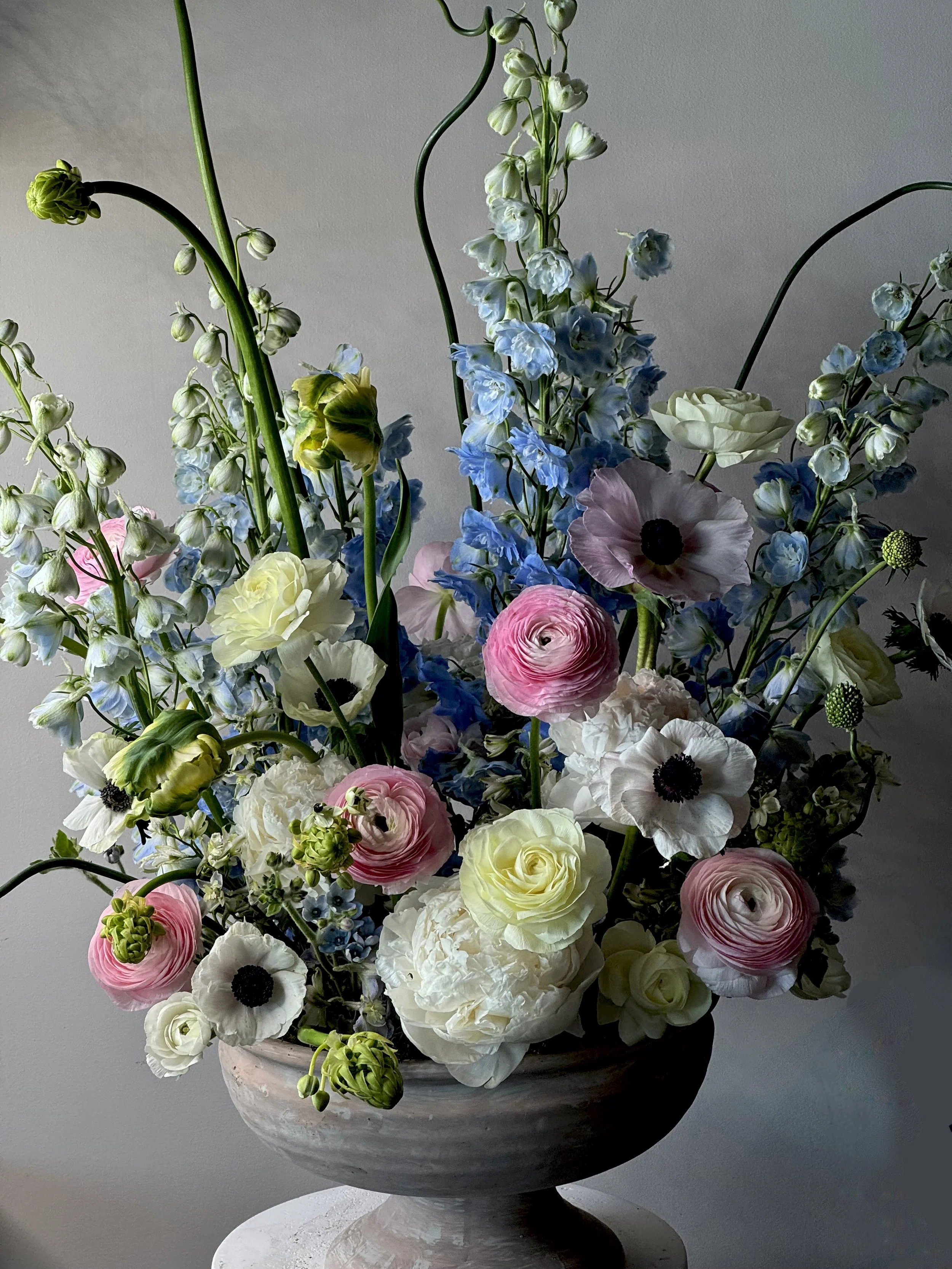
A beautifully designed floral table can completely change how dinner feels. A bare table may be functional, but a table with intentional flowers feels like an invitation. It tells guests to slow down. It makes the meal feel more ceremonial, even if the conversation is casual and someone is cracking jokes over dessert. Flowers bring emotional warmth to the table. They soften glassware, china, candles, linens, and flatware. They create a bridge between the food and the room. Without flowers, even a stunning table setting can feel a little too perfect, a little too still. Flowers make it breathe.
But here is the catch: dinner party flowers have to behave. A luxury arrangement cannot be so tall that guests have to lean around it like they are dodging a tree. It cannot smell so intense that it competes with the food. It cannot drop pollen into plates or take over half the table. Great dinner florals are beautiful and practical. They create atmosphere while letting the dinner itself shine. That balance is what separates expert floral styling from “oops, we bought too many flowers and hoped for the best.”
Flowers Set the Mood Before the First Toast
Before anyone raises a glass, flowers are already setting the mood. Soft cream flowers with delicate greenery can make a dinner feel elegant and calm. Deep burgundy blooms with candlelight can make the evening feel romantic and moody. Loose garden-style arrangements can make the table feel relaxed and welcoming. Clean white florals in sculptural vessels can feel modern and high-end. Flowers speak quickly, and they do not need a microphone to do it.
This matters because guests respond emotionally to the table. A dinner party is not just about food. It is about how people feel while they eat, talk, laugh, and linger. Flowers help create that emotional frame. They can make a simple menu feel elevated or a formal meal feel warmer. They can help a room feel intimate even if the space is large. They can also bring personality into a table setting that might otherwise feel too polished or predictable.
For Connecticut dinner parties, mood is especially important because the setting often carries its own character. A coastal home may already feel airy and bright. A historic home may feel warm and layered. A modern dining space may feel clean and minimal. The flowers should amplify the existing mood instead of fighting it. If the room is already dramatic, the flowers can add depth without going overboard. If the room is simple, the flowers can create the main visual moment. The goal is harmony, not floral drama for drama’s sake.
Luxury Is About Intention, Not Just Expensive Blooms
A common mistake is thinking luxury dinner party flowers have to be rare, huge, or wildly expensive. Nope. Luxury is not just about cost. It is about intention. A small arrangement of seasonal blooms in a beautiful vessel can feel more luxurious than an oversized centerpiece stuffed with expensive flowers but no design direction. Taste beats price every time. Always.
Luxury florals feel intentional because every choice has a purpose. The color palette works with the linens. The height works with conversation. The scent works with the menu. The vessels match the table style. The flowers reflect the season. The arrangement shape supports the room. Nothing feels random. That is what makes guests feel the difference, even if they cannot explain why the table looks so good.
Think of it like dressing for a great dinner. Wearing every expensive thing you own at once does not automatically look stylish. The magic is in editing. Same with flowers. You do not need every bloom in the cooler. You need the right blooms, in the right amount, in the right place. That is the art of luxury dinner party flowers. It is polished, thoughtful, and confident enough not to overdo it.
Start With the Atmosphere You Want to Create
Before choosing any flowers, start with the atmosphere. What should the dinner feel like? This is the question that makes everything easier. Too many people start with flower names: roses, peonies, tulips, orchids, dahlias, whatever. But flowers are tools. The mood is the blueprint. Once you know the feeling, the flowers become much easier to choose. Romantic? Modern? Coastal? Formal? Warm? Moody? Fresh? Garden-inspired? Each mood points toward different colors, shapes, textures, and vessels.
For a luxury dinner party, atmosphere should guide the entire tablescape. The flowers should connect with the menu, lighting, linens, table shape, and guest count. A candlelit winter dinner may need deeper tones, rich textures, and low arrangements that glow in warm light. A summer dinner near the coast may need airy florals, soft movement, and a lighter palette. A formal celebration may call for structured elegance, while a relaxed friend gathering may feel better with loose seasonal flowers and layered bud vases.
This is where hosts can get really creative. A luxury dinner party does not have to look one specific way. It can be understated and chic, lush and romantic, dark and dramatic, fresh and coastal, or playful and colorful. The key is consistency. The flowers should not feel like they wandered in from a totally different party. They should support the story you are telling with the table. When the floral mood matches the evening, the whole dinner feels more immersive.
Romantic, Modern, Coastal, Formal, or Garden-Inspired
A romantic dinner party usually benefits from soft shapes, layered petals, candlelight, and colors that feel emotional without becoming too sugary. Think blush, cream, mauve, dusty rose, wine, soft peach, or warm ivory. The flowers can feel loose and lush, but they should still be controlled. Romantic does not mean messy. It means inviting, soft, and a little dreamy.
A modern dinner party needs a different approach. Clean lines, sculptural stems, monochromatic palettes, and interesting vessels often work better than overflowing arrangements. Modern florals can be minimal but still powerful. A few strong stems placed beautifully can feel more expensive than a crowded centerpiece. The vibe is edited, confident, and not trying too hard. Very cool, very grown-up.
Coastal Connecticut dinner parties often look best when the flowers feel airy and natural. Soft whites, sandy neutrals, muted greens, pale blues, gentle peach, or warm cream can feel fresh without becoming obvious. Coastal does not mean seashells and nautical clichés. Please leave that alone. It means lightness, movement, and ease. Formal dinners may need more symmetry and polish, while garden-inspired dinners can lean into seasonal blooms, texture, and natural flow. Each style has its own language. Pick one and let the flowers speak it clearly.
Match the Flowers to the Guest Experience
The flowers should support how guests will experience the evening. If the dinner is intimate and conversation-heavy, keep arrangements low, soft, and easy to talk over. If the evening starts with cocktails in another room, use a statement arrangement there to create a first impression, then keep the dining table more practical. If the dinner is part of a milestone celebration, the flowers can feel a little more dramatic and memorable. Match the design to the flow of the night.
Think about what guests will see first. Is there an entry table? A bar? A kitchen island where people gather before dinner? A fireplace mantel? These areas can carry more height or drama than the dining table itself. This is a smart move because it gives you visual impact without making dinner uncomfortable. Nobody wants to spend three courses trying to talk through hydrangeas the size of a small shrub.
Also consider how long guests will stay at the table. A luxury dinner party usually encourages lingering. People talk between courses, refill glasses, pass plates, laugh, debate, and maybe stay longer than planned. The flowers should make that experience better, not more difficult. Comfortable beauty is the goal. If the table looks stunning but guests cannot see each other, the design missed the assignment.
Choose Flowers That Fit Connecticut’s Seasons
Seasonality is one of the easiest ways to make dinner party flowers feel elevated in Connecticut. The state has real seasonal personality, and flowers can reflect that beautifully. Spring feels fresh and hopeful. Summer feels abundant and breezy. Fall feels warm and textural. Winter feels cozy, sculptural, and elegant. When flowers match the season, they feel more natural and intentional. They belong to the moment.
Seasonal flowers also tend to create better atmosphere because they connect the table to the world outside. A spring dinner with tulips, ranunculus, sweet peas, and flowering branches feels alive after winter. A summer dinner with garden roses, hydrangeas, cosmos, zinnias, or fresh greenery feels relaxed and generous. A fall dinner with dahlias, berries, grasses, branches, and warm tones feels rich and cozy. A winter dinner with evergreens, amaryllis, hellebores, roses, branches, and deep colors feels intimate and polished.
This does not mean you must follow strict rules. You can absolutely use unexpected colors or modern shapes in any season. But the design should still feel connected to the time of year. Forced flowers often look, well, forced. Seasonal flowers have a natural confidence. They do not need to explain themselves. They just feel right. And at a luxury dinner party, “feels right” is exactly what you want.
Spring and Summer Florals Feel Fresh and Effortless
Spring flowers are perfect for dinners that feel soft, fresh, and elegant. In Connecticut, spring can feel like everyone is finally exhaling after winter, and flowers should capture that feeling. Tulips, ranunculus, anemones, lilacs, sweet peas, daffodils, hellebores, and flowering branches can all work beautifully. The palette might include blush, cream, pale yellow, lavender, fresh green, and soft peach. Keep the shapes loose and natural so the table feels alive.
For spring dinner parties, a little movement goes a long way. Flowering branches in an entryway can create height and drama, while low arrangements on the dining table keep things intimate. Bud vases with delicate spring blooms can feel charming without becoming too precious. The trick is to avoid making the table look overly sweet. Add greenery, texture, or a deeper accent tone if the palette starts feeling too candy-like.
Summer flowers can be more abundant and relaxed. Hydrangeas, garden roses, zinnias, cosmos, dahlias, lisianthus, snapdragons, and seasonal greenery can create that easy summer dinner vibe. For coastal Connecticut homes, white and green always works, but peach, coral, pale blue, butter yellow, and soft pink can be gorgeous too. Just remember that summer heat and humidity matter. If dinner is outdoors, choose flowers that can handle the conditions and keep them hydrated. Wilted flowers before the salad course? Not the luxury look.
Fall and Winter Florals Bring Warmth and Drama
Fall flowers are made for dinner parties. Seriously, autumn is basically the dinner party season with better lighting. Connecticut fall brings warm tones, crisp air, and cozy interiors, so flowers can lean richer and more textural. Dahlias, mums, roses, berries, amaranthus, grasses, branches, and autumn foliage can create a layered, intimate table. Color palettes can include rust, burgundy, copper, caramel, plum, cream, olive, chocolate, and warm neutrals.
The best fall dinner flowers do not have to scream pumpkin spice. A refined autumn table can feel warm without being obvious. Instead of bright orange everything, try muted rust, antique peach, deep wine, taupe, and dark greenery. Add candles and textured linens, and the whole table starts feeling like a slow, beautiful evening. Fall florals are great for dinner because they add depth without needing too much height.
Winter florals are quieter but incredibly elegant. Think evergreens, amaryllis, roses, hellebores, paperwhites, berries, branches, moss, and deep seasonal foliage. Winter palettes can be crisp white and green, moody burgundy and plum, or warm ivory with bronze and forest tones. A winter dinner party can feel magical with low candlelight and sculptural arrangements. Just be careful with strong scents near food. Some winter flowers and evergreens can be fragrant, which is lovely in an entryway but may be too much at the table.
Get the Scale Right for the Table and Room
Scale is where many dinner party floral designs either shine or totally flop. The flowers can be gorgeous, seasonal, and expensive, but if they are the wrong size, they will annoy people. A luxury dinner table should feel comfortable. Guests should be able to see each other, reach for food, place glasses, and enjoy the meal without navigating a floral obstacle course. Beautiful is good. Functional beautiful is better.
For most dinner tables, low arrangements are the safest and most elegant choice. They keep sightlines open and create intimacy. That does not mean boring. Low florals can still be lush, textured, colorful, and dramatic. They just sit at a height that supports conversation. Long tables often look great with several smaller arrangements or a floral runner effect. Round tables may work better with one low centerpiece or a cluster of small vessels.
Statement florals still have a place, but they should usually live somewhere other than the center of the dining table. An entry console, buffet, bar, mantel, kitchen island, or sideboard can handle taller, more dramatic arrangements. This gives guests a wow moment without sacrificing comfort at dinner. It is a classic luxury move: create impact where it belongs, then keep the table refined and livable.
Low Centerpieces Keep Conversation Easy
Low centerpieces are the dinner party MVP. They let guests talk naturally across the table while still adding beauty. The ideal height depends on the table and seating, but generally, arrangements should sit below eye level when guests are seated. If someone has to tilt sideways to see the person across from them, the flowers are too tall. Pretty simple.
Low does not mean flat. You can create movement with layered heights, trailing greenery, varied blooms, and interesting vessels. A low compote arrangement can feel romantic and lush. A cluster of bud vases can feel relaxed and modern. A narrow floral runner can feel elegant on a long table. The key is keeping the design visually interesting without making it physically annoying.
For luxury dinners, low arrangements also work beautifully with candles. Flowers and candlelight together are basically dinner party magic. But spacing matters. Keep flames away from petals, leaves, and loose greenery. Use candles to create glow around the flowers, not danger. The table should feel warm and intimate, not like a fire marshal needs to intervene.
Statement Florals Belong Where They Can Breathe
Statement florals need space. A tall branch arrangement or dramatic floral display can look stunning in the right spot, but it needs room to breathe. Entryways are perfect because they create an immediate first impression. Buffets and sideboards are also great because they allow height without interrupting conversation. Mantels can look beautiful with seasonal greenery, branches, or asymmetrical florals. A bar arrangement can turn a drink station into a major design moment.
The trick is to use statement flowers strategically. You do not need a giant arrangement everywhere. In fact, too many statement pieces can make the space feel crowded and overly staged. One or two strong floral moments often feel more luxurious than flowers on every available surface. Luxury has confidence. It does not panic-fill the room.
A statement arrangement should also match the room’s scale. A tiny arrangement in a large foyer looks lost. A massive arrangement in a small dining room feels chaotic. Look at ceiling height, furniture size, table length, and the flow of people through the space. Flowers should enhance movement, not block it. When statement florals have enough room, they can create drama without becoming dramatic in the bad way.
Build a Luxury Color Palette That Feels Sophisticated
A luxury floral palette should feel intentional, not random. Color is one of the first things guests notice, and it sets the emotional tone of the dinner. Soft neutrals feel calm and elegant. Deep tones feel intimate and dramatic. Bright colors feel joyful and lively. Monochromatic palettes feel modern. Seasonal palettes feel grounded. The best choice depends on the mood of the evening and the room where the dinner is happening.
Connecticut homes often have strong design personalities: coastal neutrals, historic wood tones, modern white interiors, formal dining rooms, garden views, or warm traditional spaces. The floral color palette should work with those surroundings. If the room is already colorful, the flowers may need to be more restrained. If the room is neutral, the flowers can bring the main color moment. If the table linens are patterned, simpler flowers may work better. Everything should feel like it belongs at the same party.
One smart approach is to choose a main color family, one supporting tone, and one accent. For example, cream and blush with a touch of burgundy. White and green with soft blue. Peach and coral with warm yellow. Plum and mauve with ivory. This keeps the table from feeling chaotic while still giving the arrangement depth. Color discipline is one of the fastest ways to make flowers feel expensive.
Soft Neutrals, Moody Tones, and Seasonal Accents
Soft neutrals are a classic luxury choice because they feel calm, timeless, and easy to pair with elegant table settings. Whites, creams, champagne tones, soft blush, pale peach, and muted greens can work across many Connecticut dinner settings. They are especially beautiful in coastal homes, spring dinners, summer evenings, and formal gatherings where the food, candles, and tableware need room to shine.
Moody tones are perfect for evening dinners, fall and winter parties, or more intimate celebrations. Burgundy, plum, chocolate, deep red, forest green, bronze, and smoky mauve can make the table feel rich and layered. These colors work especially well with candlelight. They create depth and romance without needing huge arrangements. A small moody centerpiece can feel more dramatic than a giant bright bouquet.
Seasonal accents are where personality comes in. Spring might add pale yellow or lilac. Summer might bring coral or soft blue. Fall might bring rust or caramel. Winter might bring evergreen or deep berry. These accents help the flowers feel connected to the moment. The goal is not to use every seasonal color at once. Pick one or two and let them do their thing.
Avoid Color Chaos on the Dinner Table
Color chaos is one of the quickest ways to make a luxury table feel cheap. Too many unrelated colors can make the flowers feel random, even if every individual bloom is beautiful. This is especially true at a dinner table, where flowers have to share space with plates, glassware, food, candles, linens, and guests. If the florals are screaming in five directions, the whole table can feel noisy.
To avoid chaos, edit your palette. Choose colors that support the mood and repeat them throughout the table. If the flowers include blush, cream, and deep wine, let those tones show up in napkins, candles, place cards, or fruit accents if appropriate. Repetition creates cohesion. Cohesion feels expensive. Randomness feels like the table got dressed in the dark.
Also watch undertones. Bright white flowers can look stark against warm ivory linens. Cool pink can clash with warm peach. Deep purple can feel heavy if the room is already dark. This does not mean everything has to match perfectly, because that can look stiff. But the colors should relate. A little contrast is great. Total confusion is not.
Think Beyond Flowers: Texture, Vessels, Scent, and Lighting
Flowers are the star, but the supporting cast matters. Texture, vessels, scent, and lighting can make or break the final look. A simple arrangement can feel luxurious with the right vessel and candlelight. An expensive arrangement can feel awkward in the wrong container. The details around the flowers help determine whether the table feels polished or just decorated.
Texture adds richness. Smooth roses, ruffled ranunculus, airy grasses, glossy leaves, soft herbs, berries, branches, and trailing greenery all create visual layers. For dinner parties, texture is especially important because guests are sitting close to the flowers. They will notice the details. A flat arrangement with no texture may look fine from across the room, but up close it can feel dull. Texture gives the table something to explore.
Vessels also matter more than people think. Clear glass can feel classic and light. Ceramic can feel warm and handmade. Stone or metal can feel formal or modern. Compotes can feel romantic. Low bowls can feel elegant and intimate. Bud vases can feel relaxed and conversational. The vessel should match the mood of the dinner. Do not treat it as an afterthought. A beautiful flower in the wrong vessel is like a great outfit with the wrong shoes. Something just feels off.
The Details Make the Table Feel Expensive
Scent is a detail that needs careful handling. Fragrant flowers can be lovely, but a dinner table is not the place for overpowering perfume. Strong scents can compete with the food and bother guests. Light fragrance is fine, especially away from the table, but keep dining arrangements more subtle. Save heavily scented blooms for an entryway or powder room if you really want that sensory moment.
Lighting changes everything. Candlelight can make flowers look warmer, softer, and more romantic. Natural daylight can make soft colors feel fresh and airy. Overhead lighting can flatten the look if it is too harsh. For evening dinners, place flowers where candlelight can catch petals and glassware without creating clutter. The glow around the florals is often what makes the table feel truly luxurious.
Small details like place cards, linens, napkin folds, fruit, herbs, or seasonal accents can also support the flowers. A sprig of rosemary on a napkin, a pear near a fall centerpiece, or a small bloom at each place setting can tie everything together. Do not overdo it, though. The table still needs breathing room. The goal is thoughtful detail, not a tablescape obstacle course.
Common Mistakes to Avoid
The first mistake is choosing flowers that are too tall for the dining table. It seems obvious, but it happens all the time. Tall centerpieces might look impressive before guests sit down, but once dinner starts, they become a problem. If people cannot see each other, the flowers are working against the party. Use height in entryways, bars, mantels, or sideboards instead. Keep the dining table conversation-friendly.
The second mistake is using flowers with overpowering scent near food. Scented flowers can be gorgeous, but they need the right placement. Dinner is about taste and aroma, and flowers should not compete with the meal. Strong fragrance can also bother guests who are sensitive to scent. A luxury dinner should feel comfortable for everyone, not like walking into a perfume cloud with appetizers.
The third mistake is ignoring the room. Flowers should match the space, not fight it. A rustic garden-style arrangement might feel strange in a sleek modern dining room unless it is carefully edited. A highly structured formal arrangement might feel too stiff in a relaxed coastal home. Always look at the room’s style, colors, furniture, lighting, and scale before choosing flowers. The arrangement should feel like it belongs.
The fourth mistake is overloading the table. More flowers are not always better. Guests need room for plates, glasses, serving dishes, candles, and elbows. A luxury table should feel generous, not crowded. Use fewer arrangements with better placement. Use bud vases if the table is narrow. Use a statement piece elsewhere if the dining surface is limited. Editing is not boring. Editing is chic.
The fifth mistake is waiting until the last minute. Good dinner florals need planning. Seasonal availability, color palette, vessel choice, table size, and setup timing all matter. Last-minute flowers can still be beautiful, but luxury results usually come from intention. Give yourself enough time to choose the mood, source the right blooms, and style them properly. Panic flowers rarely have main-character energy.
Conclusion
Choosing flowers for a luxury dinner party in Connecticut starts with one simple idea: flowers should create atmosphere, not just fill space. The best floral choices match the mood, season, room, table size, menu, lighting, and guest experience. They make the dinner feel more intentional, more beautiful, and more memorable without getting in the way of conversation or comfort.
Seasonality is a major advantage in Connecticut. Spring and summer flowers bring freshness, softness, and ease, while fall and winter flowers create warmth, texture, and drama. Color palettes should feel curated, not chaotic. Scale should be thoughtful. Scent should be subtle. Vessels, candles, linens, and small details should all work together so the table feels cohesive.
Luxury dinner party flowers do not have to be loud or oversized. They have to be right. Right for the room. Right for the season. Right for the people sitting around the table. When the flowers feel intentional, guests feel it too. And that is what makes a dinner party unforgettable — not just what was served, but how the whole evening felt.