Courthouse Wedding Flowers in Connecticut: Chic Bouquets for an Intimate Ceremony
A courthouse wedding may be small in scale, but it is not small in meaning. You are still stepping into one of the most emotional, memorable days of your life, even if the guest list fits in a single car and the ceremony lasts less than half an hour. That is exactly why courthouse wedding flowers in Connecticut deserve thoughtful attention. In an intimate setting, every detail becomes more visible. There may be no towering arch, long aisle, or room filled with centerpieces to create atmosphere. Instead, the bouquet often becomes the defining visual element—the piece that adds softness, color, movement, and a sense of occasion.
The best courthouse bouquet does not try to imitate the scale of a traditional ballroom wedding. It works with the simplicity of the day. Think polished rather than oversized, expressive rather than elaborate, and personal rather than predictable. A compact bundle of seasonal flowers can feel more sophisticated than a huge arrangement that overwhelms your outfit or becomes awkward at a security checkpoint. The goal is to choose flowers that feel natural in your hands, photograph beautifully beside municipal architecture, and survive a day that may include driving, waiting, walking, paperwork, portraits, and perhaps a celebratory lunch afterward.
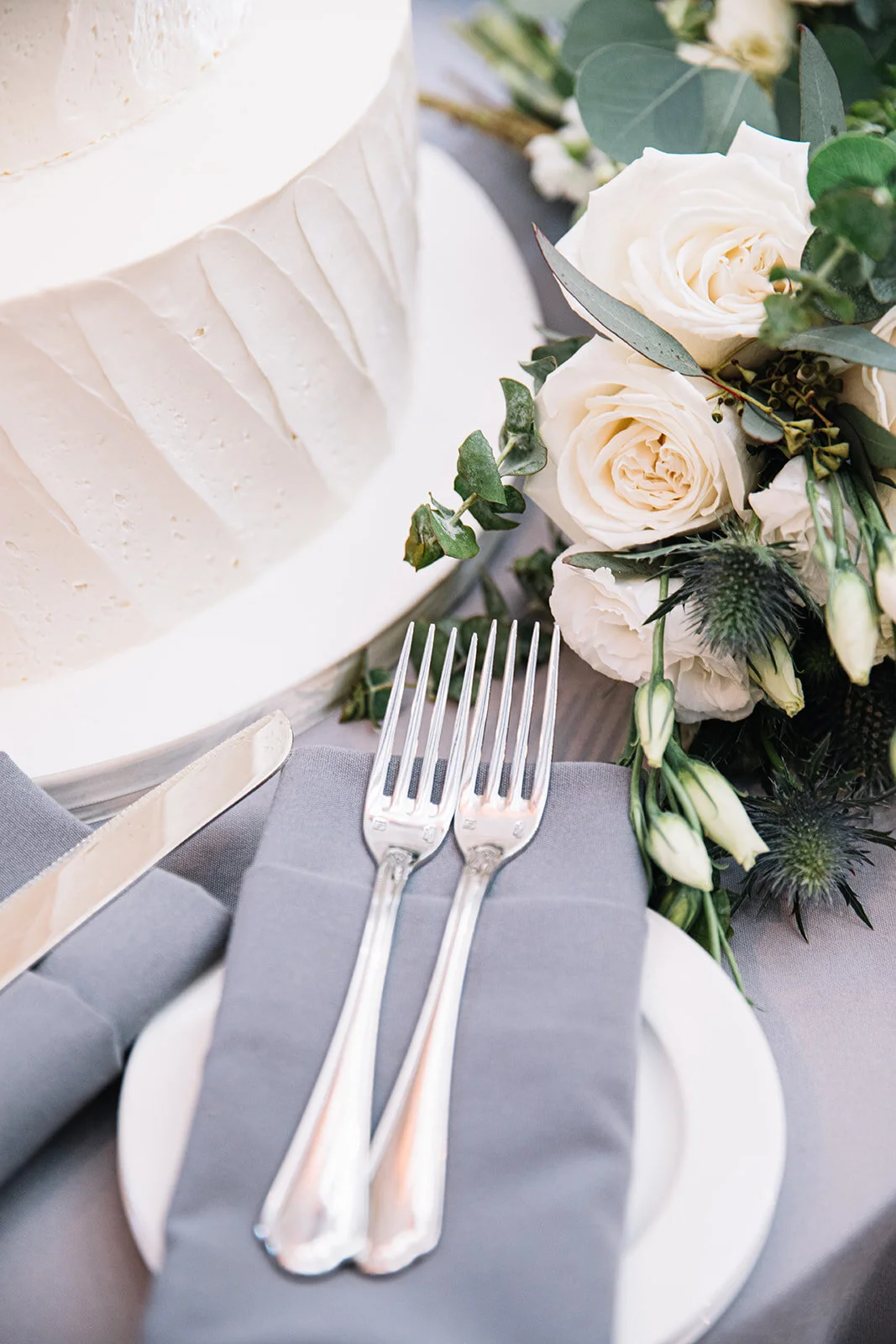
Connecticut offers a particularly appealing backdrop for intimate weddings because its visual character changes from town to town. A ceremony may take place near a historic town green, inside a stately municipal building, beside a modern civic plaza, or within a smaller office that feels quiet and understated. Your flowers can echo that setting without becoming overly literal. Soft garden blooms may complement a historic exterior, while a clean sculptural bouquet can look striking against stone, glass, or simple interior walls.
Choosing the right flowers is ultimately about editing. You do not need more stems, more colors, or more decoration to make the day feel important. You need a bouquet with the correct scale, texture, palette, and personality. When those elements are balanced, even a few carefully chosen blooms can make a courthouse ceremony feel unmistakably yours.
Why Intimate Ceremonies Benefit From Intentional Flowers
In a large wedding venue, flowers are part of a much broader visual story. Guests notice the ceremony backdrop, reception tables, lighting, linens, signage, and dozens of other decorative choices. At a courthouse or town hall ceremony, the visual field becomes much simpler. That simplicity gives your bouquet more influence. It may be the first detail people notice in person and the most consistent element appearing throughout your photographs. For that reason, intimate wedding flowers should be selected with intention rather than treated as a last-minute accessory.
A thoughtfully designed bouquet creates an emotional transition between an ordinary morning and an extraordinary moment. You may get dressed at home, ride to the ceremony in your own car, and walk through a public entrance rather than down a formal aisle. Holding flowers gives the day a gentle sense of ritual. The bouquet becomes something to carry when your hands feel nervous, something to focus on while waiting, and something that visually signals that this is not just another appointment. It is your wedding day.
Flowers also soften practical environments. Municipal offices are designed for function, not romance. You may encounter fluorescent lighting, neutral walls, metal detectors, waiting areas, directional signs, or service counters. A bouquet introduces color and organic movement into that setting. It creates contrast without requiring you to decorate the room or alter a public space. In photographs, that contrast can be especially powerful. A loose cluster of petals against stone steps or a tailored posy against a simple suit often looks effortlessly chic.
Intentional does not mean expensive or complicated. It means that each choice has a reason. Perhaps you select one flower because it grew in your grandmother’s garden, or choose a warm ivory palette because it complements your coat and the season. Maybe you prefer a single-flower bouquet because its simplicity reflects the directness of your ceremony. These decisions make the arrangement feel connected to the couple rather than copied from a generic wedding formula.
An intimate ceremony allows flowers to be seen up close. Guests notice the texture of a petal, the color of ribbon, and the way the stems move when you walk. That closeness rewards thoughtful design. The bouquet does not need to shout across a ballroom. It simply needs to feel beautiful from an arm’s length away.
Begin With the Courthouse or Town Hall Setting
Before choosing a flower variety, begin with the place where the ceremony will happen. In Connecticut, the phrase “courthouse wedding” is often used broadly to describe a simple civil ceremony, but the actual setting may be a courthouse, town hall, municipal office, clerk’s office, or another civic space. Each location has its own proportions, rules, lighting, and atmosphere. Your flowers should feel comfortable within that environment rather than looking as though they belong to an entirely different type of event.
Look at the building’s exterior and interior if photographs are available. Historic municipal buildings often feature brick, pale stone, carved wood, traditional staircases, or formal columns. Those settings pair beautifully with romantic flowers, soft foliage, and refined garden textures. Modern civic buildings may have glass walls, gray surfaces, clean lines, and minimal interiors. Against that backdrop, a bouquet with a bold silhouette or limited color palette can feel especially striking. Neither approach is better. The setting simply gives you clues about what will photograph naturally.
You should also consider where most of the day’s images will be taken. The ceremony room may not permit extended photography, so portraits could happen on the steps, near a town green, along a sidewalk, or at a nearby restaurant. A bouquet that looks subtle indoors may appear much more colorful in daylight. Similarly, delicate pale flowers can look luminous against dark stone but may disappear against a white coat or light-colored wall. Thinking about the entire visual route helps you choose flowers that remain distinctive in different conditions.
Scale is another important clue. A tiny municipal office may make a large bouquet feel theatrical, while an expansive staircase can visually reduce a very small posy. You do not need to match the architecture exactly, but your flowers should hold their own in the space.
The setting also affects practicality. Public buildings may have security procedures, limited waiting areas, narrow hallways, or restrictions on where personal items can be placed. A courthouse bouquet should be easy to carry, stable when briefly set down, and comfortable during paperwork. Beauty matters, but in a civil ceremony, ease of movement is part of good design.
Consider Architecture, Security, and Movement
Courthouse wedding flowers must move through the day with you. That may sound obvious, but many bouquets are chosen as though they will be carried only for a five-minute walk down an aisle. A civil ceremony often involves more transitions. You may enter through a public doorway, pass through security, check in at an office, wait in a hallway, sign documents, take an elevator, exchange vows, and then walk outside for photographs. The bouquet needs to remain manageable through every stage.
Start by thinking about width. A very wide bouquet may bump into doorframes, railings, other visitors, or security equipment. Cascading designs can catch on bags and coat buttons, especially in winter. Loose greenery that extends far beyond the central flowers may look beautiful in a studio photograph but become frustrating in a crowded public building. For most courthouse ceremonies, a bouquet between approximately 8 and 12 inches across feels substantial without becoming difficult to carry. A slightly larger design can work, but it should remain structurally controlled.
Security procedures vary, so choose a bouquet that can be inspected without falling apart. Avoid hiding personal items inside the flowers or attaching heavy objects to the stems. Pins, exposed wires, sharp floral mechanics, and oversized metal structures can create unnecessary complications. Most professional arrangements are perfectly straightforward, but a clean hand-tied design is generally easier to handle than an elaborate bouquet built around a complex internal frame.
Consider where you will place the flowers while signing documents. A bouquet with a flat or stable stem base can rest briefly on a desk or chair without rolling. Stems should be neatly wrapped, with no dripping water or sticky residue. If the bouquet is delivered in a water-filled container, someone should remove and dry the stems before the ceremony begins.
Architecture influences movement too. Historic buildings may have steep steps and heavy doors, while modern buildings may include revolving doors or long corridors. You may need one hand free to hold a railing, open a door, or manage paperwork. Assign a partner, witness, or guest to carry the bouquet when necessary.
A beautiful bouquet should support the experience, not create another task. When the flowers are secure, balanced, and easy to pass from one person to another, you can focus on the ceremony instead of worrying about bent stems or falling petals.
Size the Bouquet for Your Outfit and Frame
The most flattering courthouse bouquet is proportionate to both your body and your clothing. This is not about following rigid rules based on height or size. It is about creating visual balance. A bouquet should complement the person holding it rather than covering the outfit, overwhelming the hands, or disappearing entirely in photographs. Because courthouse wedding portraits are often taken at close range, proportion becomes especially noticeable.
Begin with the silhouette of your clothing. A tailored suit, short dress, jumpsuit, or minimalist sheath often pairs beautifully with a compact bouquet. Clean clothing lines can be interrupted by a very wide, loose arrangement, while a neat posy preserves the outfit’s structure. A flowing midi dress, long skirt, dramatic coat, or softer romantic look can support a bouquet with more movement. Gentle trailing foliage or an asymmetrical shape may echo the fabric without appearing excessive.
Color contrast matters as much as size. If you are wearing white, ivory, cream, or pale gray, an all-white bouquet can look timeless, but it needs enough variation in texture and tone to remain visible. Flowers in soft blush, warm beige, muted peach, butter yellow, or dusty lavender can create separation while preserving a refined palette. Darker clothing can support pale flowers beautifully, although a richer bouquet may create a more editorial effect.
Your frame influences how the bouquet reads in photographs. Petite people often feel comfortable with arrangements around 7 to 10 inches wide, while taller individuals may prefer a bouquet with slightly more length or visual movement. However, personality matters more than formulas. Someone petite may love a bold sculptural bouquet, and someone tall may prefer a tiny bundle of flowers. The bouquet succeeds when it looks intentional rather than accidental.
Hold a household object of a similar width before making a final decision. A dinner plate, folded towel, or paper circle can help you visualize the bouquet against your outfit. Stand in front of a mirror and hold it at waist level, then slightly lower. Notice whether it covers important tailoring, jewelry, or the line of the clothing.
The right bouquet should leave room for you. Your posture, expression, outfit, and connection with your partner remain the center of the image. The flowers frame that story; they should never hide it.
Choose a Bouquet Silhouette That Feels Personal
Bouquet silhouette has a greater effect on style than the specific flower varieties used. Two arrangements made with similar blooms can feel completely different depending on their shape. One may look polished and traditional, while the other appears modern and artistic. For a courthouse wedding, the best silhouette is one that suits your clothing, setting, comfort level, and personality without becoming unnecessarily complicated.
A rounded posy creates a classic, composed look. It is easy to carry, looks balanced from several angles, and fits naturally into close-up portraits. A loose hand-tied bouquet feels softer and more relaxed, with stems and flowers arranged as though they were gathered from a garden. An asymmetrical bouquet introduces movement by extending more strongly in one direction. A sculptural design may use only a few striking stems, relying on line and negative space rather than fullness.
The bouquet should also feel natural in your hands. Some people prefer a design that can be held with one hand, while others enjoy the weight and presence of a fuller arrangement. If you tend to feel nervous, a compact bouquet can provide a comfortable focal point without requiring constant adjustment. If you love fashion and expressive styling, an unusual shape may become the visual signature of the day.
Bouquet silhouette
Visual effect
Best suited for
Compact posy
Polished and timeless
Tailored dresses, suits, short ceremonies
Loose hand-tied bouquet
Romantic and relaxed
Soft fabrics, historic settings, garden portraits
Asymmetrical bouquet
Modern and expressive
Minimal outfits, architectural backdrops
Single-flower bundle
Clean and confident
Contemporary styling, limited color palettes
Petite cascade
Graceful and dramatic
Longer outfits, formal courthouse portraits
Avoid choosing a silhouette only because it looks impressive in a close-up photograph. Consider how it will appear from head to toe, how it will fit inside a car, and whether it can be held comfortably for an extended period. A courthouse ceremony may be brief, but waiting and portraits can lengthen the day.
The strongest choice usually feels like an extension of your existing style. If you rarely wear highly romantic clothing, an oversized ruffled bouquet may feel disconnected. If you love texture and softness, a rigid geometric arrangement may seem too severe. Your flowers should look like something you would genuinely choose, only elevated for the occasion.
Petite Hand-Tied Bouquets and Polished Posies
A petite hand-tied bouquet is one of the most reliable choices for a courthouse wedding. It feels celebratory without becoming cumbersome, photographs beautifully at close range, and can be adapted to almost any personal style. The stems are gathered in the hand and secured with ribbon or another simple wrap, creating a natural shape that feels less formal than a tightly constructed ballroom bouquet. A polished posy uses a similar scale but usually has a more rounded, controlled silhouette.
The beauty of a smaller bouquet is that every flower becomes visible. Instead of relying on volume, the design depends on thoughtful placement, color relationships, and texture. A few focal blooms can be surrounded by smaller flowers and restrained foliage. Because the arrangement is compact, you can choose premium-looking stems without needing a large quantity. This often creates a more refined effect than using many inexpensive flowers simply to increase size.
A posy is particularly well suited to tailored clothing. It sits neatly at the waist, does not hide the front of a suit or dress, and can be carried with one hand. It also works well when both partners choose flowers, since two compact arrangements can appear coordinated without feeling visually competitive. For couples who want the ceremony to feel elegant but understated, this silhouette strikes an ideal balance.
Hand-tied bouquets can range from neat to intentionally loose. A clean version may feature flowers arranged at similar heights, creating a smooth rounded surface. A garden-style version can include slightly varied stem lengths, delicate movement, and a few airy accents around the edges. Even in the looser style, the design should remain controlled enough for a public building.
Stem wrapping deserves attention. A courthouse bouquet is frequently photographed from the side, and the stems may be visible while you sign documents or walk outdoors. Ribbon should feel secure and comfortable, with no long ends that tangle around the hands. The wrap can coordinate with the outfit, but it does not need to match perfectly.
A petite bouquet does not look insignificant when the proportions are correct. In fact, its restraint can make it appear more intentional. Like a beautifully tailored jacket, it succeeds because every line has been considered and nothing unnecessary has been added.
Modern Asymmetrical and Sculptural Bouquets
For couples drawn to contemporary fashion, architectural spaces, or less traditional wedding styling, an asymmetrical or sculptural bouquet can make a courthouse ceremony feel distinctive. These arrangements do not rely on a perfect round shape. Instead, they use line, direction, negative space, and contrast to create movement. A few curved stems may extend to one side, a bold flower may sit slightly off-center, or the bouquet may have a narrow vertical shape that feels almost like wearable art.
The key to a successful sculptural bouquet is restraint. “Modern” does not need to mean large, wild, or difficult to carry. A courthouse-friendly design can use only five to twelve prominent stems, provided each one contributes something important. One flower may establish color, another may create height, and a branch or leaf may draw the eye outward. The empty space between stems becomes part of the design, much like silence in music.
This style pairs beautifully with minimal clothing. A simple column dress, tailored pantsuit, clean jumpsuit, or monochromatic outfit provides a quiet background for a bouquet with personality. It can also create striking contrast against formal municipal architecture. Curved stems and irregular petals soften stone walls, staircases, metal railings, and geometric windows.
Asymmetrical bouquets require careful balance. Although the flowers may extend to one side, the arrangement should not feel physically unstable. The handle must remain comfortable, and the weight should sit naturally in the hand. A design that constantly rotates or pulls the wrist will become tiring during portraits. Ask for a clear front-facing orientation, but make sure the back of the bouquet also looks finished because it may be seen while walking or signing documents.
Transportation is another consideration. Long stems and projecting flowers can be damaged by car doors, seat belts, or tight hallways. The bouquet should fit inside a protective container without being compressed. Someone should carry it separately rather than placing it flat on a seat.
A sculptural bouquet is ideal when you want one strong visual statement instead of several decorative elements. It can give a small ceremony a fashion-forward identity while remaining entirely appropriate for the setting. The secret is choosing expressive lines without sacrificing comfort, durability, or proportion.
Build a Refined Seasonal Color Palette
A sophisticated courthouse bouquet usually begins with a limited color palette. Intimate ceremonies benefit from visual clarity, and too many unrelated colors can make a small arrangement feel busy. Two or three main tones, supported by subtle variations, often create a more polished result than a rainbow of separate shades. The palette can reflect the season, your clothing, the building, or simply the colors that make you feel most like yourself.
Neutral flowers are a natural choice for civil ceremonies because they feel timeless and photograph well in both indoor and outdoor light. White, cream, ivory, pale beige, and soft green create a clean foundation. However, neutral does not need to mean flat. Warm ivory can sit beside cool white, while pale foliage, textured petals, and darker centers add dimension. Small differences in tone prevent the bouquet from blending into light-colored clothing.
Muted color can create a romantic but mature look. Dusty rose, faded apricot, soft lavender, pale blue, and warm peach feel expressive without becoming loud. These shades pair beautifully with historic Connecticut settings, especially when the ceremony takes place near brick, stone, wood, or autumn foliage. For a more contemporary look, consider a single clear color used confidently. Deep red, bright yellow, saturated pink, or rich purple can become the focal point of an otherwise minimal outfit.
The season should guide the palette without controlling it completely. You do not need orange flowers simply because the wedding is in October or pastel flowers because the ceremony is in May. Seasonal influence can be subtle. A winter bouquet might use deep green leaves and creamy flowers rather than obvious holiday colors. A summer arrangement could include warm white and fresh green instead of bright tropical tones.
Lighting matters as well. Courthouse interiors may be cooler and dimmer than outdoor spaces, which can mute delicate colors. Very pale blush may appear nearly white indoors, while deeper shades remain visible. If portraits will be taken outside, daylight will reveal more variation.
A refined palette feels connected from every angle. The flowers, ribbon, clothing, accessories, and environment do not need to match, but they should speak the same visual language. When color choices are edited carefully, the bouquet appears intentional even when the design itself is loose and natural.
Spring and Summer Courthouse Wedding Flowers
Spring and summer offer an abundance of flowers with soft movement, fresh color, and natural fragrance. For a Connecticut courthouse wedding, the challenge is not finding enough options. It is choosing a focused combination that feels elegant rather than overly garden-like. Seasonal availability can vary from week to week, so it is helpful to begin with a mood and palette instead of insisting on one exact flower.
Spring bouquets often feel beautiful when they capture a sense of newness. Soft white, pale yellow, blush, lavender, and fresh green can reflect the season without becoming predictable. Flowers with delicate petals and curved stems create a graceful, slightly airy shape. A compact arrangement may combine one or two larger focal blooms with smaller clustered flowers and light foliage. The result feels fresh and celebratory, which suits a ceremony centered on beginnings.
Early spring weather in Connecticut can be unpredictable. A sunny morning may become cold and windy by afternoon. Delicate flowers should be protected during transport, especially if portraits will happen outdoors. Avoid leaving the bouquet in an unheated car, and use a protective sleeve until you reach the ceremony location.
Summer offers stronger color and fuller textures. Warm white, peach, coral, butter yellow, soft pink, and vivid green can look beautiful in natural light. Couples who prefer a bolder look may choose a monochromatic bouquet in one saturated color. A single-color design often appears especially chic with a simple dress or suit because the visual message is clear.
Heat becomes the main concern during summer. Some delicate flowers lose moisture quickly, particularly when held outdoors for an extended portrait session. Choose varieties known for maintaining their shape, and keep the bouquet hydrated until shortly before the ceremony. A smaller arrangement can be an advantage because it is easier to cool, transport, and refresh.
Seasonal flowers do not need to look rustic. The same spring or summer blooms can feel polished when grouped by color, arranged in a controlled silhouette, and finished with a clean ribbon. The difference lies in editing. Rather than including every beautiful flower available, select a few shapes and textures that support the overall style.
A successful warm-season courthouse bouquet should feel alive but not unruly. It can suggest a garden without looking as though the entire garden has been gathered into your hands.
Fall and Winter Courthouse Wedding Flowers
Fall and winter courthouse weddings have a naturally cinematic quality. Connecticut’s cooler months bring textured landscapes, darker clothing, soft afternoon light, and architecture that can feel especially atmospheric. Flowers can respond to that mood through richer color, stronger form, and carefully selected seasonal details. The bouquet does not need to become heavy or overly dramatic, however. A limited palette can preserve the intimacy of the ceremony.
For fall, consider colors that echo the season without copying the landscape too literally. Rust, caramel, wine, muted coral, antique pink, cream, and deep green can create warmth. A bouquet built entirely from orange and brown may feel expected, while adding one surprising tone—such as pale blue, dusty lavender, or soft blush—can make the design feel more personal. Texture is especially effective in autumn. Small seed-like elements, velvety petals, dried accents, or sculptural foliage can add depth without requiring a larger arrangement.
Winter bouquets often benefit from strong contrast. White and ivory flowers against a dark coat create a clean, timeless image. Deep red, plum, burgundy, or forest green can produce a richer editorial look. Couples who prefer minimalism may choose a compact bouquet of one flower type with little or no foliage. The simplicity can feel striking against bare trees, stone steps, or a quiet municipal interior.
Cold temperatures present practical challenges. Flowers can be damaged by freezing air, especially when they move directly from a warm room into outdoor conditions. Keep the bouquet covered while entering and leaving the building, and limit exposure during portraits when temperatures are severe. A photographer can plan shorter outdoor intervals with warm breaks between them.
Winter clothing also affects bouquet size. Coats, gloves, scarves, and heavier fabrics add visual volume. A bouquet that looked substantial during planning may appear smaller when held against a structured coat. Conversely, a very large bouquet can become awkward when combined with sleeves and gloves. Testing the arrangement’s approximate size against the full outfit is essential.
Fall and winter flowers look most sophisticated when they capture atmosphere rather than relying on seasonal clichés. Think of the bouquet as a small concentration of warmth in a cool environment. The contrast between petals, architecture, weather, and clothing can create some of the most memorable courthouse wedding images of the year.
Plan Delivery, Timing, and Portraits Carefully
A courthouse wedding timeline is often shorter than a traditional wedding schedule, but that does not mean timing is less important. In fact, the compact nature of the day can make delays more noticeable. If the bouquet arrives late, there may be no extended preparation period to absorb the problem. If it arrives too early, it may sit in a warm room, cold car, or public waiting area longer than expected. The ideal plan keeps the flowers fresh while ensuring they are available before you need to leave for the ceremony.
Whenever possible, have the bouquet delivered to the place where you are getting dressed rather than directly to the courthouse. A home, hotel, private residence, or nearby indoor location usually provides a calmer environment for inspecting the flowers, drying the stems, and making small adjustments. Public buildings may not have a convenient place to store a water-filled container, and security staff are not responsible for monitoring wedding flowers.
Aim to receive the bouquet with enough time to address minor issues but not so early that it spends most of the day out of water. A window of roughly one to three hours before departure often works well, depending on travel distance and flower type. The stems should remain hydrated until shortly before you leave. Pat them dry before wrapping them in a protective sleeve or carrying them into a vehicle.
Portrait timing should be coordinated with the bouquet’s condition. If outdoor photographs are planned before the ceremony, the flowers will need to withstand more handling and weather exposure. Taking most portraits afterward can preserve the bouquet for the vows, but it may also mean the arrangement has already been held for several hours. There is no universal answer. The right sequence depends on temperature, light, travel, and personal preference.
Assign one person to watch the flowers when you are not holding them. That person should know how to place the bouquet in water, keep it upright, and protect it from direct heat or cold. This small responsibility prevents the arrangement from being set on a car seat, forgotten near a heater, or placed where petals may be crushed.
Good timing creates the illusion of ease. The flowers arrive, travel, and appear in photographs exactly when needed, allowing the day to feel spontaneous even though the logistics were carefully planned.
Protecting Flowers During Connecticut Weather
Connecticut weather can change quickly, particularly during early spring, late fall, and winter. A bouquet may leave a warm indoor space, spend several minutes in cold air, sit inside a heated car, and then return outdoors for photographs. Those temperature shifts are often harder on flowers than the ceremony itself. Protecting the arrangement requires a few simple habits rather than complicated equipment.
In cold weather, keep the bouquet covered while walking between buildings and vehicles. A paper or fabric sleeve can shield delicate petals from wind without trapping excessive moisture. Plastic may provide short-term protection, but it should not remain tightly wrapped around damp flowers for long periods. Never place the bouquet directly against a car heater. Sudden hot air can dry petals quickly and cause soft flowers to wilt.
During warm weather, avoid leaving flowers in a parked vehicle, even for a brief stop. Car interiors heat rapidly, and a bouquet can lose freshness before the ceremony begins. Keep the stems in water until departure, then transport the arrangement in a stable container placed on the floor rather than on a seat. A box or crate can prevent the vase from tipping during turns.
Rain presents a different challenge. A few drops may not harm sturdy flowers, but heavy moisture can spot pale petals, weaken delicate blooms, and darken ribbon. Use an umbrella large enough to protect both the person and the bouquet. If photographs are planned outside, bring a clean towel to dry the stems and handle before entering the building.
Wind can damage a loose or sculptural bouquet by bending extended stems. Hold the arrangement close to the body when moving outdoors, and turn the most delicate side away from the wind. Avoid placing the bouquet on stone steps, wet benches, or the roof of a car while adjusting clothing.
The bouquet should also be prepared for indoor conditions. Municipal buildings may be heavily heated in winter or cooled in summer. Keep flowers away from vents and radiators while waiting.
Weather protection does not need to appear in your photographs. Sleeves, containers, towels, and umbrellas can be removed moments before the image is taken. Think of them as backstage tools. They preserve the effortless beauty everyone sees by handling the practical work no one notices.
Add Only the Personal Flowers That Truly Matter
A courthouse wedding does not require a full collection of traditional floral pieces. You do not automatically need matching bouquets, multiple boutonnieres, corsages for every relative, ceremony arrangements, aisle decorations, and reception centerpieces. The intimacy of the occasion gives you permission to choose only the flowers that contribute genuine meaning or visual value. This editing often makes the day feel more sophisticated, not less complete.
Begin with the bouquet or primary handheld arrangement. That piece usually has the strongest emotional and photographic role. From there, consider whether your partner would enjoy wearing or carrying flowers. A boutonniere can add polish to a suit, coat, dress, or jumpsuit, but it should be designed for the actual fabric. Heavy flowers may pull on lightweight material, while a small cluster or single bloom can sit more comfortably. A pocket flower arrangement may work when pinning is not ideal.
Corsages are optional. They can be meaningful for parents, grandparents, witnesses, or other loved ones, but they should not be included only because tradition suggests it. Some people find wrist flowers uncomfortable, particularly under coats or long sleeves. A small pin-on flower, miniature bouquet, or no floral piece at all may suit the person better.
Hair flowers can create a romantic detail without adding another object to carry. However, they need to be selected for durability and attached securely. Fresh flowers near the face should be lightweight and free from strong pollen or fragrance. They should also be prepared shortly before use so they remain crisp.
If the ceremony location allows no decorations, do not worry. The bouquet can provide enough visual identity on its own. You might add a small arrangement at a celebratory meal afterward, but it does not need to match the bouquet exactly. Repeating one flower or color is enough to create connection.
Personal flowers should feel like punctuation, not clutter. One bouquet, one boutonniere, and perhaps one meaningful piece for a loved one may tell the entire story. The right number is not determined by etiquette. It is determined by who is present, what they will enjoy, and how the flowers support the experience. In an intimate wedding, every stem should have a purpose.
Conclusion
Courthouse wedding flowers in Connecticut are most successful when they honor the intimacy of the ceremony rather than trying to transform it into a smaller version of a large traditional wedding. A civil ceremony has its own beauty: direct, personal, calm, and focused on the commitment itself. The flowers should support that atmosphere. They can create softness inside a practical building, add color to portraits, and give you something meaningful to hold without overwhelming the simplicity of the day.
Begin with the ceremony setting. Consider whether the building is historic or modern, formal or understated, spacious or compact. Think about security, doorways, stairs, elevators, and the amount of movement required. A bouquet that fits comfortably through the day will feel more luxurious than one that is beautiful but constantly difficult to manage.
Choose a silhouette that reflects your style. A petite posy offers timeless polish, while a loose hand-tied bouquet feels romantic and relaxed. An asymmetrical design can make a minimalist outfit look fashion-forward, and a single-flower bundle can create remarkable impact through restraint. The best bouquet is not the largest one. It is the arrangement that appears naturally connected to the person holding it.
Use color thoughtfully. A limited palette often looks most refined in an intimate setting. Seasonal flowers can provide texture and atmosphere, but you do not need to follow predictable seasonal combinations. Spring can be clean and modern, autumn can include pale shades, and winter can feel soft rather than dramatic. Personal preference should guide the final choice.
Finally, plan the practical details. Arrange delivery with enough time for inspection, keep the stems hydrated, protect the bouquet from Connecticut weather, and assign someone to care for it during paperwork or travel. Choose only the personal flowers that genuinely matter.
A courthouse wedding proves that scale and significance are not the same thing. The ceremony may be brief, the guest list may be small, and the bouquet may fit easily in one hand. Yet when each detail is intentional, the day can feel complete, elegant, and deeply memorable.