Bar and Bat Mitzvah Flowers in Connecticut: Modern Themes Beyond Traditional Centerpieces
For years, floral planning for a Bar or Bat Mitzvah often followed a familiar formula: choose a color palette, select centerpieces for the adult tables, create a simpler version for the kids, add something near the place-card table, and call the floral design finished. That approach can still work, but modern celebrations in Connecticut have moved far beyond it. Families are treating the entire room as one visual experience, which means flowers are showing up in entrances, lounges, seating displays, dance floors, food stations, photo areas, bars, staircases, and other places guests actually interact with. The centerpiece is no longer the only star of the show.
That shift makes sense because a Mitzvah celebration is different from many other formal events. It has to work for several audiences at the same time. The guest of honor should feel that the party reflects their personality rather than an adult interpretation of what a thirteen-year-old is supposed to like. Friends should feel excited to explore, dance, take photos, and hang out. Parents and extended family still want the event to look polished, meaningful, and sophisticated. The floral design sits right in the middle of all those expectations.
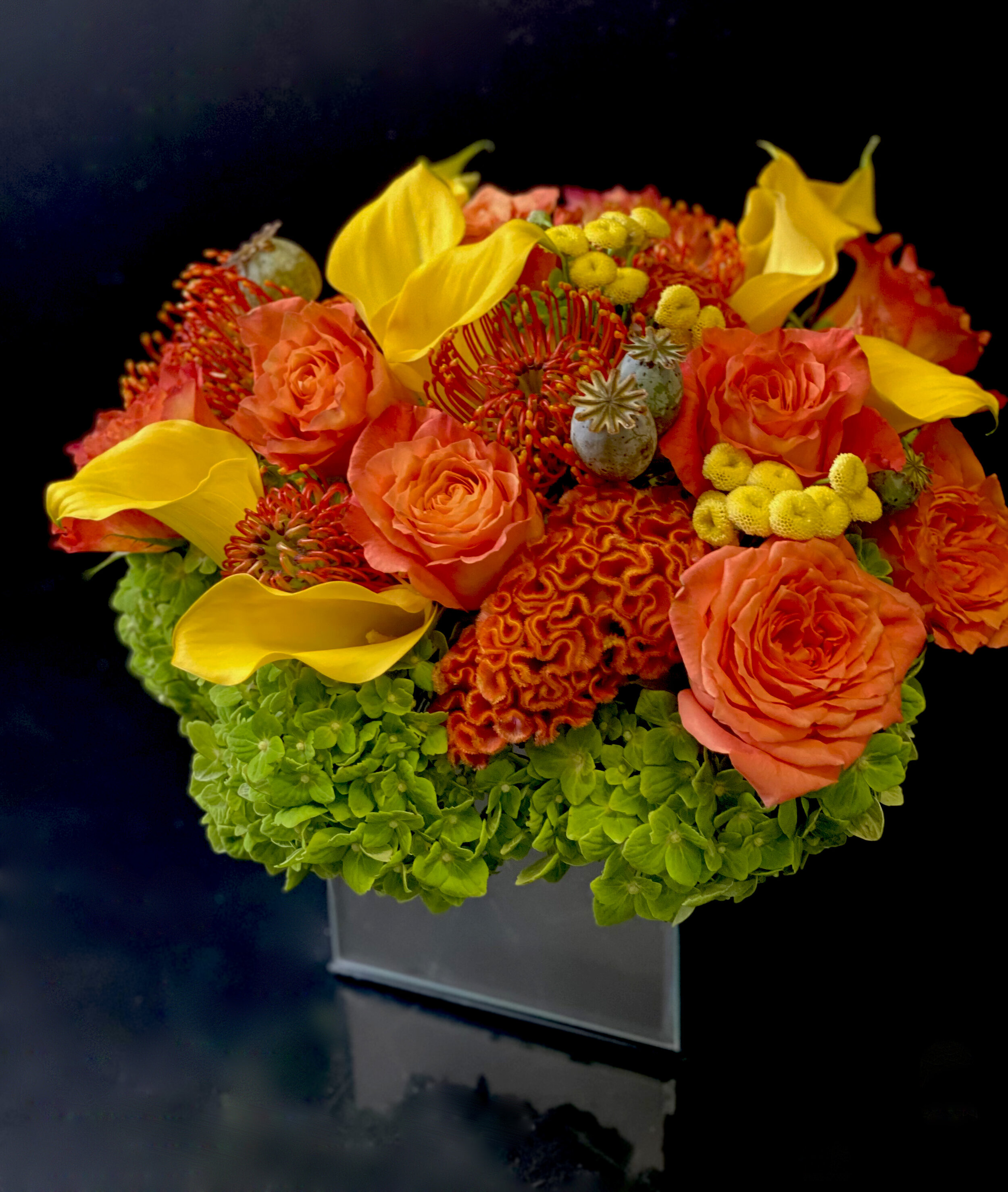
Connecticut venues create plenty of room for creativity. A celebration might take place in a country club, hotel ballroom, restaurant, event space, historic property, tent, or private home. Each location provides different opportunities for floral installations and styling. A ballroom may need scale and color to keep arrangements from disappearing. A modern restaurant may already have architectural personality and need only a few carefully placed floral statements. A private property can benefit from flowers that help define where one part of the celebration ends and another begins.
The key is to stop thinking of flowers as objects placed on tables and start thinking of them as visual tools. They can frame a moment, highlight a theme, soften architecture, create color, direct movement, make a photograph more interesting, or give a large room a stronger sense of identity. That is where modern Mitzvah floral design becomes much more exciting—and much more personal.
Why Mitzvah Floral Design Is Moving Beyond the Centerpiece
Traditional centerpieces are not disappearing, nor should they. Guests still spend a substantial portion of the celebration seated for dinner, speeches, blessings, or presentations, so the tables deserve thoughtful design. The difference is that families no longer expect centerpieces to carry the entire decorative concept. Think about how guests actually experience a modern Mitzvah. They arrive through an entrance, check in or find their seating assignment, move into cocktails, see the main room, explore lounge areas, gather for photographs, head to the dance floor, visit food and dessert stations, and move back and forth between different zones throughout the event. A centerpiece affects only one chapter of that experience.
That is why contemporary floral budgets are increasingly being distributed according to guest interaction and visual impact. A large arrangement near the entrance may be seen by every guest and appear in dozens of photographs. A floral installation behind an escort-card display can create one of the first memorable moments of the evening. Flowers near a photo backdrop may be photographed hundreds of times, while an equally expensive arrangement tucked into a quiet corner could go almost unnoticed. Placement matters as much as flower choice.
Modern venues also encourage this broader approach. Large rooms often include dramatic bars, staircases, built-in lounges, fireplaces, architectural niches, stages, or unusually shaped walls. Florals can help connect those existing elements to the party design. Instead of covering every surface, one bold arrangement can visually claim a specific area and make it feel like part of the celebration.
There is another reason the design has evolved: Mitzvah themes themselves have become more personal. Families are less interested in decorating around a generic theme and more interested in creating an environment based on a personality, color story, hobby, favorite activity, or specific aesthetic. Flowers work beautifully in that approach because they can communicate mood without becoming literal.
A celebration inspired by basketball does not need tiny basketballs sticking out of every vase. Music does not require centerpieces made from records. Travel does not mean turning every table into a miniature tourist destination. Flowers, color, lighting, graphics, and materials can reference those interests in a cleaner, more sophisticated way.
When you stop asking, “What centerpiece should we choose?” and start asking, “What should guests feel when they enter this party?”, floral design becomes much more flexible and interesting.
Start With Personality Instead of Picking a Theme From a List
One of the quickest ways to make a Mitzvah feel dated is to begin by choosing from a list of standard themes. Sports. Travel. Movies. Broadway. Gaming. Beach. Fashion. Music. These ideas are not inherently bad, but they become limiting when the theme takes over the guest of honor instead of reflecting them. A better starting point is personality. What does this person actually like? What colors do they wear? Are they energetic or understated? Do they love competition, art, dance, technology, animals, fashion, or being outdoors? Do they want a party that feels bold and electric or something softer and more elegant?
Once you answer those questions, flowers become easier to design because you are working from a real point of view. Suppose the guest of honor loves basketball but does not want a room full of orange. You could build a more sophisticated palette around black, ivory, deep green, metallic accents, or one strong team-inspired color. Florals might use sculptural shapes and dramatic height to create energy without including a single literal basketball reference. The theme is still present, but it feels designed rather than decorated.
The same principle works for music. Instead of filling arrangements with musical notes, think about the emotional quality of the music itself. Is the taste energetic and colorful? Moody and modern? Classic and elegant? A floral palette of saturated reds and magentas creates a completely different musical atmosphere from white flowers, black details, and sharp architectural greenery.
Personality also helps determine scale. An outgoing teenager who wants the party to feel like a high-energy event may enjoy large color moments, bold installations, and dramatic dance-floor décor. Someone more reserved might prefer smaller refined arrangements, beautiful lighting, lounge flowers, and a sophisticated monochromatic palette.
Parents naturally have their own ideas about what looks elegant, and that perspective matters. The strongest design often sits between generations. The guest of honor provides the personality; the adults help shape the level of polish. Flowers are especially good at bridging that gap because they can make a youthful theme feel elevated without removing the fun.
Instead of asking your child to choose a “theme,” ask them to describe three things they want the party to feel like. Exciting? Cool? Warm? Colorful? Minimal? Glamorous? Relaxed? Those answers often produce a much stronger floral direction than any catalog of prepackaged concepts.
Create a Statement Entrance That Sets the Mood Immediately
Guests form an impression of an event before they reach their table. That is why the entrance can be one of the most valuable places to use flowers. A well-designed entrance signals that this is not an ordinary dinner or generic banquet. It introduces the color palette, energy, and level of formality before anyone steps into the main room. For Bar and Bat Mitzvah celebrations, that first impression can be especially useful because the event often transitions from a meaningful religious milestone into a lively party. The entrance helps announce that transition.
A statement entrance does not necessarily mean building a giant flower wall. In fact, a more edited design can feel significantly more contemporary. Consider two sculptural floral arrangements flanking the entrance, an asymmetrical installation climbing around a doorway, flowers integrated with the event signage, or a grouping of large floor arrangements placed at different heights. The goal is to create one visual composition rather than scattering many unrelated decorative pieces nearby.
Scale is crucial. A tall ballroom entrance requires enough height to look intentional from a distance. A smaller restaurant or private-event space may need much less. If you try to copy an arrangement designed for a twenty-foot ceiling inside a narrow foyer, it will feel overwhelming. If the flowers are too small for a large entrance, they may look like an afterthought. Good floral design responds to architecture.
The entrance is also a smart location for theme references. If the party is inspired by fashion, perhaps the florals are clean, editorial, and monochromatic. A celebration inspired by the outdoors could use branches, grasses, green foliage, and natural texture. A bold dance-party concept could introduce saturated color immediately. You are communicating the theme through style rather than attaching literal props to every arrangement.
Lighting matters here as well. Entrance flowers need enough illumination to remain visible, especially if guests arrive after sunset. A beautiful arrangement sitting in a dark corner is wasted. Coordinate flowers and lighting as part of one design moment.
The biggest advantage of a strong entrance is that you can simplify some secondary areas. Guests remember a dramatic beginning. One intentional welcome moment often creates more impact than ten small arrangements spread through transitional spaces. It gives the celebration a visual identity immediately and makes the rest of the design feel connected from the first step inside.
Turn the Escort Card or Seating Display Into a Floral Moment
The seating display is one of the most natural places to create something memorable because nearly every guest has to interact with it. Unlike a decorative arrangement placed in a corner, the escort-card area has built-in traffic. People walk toward it, stop, search for their names, talk with one another, and often take photographs while they are there. That makes it a perfect place to move beyond a traditional table covered with small cards and one centerpiece.
Modern seating displays can be designed vertically, which immediately gives flowers more opportunity to create impact. A wall of names, shelves, individual cards, hanging elements, or a freestanding structure can all become part of the floral composition. Flowers can climb around one side, appear as grounded arrangements at the base, or frame the top without covering the information guests actually need to read. The flowers should support the function, not interfere with it.
This is also a great area to express the theme in a subtle way. For a tennis-inspired celebration, the display might use clean green and white florals with graphic lines rather than literal rackets everywhere. A dance theme could incorporate movement through long stems and cascading flowers. An art-focused party might use unexpected color combinations or sculptural arrangements that feel almost like an installation. The florals can translate the guest of honor’s interests into design language.
Height and depth help make a seating display feel substantial. Instead of treating the flowers like a small accessory attached to signage, let them create an environment around it. Floor arrangements can visually connect the display to the rest of the room. Smaller flowers integrated into shelves or signage can provide detail at eye level. The combination looks more intentional than one isolated arrangement sitting on a table.
Be careful not to sacrifice readability. Guests should not have to move flowers aside to find their names. Keep dense blooms away from essential text and leave enough physical space for groups of people to gather without knocking into the design.
After dinner begins, the seating display may no longer serve a functional purpose, but that does not mean the investment is wasted. If positioned strategically, it can become a photo backdrop or remain part of the room’s décor. Some floral pieces may also be designed to move elsewhere.
A good seating display turns a practical necessity into one of the first interactive design moments of the party. That is exactly the kind of modern floral thinking that makes a Mitzvah feel fresh.
Design Teen Tables and Adult Tables Differently
Trying to make every table in a Mitzvah reception look identical often creates a strange compromise. The adult tables may end up more playful than they need to be, while the teen tables can feel too formal for the way younger guests actually use them. These groups experience the celebration differently, so the floral design can acknowledge that without making the room look disconnected.
Adult tables usually benefit from traditional dining considerations. Guests may spend longer periods seated, have multi-course meals, listen to speeches, and talk across the table. Centerpieces should provide enough visual interest to feel special while preserving clear sight lines. Low garden-style arrangements, elegant grouped vessels, or carefully designed elevated centerpieces can all work. Candlelight can add another level of sophistication and help the adult side of the room feel warm and finished.
Teen tables are often more dynamic. Younger guests may sit briefly, move to the dance floor, return for food, gather in groups, and spend less time engaging with traditional table décor. That makes giant floral arrangements less useful. Instead, consider lower, punchier arrangements with stronger color, small grouped vessels, or floral elements integrated with graphic details. The flowers can feel energetic without taking up valuable space.
This does not mean adult tables should be beige and teen tables should explode with neon. Both areas need the same overall design language. Use a shared palette or repeat one important flower across the room. Perhaps adult tables feature fuller arrangements in white, blue, and green while teen tables use smaller arrangements with stronger blue accents. Maybe adult tables have elegant branches while teen tables repeat the same shapes in compact form.
Different table types also create visual rhythm in a large venue. If every table has an identical centerpiece at the same height, the room can feel flat. Mixing low arrangements, selective elevated designs, teen-table décor, and strategic statement florals creates layers.
Practicality matters too. If teen tables contain games, favors, chargers, menus, or other interactive elements, the flowers should not compete for space. Flowers can support the party without becoming obstacles.
The goal is not to create two separate events. It is to recognize that one room can serve different guest experiences while still feeling visually unified. When teen and adult tables are designed according to how people actually use them, the whole party feels more thoughtful and less formulaic.
Make the Dance Floor and DJ Area Part of the Floral Story
At many Bar and Bat Mitzvah celebrations, the dance floor is the real center of the party. It may be more important to the guest of honor than any dining table in the room. Yet floral plans often stop at the edge of the tables, leaving the dance-floor zone visually disconnected from everything else. If dancing and entertainment are a major part of the event, that area deserves some design attention.
This does not mean putting fragile flower arrangements where teenagers are dancing. The goal is to frame the space rather than occupy it. Florals can appear on or around the DJ façade, at the corners of a stage, beside screens, near the edge of the dance floor, or in elevated installations that remain safely outside active traffic. Even a pair of strong arrangements can visually connect the entertainment zone to the rest of the room.
Scale is particularly important here because entertainment setups tend to contain large visual elements—screens, speakers, lighting equipment, trusses, and technical structures. Tiny floral arrangements can disappear completely beside them. If you decide to use flowers around the dance floor, give them enough visual weight to hold their own. Large foliage shapes, branches, concentrated color, or sculptural flowers can be more effective than lots of small blooms.
Lighting changes everything in this zone. Dinner-centerpiece colors that look soft and elegant under warm room lighting may appear completely different once dance-floor lighting begins. Saturated flowers can perform beautifully under changing colors, while very subtle pastel arrangements may lose visual presence. Think about how the flowers will look after the room transitions from dinner to dancing.
This area also allows you to use the event theme in a more energetic way. If the guest of honor loves music, the floral design can become more rhythmic and graphic near the dance floor. If the concept is modern and monochromatic, flowers can reinforce that look through strong repetition. The floral design does not need literal entertainment props to feel youthful.
Another advantage is photographic. Some of the liveliest images of the night happen around the dance floor. Flowers positioned behind or beside that activity become part of the visual record without requiring guests to pose intentionally.
A modern Mitzvah should not treat florals as something guests leave behind when they stand up from dinner. The flowers can follow the energy of the party, helping the celebration transition naturally from a polished meal into the part of the night everyone talks about afterward.
Use Lounge Flowers to Make the Party Feel More Contemporary
Lounge areas have become an important part of modern Mitzvah design because they offer guests an alternative to sitting at traditional dining tables. Teens gather there between dances, adults use them during cocktails, and families often appreciate having a comfortable place to talk away from the center of the room. Florals can make these spaces feel intentional rather than like rental furniture placed against an empty wall.
The mistake is treating lounge flowers like miniature centerpieces. A small vase sitting on a coffee table may disappear beside large sofas, chairs, and side tables. Lounge décor usually benefits from thinking in layers. You might use one substantial floor arrangement beside the seating, smaller floral pieces on tables, and perhaps a sculptural branch or greenery element behind the area. The result feels more like an interior environment than a collection of objects.
This is also a great location for lower-cost botanical materials. Because guests are close to the arrangements, texture matters more than sheer flower quantity. Interesting foliage, branches, grasses, berries, or a few carefully chosen focal blooms can create plenty of atmosphere. You can reserve expensive flowers for smaller eye-level moments where they will actually be noticed.
Lounge flowers should also respect functionality. Coffee tables need room for drinks, phones, and small plates. Side tables should not be completely occupied by arrangements. Floor pieces should be positioned where guests will not trip over them when moving between seats. Good event design should make the space easier to use, not harder.
Color can help define different lounge areas within a large room. You do not have to change the entire palette, but you might concentrate one accent color more heavily in the teen lounge while keeping the adult lounge more neutral. Repeated flowers or containers can maintain overall cohesion.
The lounge is also a strong place for photography. Guests tend to take more natural-looking photos while sitting and talking than they do in formal portrait areas. Flowers placed behind the furniture can add depth to those images without feeling like a dedicated backdrop.
Most importantly, lounge florals contribute to a more residential, contemporary feeling. A room filled only with round tables and identical centerpieces can look like a banquet. Add beautifully styled lounge areas with thoughtful flowers, and suddenly it feels like a designed event environment. That shift alone can make the celebration feel more current and more personal.
Reinvent Sports, Music, Fashion, and Hobby Themes With Flowers
Theme-based Mitzvahs are not going away, and they should not. A thirteen-year-old’s interests are part of what makes the celebration personal. The challenge is translating those interests into décor without making every table look like a literal representation of the hobby. Flowers offer a surprisingly flexible way to create that balance.
Take sports. A basketball-inspired party does not need basketballs sitting inside vases. You could use strong orange, deep rust, black, cream, or green in a graphic floral palette. Round flower shapes can subtly echo the sport without becoming obvious. Tall vertical arrangements might create a sense of movement and athletic energy. For tennis, white and green flowers with clean lines can reference courts and classic sportswear. A golf-inspired event could use layered greens, white flowers, and natural textures rather than miniature flags on every table.
Music offers even more freedom. Instead of decorating with musical-note props, respond to the style of music. A high-energy pop theme can use bright color blocking and dramatic floral shapes. A classic-rock-inspired celebration might lean into darker tones, sculptural branches, and moodier lighting. A guest of honor interested in songwriting or instruments could have a sophisticated stage-side installation that makes the performance or entertainment area feel like the visual center of the event.
Fashion themes work especially well with floral design because fashion already relies on color, proportion, texture, and silhouette. Monochromatic arrangements can look editorial. An all-white floral palette with bold sculptural shapes feels completely different from soft pastel garden flowers. You can build a visual identity without using literal clothing or accessory props everywhere.
Art, dance, theater, gaming, travel, animals, and other hobbies can all be handled similarly. Ask what quality of the interest you are trying to express. Is it movement? Color? Competition? Creativity? Adventure? Precision? Once you identify that, flowers can communicate the mood.
Literal décor often dates quickly because it depends on recognizable objects. Floral design can be more subtle. A guest may understand that the party feels athletic, musical, artistic, or glamorous without seeing the theme repeated twenty times.
That subtlety does not make the party less fun. It makes it more layered. The guest of honor still recognizes themselves in the design, while adults see an event that feels polished rather than overly themed. That is exactly the balance many Connecticut families are looking for.
Use Color Blocking for a More Modern Mitzvah Look
One of the easiest ways to make a Bar or Bat Mitzvah feel contemporary is to simplify the color story and make each color stronger. Traditional event florals often mix many varieties and shades into one arrangement. That can be beautiful, but it is not the only option. Color blocking—using concentrated sections of one or two colors—creates a cleaner, more graphic effect that works especially well in modern venues.
Imagine an arrangement built almost entirely from white flowers with one bold section of deep blue. Or a room where some tables feature red flowers while others use pink, creating blocks of related color across the space. You might use green foliage heavily in one area and concentrated white florals in another. Instead of blending everything together, you allow the colors to make individual statements.
This approach works particularly well for Mitzvahs because it can connect floral design with graphics, lighting, napkins, lounge furniture, signage, and other event elements. If the guest of honor loves purple, for example, you do not need every single flower to be purple. A better design might use ivory flowers throughout the room and introduce intense purple in selected arrangements, lighting, or teen-table details. The color becomes more memorable because it is controlled.
Monochromatic florals are another version of the idea. Using several shades of one color can create enormous depth. A pink palette might range from almost-white blush through dusty rose and deeper berry tones. A green palette can combine pale green flowers, dark foliage, herbs, and sculptural leaves. The result feels sophisticated while still delivering plenty of visual interest.
Color blocking can also help separate zones. The cocktail area might emphasize one color, the dining room another, and the lounge combine both. Because the palette remains related, the event still feels cohesive.
Flower choice matters less than many people assume. You can create an extraordinary arrangement using relatively common flowers if the color composition is strong. Conversely, a vase filled with expensive flowers in too many competing colors can feel visually confused.
Lighting should always be tested against strong colors. Some event lighting can dramatically alter floral tones, particularly reds, blues, and purples. Make sure the palette performs under both dinner and dance lighting.
Modern design is often about confidence rather than complexity. A few colors used decisively can make a Mitzvah feel much more intentional than a room filled with every shade that happened to fit the theme.
Design Photo Moments Guests Actually Want to Use
Photo installations have become a standard feature at many celebrations, but not every photo backdrop works equally well. The most successful ones feel like part of the event design rather than a separate branded wall dropped into the room. Flowers can make these areas more dimensional, more flattering, and more connected to the overall aesthetic.
The first step is understanding how people will physically use the space. A photo moment needs enough width for groups of friends, families, and sometimes large extended-family combinations. Flowers should frame those people rather than cover them. Grounded arrangements, asymmetrical side installations, flowers climbing one edge of a backdrop, or a few large floor pieces often work better than a dense floral wall because they leave negative space around faces.
Depth matters too. A completely flat backdrop can look fine in person but lifeless in photographs. Flowers introduce layers. A branch extending slightly forward, an arrangement at the base, or foliage placed at different depths can create a more interesting image. You do not need thousands of flowers to achieve that effect.
The photo area is another opportunity to express the theme without becoming literal. A fashion-inspired Mitzvah could use clean monochromatic flowers and strong architectural lines. A garden-loving guest of honor might have an organic floral frame. A music-oriented party could feature more dramatic, stage-like lighting with flowers positioned to soften the technical elements.
Think about location carefully. A photo backdrop placed in a dark hallway may never be used. Put it somewhere guests naturally pass or gather, but not where a line of people blocks essential traffic. Good lighting is non-negotiable. Even beautiful flowers look dull if faces are badly lit.
You should also ask whether the floral installation can serve another purpose. A statement entrance could potentially become a photo area later. Flowers around the seating display might create an attractive background once guests have found their tables. Multipurpose design can give you more visual value without increasing the floral budget dramatically.
The strongest photo moments do not feel like obligations. People notice them and want to use them. When the flowers, lighting, scale, and setting all work together, the backdrop becomes part of the entertainment rather than just another item on the décor checklist.
Let Flowers Transform the Bar and Dessert Areas
Bars and dessert stations naturally attract people, which makes them smart places for floral investment. Guests may visit the bar repeatedly throughout the evening, and teens tend to gather around specialty drinks, sweets, snacks, or interactive food areas. A few strategically placed flowers can turn these functional stations into design features.
Start with the bar. A large arrangement at one end can establish color and height without interfering with service. If the bar itself is already visually strong, smaller floral pieces may be enough. Avoid placing flowers where bartenders need to reach, pour, store glassware, or communicate with guests. A beautiful arrangement that slows service is not successful event design.
Vertical space is especially useful here. Tall branches, sculptural greenery, or a larger floral piece positioned behind the bar can create impact while leaving the working surface open. If the party includes a custom graphic or illuminated element, flowers can frame it without blocking it. The bar then becomes part of the visual identity instead of a purely functional station.
Dessert areas benefit from a different strategy. The food itself often provides plenty of color and visual texture, so the flowers should support rather than compete with it. A pair of arrangements at either end of the display can create balance. Grounded flowers at the base of a dessert table can add drama without taking up serving space. Small floral accents can also connect the station with the rest of the room.
Be mindful of fragrance around food. Heavily scented flowers can interfere with the experience of desserts or savory stations, particularly in enclosed spaces. Choose visually strong but relatively neutral-smelling materials near food.
These areas are also highly photographed. Guests often take pictures of elaborate desserts, specialty drinks, and food displays. Flowers in the background improve those images and help the event look cohesive from every angle.
You do not need an arrangement on every food station. That can become repetitive and expensive. Identify one or two that deserve extra attention. A beautifully framed bar or dessert display can function almost like a mini installation, giving the room another memorable floral moment beyond the tables while serving a practical purpose at the same time.
Mix Flowers With Non-Floral Materials for More Personality
A modern Mitzvah does not need to rely exclusively on flowers to create impact. In fact, some of the most interesting floral designs work because the flowers are combined with other materials. Branches, greenery, acrylic structures, paper elements, fabric, lighting, fruit, textured vessels, sculptural objects, or graphic signage can all expand the visual vocabulary of the event without turning the design into a collection of props.
This is particularly useful when the guest of honor has a strong theme. Instead of forcing flowers to communicate every detail, let different materials do different jobs. Graphics can carry names, initials, sports references, favorite quotes, or visual motifs. Lighting can establish energy. Furniture can define the teen lounge. Flowers can provide softness, color, movement, and organic texture. When each element has a clear role, the event feels layered rather than overloaded.
Branches are one of the most effective additions because they create scale without requiring huge quantities of flowers. In a ballroom, tall branches can visually connect table arrangements with high ceilings. Sculptural greenery can achieve a similar effect. Grasses and dried textures can add movement or a more contemporary edge when they suit the overall aesthetic.
Fruit can be playful in the right setting. Citrus, cherries, grapes, pears, or other seasonal elements can introduce color and make dinner tables feel more relaxed. The key is using them intentionally rather than filling containers with random produce. A small amount is usually enough.
Vessels also contribute to personality. Clear glass feels light and modern. Matte ceramic can look soft and residential. Metallic finishes introduce energy. Brightly colored containers can become part of a color-blocked concept. You can create significant visual change without increasing flower quantity simply by changing the container language.
Resist the temptation to add every interesting material at once. If the tables already contain strong graphics, unusual vessels, candles, and colorful linens, the flowers may need to be simpler. Good design requires editing.
The advantage of mixed-material floral design is that it allows the celebration to feel more specific to the guest of honor. Flowers become one part of a larger visual story rather than being asked to carry the entire theme by themselves. That flexibility is what makes contemporary Mitzvah décor feel fresh.
Know Where to Spend and Where to Simplify
A modern floral plan does not require flowers everywhere. In fact, spreading the budget too thin is one of the fastest ways to make an event feel underwhelming. Twenty tiny arrangements placed in unrelated locations rarely create as much visual impact as three or four strong floral moments supported by simpler details. The key is deciding where guests look, gather, photograph, and spend time.
High-priority areas usually include the entrance, seating display, adult dining tables, bar, photo zone, and one major entertainment or lounge location. That does not mean all of these need elaborate flowers. Choose which ones are most relevant to your venue and guest experience. If the event has a spectacular built-in bar, perhaps it needs only a small floral accent. If the venue entrance is plain, you may want to invest more heavily there.
Dining tables deserve enough attention to feel polished because they fill a large portion of the room visually. But they do not all have to carry huge arrangements. You can alternate low centerpieces with taller designs, use smaller flowers on teen tables, and let candles or graphics provide additional visual interest.
Places to simplify often include secondary cocktail tables, bathrooms, hallways, unused corners, and minor food stations. These areas may need a little polish, but they rarely justify a major share of the floral budget.
A practical hierarchy can look like this:
Floral Area
Priority
Best Strategy
Entrance
High
Create one strong first impression
Seating display
High
Combine function with a memorable floral installation
Adult tables
High
Use refined flowers with comfortable sight lines
Teen tables
Medium
Keep florals energetic, compact, and functional
Photo area
High
Frame guests with dimensional flowers
Bar
Medium to High
Use one impactful arrangement without blocking service
Dance floor
Selective
Frame rather than occupy active space
Lounge
Medium
Use layered flowers and botanical texture
Secondary cocktail tables
Low
Keep arrangements simple
Minor transitional spaces
Low
Decorate only when visually necessary
Spend on scale where the room demands scale. Spend on detail where guests will stand close enough to appreciate it. Simplify anything that does not materially change the atmosphere.
The goal is not for guests to notice how many flowers you bought. The goal is for the entire celebration to feel complete. Strategic placement almost always creates that feeling more effectively than maximum quantity.
Conclusion: Modern Mitzvah Flowers Should Feel Personal, Not Predictable
The most memorable Bar and Bat Mitzvah floral designs are not the ones with the largest arrangements or the most expensive flowers. They are the ones that feel unmistakably connected to the guest of honor. When the design reflects personality, energy, favorite colors, hobbies, and the way the family wants the celebration to feel, flowers become much more than centerpieces. They become part of the storytelling.
That is why modern Mitzvah design has moved into entrances, lounges, bars, photo zones, seating displays, dessert areas, and dance-floor surroundings. These are the places where guests interact with the party rather than simply look at it from a chair. Flowers used in those locations can guide movement, create excitement, soften architecture, and make the room feel more cohesive.
You also do not need to choose between youthful and sophisticated. That is an outdated idea. A sports-inspired celebration can feel polished. A fashion theme can be playful. A music-focused party can be elegant. The difference lies in how literally you translate the concept. Use color, shape, texture, lighting, and scale to suggest the interest rather than turning every arrangement into a miniature prop display.
Keep the room balanced. Adult tables can be refined while teen tables remain energetic. Statement florals can create drama while secondary areas stay clean. A bold color can appear in concentrated moments rather than overwhelming the entire space.
Most importantly, let the guest of honor participate in the visual direction. A Bar or Bat Mitzvah marks an important transition, and the celebration should feel like theirs. They may not care about flower varieties or container mechanics, but they almost certainly know whether they want the event to feel colorful, cool, elegant, energetic, relaxed, or dramatic. Start there.
Connecticut offers an enormous range of venues and party styles, so there is no reason for every Mitzvah to follow the same floral formula. Use flowers to build experiences instead of simply filling tables. When the design feels personal, edited, and connected from entrance to dance floor, the celebration stops looking like a standard event and starts feeling like a one-of-a-kind milestone.