The Flower Forecast 2026: Shapes, Textures, and Styles to Watch
If 2025 was about going big, 2026 is about going boldly intentional. The flower forecast is clear: this year is shaping up to be all about emotion, texture, and storytelling through design. Whether you're a florist, a flower lover, or just someone who appreciates fresh aesthetics, 2026 is bringing a whole new energy to the floral game.
From minimalist arrangements that look like they belong in a gallery, to sprawling installations that combine scent, shape, and sound, flowers in 2026 aren’t just beautiful—they’re immersive, expressive, and deeply personal.
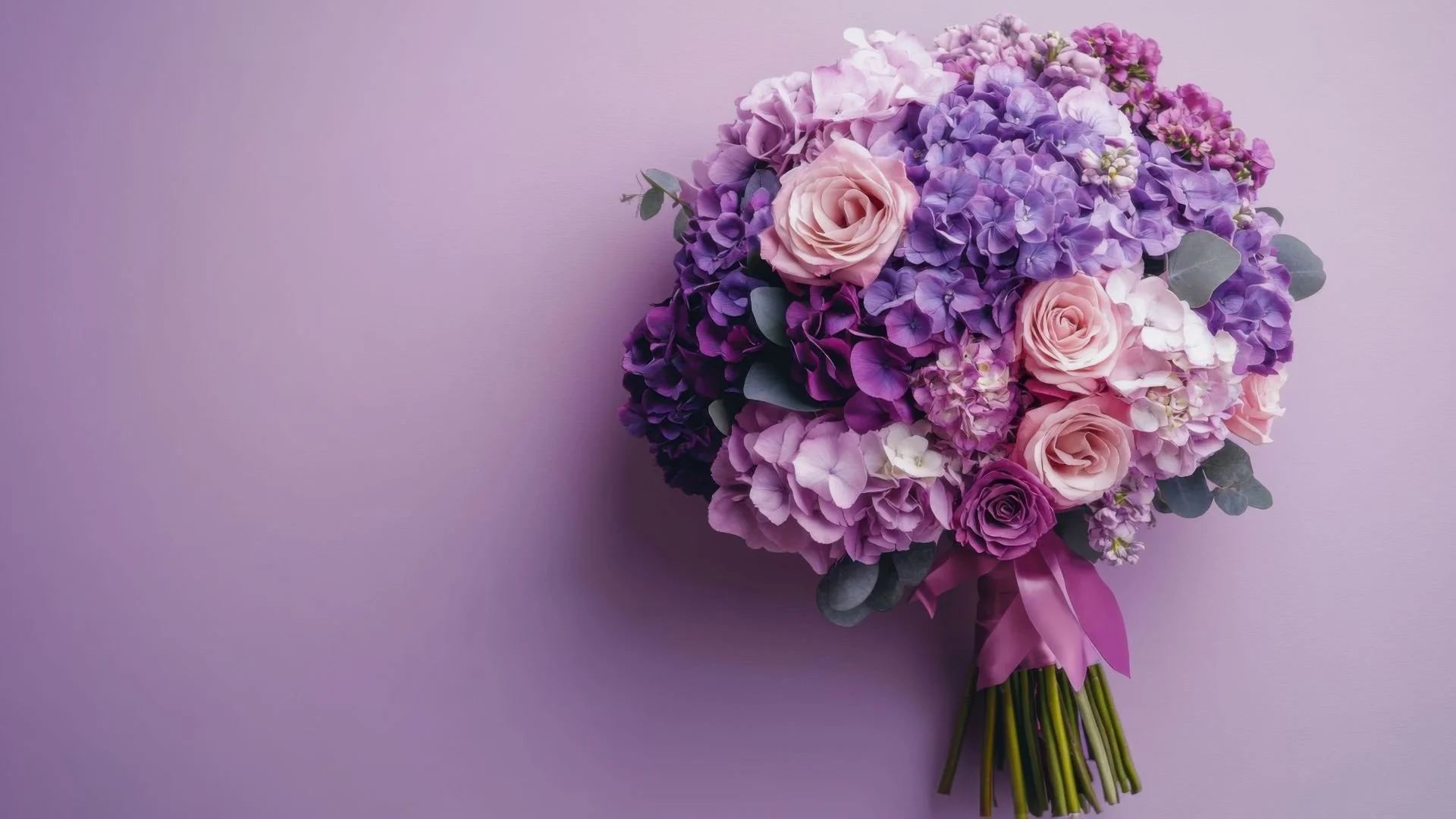
Let’s dive into the top floral trends to watch this year—from Connecticut's local fields to New York’s most exclusive event spaces.
Why 2026 Is the Year of Emotional Floral Design
We’re officially in the era of feel-first florals. People aren’t just picking blooms based on color—they’re choosing arrangements that tell a story, reflect a vibe, or evoke a specific emotional state. Whether it's peace, energy, nostalgia, or grounding, flowers are being used more intentionally than ever before.
Think about it like this: just as interior design has become about wellness and emotional alignment, floral design is being treated as sensory therapy. Florists are acting like visual psychologists—mixing texture, scent, shape, and rhythm to create spaces that feel good, not just look good.
This shift is happening across:
Event design
Home styling
Corporate environments
Retail and hospitality spaces
Welcome to the floral wellness era.
Color First: The Dominant Palettes of 2026
While shape and style matter, 2026 is driven by palette. This year, it's less about what colors you’re using—and more about how you’re layering them.
Hot color stories:
Mud pastels – Muted lavender, terracotta pink, soft sage
Modern monochromes – All-white, all-olive, all-rust, etc.
Warm earth neutrals – Sand, bone, saffron, taupe
Unexpected pops – Chrome blue, marigold, cherry black
Designers are exploring emotional color pairings. For example, pairing stormy gray with pale peach to represent resilience. Or cool green with beige for calm and stability.
Color is now language in floral design—and the best designers are fluent.
Shape Shifting: Floral Forms That Are Redefining Design
If you’ve been seeing more arrangements that look like they belong in a sculpture museum, you’re not imagining it. Shape is everything in 2026.
Forget the traditional dome or round bouquet. This year, it’s all about:
Asymmetry – Designs that feel like movement frozen in time
Floating elements – Blooms suspended on fine wire
Airy architecture – Large stems with visible negative space
Organic curves – No hard edges or forced symmetry
Shape is how florists express tone. A low, stretched arrangement with drooping amaranth feels meditative. A tall, sharp build with callas and anthurium feels bold.
Texture Over Quantity: What Makes a Design Feel Expensive
This year, the secret to high-end floral design isn’t more flowers—it’s better texture.
Texture adds:
Depth
Contrast
Movement
Designers are layering:
Velvety blooms like scabiosa and ranunculus
Glossy exotics like monstera and anthurium
Dried accents like palm spears or preserved ferns
Matte greens like eucalyptus or olive branch
Instead of flooding a table with dozens of flowers, the new luxury is in intentional texture play, using fewer stems to create more impact.
Mono-Material Moments: The Rise of the One-Flower Statement
Minimalism hits florals in 2026 with the one-flower focus. Picture an entire event space built around just one bloom—roses, tulips, or orchids—used in repetition for a cinematic effect.
Why it works:
Creates instant visual identity
Feels clean, modern, and editorial
Keeps focus on form and motion
This trend is also big in editorial shoots, gallery openings, and high-end fashion events where flower design meets brand storytelling.
The Return of Ikebana and Japanese-Inspired Floristry
Ikebana isn’t new—but in 2026, it’s taking center stage again. Designers are embracing this ancient art for its spiritual energy, minimal forms, and meditative execution.
Ikebana-inspired design includes:
Minimal blooms with emphasis on line and space
Use of branches, buds, and negative space
Intentional placement that reflects mood or season
This is the opposite of maximalism—it’s a return to balance, breath, and emotion through flowers.
Dried Florals Still Reign—but Smarter in 2026
Remember when dried florals were just a boho trend? That’s long gone. In 2026, dried blooms are having a glow-up—and they’re being used in more refined, intentional ways than ever before.
The new dried aesthetic:
Sophisticated palettes: No more beige on beige. Think muted plum, dusty blue, and rust mixed with soft cream.
Texture layering: Pairing dried grasses with velvet roses or preserved hydrangeas for contrast.
Fresh + dried hybrids: Florists are mixing both for designs that last longer and look dynamic from every angle.
Dried florals also shine in sustainable design. They're perfect for foam-free mechanics, long-term installations, and multi-use decor. Think retail window displays, cafe interiors, or corporate gifting with a long shelf life.
Bottom line? Dried is no longer dusty. It’s elevated.
Bold Is Back: Oversized Stems and Dramatic Branches
2026 isn’t all minimalism. There’s still a major movement toward bold, exaggerated florals—especially in luxury event design and editorial settings.
What’s taking over tables and stages:
Fruiting branches (like crabapple, olive, or cherry)
Tall line flowers (delphinium, gladiolus, eremurus)
Oversized tropicals (banana leaf, monstera, king protea)
Unexpected add-ons (artichoke, dried corn husks, or ornamental grasses)
This trend creates visual drama while also defining vertical space in large venues. It’s about creating an emotional atmosphere, not just a centerpiece.
These elements are often used in floral sculpture builds, floral ceilings, or statement corners at big-city events from NYC to Miami.
Florals and Fashion: Runway-Inspired Design Trends
Florals have always flirted with fashion, but in 2026, they’re basically dating. Designers are pulling straight from the runway—both in color and structure.
Big crossovers this year:
Metallics and sheer fabrics inspire bouquet wrapping and installation materials
Corset-style floral arrangements (yes, literal flower corsets)
Pantone-forward palettes taken from designer collections
Petal-shaped backdrops and sculptural setups reflecting couture silhouettes
Events are becoming editorial moments, and florals are leading the story. You’ll see this most in NYFW after-parties, art openings, and influencer brand launches.
Multisensory Floristry: Designing with Scent and Sound
In 2026, flowers aren't just for your eyes—they’re for your entire body. Designers are now crafting installations that incorporate scent, sound, and movement to fully immerse the guest.
Sensory elements in trend:
Floral scent trails (designing pathways using fragrant flowers like tuberose, lavender, sweet peas)
Motion-activated scent diffusers hidden in installations
Subtle ambient sound paired with the energy of the arrangement—like bird song, forest wind, or water
This approach is especially powerful in wellness events, immersive art experiences, and luxury retail spaces. It turns florals into transportive environments.
Floral Sculptures and Installations Take Center Stage
Gone are the days when florals were just table fillers. In 2026, florals are taking over the gallery space—literally. Think full-blown floral sculptures installed in:
Art galleries
Hotel lobbies
Brand experience events
Private residences
These aren’t just big arrangements—they’re 3D art installations, made with:
Metal frames
Clear acrylic or wood structures
Dried + fresh florals suspended in motion
Florists are becoming installation artists, and blooms are being treated like any other medium: paint, clay, steel.
Local and Seasonal Is the New Luxury
If you want your flowers to look and feel high-end in 2026, here’s the trick: buy local, buy seasonal.
More than ever, florists are sourcing from nearby farms—especially across the Northeast corridor. Connecticut and upstate New York growers are cultivating:
Specialty ranunculus
Heirloom tulips
Rare dahlias
Fragrant herbs and filler greens
Why it matters:
Better freshness
Lower carbon footprint
Support for small-scale farms
Designs that actually reflect the season
It’s no longer just about exotic blooms from far-off places. True luxury is knowing exactly who grew your flowers—and why.
Tech Meets Nature: Floral Design with Digital Integration
Floristry is evolving fast—and in 2026, the merging of floral design with digital technology is happening in fascinating ways.
Tech-forward floral elements:
Projection-mapped blooms that respond to music or motion
AR flower filters at events, where physical installs extend into virtual reality
Smart lighting that shifts color temperature throughout the evening
Floral “QR codes” directing guests to interactive content (recipes, playlists, moodboards)
This is where floristry meets futurism, and it’s gaining serious traction in corporate experiences, luxury weddings, and influencer activations.
Indoor Plants Meet Floristry: Greenery as a Structural Base
Another 2026 evolution? Houseplants are crashing the floral party—and we’re here for it.
Designers are now combining:
Philodendrons and orchids
Trailing pothos
Potted moss and ferns
These lush greens add volume, texture, and grounding energy to florals, especially in installations and centerpieces. Think of them as the foundation—the soft underlayer to your flower-forward design.
It’s sustainable too—plants can be reused, gifted, or kept after the event.
Wedding Trends 2026: Bouquets, Arches, and Unexpected Details
2026 weddings are rewriting the floral rulebook. Couples are choosing:
Compact, sculptural bouquets instead of sprawling cascades
Floating or hanging altars using wire and negative space
Reception table vines that seem to grow naturally from the surface
Non-traditional colors like forest green, rust, and slate blue
Also hot: ceremony circles, flower meadows at the aisle, and foam-free archways built with local branches and dried support blooms.
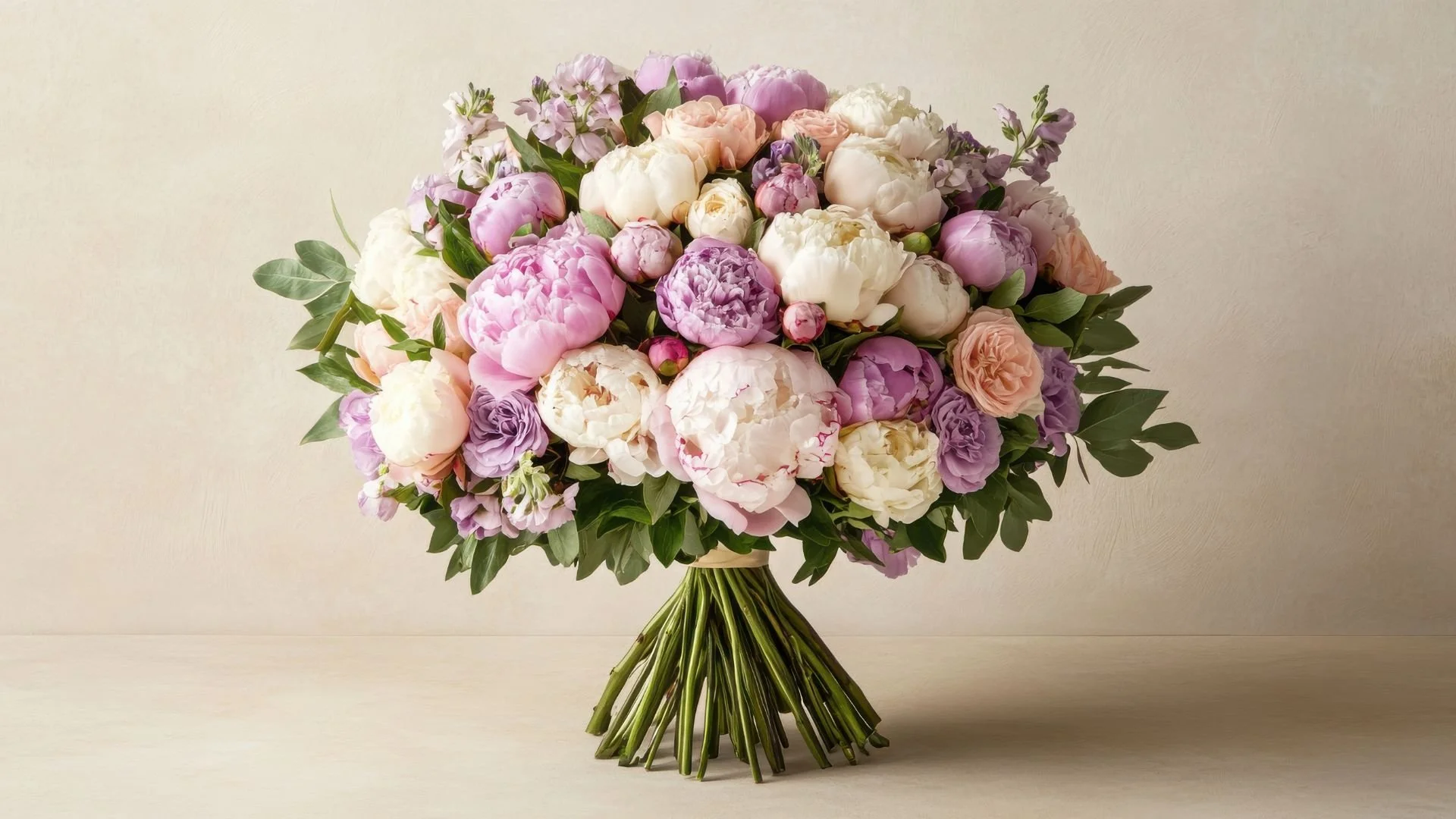
Florals are no longer just about matching the dress—they’re about telling a story and setting the emotional tone for the entire day.
Floristry as Personal Expression: More Than Just Decor
At the end of the day, 2026 floral trends aren’t just about looking good—they’re about feeling right.
People are treating florals as:
Extensions of mood
Reflections of identity
A way to ground themselves emotionally
Whether it’s a single bud vase on your desk or a full-room installation for your event, flowers are being used to curate energy, not just fill space.
This emotional awareness is shaping how we shop, design, and gift flowers. It’s personal. Powerful. And poetic.
Conclusion: Designing Beyond Aesthetic—Into Emotion and Space
The Flower Forecast for 2026 isn’t just about trends—it’s about evolution. We’ve moved beyond aesthetic arrangements into a space where flowers are used to build mood, architecture, and emotion.
From the texture of a single petal to a full-sensory installation experience, this year’s designs are bold, intentional, and rooted in meaning. Flowers are speaking louder than ever—and we’re finally listening.
If you're designing with flowers in 2026, you're not just decorating. You're curating feelings, shaping moments, and building immersive worlds one stem at a time.