From Farm to Vase: The Journey of a Connecticut-Grown Flower
Let’s be real—flowers aren’t just pretty petals in a vase. Behind every locally-grown stem is a story of hard work, seasons, sweat, and soul. And when that flower comes from a small Connecticut farm? You’re not just buying beauty—you’re supporting a living, breathing community rooted in sustainability, artistry, and nature.
In 2026, more people are asking, “Where did this flower come from?” the same way they ask about their food or coffee. We’ve entered the slow flower movement, and Connecticut is blooming with growers who are making magic from seed to stem.
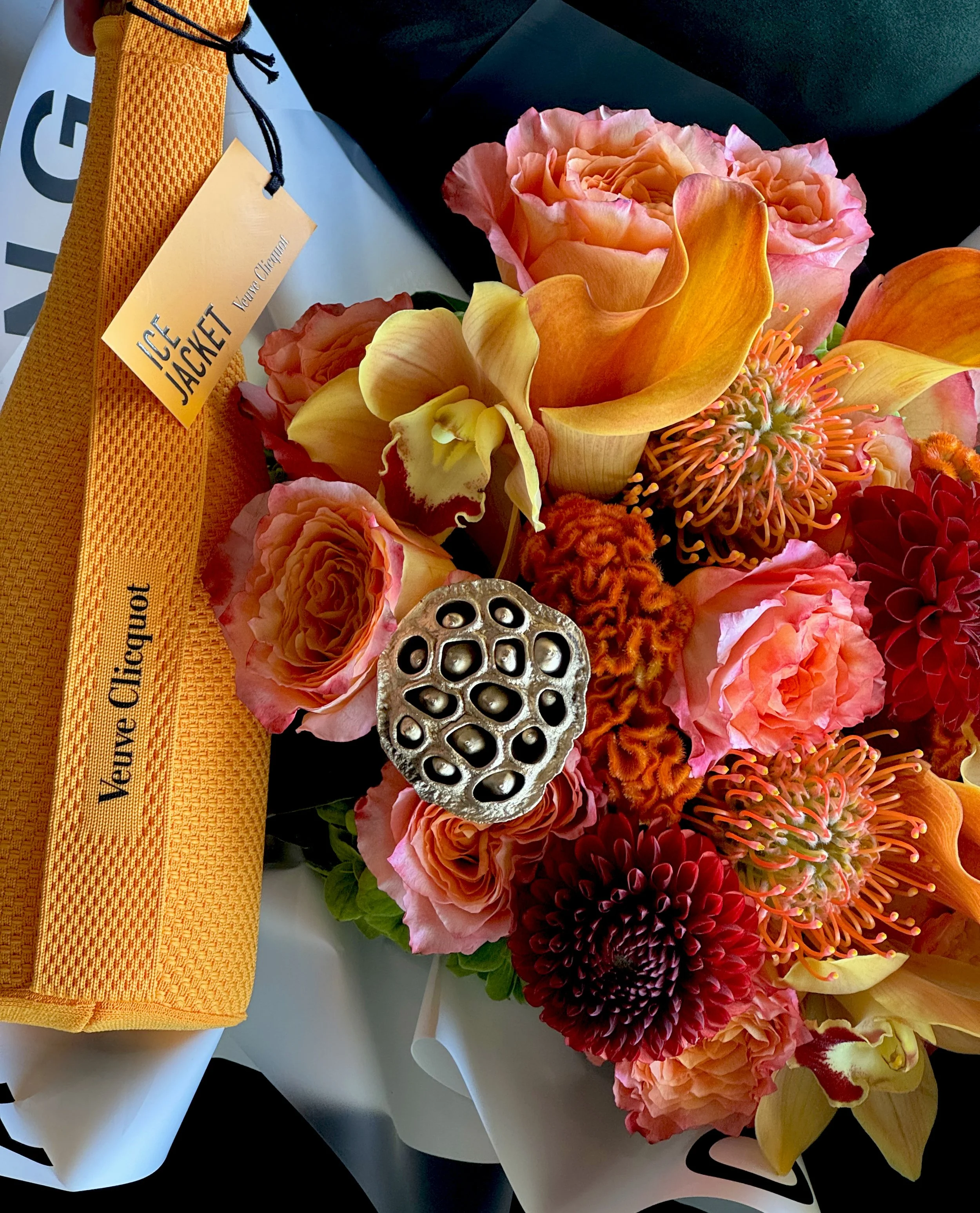
Let’s take a walk—barefoot, muddy, maybe with a basket in hand—and follow the journey of a Connecticut-grown flower. From its very first sprout in spring soil to that Instagram-worthy moment on your dining room table.
Why Local Flowers Matter More Than Ever
Sure, you can grab a dozen roses from the grocery store. But if you want freshness, fragrance, and something real—you go local. Here’s why Connecticut-grown flowers are becoming the first choice for florists, event planners, and everyday flower lovers:
They’re seasonal. What you see blooming reflects what’s happening in nature—no plastic packaging, no jet lag.
They support small farmers. Most flower farms in CT are family-run or woman-owned. Buying from them keeps local agriculture alive.
They smell better, last longer, and look like they actually grew on Earth. Mass-produced flowers? Pretty. Local flowers? Alive.
In short, local flowers have a soul. And once you’ve had a bouquet of zinnias picked that morning, there’s no going back.
Meet the Growers: Who’s Growing Connecticut’s Blooms?
This isn’t Big Ag. The folks growing flowers in Connecticut are a tight-knit, hands-in-the-dirt, community-loving crew. You’ll find:
Generational farmers diversifying into florals
Former teachers and artists who left the city to grow sunflowers and sweet peas
Mom-and-daughter duos running half-acre plots with peony dreams
Places like Trout Lily Farm in Guilford, Eddy Farm in Newington, and Four Root Farm in East Haddam are just a few of the names shaping the local bloom scene.
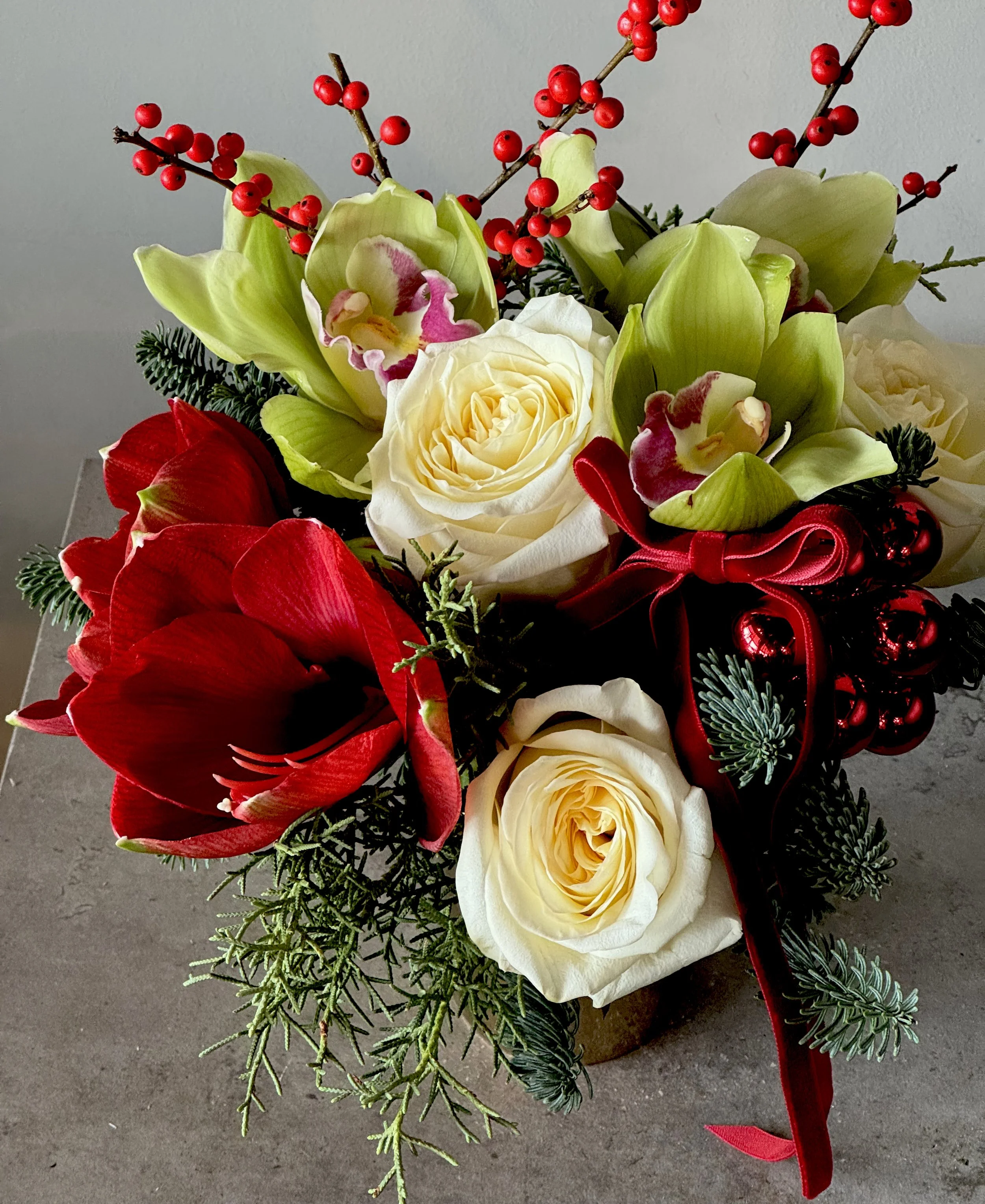
They’re not just farming—they’re curating nature, stewarding soil, and delivering beauty with purpose.
The Start: Soil, Seeds, and Seasons
The journey begins long before the blooms show up. It starts in late winter, when CT farmers are poring over seed catalogs and crop plans, choosing what to plant based on:
Climate compatibility
Color trends (yes, even farms follow wedding palettes)
Soil rotation and regeneration needs
Once the frost gives way, it's go-time. The soil is prepped—often with compost, no-till methods, and organic amendments to keep things nutrient-rich. Seeds go in carefully spaced rows, often planted by hand.
Each variety has its own rhythm. Some go straight into the ground. Others—like lisianthus or snapdragons—start in greenhouses under grow lights, waiting for their moment.
Spring Planting to Summer Bloom: A Delicate Dance with Nature
Farming flowers is equal parts science and hope. You can prep the beds, time the planting, and pray for sunshine—but nature always has the final say.
Growers:
Battle sudden late frosts in May
Build temporary row covers to protect tender sprouts
Hand-weed for hours because chemicals aren't part of the game
Install drip irrigation systems to stretch every drop of water
Then, in June, something beautiful happens. The first flush of poppies, snapdragons, and bachelor buttons burst open—and the season officially begins.
From here, it’s a non-stop relay race of bloom, harvest, rest, and repeat.
Harvest Time: How Connecticut Farmers Know When a Bloom is Ready
There’s an art to knowing when to cut a flower. Too early, and it won’t open. Too late, and it’s already fading.
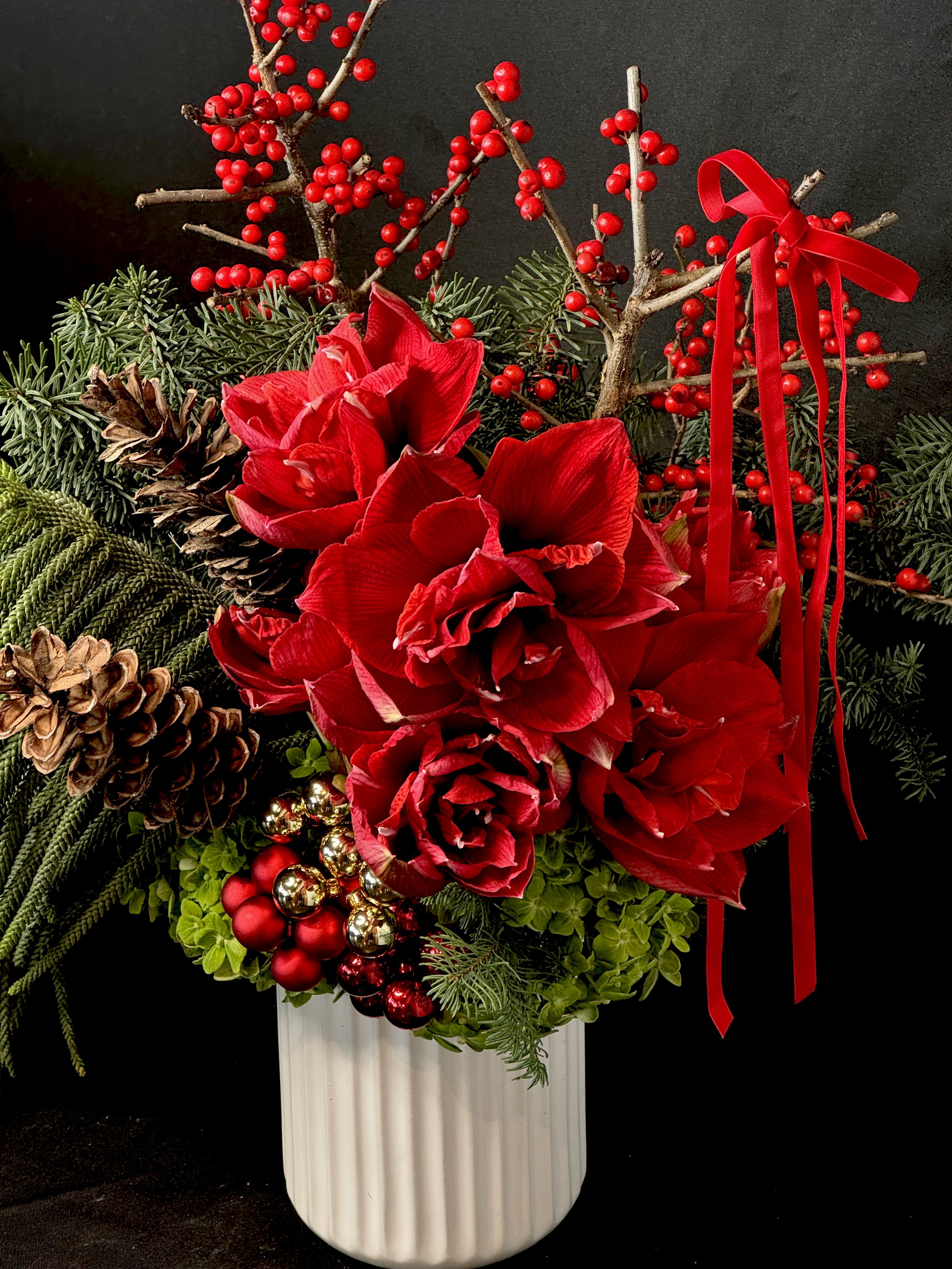
Connecticut growers harvest mostly in the early morning, when the stems are still hydrated from the night. They look for:
Color cues (has the center started to show?)
Stem firmness (will it hold in a vase?)
Petal development (too tight or just enough?)
Each flower is snipped by hand, placed gently into hydration buckets, and stored in chillers to prolong vase life.
This is the step where most of us lose the thread—but it’s a crucial part of the flower’s journey. The difference between a flower that lasts 3 days and one that blooms beautifully for 7+? It’s all in the harvest.
Post-Harvest Magic: Prepping Blooms for Florists and Markets
Once the flowers are picked, they’re not just tossed in a bucket and delivered. Nope—there’s a whole spa day involved.
Here’s what happens post-harvest:
Leaves are stripped below the waterline to prevent bacterial growth
Stems are trimmed at a 45° angle for better water uptake
Flowers are grouped by size, type, and color for easier arranging
Some are dipped in hydration solutions or floral preservatives
Then it’s off to:
Weekly flower subscriptions (CSAs)
Farmers’ market stands
Boutique florists and design studios
Wedding and event floral crews
Each stem is on a mission—to be part of someone’s joy, memory, or celebration.
Where the Flowers Go: Local Farmers’ Markets, Florists, and Events
Once the blooms are cleaned and bundled, they hit the road—usually within 24 hours of being cut. That’s the kind of freshness you can’t fake. Some flowers go directly into the hands of local florists who’ve pre-ordered specific varieties for events, while others land at CT’s buzzing farmers' markets or small flower co-ops.
Where you’ll spot Connecticut-grown flowers:
Florist shops like Blush and Bloom in New Haven or Rooted in Simsbury
Wedding floral studios working out of rustic barns or modern greenhouses
Weekend farmers’ markets in towns like Westport, Old Saybrook, and Middletown
CSA (Community Supported Agriculture) flower subscriptions—weekly bouquets curated with what’s freshest on the farm
Every stem gets to finish its journey as part of a larger story—a bridal bouquet, a table centerpiece, a “just because” gift.
Working with Nature: Why Every Season Has Its Stars
One of the best parts about local flowers? They change with the seasons. That means every arrangement reflects the time of year—no faking tulips in August or dahlias in April.
Seasonal showstoppers:
Spring: Anemones, ranunculus, tulips, daffodils, flowering branches
Summer: Zinnias, lisianthus, sunflowers, cosmos, snapdragons
Fall: Dahlias, celosia, ornamental grasses, eucalyptus
Late Fall/Winter: Dried florals, seed pods, foraged greens
That rhythm of growth and decay gives each bouquet a soulful, natural flow. Local flowers don’t shout—they whisper, “Hey, this is exactly what’s blooming right now.”
Challenges on the Field: The Grit Behind the Glam
Let’s not romanticize it too much—flower farming is no joke. It’s early mornings, sore backs, and unpredictable seasons. Ask any Connecticut grower and they’ll tell you:
A surprise frost can wipe out weeks of growth
A single week of drought throws off bloom cycles
Pests (like Japanese beetles or aphids) require constant attention
Hurricane season? Don’t even ask
And then there’s the human side: tiny teams, long days, tight margins. But they keep going because they love it—and because there’s something sacred in watching beauty grow from the dirt.
Florists and Farmers: The Creative Collaboration
CT’s local flower scene thrives because of the relationship between growers and designers. Florists aren’t just placing orders—they’re dreaming up ideas with the people who make the flowers grow.
They collaborate on:
Seasonal palettes for upcoming weddings and shoots
Custom-growing certain varieties a year in advance
Sharing crop successes and challenges in real time
This partnership leads to better designs, fewer wasted stems, and a floral language that feels intentional, not manufactured.
From Bucket to Beauty: The Florist’s Role in Finishing the Story
Once the blooms leave the farm, it’s the florist’s job to give them voice, shape, and movement.
They:
Hydrate and condition the flowers again
Let them rest before arranging (yes, flowers need naps too)
Build arrangements with the flowers’ natural curves and quirks in mind
There’s an art to working with a locally grown bloom—they’re often wilder, bendier, and more expressive than imported stems. But that’s what makes them real.
The end result? Bouquets that look like they were picked at golden hour from a wild meadow—because in a way, they were.
The Emotional Impact of Locally-Grown Flowers
There’s something powerful about knowing your flowers came from 45 minutes away instead of halfway around the world.
They carry the scent of your home state.
They reflect the season you’re standing in.
They remind you that beauty doesn’t have to be shipped in—it can be grown right here.
For weddings, this adds a whole new layer of meaning. For daily life, it’s a little burst of this moment, this place, this life.
Sustainability and Soil to Table: Why Local Florals Are the New Farm-to-Fork
Just like we’ve shifted toward eating local, floral lovers are moving toward “soil to table” designs. It’s not a trend—it’s a return to common sense.
Why it matters:
Imported flowers can travel over 4,000 miles, wrapped in plastic and sprayed with preservatives.
Local flowers reduce carbon emissions, waste, and water usage.
CT farms use biodegradable packaging, compost, and low-impact harvesting techniques.
Some florists go even further, designing foam-free, zero-waste arrangements and donating post-event flowers to nursing homes or shelters.
Sustainable doesn’t mean boring. It means intelligent beauty that respects the earth.
Where to Find CT-Grown Flowers Near You
Looking to bring a little local bloom magic into your life? Here's where to start:
CT Flower Farms to Follow:
Four Root Farm – East Haddam
Broad Turn Farm – Griswold
Stems Flower Farm – Norwalk
Trout Lily Farm – Guilford
Eddy Farm – Newington
Other Sources:
Farmers’ Markets – Check Westport, Madison, Coventry
Florist Co-Ops – Connecticut Flower Collective
CSA Subscriptions – Weekly bouquet shares through the growing season
Pop-Ups and Workshops – Seasonal events where you can make your own arrangements
Pro tip? Follow your favorite farms and florists on Instagram. They post bloom alerts, CSA openings, and last-minute bouquets like clockwork.
Conclusion: One Bloom, Many Hands, Infinite Meaning
That ranunculus in your vase? It was touched by soil, sun, sweat, clippers, buckets, coolers, and creative hands. It was grown with intention, harvested with care, and arranged with soul.
When you choose a Connecticut-grown flower, you’re not just decorating your space—you’re supporting farmers, celebrating the season, and bringing your community into your home.
And that? That’s way more powerful than petals.