How to Choose Flowers When You Don’t Know the Recipient’s Taste
Buying flowers for someone sounds simple until you realize you have absolutely no idea what they like. Are they into bright, colorful arrangements? Do they prefer something understated? Would they love a big bouquet of roses, or would that feel a little too romantic?
The good news is that you don't need to know someone's favorite flower to give them a bouquet they'll genuinely appreciate. Choosing flowers when you don't know the recipient's taste is really about finding the right balance between thoughtful, beautiful, and appropriate.
As long as you pay attention to the occasion, stick with versatile flowers, and avoid a few common mistakes, you can put together a gift that feels personal without having to guess someone's exact preferences.
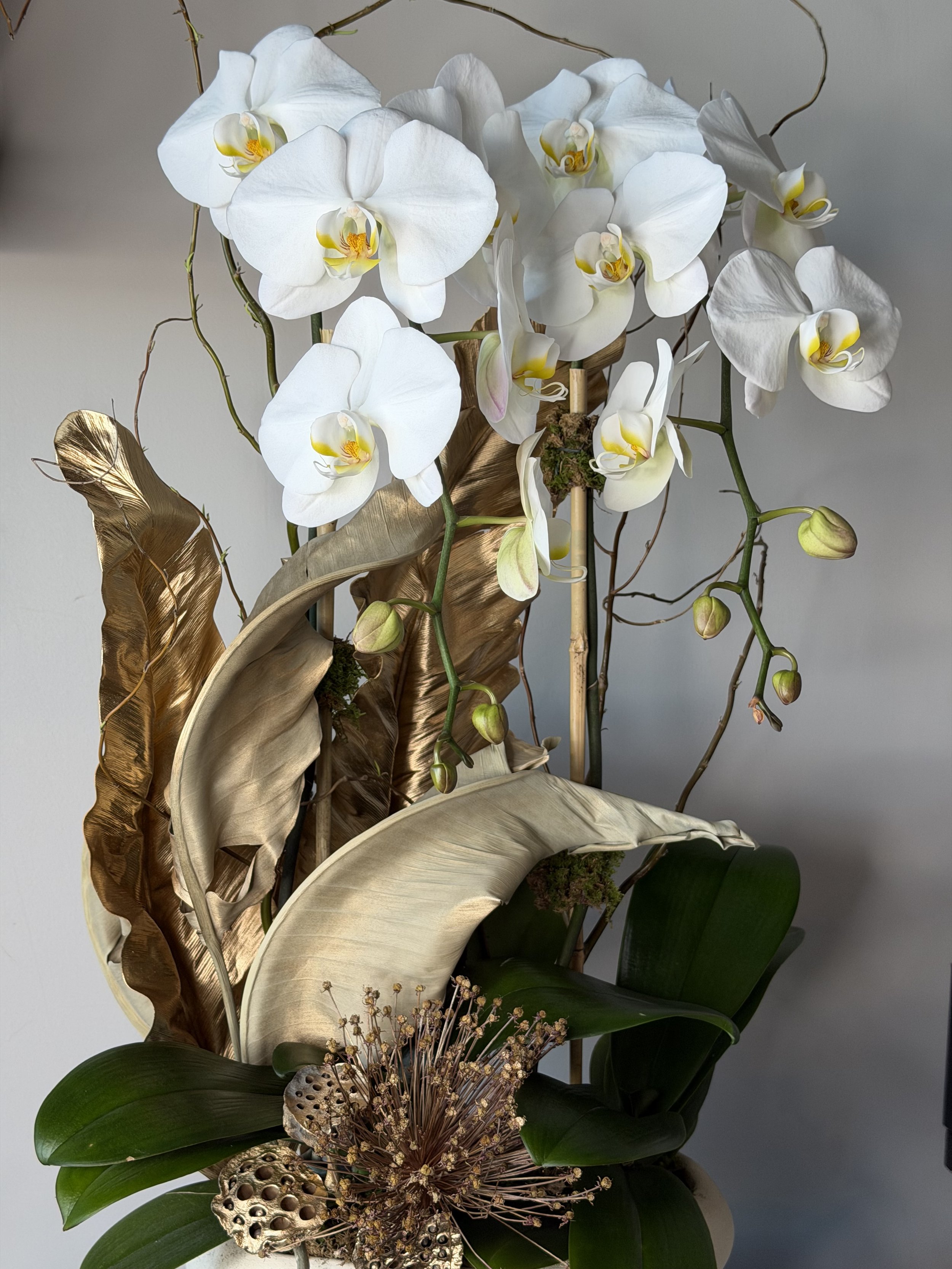
Here's how to make a smart choice, even when you're shopping for someone you don't know particularly well.
Start With the Occasion, Not the Flowers
One of the easiest mistakes people make when buying flowers is focusing on individual blooms before thinking about why they're sending them.
The occasion should guide your decision.
A birthday bouquet can feel cheerful and playful, while flowers for a coworker should usually look polished and professional. If you're sending flowers to congratulate someone on a new job, a lively arrangement with fresh, vibrant colors makes sense. For a sympathy gift, softer shades and a more restrained design are generally appropriate.
Think of it like picking an outfit. You wouldn't wear the same thing to a beach party and a formal dinner, even if both outfits looked great. Flowers work the same way.
When you're unsure about someone's preferences, matching the flowers to the occasion is often more important than choosing a specific variety.
For most everyday occasions, a mixed bouquet in soft, welcoming colors is a reliable choice. It feels thoughtful without sending an overly specific message.
Choose Flowers That Have Broad Appeal
Some flowers have distinctive shapes, strong fragrances, or dramatic appearances that people either love or dislike. Others tend to work well in almost any setting.
If you don't know what the recipient likes, it's usually better to choose familiar, versatile flowers rather than something unusual.
Here are a few dependable options:
Flower
Why It's a Good Choice
Best For
Roses
Classic, elegant, and available in many colors
Birthdays, thank-you gifts, celebrations
Tulips
Simple, modern, and naturally cheerful
Friends, coworkers, casual gifts
Lisianthus
Soft, delicate-looking blooms with a refined style
Elegant and thoughtful arrangements
Gerbera daisies
Bright, friendly, and approachable
Birthdays, congratulations, get-well gifts
Alstroemeria
Colorful, versatile, and often long-lasting
Everyday gifts and mixed bouquets
Hydrangeas
Full, attractive blooms that create a generous look
Celebrations and home-friendly arrangements
Tulips, lisianthus, and alstroemeria are especially useful when you want something attractive without making the arrangement feel too formal or romantic.
Roses can also be a great choice, but color matters. Red roses are strongly associated with romance in the United States, so they may not be ideal for a coworker, acquaintance, or someone you aren't romantically involved with.
Pink, peach, cream, and yellow roses generally offer more flexibility, although colors can still carry different meanings depending on the recipient.
Stick With a Safe, Versatile Color Palette
When you're choosing flowers for someone whose taste is a mystery, color can make a bigger difference than the flowers themselves.
An arrangement filled with neon orange, hot pink, and deep purple might look fantastic to someone who loves bold colors. But for someone with a minimalist style, it could feel overwhelming.
That's why soft, balanced color palettes tend to be a safer starting point.
Some particularly versatile combinations include:
White and greenery: Clean, elegant, and suitable for many occasions.
Blush pink and cream: Warm, gentle, and sophisticated.
Peach and soft yellow: Friendly, uplifting, and cheerful.
Lavender and white: Calm, fresh, and slightly unexpected.
Pastel mixed colors: Lighthearted without being overly dramatic.
If you want the bouquet to feel more energetic, add a few brighter accents rather than making every flower compete for attention.
You don't have to avoid bold colors completely. A vibrant arrangement can be perfect for a celebration. Just remember that the less you know about someone's personal style, the more useful a balanced color scheme becomes.
Mixed Bouquets Are Often the Smartest Choice
There's a reason mixed flower arrangements are so popular. They offer variety without forcing you to bet everything on one particular flower.
Imagine buying someone a dozen carnations, only to discover they really don't like carnations. That's disappointing. But if those carnations are part of a beautiful arrangement with roses, lisianthus, and seasonal greenery, the overall bouquet may still appeal to them.
A good mixed bouquet creates interest through different shapes, textures, and colors. Some flowers provide volume, others add height, and smaller blooms fill the spaces between them.
The result feels more natural and visually interesting than a bouquet made from a single flower variety.
When ordering from a florist, you can simply say:
"I don't know their favorite flowers, so I'd love something fresh, elegant, and versatile. Nothing too romantic or overly dramatic."
A professional florist will understand exactly what you're asking for.
Florist-designed seasonal arrangements can be particularly helpful because they allow the designer to select flowers that look great together and are available in good condition.
Pay Attention to Fragrance and Allergies
Here's something people often overlook: a bouquet can look absolutely beautiful and still be uncomfortable for the person receiving it.
Certain flowers have strong fragrances that may bother people who are sensitive to scents. Lilies, hyacinths, and some varieties of garden roses can be particularly fragrant.
If you don't know whether someone enjoys floral scents, choosing a lightly scented arrangement is generally a thoughtful move.
Tulips, many alstroemeria varieties, and some orchids are options worth considering, although fragrance varies by variety.
It's also important to remember that no bouquet is guaranteed to be allergy-free. Different people react to different plant materials, and even flowers with relatively little airborne pollen can cause problems for someone with specific sensitivities.
There's another consideration if the recipient has pets.
Lilies are especially dangerous to cats, including exposure to pollen and vase water. If you're sending flowers to a cat owner, avoid true lilies and daylilies entirely.
When you're unsure about the recipient's household, you can ask the florist to recommend a pet-conscious arrangement. The safest option will depend on the flowers and animals involved, so don't assume that a bouquet is pet-safe simply because it looks harmless.
A little attention to these details can make your gift much more considerate.
Think About the Recipient's Lifestyle
You might not know someone's favorite flower, but you may know something about their daily routine.
That information can be surprisingly useful.
For example, someone who works long hours or travels frequently may appreciate flowers that require minimal maintenance. A busy parent might prefer a ready-to-display arrangement rather than a large bouquet that needs trimming and arranging.
If the recipient lives in a small apartment, an oversized arrangement could take up more space than they have available.
On the other hand, someone who loves decorating their home might enjoy a fuller bouquet that becomes the centerpiece of a dining table.
Practicality matters just as much as appearance.
If you're sending flowers to an office, a compact arrangement in a vase can be especially convenient. The recipient won't have to find a container, and the flowers can go straight onto their desk.
For home delivery, a medium-sized bouquet is usually a comfortable choice when you're uncertain about the available space.
The goal isn't to impress someone with the biggest arrangement possible. It's to give them something that's easy to enjoy.
Avoid Flowers With Strong Romantic Messages
Flowers can communicate emotions, sometimes more strongly than people realize.
A dozen red roses might seem like an elegant gift, but they're widely associated with romantic love. If you're sending flowers to a colleague, client, teacher, or casual friend, that message could feel out of place.
The same goes for arrangements shaped like hearts or designed with obviously romantic packaging.
When you're unsure about someone's taste or your relationship is not romantic, it's generally better to choose flowers that communicate appreciation rather than intimacy.
Peach, yellow, lavender, and soft pink arrangements can work beautifully for this purpose.
A bouquet of tulips, seasonal flowers, or mixed pastel blooms often feels warm and thoughtful without creating confusion about your intentions.
Of course, flower symbolism isn't universal. Personal associations and cultural traditions matter, too. But choosing a neutral arrangement is a practical way to avoid sending a message you never intended.
Don't Assume Expensive Means Better
It's tempting to think that spending more money automatically leads to a better flower gift.
Not necessarily.
A carefully arranged $50 bouquet can look more appealing than a $150 arrangement if the flowers are fresh, the colors work together, and the design fits the occasion.
When you don't know someone's preferences, spending extra on rare or exotic flowers may actually increase the risk of choosing something they wouldn't have picked themselves.
Instead, focus on overall quality.
Look for flowers that appear fresh, with healthy stems, appealing foliage, and blooms that aren't visibly damaged. A mix of open flowers and buds can be useful because some blooms may continue opening after delivery.
You should also consider how the flowers are presented.
A simple vase, attractive wrapping, and a well-balanced arrangement can make an affordable bouquet feel polished and intentional.
If you're working with a limited budget, tell the florist what you want to spend and ask for the best seasonal combination within that range.
Freshness, thoughtful design, and appropriate presentation usually matter more than the price tag.
Let the Season Guide Your Decision
One of the easiest ways to choose flowers without knowing someone's preferences is to work with what's naturally in season.
Seasonal flowers often feel especially appropriate because their colors and textures reflect the time of year.
Spring arrangements might feature tulips, ranunculus, and other fresh-looking blooms. Summer bouquets can include sunflowers, zinnias, and colorful seasonal flowers. Fall arrangements often lean toward warm shades of orange, burgundy, cream, and gold.
Winter bouquets can look beautiful with white flowers, evergreen accents, and understated greenery.
Availability varies by location and growing conditions, and many florists source flowers from different regions throughout the year. Still, letting the season influence your choice can make the arrangement feel timely and natural.
It also takes some pressure off the decision.
Rather than asking yourself, "Would this person prefer peonies or roses?" you can ask, "What's looking especially beautiful and fresh at the florist right now?"
That's a much easier question to answer.
Keep the Arrangement Simple and Tasteful
When you have no idea what someone likes, trying too hard can backfire.
A bouquet with ten different colors, glittery decorations, oversized ribbons, and unusual accessories might grab attention, but it may not suit the recipient's style.
Simplicity is usually more adaptable.
Consider an arrangement with two or three complementary colors, a balanced mix of flowers, and natural greenery. The result can feel elegant without looking stiff or overly formal.
You don't need a complicated design to make an impression.
In fact, a bouquet of soft pink tulips in a clear glass vase can be just as memorable as an elaborate arrangement with dozens of flower varieties.
The same principle applies to packaging. Neutral paper, subtle ribbon, or a simple vase often works better than decorative elements that dominate the flowers.
A well-designed bouquet should look effortless, even when plenty of thought went into creating it.
That understated approach makes it easier for the flowers to fit into different homes, offices, and personal styles.
Add a Personal Message to Make the Gift Meaningful
When you're uncertain about the flowers themselves, a thoughtful note can make the entire gift feel more personal.
You don't need to write anything elaborate. A few sincere words are usually enough.
For a birthday, you might write, "Hope your day is filled with good things and a few unexpected surprises!"
For a thank-you gift, something like, "Really appreciate everything you've done. Just wanted to send a little something to brighten your day," feels natural and genuine.
If you're congratulating someone, keep the focus on their achievement rather than the flowers.
A card also helps communicate your intentions clearly. That can be particularly useful when you're sending flowers to someone you don't know very well.
Even the most beautiful bouquet is ultimately a gesture. The personal message explains why you're making that gesture.
You may not know whether the recipient prefers roses, tulips, or daisies, but you can still make them feel seen and appreciated.
And that's usually what makes a flower gift memorable.
Ask a Florist for a Designer's Choice Arrangement
If you're still undecided, there's a practical solution: let a professional choose.
Many flower shops offer designer's choice bouquets, which allow the florist to create an arrangement using flowers that are fresh and available.
This can be a great option when you know the occasion but don't know the recipient's taste.
Instead of selecting individual stems, provide a little context. Explain whether the flowers are for a birthday, celebration, thank-you gift, or another occasion.
You can also share the mood you want the bouquet to convey.
For example, ask for something cheerful but not too bright, elegant but not romantic, or colorful without being overwhelming.
You don't need to know professional floral design terminology. Simple descriptions are usually more than enough.
A designer's choice arrangement doesn't guarantee that every flower will match the recipient's personal preferences, but it gives the florist flexibility to build a cohesive bouquet.
It can also help you avoid choosing flowers based solely on a product photo that may not reflect what's freshest in the shop.
Conclusion
Choosing flowers for someone when you don't know their taste doesn't have to feel like a guessing game.
The secret is to focus on what you do know: the occasion, your relationship with the recipient, their lifestyle, and the kind of message you want to send.
Mixed bouquets, versatile flowers, balanced colors, and simple designs are all great starting points. Choosing lightly scented flowers, considering pets, and avoiding overly romantic arrangements can also help you make a more thoughtful decision.
And if you're really unsure, a florist-designed seasonal bouquet is often a sensible way to go.
At the end of the day, most people don't expect you to know their exact favorite flower. They appreciate the fact that you thought of them and made an effort to brighten their day.
Sometimes, that matters far more than getting every detail perfect.