Floral Design for Private Dining Rooms: Creating Atmosphere Without Overcrowding the Table
A beautifully arranged private dining room has a certain kind of magic. The lighting feels warm, the table looks inviting, and every detail seems to belong exactly where it is. Flowers often play a big role in creating that atmosphere. But here's something people don't always realize: when it comes to floral design for private dining rooms, more flowers don't necessarily mean a better experience.
Picture this. You've planned an intimate dinner for twelve guests, chosen beautiful tableware, and ordered an impressive floral centerpiece. Everything looks incredible in photos. Then dinner starts, and guests have to lean around a giant arrangement just to make eye contact with the person across from them. Suddenly, that gorgeous centerpiece isn't quite so charming.
Great private dining floral arrangements should enhance the setting, not compete with the people, food, or conversation. The goal is to create a space that feels special while keeping the table comfortable and functional.
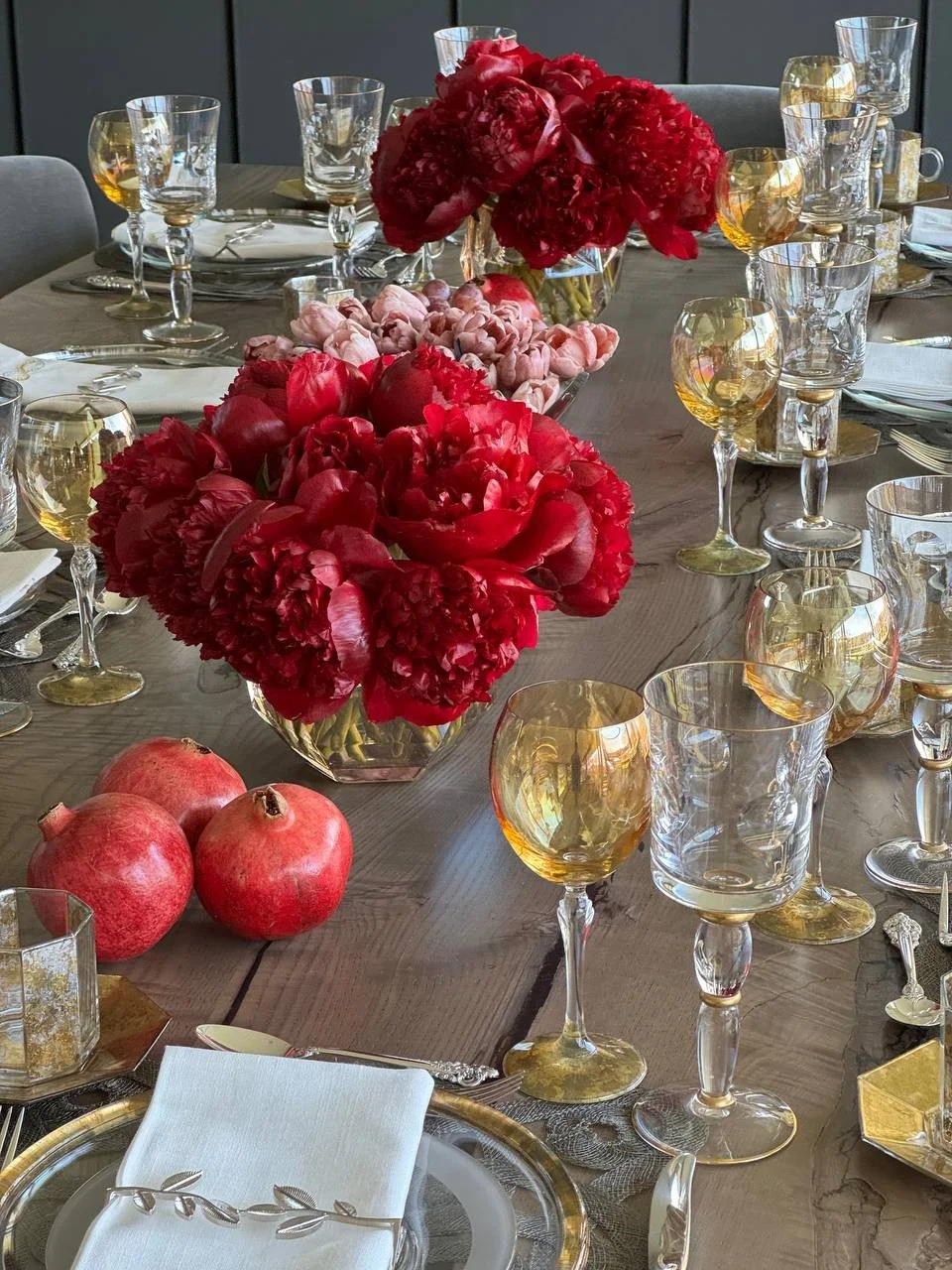
Whether you're styling a private restaurant dining room, planning an intimate celebration, or organizing an elegant business dinner, thoughtful floral design can transform the experience. The trick is understanding scale, placement, color, and how the room actually works once guests sit down.
Why Floral Design Matters in Private Dining Spaces
Flowers do more than make a dining room look pretty. They influence how guests experience the space, from their first impression when they walk in to how comfortable they feel throughout the meal.
In a private dining setting, the atmosphere often needs to feel more personal than a typical restaurant experience. Guests may be celebrating a milestone birthday, hosting a family gathering, enjoying a rehearsal dinner, or discussing business over a multi-course meal. The floral decor should support that purpose.
For example, a few carefully placed arrangements with soft greenery can make a formal dining room feel warmer and more welcoming. Fresh flowers can also introduce color into a space with neutral walls, dark furniture, or minimal architectural details.
What makes private dining different from larger event spaces is the limited room available for decoration. You might have one long table, several smaller tables, or a compact room where every inch matters.
That's why small-space floral design requires a little more restraint. Instead of asking how many flowers you can fit into the room, think about where flowers will make the greatest visual impact.
Sometimes, one beautifully arranged centerpiece and a subtle floral accent near the entrance are all you need.
Start With the Table Layout Before Choosing Flowers
One of the smartest things you can do is plan your floral arrangements around the actual dining setup.
It sounds obvious, but people often select flowers before confirming table dimensions, seating arrangements, or service requirements. That's how oversized centerpieces end up taking over spaces meant for wine glasses, bread plates, and shared dishes.
Before choosing a floral style, look at the room carefully. Is there one long banquet table? Several round tables? A U-shaped arrangement? Are guests sitting close together, or is there enough space between place settings?
The answers will influence the size and placement of your arrangements.
For a long rectangular table, several small floral groupings often work better than one massive centerpiece. They create a consistent visual rhythm without dominating the middle of the table.
For round tables, a single compact arrangement can provide a natural focal point. The key is keeping it proportional to the available surface area.
And don't forget about the practical side of dining. Servers need room to place dishes, refill glasses, and remove plates without navigating a miniature garden.
Successful dining table floral decor begins with understanding how people will use the table, not just how it will look before dinner.
Keep Floral Centerpieces Low Enough for Conversation
If there's one principle worth remembering, it's this: guests should be able to see each other comfortably.
A private dinner is about connection. People come together to talk, celebrate, laugh, and share a meal. Flowers should help create the atmosphere for those moments, not interrupt them.
That's why low floral centerpieces for dining tables are such a popular choice.
As a practical starting point, many designers keep compact arrangements around 8 to 12 inches tall, depending on the vessel, table height, and seating position. There's no universal rule, though. What's important is the actual sightline between guests.
A low arrangement of garden-style roses, lisianthus, seasonal blooms, and greenery can create a beautiful centerpiece without blocking anyone's view.
You can also use several smaller arrangements instead of one large design. This approach works especially well for long tables because it distributes color and texture evenly.
If you love dramatic flowers, you don't necessarily have to give them up. Tall arrangements can work when the flowers sit well above guests' eye level and the supports don't obstruct conversation. However, these designs need careful planning, especially in rooms with lower ceilings or limited table space.
For most intimate dining environments, low-profile floral arrangements offer the best balance between beauty and comfort.
Choose Flowers That Add Texture Without Excessive Volume
Some flowers naturally create a large visual impact. Others have a delicate structure that makes them ideal for smaller arrangements.
When designing for private dining rooms, the shape and growth pattern of each flower matter just as much as its color.
Large hydrangea heads, for example, can make a centerpiece feel full very quickly. That can be wonderful when you want a lush look, but too many may overwhelm a narrow table.
Flowers with lighter silhouettes can provide visual interest without creating excessive bulk.
Consider using blooms such as ranunculus, tulips, lisianthus, anemones, or spray roses. These flowers can be arranged in different styles, from clean and contemporary to relaxed and garden-inspired.
A few branching stems can also introduce movement, but they should be positioned carefully so they don't extend into someone's place setting.
Greenery deserves attention, too. Instead of surrounding every arrangement with thick layers of foliage, use selected stems to create a natural shape.
The idea is to build depth through floral texture and thoughtful spacing, not simply by adding more material.
An airy arrangement with visible space between blooms often feels more sophisticated than a dense centerpiece packed with flowers.
It also allows the tableware, candles, and surrounding decor to remain part of the overall design.
Use Color to Create the Right Dining Atmosphere
Color has a powerful influence on the mood of a private dining room.
Soft, muted flowers can make a space feel peaceful and refined. Rich, saturated colors can add drama and warmth. Bright seasonal arrangements can create a cheerful, energetic setting.
The right palette depends on the occasion, the room's existing design, and the atmosphere you're trying to create.
For a romantic anniversary dinner, cream, blush, and soft peach flowers might feel appropriate. For a stylish birthday celebration, you could introduce deeper shades of burgundy, coral, or plum.
A professional dinner might benefit from a more understated combination of white blooms and fresh greenery.
When choosing floral color palettes for private dining, consider the surrounding elements. Dark wooden tables, upholstered chairs, wall colors, table linens, and lighting all affect how flowers appear.
Here are a few combinations that work well in different dining environments:
Color Palette
Atmosphere
Ideal Setting
White, cream, and greenery
Clean and timeless
Formal dinners and corporate events
Blush, peach, and ivory
Soft and welcoming
Anniversaries and intimate celebrations
Burgundy, rust, and muted pink
Rich and dramatic
Evening dinners and fall gatherings
Lavender, pale blue, and white
Calm and refined
Elegant private celebrations
Yellow, coral, and fresh green
Bright and cheerful
Birthday lunches and daytime events
You don't need five or six competing colors to make a room interesting. Often, two or three complementary shades create a more polished result.
Make the Most of Small Tables With Minimalist Floral Arrangements
Not every private dining room has space for elaborate decorations.
In fact, many private dining areas are intentionally compact. They might feature a cozy table for six, a small dining alcove, or a dedicated room with closely arranged seating.
In these spaces, minimalist floral arrangements can make a stronger impression than oversized centerpieces.
Think about a small ceramic vessel holding a few sculptural stems. Or a collection of tiny bud vases, each featuring one or two beautiful blooms.
These designs leave plenty of room for dining essentials while introducing color and softness.
Bud vases are especially useful because they're flexible. You can arrange them in groups, distribute them along a rectangular table, or move them temporarily if additional serving space is needed.
Their simplicity also allows individual flowers to stand out.
A single ranunculus with its layered petals can be incredibly beautiful when it isn't competing with twenty other blooms. The same goes for a carefully positioned tulip or a delicate spray rose.
Minimalist doesn't have to mean plain. When every element is chosen intentionally, even a small floral accent can feel luxurious.
And for private dining spaces where comfort is a priority, that restraint often makes the entire room feel more thoughtfully designed.
Use Off-Table Floral Decor to Add Impact Without Losing Space
Here's a design trick that can completely change how you approach private dining flowers: not every arrangement needs to sit on the dining table.
If your table has limited room, look around the rest of the space.
A floral arrangement on a sideboard, console table, or entrance display can introduce plenty of atmosphere without interfering with dinner.
You might place a statement arrangement near the room's entrance to create an immediate impression as guests arrive. A smaller floral display on a bar or serving station can help tie the overall design together.
For larger private dining rooms, a carefully positioned floor arrangement can soften an empty corner or highlight an architectural feature.
The key is choosing locations that won't interrupt guest movement or restaurant service.
This approach works particularly well when you want luxury floral decor for private dining rooms but don't have the space for elaborate table centerpieces.
By moving some of the floral impact away from the table, you can keep the dining area simple while still making the room feel beautifully decorated.
It also creates a more layered visual experience. Instead of every flower being concentrated in one location, the decor becomes part of the entire environment.
Coordinate Flowers With Candles, Lighting, and Tableware
Flowers don't exist in isolation. Their appearance changes depending on the lighting, table settings, and other decorative details around them.
A centerpiece that looks perfect under bright afternoon light might appear completely different during an evening dinner.
Warm lighting tends to bring out the richness of peach, cream, rust, and burgundy tones. Cooler lighting may make certain flowers look sharper or less inviting.
Candles can add a beautiful glow, especially for intimate dinners, but they need to be positioned safely. Keep flames away from petals, foliage, ribbons, and other flammable materials.
If the table is small, consider flameless candles or a few understated votives rather than large candleholders that consume valuable space.
Tableware matters just as much.
If you're using patterned plates, colorful glassware, or textured linens, a simple floral arrangement may provide the right balance. With neutral table settings, flowers can take on a more prominent decorative role.
The most attractive private dining table styling usually comes from coordination rather than competition.
Flowers, candles, linens, and glassware should feel like parts of the same design. No single element needs to demand all the attention.
Avoid Strongly Fragrant Flowers Near Food
A beautiful flower arrangement can become distracting if its fragrance overwhelms the dining experience.
When people gather for a carefully prepared meal, aroma is part of the enjoyment. Strong floral scents can compete with the smell of food and wine, especially in a small enclosed room.
That's why many floral designers prefer lightly scented flowers for dining tables.
Some lilies, hyacinths, gardenias, and other fragrant blooms may be too intense for close dining environments, depending on the variety and the number of stems used.
Flowers such as tulips, lisianthus, and many varieties of ranunculus can be useful alternatives when you want an arrangement with a less noticeable scent.
Remember that fragrance varies between varieties, and individual guests may have allergies or sensitivities.
It's also smart to avoid flowers that shed significant amounts of pollen or drop petals easily near food.
The dining experience should remain the priority.
Guests may admire the flowers when they arrive, but once the meal begins, the arrangements should blend comfortably into the background.
That's often the difference between floral decor that simply looks beautiful and floral design that genuinely works.
Match the Floral Style to the Type of Private Event
A private dining room can host many different occasions, and each event calls for a slightly different floral approach.
For a formal business dinner, clean shapes and restrained colors often create a professional atmosphere. Compact white-and-green arrangements can look elegant without becoming distracting.
For an anniversary dinner, softer flowers and romantic color combinations may feel more appropriate. Low arrangements with gentle movement can create an intimate atmosphere without making the setting feel overly decorated.
Birthday celebrations offer more freedom. You might choose vibrant seasonal blooms, playful color combinations, or a series of cheerful bud vases.
For a rehearsal dinner or small wedding celebration, flowers can connect the dining space to the broader event design through coordinated colors and repeated floral varieties.
The important thing is to think about what guests are actually there to experience.
If the dinner includes speeches or presentations, clear sightlines become especially important. If dishes will be served family-style, the center of the table needs additional open space.
Event-specific floral design should reflect both the visual mood and the practical activities planned for the evening.
The best arrangements are the ones that feel completely natural in the setting.
Common Floral Design Mistakes That Make Dining Tables Feel Crowded
Even beautiful flowers can create problems when they're arranged without considering the dining experience.
One common mistake is choosing centerpieces that are too wide. They might look balanced in a florist's studio, but once plates, glasses, menus, and serving dishes are added, there may be almost no open table space.
Another issue is using too many different decorative elements. Flowers, candles, greenery garlands, decorative stones, and multiple small accessories can quickly make a table feel cluttered.
Overly tall arrangements can also interfere with conversation, while wide-spreading branches may extend into guests' personal space.
And don't underestimate the importance of stable containers. A narrow vase with a heavy arrangement can be risky on a busy dining table, particularly when guests are passing dishes.
Here's a simple way to think about it: every decorative item should earn its place.
If an element doesn't improve the atmosphere or contribute meaningfully to the design, consider removing it.
Elegant floral centerpieces for dinner parties rarely depend on the number of flowers used. Their success comes from proportion, composition, and how naturally they fit into the dining environment.
Before guests arrive, sit at the table yourself. Look across it, reach for a glass, and imagine a server placing a dish in front of you.
That quick test can reveal design issues that aren't obvious when you're standing above the arrangement.
How to Work With a Florist for a Balanced Private Dining Design
If you're hiring a professional florist, clear communication makes a huge difference.
Rather than simply requesting "elegant flowers" or "something luxurious," explain how the dining room will be used.
Share the table dimensions, number of guests, seating arrangement, and whether food will be served individually or family-style.
Photos of the dining room can also help the florist understand the lighting, furniture, and available decorative space.
It's useful to discuss the overall atmosphere you're aiming for. Do you want the setting to feel romantic, contemporary, warm, formal, or relaxed?
Then talk about practical priorities.
For example, you might say, "I'd love the flowers to make the room feel special, but I want guests to have plenty of space and be able to see each other easily."
That's a much more useful direction than asking for the largest possible centerpiece.
A skilled florist can recommend appropriate vessel sizes, flower varieties, color combinations, and off-table arrangements.
You should also discuss delivery and setup timing. Flowers need to be placed before guests arrive without interfering with restaurant preparations.
With the right planning, professional floral design for intimate dining events can look effortless while solving all the practical challenges behind the scenes.
Conclusion
Great floral design for private dining rooms isn't about filling every available space with flowers. It's about creating an atmosphere that makes guests feel comfortable, welcomed, and excited to share a meal.
The most successful designs balance beauty with functionality. Low centerpieces preserve conversation, carefully selected flowers add texture without excess volume, and coordinated color palettes help connect the arrangements to the room.
Small tables often benefit from minimalist designs, while off-table floral displays can provide dramatic visual impact without sacrificing dining space.
Above all, remember that flowers are there to support the experience.
When guests can enjoy their food, connect with one another, and appreciate the setting without having to work around the decorations, you've found the right balance.
And that's what makes a beautifully styled private dining room truly memorable.