How to Choose Flowers for a First Dinner at Someone’s Home
The first time someone invites you over for dinner, there’s always that little question in the back of your mind: Should I bring something? A bottle of wine might seem obvious, but you don’t know what they drink. Dessert sounds nice, except they may already have something planned. Flowers, on the other hand, feel thoughtful without making a big deal out of the occasion.
Still, choosing the right flowers isn't quite as simple as grabbing the prettiest bouquet you see. Some arrangements feel romantic, others look overly formal, and a few can make things awkward if your host has to stop cooking to find a vase.
The good news? You don't need to know much about flowers to make a great impression. A little attention to color, size, fragrance, and presentation goes a long way.
Why Flowers Are a Great Gift for a First Dinner Invitation
Bringing flowers to someone's home is a small gesture that says a lot. You're thanking them for inviting you, acknowledging the effort they've put into hosting, and showing that you didn't want to arrive empty-handed.
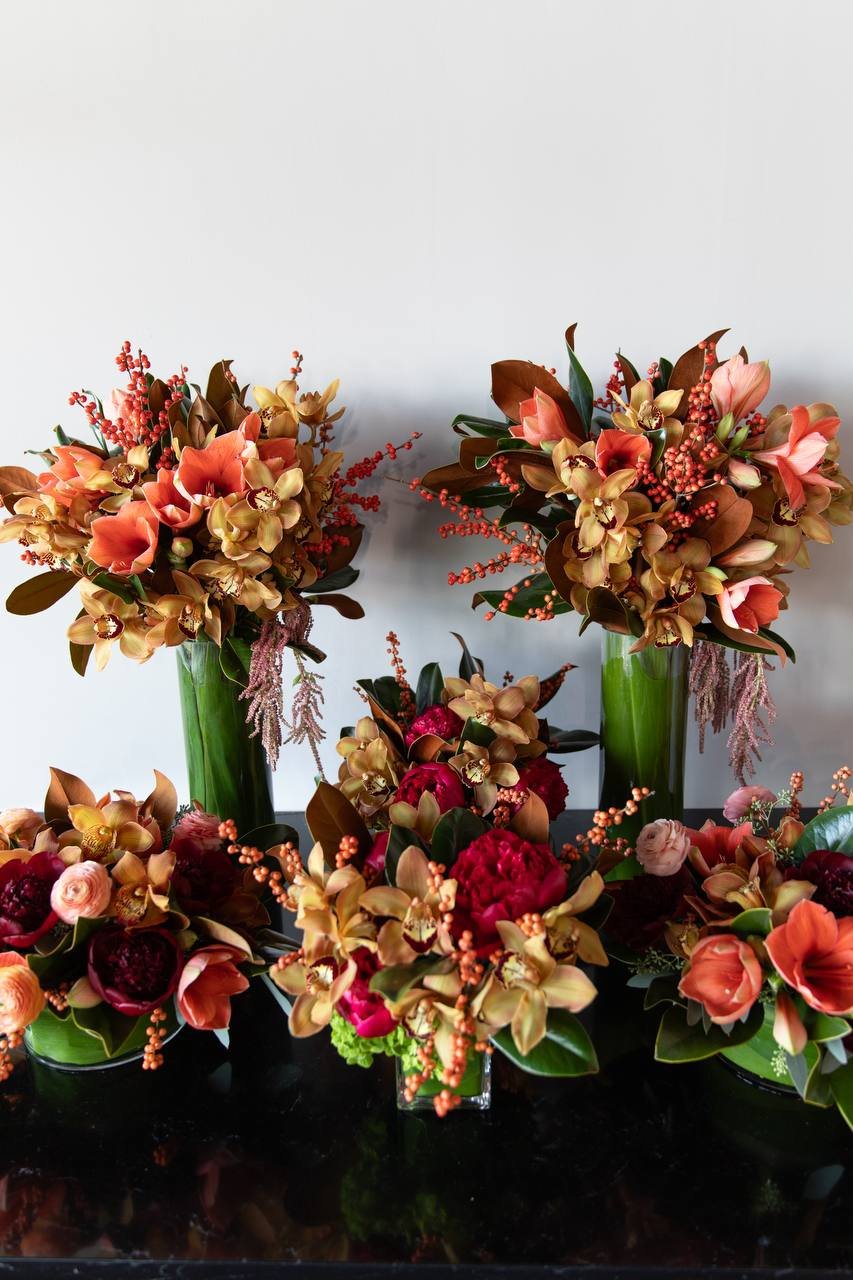
Unlike more personal gifts, flowers generally don't require you to know someone's exact tastes. They're also suitable for plenty of situations, whether you're visiting a new friend, meeting your partner's parents, or having dinner with neighbors for the first time.
What makes flowers especially appealing is that they don't create any expectation of a return gift. They're simply a way to say, "Thanks for having me."
That said, the best flowers for a dinner host should feel like a friendly gesture rather than a grand romantic statement. You want something that brightens the room, not an enormous arrangement that becomes the center of attention.
The Best Flowers to Bring to Someone's House for Dinner
The safest choices are cheerful, moderately sized flowers with a light fragrance and a relaxed, welcoming appearance.
You don't need an expensive or unusual variety. In fact, familiar flowers often work better because they feel approachable and easy to enjoy.
Here are a few excellent options.
Flower
Why It Works
Best Impression
Tulips
Simple, elegant, and easy to arrange
Casual and thoughtful
Gerbera daisies
Bright colors and a cheerful appearance
Friendly and upbeat
Alstroemeria
Long-lasting blooms with attractive colors
Warm and considerate
Lisianthus
Soft, delicate petals and understated beauty
Elegant without being formal
Sunflowers
Naturally cheerful and welcoming
Relaxed and positive
Spray roses
Smaller rose blooms that work well in mixed bouquets
Classic and tasteful
If you're completely unsure what to choose, a mixed seasonal bouquet is usually your best bet. It looks natural, offers a balanced combination of colors, and doesn't carry the strong message that certain single-flower arrangements might suggest.
For example, a simple mix of white lisianthus, peach-colored blooms, and a little greenery looks elegant without feeling like something you'd bring to an anniversary dinner.
Choose Flower Colors That Feel Warm and Welcoming
Color makes a bigger difference than most people realize. You might love dramatic red flowers, but that doesn't necessarily make them the right choice for a first dinner invitation.
For a friendly gathering, softer or brighter shades usually feel more natural.
Yellow, peach, soft pink, lavender, cream, and white are all excellent options. They create a welcoming impression without looking overly romantic or formal.
Yellow flowers, for instance, tend to feel cheerful and relaxed. Peach and soft pink offer warmth, while white flowers can look fresh and elegant.
You can also combine several complementary shades rather than choosing one color. A bouquet with peach, cream, and pale yellow flowers often feels more personal than an arrangement made entirely of a single bold color.
One thing to keep in mind: flower colors don't have universal meanings. Cultural traditions and personal preferences vary, so don't worry too much about symbolic rules.
For a first visit, it's more useful to think about the overall feeling of the bouquet. Does it look friendly, natural, and appropriate for someone's living room? If so, you're probably on the right track.
Keep the Bouquet Small Enough to Be Convenient
Here's something people don't always consider when buying flowers for dinner: your host may already have their hands full.
They're checking the oven, setting the table, welcoming guests, and making sure everything is ready. The last thing they need is a giant bouquet that requires trimming stems, rearranging furniture, and searching through cabinets for a suitable vase.
That's why a small or medium-sized bouquet is usually better than a large arrangement.
A modest bunch of seasonal flowers looks thoughtful without being overwhelming. It also gives your host more flexibility about where to display it.
If you want to make things especially easy, consider bringing flowers already arranged in a small vase with water. That way, your host can simply place them on a counter or side table.
Just make sure the arrangement is easy to carry and doesn't take up too much space. You're bringing a thank-you gift, not a new centerpiece that everyone has to work around.
Avoid Strongly Scented Flowers Around Food
Beautiful flowers aren't always ideal for a dinner setting.
Some blooms have powerful fragrances that can compete with the smell of food. Imagine sitting down to a carefully prepared meal while an intensely perfumed arrangement dominates the room. Even if the flowers smell wonderful on their own, they might not be the best match for the occasion.
Highly fragrant lilies, gardenias, and certain varieties of hyacinths can be overwhelming in smaller spaces.
There's also the possibility that your host or another guest is sensitive to strong scents.
For this reason, lightly scented or fragrance-free flowers are the safer choice.
Tulips, many gerbera daisies, and alstroemeria are often suitable options when you want something attractive without a noticeable perfume.
And if you're thinking about lilies, there's another important consideration: they are highly toxic to cats. If your host has a cat, it's safest to avoid lilies entirely, including their pollen and vase water.
You don't need to turn flower shopping into a science project. Just remember that flowers should complement the atmosphere of dinner, not overpower it.
Consider Your Relationship With the Host
The right bouquet can depend on who's inviting you.
If you're having dinner with a close friend, you can be playful with your choice. Bright sunflowers, colorful daisies, or a loose bouquet of seasonal blooms can feel perfectly appropriate.
Meeting your partner's parents for the first time? Something understated might work better. Think soft colors, simple greenery, and a neat arrangement that looks polished without being extravagant.
For a dinner invitation from a coworker, neighbor, or someone you're just getting to know, a neutral mixed bouquet is a dependable choice.
The main thing is to avoid sending the wrong message.
For example, a dozen long-stemmed red roses might feel a little strange if you're simply visiting a new acquaintance. Red roses are strongly associated with romance in many American settings, even though they're beautiful flowers.
A friendly bouquet doesn't need to communicate deep emotion. It only needs to show appreciation.
Should You Bring Flowers Wrapped or in a Vase?
Both options are acceptable, but they offer different levels of convenience.
A wrapped bouquet is easy to buy, carry, and present. It's also perfectly normal to hand over flowers in their original wrapping when you arrive.
However, your host will need to find a vase, fill it with water, and arrange the stems. That's not necessarily a problem, but it can interrupt dinner preparations.
A small vase arrangement avoids that issue. It's ready to display, which makes it particularly thoughtful when you're visiting someone for the first time.
If you choose wrapped flowers, look for simple packaging rather than excessive plastic, glitter, or oversized decorative materials.
You can also ask for the stems to be prepared and wrapped with a water source to help them stay fresh during the trip.
Neither presentation is automatically better. What matters is that the flowers look fresh, are easy to handle, and don't create unnecessary work.
How Much Should You Spend on Flowers for a Dinner Host?
There's no need to spend a fortune on a first dinner invitation.
For a casual dinner at someone's home in the United States, around $15 to $35 is a reasonable general budget for a thoughtful bouquet, although prices vary depending on the flowers, season, and location.
If you're attending a more formal occasion, you might choose a slightly more elaborate arrangement. But an expensive gift isn't expected just because someone has invited you over for dinner.
In fact, spending too much can sometimes make a simple invitation feel more complicated than it needs to be.
A $20 bouquet of fresh, carefully selected flowers can make a better impression than an extravagant arrangement chosen without much thought.
Focus on freshness, presentation, and suitability rather than price.
If your budget is limited, even a small bunch of tulips or seasonal flowers can feel lovely. The gesture itself matters much more than the amount on the receipt.
Flower Etiquette: When and How to Give Your Host the Bouquet
You've picked the flowers, and now you're standing at the front door. What do you do?
Keep it simple.
When your host welcomes you, hand them the bouquet and say something natural like, "Thanks so much for having me. I brought you a little something."
You don't need a speech, and there's no reason to explain how carefully you selected the flowers.
If your host is busy managing dinner preparations, don't expect them to stop and arrange the bouquet immediately. They may put it aside until later, and that's completely fine.
It's also polite not to assume the flowers will appear on the dining table. Your host might already have a centerpiece, or they may prefer to display the bouquet in another room.
Once you've given the gift, let them decide what to do with it.
One more thing: don't feel disappointed if your host seems more focused on getting dinner ready than admiring your flowers. Hosting can be hectic, and a quick thank-you doesn't mean your gesture went unnoticed.
Common Mistakes to Avoid When Choosing Dinner Host Flowers
Even a well-intentioned gift can be inconvenient if you overlook a few details.
One common mistake is choosing a bouquet that's simply too big. Large arrangements can be beautiful, but they may be difficult to carry, arrange, or display in a smaller home.
Another is selecting flowers with very strong scents. Dinner is about enjoying food and conversation, and overpowering fragrances can interfere with both.
You should also consider pets. Lilies are particularly dangerous for cats, and other flowers may be unsafe for pets too. If you know your host has animals, choose carefully and check whether the specific varieties are pet-safe.
Freshness matters as well. Avoid flowers with browning petals, damaged stems, or leaves that already look wilted.
Finally, don't overthink the symbolism. You don't have to memorize what every flower represents before attending dinner. Most hosts will appreciate a fresh, attractive bouquet without analyzing its hidden meaning.
The best approach is surprisingly straightforward: choose flowers that are fresh, friendly, manageable, and appropriate for the occasion.
Conclusion
Choosing flowers for a first dinner at someone's home doesn't have to feel complicated. You're not trying to impress a flower expert or make a dramatic statement. You're simply thanking someone for welcoming you into their space.
A small or medium-sized bouquet of tulips, daisies, alstroemeria, or mixed seasonal flowers is usually a wonderful choice. Stick with welcoming colors, avoid overpowering fragrances, and consider bringing the flowers in a vase if you want to make things easier for your host.
Above all, remember that thoughtful gestures don't need to be elaborate. Sometimes, a simple bunch of fresh flowers and a genuine "Thanks for inviting me" are all it takes to start the evening on a lovely note.