How Flowers Are Becoming Part of Self-Care Culture in 2026
You’ve heard it a thousand times: “Take care of yourself.” But in 2026, self-care isn’t just bubble baths and candles—it’s becoming something deeper, slower, and more connected to the natural world. And flowers? They’re leading the way.
Once reserved for special occasions or grand gestures, flowers are now finding their way into everyday routines. People are buying them for themselves, arranging them in the quiet of the morning, placing a single stem beside their laptop, or using blooms to signal emotional shifts, intentions, or milestones.

What used to be “just décor” is now a form of wellness—a living, breathing part of a more grounded, mindful life. In this new self-care era, flowers aren’t just pretty—they’re powerful.
Let’s explore how florals became more than visual joy—and how they’re shaping how we heal, rest, and reconnect in 2026.
The Evolution of Self-Care: From Spa Days to Daily Rituals
Rewind a few years, and self-care was often treated like a luxury. Something you scheduled when you had time. It looked like expensive skincare, spa getaways, or long weekends with zero emails.
But in 2026, the vibe has shifted.
Self-care is now about sustainable, small acts—those tiny things you do each day that bring you back to yourself. Brewing tea instead of grabbing coffee. Stretching before you scroll. And for many? Bringing flowers into the space.
Flowers have become a favorite self-care ritual because:
They’re accessible—a few dollars at the market
They’re sensory—color, scent, and touch all in one
They’re temporary, which makes you notice them
Just like you don’t need a full spa day to feel better, you don’t need a giant bouquet. A single bloom, chosen with intention, can become the center of a quiet, nourishing moment.
Why Flowers Speak to Our Emotional Needs
There’s something about flowers that bypasses logic and speaks straight to the heart. Maybe it’s their softness in a hard world. Maybe it’s the fact they don’t do anything except exist beautifully—and that’s enough.
In self-care culture, flowers offer:
Color therapy: Soft pinks for calm, bright yellows for joy, deep reds for grounding
Scent healing: Lavender for stress, jasmine for energy, rose for emotional opening
Form and movement: The natural curves and asymmetry of petals soothe overstimulated minds
In a world obsessed with performance and productivity, flowers remind us that being is enough. They ask nothing. They simply offer beauty.
Science-Backed Benefits of Flowers in Daily Life
This isn’t just poetic talk—science backs it up. Studies from leading universities and wellness institutes show that flowers:
Reduce stress and cortisol levels
Increase feelings of happiness and satisfaction
Improve focus, creativity, and memory
Support faster healing after illness or emotional strain
Researchers found that even brief exposure to flowers in a room can positively affect emotional well-being and energy levels. No wonder more people are making them part of their daily emotional toolkit.
The Role of Flowers in Home Wellness Spaces
Gone are the days when flowers were confined to the dining table or only brought out when guests were coming over. In 2026, people are intentionally placing flowers in personal wellness zones—bedrooms, meditation corners, reading nooks, and even bathrooms—to turn ordinary moments into restorative experiences.
You’ll see this shift reflected in how people use their flowers:
A single stem of lavender by the bathtub to enhance a nighttime soak
A sprig of eucalyptus in a shower for a spa-like vibe
A gentle bloom on a bedside table to greet the morning softly
A vibrant pop of color near a yoga mat or meditation cushion
These blooms aren’t just pretty—they’re anchors. Physical reminders that self-care doesn’t have to be complicated or performative. It just has to be real, and flowers help keep it that way.
Some people are even building “self-care altars”—small surfaces with candles, stones, journals, and a flower or two. These altars act as visual invitations to pause and breathe, especially when life feels overwhelming.
Floral Minimalism: The Power of One Stem
One of the most powerful aspects of flowers in self-care is that you don’t need much. In fact, the current trend of floral minimalism is all about the impact of just one or two blooms.
There’s something meditative about selecting a single flower, trimming the stem with care, placing it in a small vase, and giving it your full attention. No clutter. No big bouquet. Just one quiet piece of beauty in your line of sight.
This style fits beautifully into the self-care world because it emphasizes:
Presence over perfection
Simplicity over spectacle
Intentionality over excess
In an era of overconsumption and overdoing, minimalist flower rituals remind us that small is enough—and that care, not size, is what gives something meaning.
Buying Flowers for Yourself: A Bold Act of Self-Love
There’s something radical, even rebellious, about buying yourself flowers. For decades, flowers were framed as gifts we waited to receive—romantic, congratulatory, or sympathetic gestures from someone else.
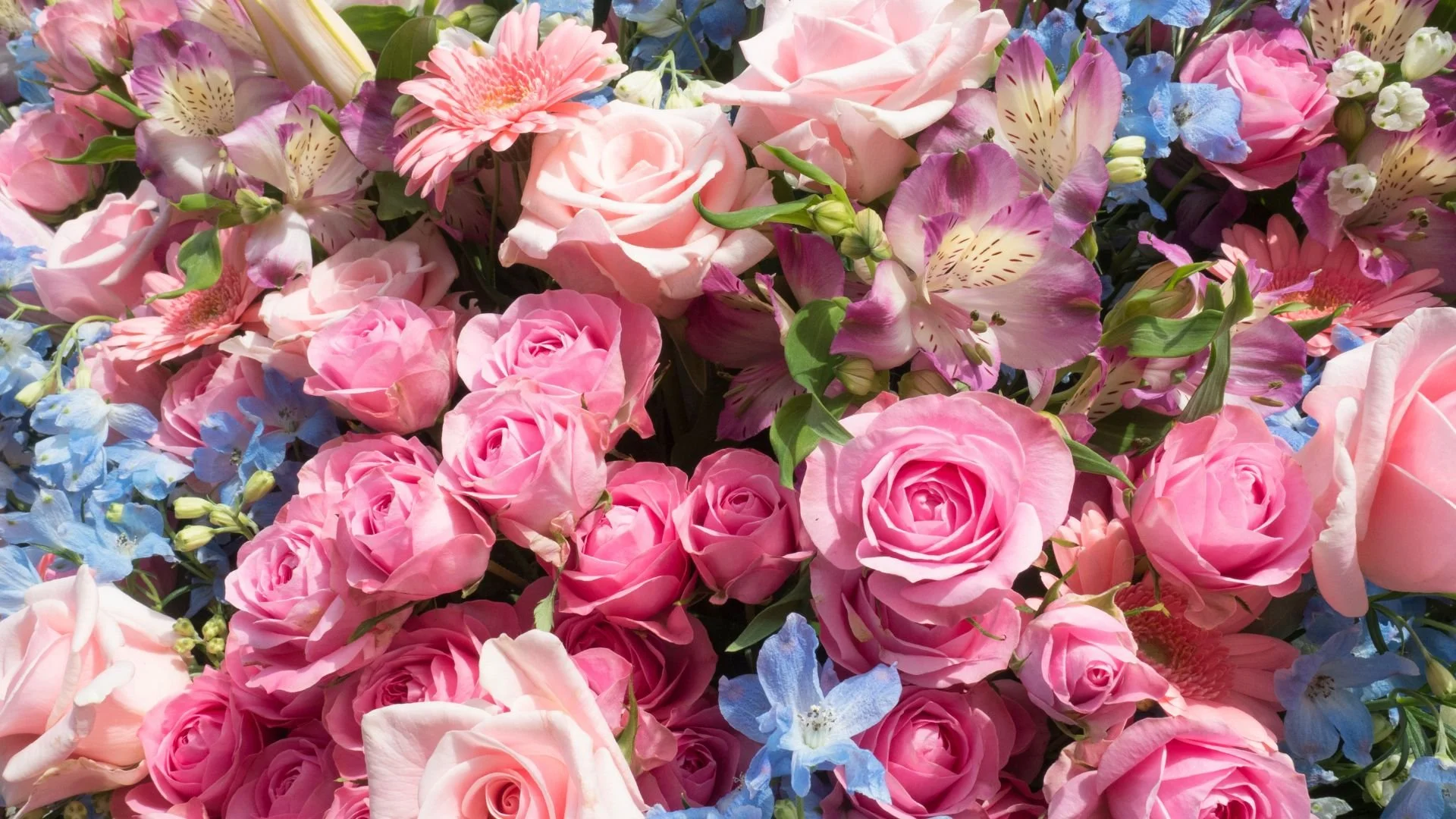
But in 2026, more people are flipping the script. Buying flowers for yourself isn’t a consolation prize—it’s a celebration of autonomy, worth, and joy.
And the ritual has layers:
Stopping at the market and choosing what speaks to you
Bringing them home and arranging them thoughtfully
Letting them represent your energy for the week
It’s not about the flowers. It’s about saying, “I deserve beauty and gentleness—right now, for no reason.” That’s self-care in its purest form.
Creating Rituals with Flowers in 2026
We live in a time where routines are packed and screens never stop glowing. But flowers can bring us back to the slow, quiet rituals that help us reconnect to ourselves.
Here are ways people are using flowers as self-care rituals:
Morning check-in: Trimming a stem, refilling the vase, and starting the day grounded
Weekly reset: Replacing old blooms with new ones every Sunday night as a way to mark transition
Evening wind-down: Sitting with a flower, journaling or meditating beside it
Seasonal intentions: Choosing flowers based on energy you want to invite—calm, courage, softness, creativity
These simple acts aren’t about productivity or performance. They’re about creating a sacred pause—a moment of breath and intention in the middle of a hectic life.
Floral Journaling and Emotional Mapping
In 2026, many people are pairing flowers with emotional journaling—tracking how they feel based on what they’re drawn to. Flowers become a kind of visual language for our internal world.
For example:
Drawn to white tulips = seeking peace
Picking bold sunflowers = feeling optimistic
Choosing dark dahlias = craving depth and introspection
Some even document their weekly flower choices in journals or take photos to track emotional patterns over time. It’s a form of emotional mapping, using nature’s language to better understand ourselves.
Seasonal Flower Living: Living with Nature’s Rhythms
Another big shift in the self-care space? Returning to seasonal rhythms. In a world where everything is available 24/7, people are craving the structure and grounding of natural cycles.
Flowers help us live seasonally by:
Offering different blooms at different times
Marking transitions (spring peonies, summer zinnias, autumn mums, winter amaryllis)
Connecting us to the present moment
This kind of seasonal mindfulness helps ground us in real time, instead of digital time. It makes us feel more rooted, real, and in sync with the natural world.
The Aesthetic and Energetic Impact of Flowers
Let’s talk energy. Not in a mystical way—but in a very real, visible one. Flowers shift the emotional energy of a space. They soften hard lines, bring movement to static corners, and infuse even the most cluttered room with a feeling of care and calm.
In 2026, more people are designing their homes not just for looks, but for how the space makes them feel. And flowers are a powerful tool in this aesthetic-wellness crossover.
Here’s what flowers can do:
Create visual harmony through balance and symmetry
Add a natural focal point that draws the eye and quiets the mind
Shift the emotional tone of a room (cheerful, calming, grounding)
Make even a messy desk or tiny bathroom feel intentional and loved
The presence of fresh or even dried flowers signals, “Someone lives here who is tending to themselves.” That quiet message lingers in the air—and that’s where beauty meets wellness.
Flowers and the Rise of “Slow Living” in Urban Culture
In a world obsessed with fast everything—food, fashion, content—there’s a growing resistance. A quiet but firm return to slow. And flowers are at the heart of this movement.
Slow living isn’t about doing less. It’s about doing things with care, attention, and presence.
Flowers help facilitate that by:
Encouraging you to pause
Replacing instant gratification with gentle unfolding (watching buds open over days)
Helping you notice small shifts—seasons changing, moods evolving, petals falling
In New York, Los Angeles, and other bustling cities, people are turning to flowers not just as decoration, but as a way to counterbalance the pace of their daily lives. That five-minute floral ritual might be the only time they’re fully present—and that’s where the magic happens.
The Digital Detox Effect: Flowers as an Offline Moment
With screen time at an all-time high, many of us are seeking ways to return to the physical world—to touch, feel, and be present in a way that’s not digitized.
Flowers offer a full sensory experience that asks nothing from you. No notifications. No pings. Just scent, shape, and the gentle act of care.
Many people are using flower time as a digital boundary:
Putting phones away while arranging or watering
Replacing doom-scrolling with tending a tiny plant corner
Using flowers to bookend the day: morning bloom, evening stillness
These moments become tiny rituals of resistance—choosing presence over performance, nature over noise.
Community and Connection Through Flowers
Even though self-care is deeply personal, flowers are also building connection and community in 2026. People are:
Hosting flower arranging nights at home
Swapping stems with friends
Joining local flower co-ops or subscription services to support nearby growers
Giving flowers as “thinking of you” gifts—not just romantic ones
In an increasingly disconnected world, flowers have become a way to say:
“I see you. I’m thinking of you. I care.”
And for many, that shared floral language has created micro-communities—friends who text each other when tulips arrive at the bodega, coworkers who compare weekly bouquets, neighbors who leave surprise stems on doorsteps.
Flowers don’t just make you feel better—they help you make others feel better, too.
Sustainability and Mindful Consumption
The self-care world in 2026 is also becoming more sustainably aware, and flowers are no exception. With growing attention on where things come from and how long they last, more people are:
Choosing locally grown, seasonal flowers
Supporting small flower farms or community markets
Using reusable vessels, composting spent stems, and even drying their own flowers
Avoiding mass-produced, heavily-packaged bouquets
Mindful flower consumption aligns perfectly with self-care, because both are about thoughtfulness and intention—being aware of what we bring into our lives and why
Conclusion
Flowers have bloomed into something much bigger than a visual accessory. In 2026, they’re becoming an integral part of how we care for ourselves—mind, body, and soul.
They’re no longer just gifts from others—they’re gifts to ourselves. A form of gentle rebellion against burnout culture. A way to come home to beauty, slowness, presence, and joy.
Whether it’s a single daisy in a jam jar or a thoughtfully crafted arrangement in your favorite room, flowers say, “You matter. This moment matters.” And in a world constantly asking for more, that’s a message worth holding close.