Eco-Friendly Floral Trends Taking Over Connecticut and NYC
In 2026, flowers aren’t just about looking pretty anymore. In places like Connecticut and New York City, people are asking a new question when they bring home a bouquet:
“Is it sustainable?”
As climate consciousness continues to grow, so does the desire for florals that align with ethical, earth-friendly values. From flower farms in the Connecticut countryside to Brooklyn brownstones with window gardens, residents are waking up to the environmental impact of traditional floristry—and changing how they buy, style, and care for flowers.
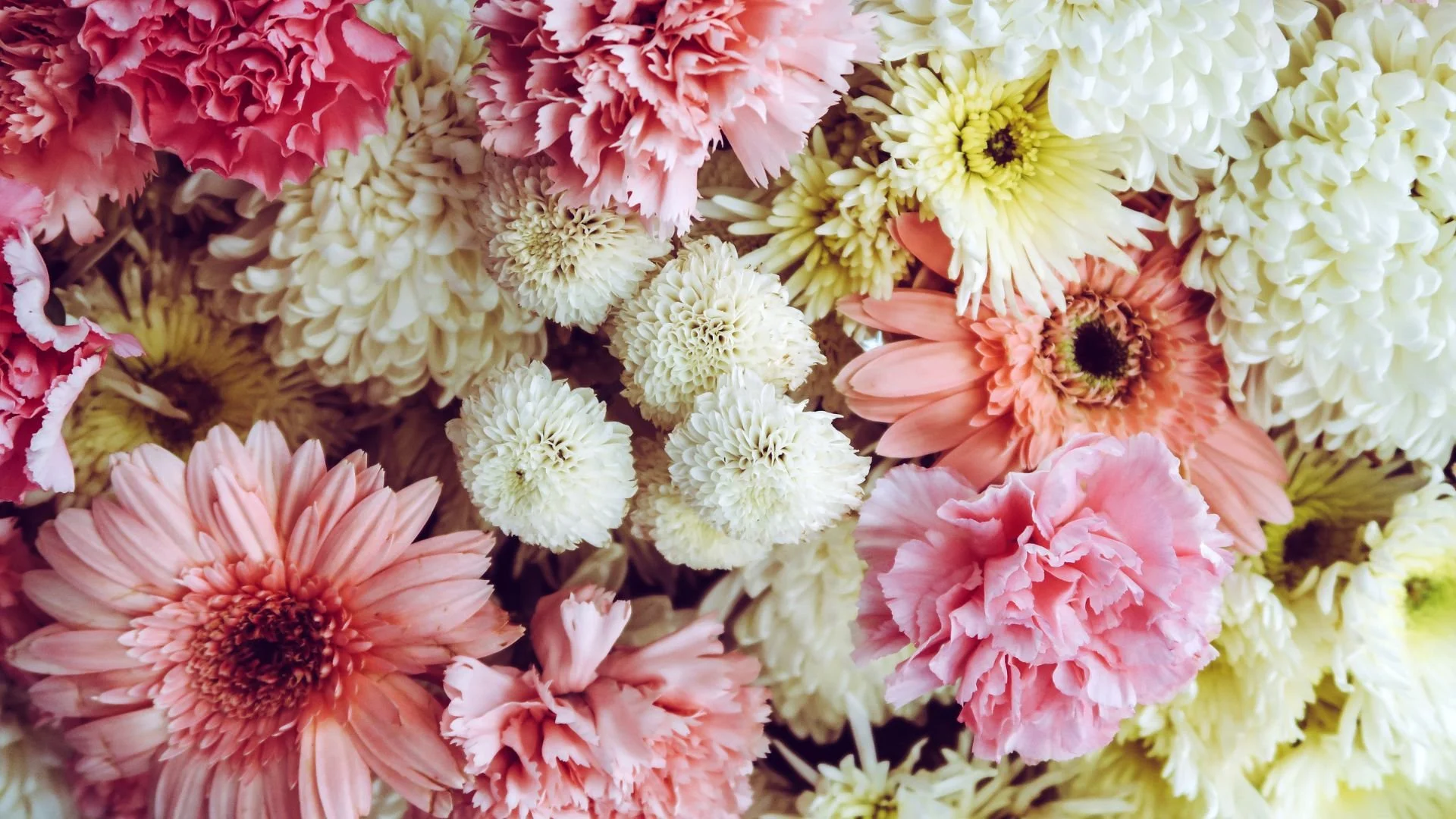
Let’s be real. The floral industry has long been wrapped in plastic, flown in from across the globe, and packed with single-use waste. But now? We’re entering a new era of floral design—one that’s just as beautiful, but a whole lot more responsible.
Whether you’re gifting, decorating, or just treating yourself to a little weekly bloom, here’s how to do it more sustainably—and stylishly.
The Environmental Impact of Traditional Floristry
It’s easy to forget how flowers get from farm to vase. But most flowers sold in the U.S. are:
Flown in from South America, Africa, or Europe
Grown using pesticides and fertilizers
Packaged in plastic sleeves, foam, and wire
Tossed within days of display
That romantic bouquet? It might carry a huge carbon footprint.
Floristry also contributes to:
Landfill waste (floral foam, plastic ties, wrapping)
Microplastic pollution from synthetic materials
Water waste from large-scale greenhouse production
As more people learn about these impacts, they’re demanding better—flowers that make them feel good and do good.
Why Sustainability Matters in Urban and Suburban Flower Culture
It’s not just rural gardeners and eco-activists calling for change. In cities like NYC, where space is tight and waste is high, residents are seeking smaller footprints and slower living.
Meanwhile, in Connecticut’s suburban communities, homeowners are turning lawns into flower-cutting gardens and sourcing from local farms. The shared goal?
Luxury that doesn’t harm the planet.
People want:
Transparency about where their flowers come from
Creative designs that don’t rely on floral foam
Arrangements that last longer or can be repurposed
This isn’t about going without. It’s about floral joy with intention.
Locally Grown Blooms: The New Gold Standard
One of the biggest eco-friendly floral trends taking off in both Connecticut and NYC is a return to locally grown, seasonal flowers. Instead of ordering arrangements packed with imported roses or lilies flown in from halfway around the world, more people are choosing blooms that were grown just a few miles away.
Why? Because local flowers:
Have a lower carbon footprint (no air freight or long-haul trucking)
Are fresher, meaning they last longer in your home
Reflect the natural rhythm of the seasons, connecting you to time and place
Support regional flower farmers, many of whom grow organically or without harsh chemicals
In Connecticut, flower lovers are heading to weekend markets and roadside stands, picking up armfuls of tulips in spring, zinnias in summer, and dahlias in fall. In NYC, urbanites are subscribing to neighborhood flower CSAs, where each bouquet is a celebration of what’s blooming locally that week.
Popular local flowers by season:
Spring: Tulips, daffodils, anemones, ranunculus
Summer: Zinnias, sunflowers, cosmos, lisianthus
Fall: Dahlias, mums, celosia, amaranth
Winter: Evergreens, holly, paperwhites, dried florals
Local flowers aren’t just a trend—they’re a return to natural, sustainable beauty.
The Rise of Seasonal Flower Arranging
Gone are the days of expecting peonies in November or tulips in August. In 2026, Connecticut and NYC residents are fully embracing the seasonal approach to flower arranging—and loving the richness it brings to their homes.
Seasonal floristry is all about celebrating what’s naturally available, which makes arrangements feel more authentic, rooted, and alive. It also reduces environmental harm by avoiding the energy costs of greenhouses or imported stock.
This approach teaches you to appreciate the fleeting beauty of each flower:
Spring’s gentle pastels and buds
Summer’s vibrant, showy blooms
Fall’s rich tones and dramatic textures
Winter’s subtle evergreens and sculptural dried stems
And it aligns perfectly with the slow living movement—focusing on what’s here now, rather than what can be shipped in at a cost to the planet.
Ditching Floral Foam: The New Norm
If there’s one thing eco-conscious florists are shouting from the rooftops, it’s this:
“Floral foam is OUT.”
Also known as oasis foam, this green block of synthetic sponge has been a florist staple for decades. But it’s:
Made from non-biodegradable plastic
Full of toxic chemicals
A source of microplastic pollution in waterways
Now, both Connecticut-based designers and NYC florists are leading a wave of innovation with sustainable alternatives:
Chicken wire and pin frogs for structure
Recyclable flower grids for arrangements
Reusable vases with natural mechanics (like pebbles or branches)
Even DIY flower lovers are learning to build foam-free arrangements at home, using clever hacks like:
Mason jars with crisscrossed tape
Repurposed containers with natural twigs for support
Hanging installations made with biodegradable twine and moss
It’s not just better for the planet—it’s more creative and rewarding, too.
Minimalist Arrangements with Maximum Impact
In a world that’s overwhelmed by too much of everything, floral minimalism is making a strong, eco-conscious statement.
This trend isn’t just aesthetic—it’s deeply sustainable. Instead of overflowing bouquets, people are embracing:
Single stems in small bud vases
Sparse, sculptural arrangements with fewer flowers
Focus on form, space, and color contrast
By using fewer stems, you:
Reduce waste
Make your blooms last longer
Appreciate each flower more deeply
Minimalist florals are especially popular in small NYC apartments, where space is limited and design has to be intentional. But they’re just as loved in Connecticut homes that lean into Scandinavian and modern farmhouse interiors.
Less really is more.
The Comeback of Dried and Preserved Flowers
What’s better than a bouquet that stays beautiful for months? In 2026, dried and preserved flowers are having a major moment, especially among eco-minded consumers.
Why they’re trending:
Zero waste—no wilting or tossing after a few days
Require no water or ongoing care
Add texture, movement, and softness to any space
Available in both neutral and bold palettes
Dried flowers can be:
Purchased from local makers
Created at home (hang upside down, air dry in a dark space)
Mixed with fresh blooms for a dynamic contrast
Top choices for drying include:
Statice
Strawflower
Celosia
Grasses
Eucalyptus
Craspedia (billy balls)
In both Connecticut and NYC, these long-lasting florals are becoming go-to choices for gifting, decorating, and events.
Repurposing and Reusing: Giving Flowers a Second Life
One of the most beautiful parts of the eco-friendly flower movement in 2026 is the focus on not letting anything go to waste. That stunning bouquet you brought home? It doesn’t have to end its life in the trash.
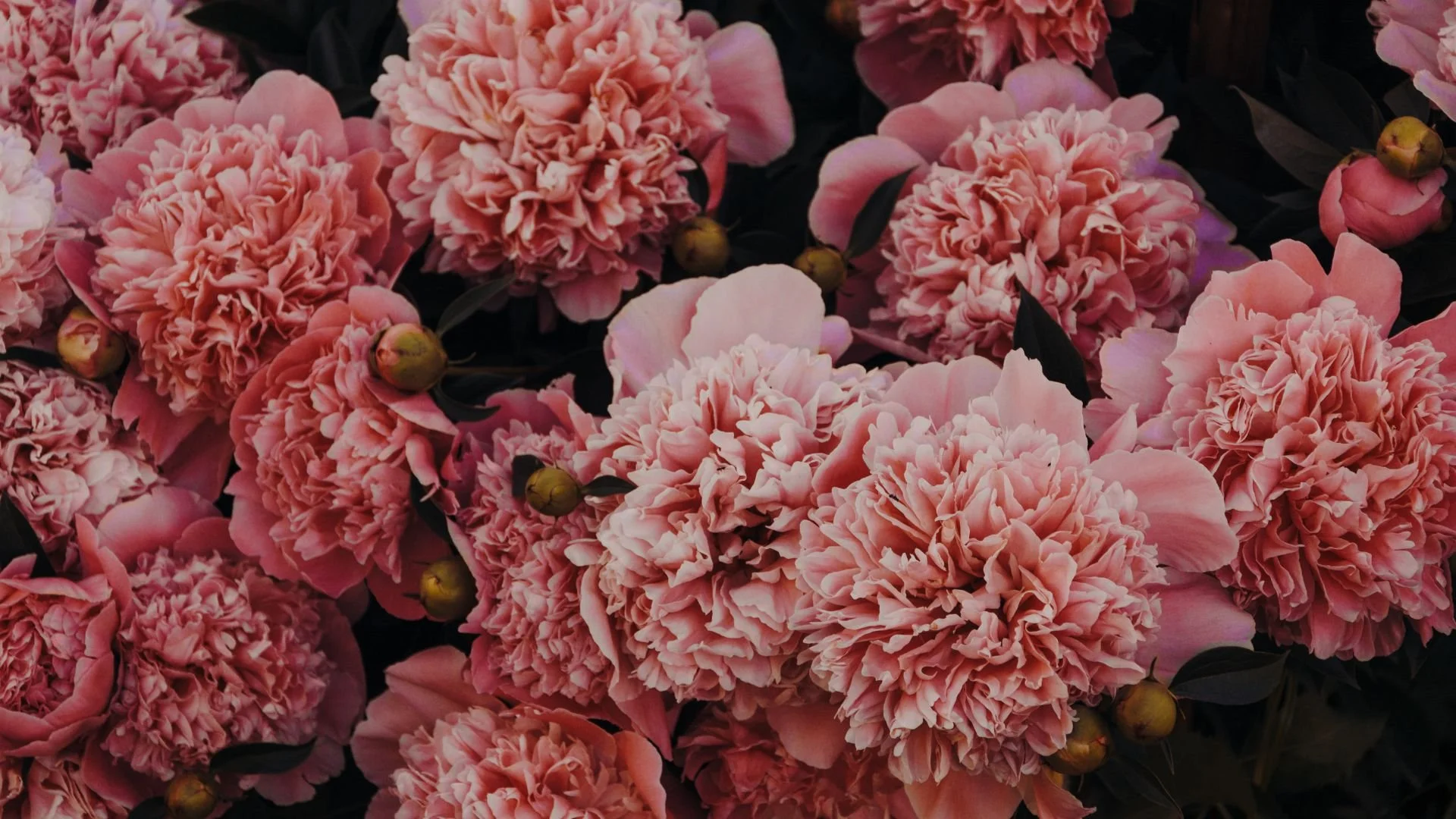
Here’s how people across Connecticut and NYC are extending the life of their blooms:
Re-trimming stems and placing the remaining healthy flowers in smaller vases
Air-drying petals or whole flowers to repurpose into dried arrangements
Pressing flowers to use in bookmarks, journals, or handmade cards
Making floral-infused water (with edible petals) for a relaxing bath soak
Composting the remains to return nutrients to the soil
There’s something deeply satisfying—and sustainable—about using every part of the flower. It turns a temporary joy into a long-lasting practice of appreciation and care.
Eco-Friendly Floral Packaging Trends
Florists in 2026 are getting creative with how they wrap their arrangements—and thankfully, plastic sleeves are finally becoming a thing of the past.
Sustainable packaging trends dominating Connecticut and NYC include:
Kraft paper and twine, tied with a handwritten note
Fabric wraps (inspired by Japanese Furoshiki folding) that can be reused
Glass jars or ceramic vessels as part of the gift
No packaging at all, just flowers arranged naturally in hand
These small shifts aren’t just good for the planet—they make flowers feel more personal and thoughtful. Gifting flowers in reusable or compostable materials creates less guilt and more gratitude—for both the giver and receiver.
Green Gifting: Ethical Flower Giving in 2026
Giving flowers has always been a kind gesture. But in 2026, the kindest gifts are those that also respect the planet. This has sparked a movement toward green gifting, where people are more intentional about how and why they give flowers.
What green gifting looks like:
Choosing locally grown, seasonal flowers
Asking florists to skip plastic and unnecessary wrap
Pairing flowers with a reusable item like a small pot, cloth wrap, or seed packet
Explaining the story behind the flowers—“These were grown at a Connecticut farm near the shore,” for example
Whether it’s for a birthday, housewarming, or “just because,” these conscious choices turn a bouquet into a message:
“I care about you and the world we share.”
Urban Gardening and Windowsill Flowers
In cities like NYC, where space is at a premium, urban gardening has gone from a niche hobby to a full-on lifestyle. More and more residents are turning to windowsill flower growing, balcony planters, and even indoor grow setups to reduce their need to buy flowers altogether.
Great flowers to grow in small urban spaces:
Zinnias
Nasturtiums (bonus: edible!)
Pansies and violas
Miniature sunflowers
Herbs like lavender and basil that flower
Meanwhile in Connecticut, suburban residents are converting traditional lawns into cutting gardens, where they grow their own bouquets for weekly use. These DIY gardens reduce floral waste, support pollinators, and make the home feel truly alive.
Floral Subscriptions with a Sustainable Twist
Flower subscriptions have exploded in popularity—but in 2026, the focus is on low-waste, local options. Many Connecticut farms and NYC-based services now offer eco-conscious floral subscriptions that prioritize:
Zero plastic packaging
Reusable vases or collection/drop-off systems
Seasonal, local-only flowers
Minimalist bundles to reduce excess
Community Supported Agriculture (CSA) for flowers is also booming. Subscribers receive weekly or biweekly bouquets directly from local growers, often alongside updates about the farm and tips for care.
It’s a sustainable, relationship-based approach that’s both eco-friendly and emotionally rewarding.
Events, Weddings, and Installations Going Green
Even in the world of large-scale events and weddings, the floral industry is undergoing a green transformation.
Today’s eco-conscious event planners are:
Using rentable floral installations instead of waste-heavy displays
Choosing seasonal, local blooms
Avoiding floral foam and single-use supports
Donating flowers after events to hospitals or shelters
Composting or drying leftovers for keepsakes
Florists working in Connecticut and NYC are pushing creative boundaries—building hanging arrangements from biodegradable materials, designing floral sculptures from dried flowers, and making sure every bloom gets a second purpose.
Green weddings and events aren’t just better for the environment—they often feel more grounded, natural, and meaningful.
Building a Mindful Flower Ritual at Home
At the heart of all these trends is something bigger: the desire to live more mindfully and more connected to nature.
Flowers offer a beautiful way to slow down:
Watering and trimming becomes a morning check-in
Watching blooms open becomes a daily moment of wonder
Swapping out seasonal flowers turns your home into a living calendar
By incorporating sustainable flowers into your home, you’re not just making a design statement—you’re building a lifestyle of presence, care, and respect for the planet.
It’s not about perfection. It’s about progress—choosing better one stem at a time.
Conclusion
From quiet suburbs in Connecticut to bustling Brooklyn apartments, the eco-floral revolution is blooming. In 2026, more people than ever are realizing that flowers don’t have to cost the earth—to the wallet, or the environment.
By choosing local blooms, skipping plastic, embracing minimalism, and composting what we can’t keep, we create a new kind of beauty—one that lasts beyond the vase.
So the next time you buy or arrange flowers, pause and ask:
How can this be more mindful? More local? More lasting?
Because when flowers and sustainability come together, they don’t just brighten a room—they help grow a better world.