Grounded Wedding Arches: The Floral Ceremony Trend Redefining Modern Weddings
A wedding ceremony backdrop does not have to tower over the couple to make a powerful statement. In fact, one of the most compelling floral directions in modern wedding design stays close to the earth. Grounded wedding arches are low, freestanding floral installations arranged around the couple rather than above them. The flowers may form a soft semicircle, an open crescent, two asymmetrical floral gardens, or a nearly complete ring that appears to grow naturally from the ceremony floor. The result feels immersive, romantic, and surprisingly modern.
Unlike a traditional arch with visible posts or a rigid overhead frame, a grounded installation creates definition without enclosing the couple inside a structure. It frames the vows from below, allowing the architecture, landscape, sky, or interior behind the ceremony to remain visible. That openness is one reason grounded flowers work so beautifully in photographs. The couple stands at the center of the composition, while flowers create color and movement around their feet and along the lower edge of the frame. Nothing competes with their faces, clothing, or emotional connection.
This floral style also offers remarkable creative flexibility. A grounded arch can look lush and garden-inspired, restrained and architectural, wild and meadow-like, or clean and monochromatic. It can follow the curve of a stone terrace, soften the base of a fireplace, define an open field, or add romance to a modern indoor room. The installation may contain abundant flowers, mostly foliage, sculptural branches, grasses, or a carefully edited combination of materials. There is no single formula, which makes the design especially appealing to couples who want something personal rather than predictable.
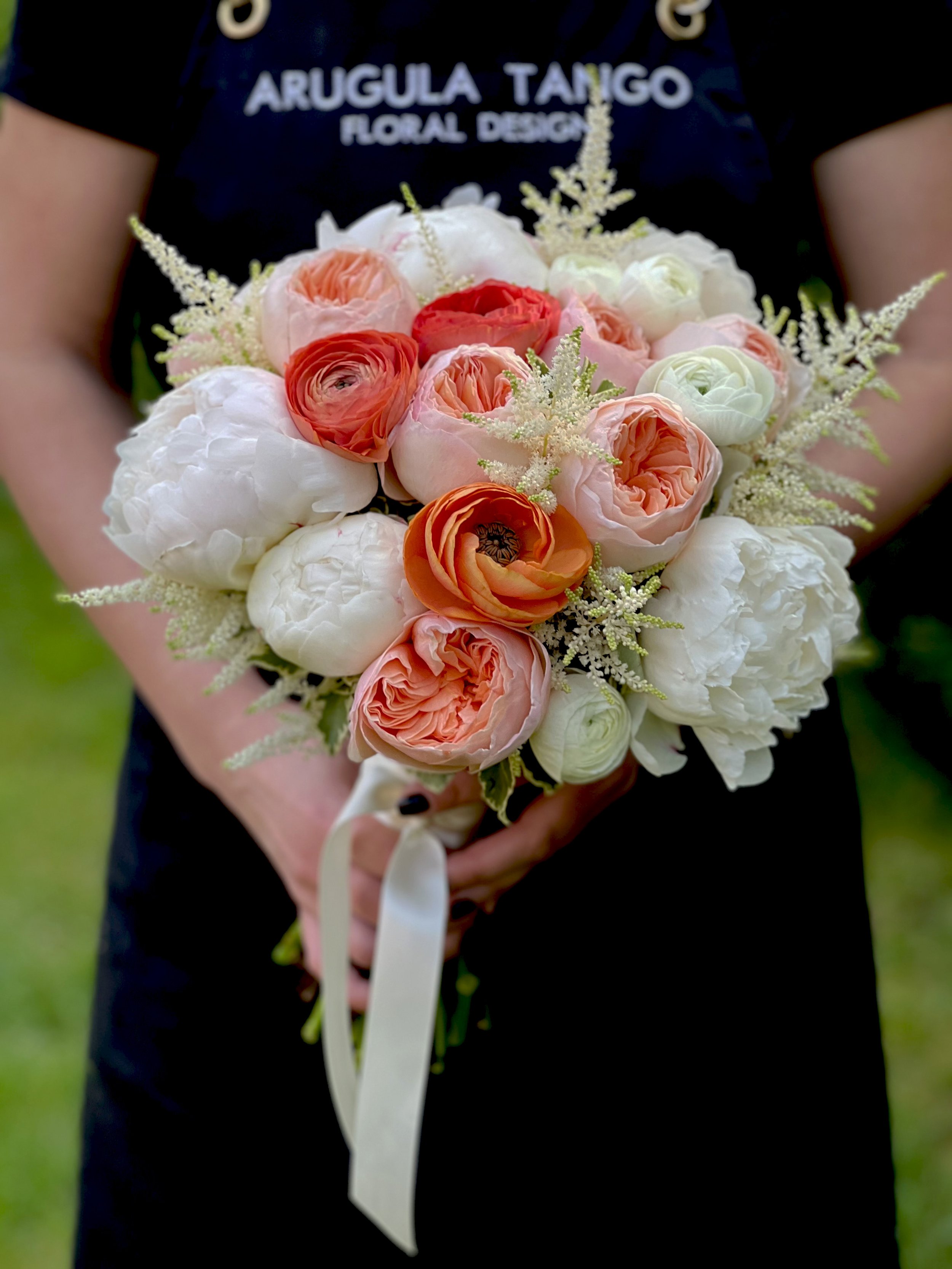
Still, an effortless-looking grounded arch requires thoughtful planning. Scale, flower choice, guest sightlines, ceremony movement, weather, installation time, and floor protection all matter. A beautiful concept can become awkward when it crowds the officiant, narrows the aisle, or appears too small against the venue. The best designs balance artistry with the practical rhythm of a real ceremony.
This guide explores how grounded floral arches work, how they differ from traditional ceremony structures, and how to adapt them to indoor and outdoor weddings. It also explains color, seasonality, placement, budgeting, and creative reuse so the installation feels intentional from the first guest arrival to the final photograph.
Why Grounded Wedding Arches Feel So Fresh
Grounded arches feel fresh because they change the familiar visual hierarchy of a wedding ceremony. Traditional ceremony décor often directs the eye upward through tall columns, suspended flowers, wooden frames, or overhead greenery. A grounded installation does the opposite. It draws attention to the couple by creating a floral foundation, almost like a living stage built from petals, foliage, and natural movement. The design feels less like a decorated structure and more like the landscape itself has gathered around the vows.
That lower perspective creates intimacy. Guests can see the couple clearly without looking through hanging flowers or heavy framework. The officiant remains visible, the couple’s clothing is not visually divided by structural posts, and the ceremony setting stays connected to the surrounding venue. In photographs, the flowers often appear to rise gently around the couple while leaving the upper frame open. This makes images feel spacious even when the installation itself is abundant.
The style also reflects a broader move toward wedding designs that feel organic rather than overly constructed. Couples increasingly want flowers to appear responsive to the place where the celebration occurs. A grounded arch can follow the uneven edge of a garden, echo the curve of a shoreline, or soften the formal geometry of an indoor room. Instead of announcing, “A structure has been placed here,” it can create the illusion that the flowers naturally belong in that exact location.
There is also something emotionally fitting about flowers growing upward from the ground during a ceremony centered on commitment and a shared future. The symbolism does not need to be explained to guests. They simply feel the sense of growth, rootedness, and movement. The installation surrounds the couple without closing them in, creating a visual metaphor for support rather than enclosure.
Of course, the trend’s popularity does not mean every grounded arch should look the same. Repetition happens when designers copy the same low semicircle without considering the venue or couple. The most successful versions respond to architecture, light, season, and personal style. A modern grounded arch might use sharp lines and limited color, while a romantic version could resemble an overflowing garden. The freshness comes not only from the low placement but from the freedom to treat the ceremony floor as a creative canvas.
Understanding the Grounded Floral Arch
A grounded floral arch is best understood as a ceremony frame built horizontally rather than vertically. It usually consists of several low floral sections arranged around the place where the couple will stand. From the guests’ perspective, those sections connect visually to form an arch, crescent, horseshoe, broken circle, or open garden. The mechanics may be separate, but the eye reads them as one continuous composition.
The word “arch” can be slightly misleading because the flowers do not always create a literal curved opening. Some designs form two low arrangements with open space in the center. Others wrap almost completely around the couple, leaving only a narrow entrance from the aisle. A more architectural version may use one strong floral mass on one side and a smaller balancing arrangement on the other. The defining characteristic is not perfect symmetry. It is the way the flowers establish a ceremony boundary at ground level.
A successful design considers the empty space as carefully as the flowers. Where will the couple stand? How will they enter? Where will the officiant position themselves? Will anyone need to step forward for readings, cultural rituals, or musical performances? The installation should shape the ceremony without limiting movement. It should feel like a frame, not a floral fence.
Height can vary significantly. Some grounded arches remain below knee level, creating the effect of a meadow. Others rise toward the waist at selected points, giving the installation more visual presence. The tallest sections are often placed near the outer edges or slightly behind the couple, while the central area stays lower. This keeps faces, hands, clothing, and ceremony actions visible.
The installation may be built from flowers and foliage alone, or it may incorporate branches, grasses, moss-like textures, stones, potted plants, or other natural materials. Whatever the ingredients, the arrangement should read as one visual idea. Color repetition, directional movement, and consistent spacing help separate sections feel connected.
A grounded arch is not simply several centerpieces placed on the floor. It requires a panoramic way of thinking. The designer must consider how the installation looks from the center aisle, the front row, the side seats, and the camera position. When every angle has been considered, the separate floral pieces merge into one immersive ceremony environment.
The Anatomy of a Well-Designed Grounded Arch
A well-designed grounded arch begins with a clear silhouette. Before individual flowers are selected, the overall shape should be determined. Will the installation form a smooth semicircle, a broken crescent, two asymmetrical gardens, or an open horseshoe? Each silhouette creates a different emotional effect. A near-complete circle feels immersive and ceremonial, while two separated floral masses appear lighter and more contemporary. An asymmetrical crescent can feel artistic and editorial, especially in a modern venue.
The next element is visual weight. A grounded arch needs enough substance to be visible from the back row and to balance the scale of the setting. That does not mean every section must be equally dense. In fact, variation often creates a more natural result. One area may contain large focal flowers, another may rely on fine grasses, and a third may use airy stems to connect the heavier sections. The eye follows the repeated colors and lines, interpreting the entire installation as one landscape.
Height should change gradually rather than jumping abruptly from low to tall. The central section near the couple’s feet often remains modest so it does not hide clothing or interfere with movement. Height can rise toward the sides or behind the couple, creating a gentle embrace. Extended branches or wispy flowers may reach higher without appearing heavy because guests can still see through them.
The mechanics must remain stable and discreet. A grounded installation sits close to guests, clothing, shoes, and ceremony movement, so nothing should wobble, leak, scratch the floor, or expose sharp materials. Water sources need to support the flowers throughout setup and the ceremony. Indoor venues may require protective barriers beneath the arrangements, while outdoor installations need anchoring against wind and uneven ground.
Texture gives the arch depth. Large blooms create visual focus, smaller flowers soften transitions, and foliage or branches establish movement. Negative space keeps the design from becoming a solid floral wall. A few openings allow the background to show through and make individual flowers easier to appreciate.
Finally, the arch should have a clear front and a finished back. Guests seated at angles may see the sides, and photographers often move around the ceremony area. Exposed mechanics or unfinished foliage can weaken the illusion. A successful grounded arch feels complete from every realistic viewing position, even when its most dramatic perspective remains the center aisle.
Grounded Arches vs. Traditional Standing Arches
Grounded and traditional standing arches can both create beautiful ceremony focal points, but they shape the space in very different ways. A traditional arch defines the ceremony vertically. It creates a doorway-like frame around the couple and may support flowers, fabric, greenery, or branches above their heads. A grounded arch defines the same area from below, using flowers to establish a base while leaving the upper view open.
That difference affects everything from photography to installation. A standing structure can provide height in a large room or open landscape, making the ceremony location visible from a distance. It can also cover an unattractive wall or create architecture where none exists. A grounded installation works particularly well when the existing background is already beautiful and should remain visible. It adds softness and color without blocking windows, stonework, water, trees, or skyline views.
Design consideration
Grounded floral arch
Traditional standing arch
Visual direction
Frames the couple from below
Frames the couple from the sides and above
Background visibility
Keeps most of the setting open
May partially cover the background
Structural appearance
Organic and landscape-like
Architectural and clearly constructed
Wind exposure
Usually lower and easier to stabilize
Greater surface area exposed to wind
Ceremony movement
Requires careful floor planning
Requires attention to posts and overhead clearance
Photography
Emphasizes full-length portraits and open space
Creates a defined portrait frame
Reuse options
Sections can often move separately
Structure may need dismantling before reuse
A grounded arch is not automatically more modern, and a standing arch is not automatically traditional. The flowers, materials, shape, and venue determine the final style. A simple metal frame with sparse flowers may look highly contemporary, while a lush grounded crescent can feel deeply romantic. The decision should come from the space and desired mood rather than trend alone.
Practical concerns may also guide the choice. A venue with low ceilings may suit a grounded design, while a vast outdoor field may need additional height. A narrow ceremony platform may not provide enough floor space for a wide floral crescent. A standing arch can sometimes use less horizontal area, although its base still needs secure anchoring.
The strongest choice is the one that makes the couple appear naturally connected to the setting. The ceremony backdrop should frame the moment without becoming the moment itself.
Match the Installation to the Ceremony Venue
The venue should shape the grounded arch from the beginning. Copying the same floral semicircle into every space ignores the qualities that make this type of installation special. Because the flowers sit close to the floor, they interact directly with architecture, flooring, landscaping, aisle width, furniture, and natural views. A design that looks graceful on a stone terrace may feel too sprawling in a compact indoor room. A low meadow that suits an intimate garden may disappear against a wide field.
Start by evaluating the ceremony background. Is it visually strong enough to remain open, or does it need softening? A dramatic fireplace, set of windows, historic wall, ocean view, tree line, or architectural doorway may already provide the upper frame. Grounded flowers can support that feature without covering it. In a plain ballroom or temporary event space, the installation may need more height and stronger color to create a clear focal point.
Measure the complete ceremony area, not just the spot where the couple will stand. Include the aisle opening, officiant position, musicians, readers, chairs, stairs, railings, and any cultural or ceremonial objects. The floral design should fit around those functions. A grounded arch that extends too far forward may narrow the aisle, while one placed too far back can appear disconnected from the couple.
Flooring affects both style and mechanics. Stone, wood, carpet, grass, sand, and concrete each require different protection and stabilization. Water should never damage an indoor surface. Outdoor terrain may need hidden leveling supports. Flowers positioned on dark flooring often appear more saturated, while pale floors can make light-colored blooms blend into the background.
Lighting deserves equal attention. Low flowers receive light differently from elevated arrangements. They may fall into shadow beneath trees, stages, or indoor fixtures. Photography lighting can help, but the design should still have enough contrast to remain visible during the ceremony itself.
The venue is not simply a container for the flowers. It is one of the design materials. When the grounded arch follows its lines, proportions, and atmosphere, the installation feels site-specific rather than imported. Guests may not understand why it looks so natural, but they will feel that the flowers belong exactly where they have been placed.
Grounded Arches for Indoor Wedding Ceremonies
Indoor grounded arches can transform a room without introducing a large visible structure. They work especially well in spaces with fireplaces, windows, staircases, textured walls, or architectural openings that already provide height. The flowers soften the lower portion of the setting while allowing those permanent features to remain part of the ceremony design.
Floor protection should be the first practical consideration. Water-filled mechanics, damp foliage, soil, and cut stems can mark wood, stone, or carpet. Protective materials must sit beneath the installation without becoming visible. The floral sections should also remain stable when guests, photographers, and ceremony participants move nearby. A beautiful arrangement that shifts when someone brushes past it is not truly finished.
Indoor rooms often have tighter dimensions than outdoor sites, so the width of the grounded arch requires careful control. The installation should not block emergency pathways, crowd the first row, or leave too little space for the wedding party. A broken crescent or two-piece design may work better than a full horseshoe in a compact room. The visual connection can come from repeated flowers and directional lines rather than continuous coverage.
Artificial lighting can change flower color dramatically. Warm light may turn white blooms creamy and deepen peach or yellow tones. Cool light can make pale flowers appear gray or flatten subtle blush shades. Dark red and purple flowers may lose detail in a dim room. Reviewing the venue at the actual ceremony hour helps reveal which colors will remain visible.
Heating and air-conditioning also affect flower condition. Arrangements placed near radiators, fireplaces, vents, or direct airflow may dry faster. Because grounded flowers sit near the floor, they may be closer to heating units or drafts than expected. Mechanics should provide enough hydration to support the installation through setup, guest arrival, the ceremony, and photographs.
Indoor grounded arches can be especially powerful when the design contrasts with the room. Soft meadow-like flowers can bring life to a formal interior, while a restrained sculptural installation can sharpen a romantic space. The goal is not to imitate the architecture but to enter into conversation with it. When flowers and room balance one another, the ceremony feels designed as a whole rather than decorated in separate layers.
Grounded Arches for Gardens, Estates, and Outdoor Venues
Outdoor venues seem like natural homes for grounded floral arches, yet they also present the most unpredictable conditions. Wind, heat, humidity, rain, uneven terrain, insects, and changing light all affect the installation. A successful outdoor design must feel organic while remaining technically secure. The flowers should appear to grow from the landscape, but they cannot actually behave like unrestrained wildflowers in a storm.
The first decision is whether the arch should blend with the surroundings or create contrast. In a colorful garden, a restrained palette may stand out more clearly than another multicolored floral display. On an open lawn, stronger color or greater height may be necessary because the landscape visually reduces the arrangement. Against a wooded background, pale flowers often provide useful contrast, while deep foliage may disappear.
Ground conditions determine stability. Grass can conceal mechanics beautifully, but soft soil may cause containers to tilt. Stone terraces provide a level surface but require careful floor protection and hidden bases. Sand and waterfront locations need extra anchoring. The installation should be tested from the guests’ primary viewing angle after it has been secured.
Wind affects every extended stem. Long branches and delicate grasses create movement, but they should bend gracefully rather than collapse or strike the couple. Heavy floral masses need stable foundations, particularly when placed on elevated terraces or exposed coastal sites. Low height makes grounded arches less vulnerable than many standing structures, but it does not eliminate the need for anchoring.
Heat and sunlight influence flower choice. Blooms that perform beautifully in a cool indoor room may soften rapidly under direct summer sun. Setup should occur as late as practical, and arrangements may need shade until shortly before guest arrival. Water sources should be checked immediately before the ceremony.
Rain plans must include the flowers, not just the guests. If the ceremony moves indoors, will the grounded arch fit the alternate space? Modular floral sections offer useful flexibility because they can be rearranged around a fireplace, doorway, or smaller ceremony area. A single fixed design may be more difficult to adapt.
The most convincing outdoor installation does not compete with nature. It edits and emphasizes what is already present, creating a concentrated floral moment where the couple’s vows become part of the larger landscape.
Create a Style That Feels Personal
Grounded arches are often described as a trend, but the strongest versions do not look trendy. They look specific to the couple and the setting. Personal style comes from decisions about color, density, movement, texture, symmetry, and restraint. The low shape is only the starting point. Everything added after that determines whether the installation feels romantic, modern, dramatic, playful, minimal, or quietly natural.
Begin with the emotional atmosphere of the ceremony. Should the space feel soft and private, bold and celebratory, refined and architectural, or wild and immersive? Those words are more useful than immediately choosing flowers. A soft design may use layered neutral tones, rounded blooms, and delicate movement. A bold design might combine saturated color with sharply defined negative space. A modern installation can rely on fewer flower types arranged in strong directional lines.
Consider how the arch relates to clothing. A highly detailed gown may benefit from a cleaner floral background, while minimalist clothing can support more textural complexity. Dark suits and dresses often look striking against pale flowers. Light clothing may need stronger color or foliage contrast so the couple remains distinct from the installation.
Symmetry is another personal choice. A balanced semicircle feels formal and ceremonial. An asymmetrical crescent creates movement and often photographs with an editorial quality. Two separate floral gardens can feel relaxed and open. None of these shapes is inherently more sophisticated. The right one reflects the couple’s visual preferences and the venue’s geometry.
Density also communicates style. A flower-heavy arch feels abundant and romantic. A foliage-forward installation may feel more natural or architectural. A design built from branches, grasses, and a few focal blooms can appear sculptural. Negative space creates lightness and allows the surrounding venue to participate.
Personalization does not require literal symbols or themed objects. It may come from using the colors of a meaningful landscape, including a flower associated with family, or choosing textures that reflect the season in which the couple met. The reference can remain subtle.
A grounded arch feels personal when it could not simply be moved into another wedding unchanged. It should appear connected to the people, place, and emotional character of that particular ceremony. That connection matters more than whether the design follows the most recognizable version of the trend.
Choose a Color Palette With Depth and Intention
Color determines whether a grounded arch reads clearly from a distance and how it interacts with the venue, clothing, and natural light. Because the flowers sit near the floor, they may compete with grass, flooring, stone, or shadows. A thoughtful palette creates enough contrast for the installation to remain visible while preserving the desired mood.
Neutral grounded arches can be extraordinarily dimensional when they contain more than one version of white. Bright white, ivory, cream, pale beige, and soft green create subtle layers. Texture becomes essential because similar colors need different petal shapes and surfaces to remain distinct. Against dark wood, stone, or foliage, a neutral installation can appear luminous. Against pale flooring or a white wall, it may need deeper greenery or warmer tones to avoid disappearing.
Soft color palettes often include blush, peach, lavender, pale yellow, dusty blue, or muted green. These shades create romance without overwhelming the ceremony. However, colors that look distinct in a close-up image may blend together from the back row. Including a few deeper accents can give the installation structure. A small amount of rust, plum, coral, or olive may define the softer tones without changing the overall mood.
Bold palettes benefit from editing. Red, orange, pink, purple, or yellow can create extraordinary impact, but using every saturated color equally may make the arch feel restless. Choose one dominant color, one supporting color, and a quieter transition tone. Repetition across the installation helps separate floral sections read as one composition.
The background must remain part of the palette. Green-heavy flowers may disappear against a summer garden. Pale blue can become nearly invisible against water or sky. Burgundy may look almost black inside a dim room. Photographing color samples in the actual setting provides more useful information than viewing them under studio lighting.
The couple’s clothing should also remain visible. Flowers do not need to match attire, but they should create separation. A white bouquet against a white dress can still work because it is held close and seen in detail. A large white grounded arch behind the same dress may require greenery, shadow, or warmer flowers to prevent the silhouette from blending.
A successful palette feels layered rather than complicated. Color should guide the eye toward the couple, create mood, and connect the flowers to the setting without making the ceremony look like a color chart.
Work With Seasonal Flowers and Natural Texture
Seasonality gives a grounded arch authenticity. Flowers that naturally suit the time of year often move, age, and interact with the landscape more convincingly than materials forced into an unrelated season. This does not mean every spring arch must use pastel flowers or every fall installation must become orange. Season can appear through texture, stem shape, foliage, and density as much as through color.
Spring grounded arches can feel fresh and open. Curved stems, delicate blossoms, tender foliage, and small clustered flowers create the impression of new growth. A spring installation may use pale tones, but it can also become vivid with yellow, blue, coral, or bright green. The design should account for changing temperatures and possible rain, especially when delicate flowers are exposed outdoors.
Summer allows abundance. Full blooms, strong color, grasses, herbs, and varied foliage can create a meadow-like effect. Heat becomes the main challenge, so flower durability and hydration matter. A summer arch placed in direct sun should not depend entirely on fragile petals. Structural greenery, sturdy focal flowers, and shaded setup can help the installation remain fresh.
Fall offers rich texture. Branches, seed heads, fruiting elements, grasses, dried accents, and changing foliage can create depth without relying on predictable autumn colors. Cream, pale pink, lavender, deep red, rust, ochre, or muted green can all feel seasonal when combined with the right materials. Wind and cooler evenings should influence the mechanics.
Winter arches can be dramatic through contrast. Pale flowers against bare branches or dark greenery create clarity, while deep burgundy, plum, or red adds warmth. Sculptural branches can provide height without requiring fragile blooms. Outdoor exposure should remain brief because freezing temperatures can damage flowers quickly.
Natural texture should look intentional, not messy. Every grass, branch, and trailing stem needs a visual purpose. Repetition connects the sections, while variation keeps the installation from feeling manufactured. Too many competing textures can make the design appear chaotic, particularly at ground level where the eye already encounters flooring and landscape detail.
Working seasonally does not restrict creativity. It gives the design a believable foundation. The grounded arch feels more integrated because its materials appear to belong to the weather, light, and landscape surrounding the ceremony.
Plan the Installation Around Real Ceremony Logistics
A grounded arch may look effortless in photographs, but its success depends on detailed logistics. The installation occupies valuable ceremony floor space, and it must coexist with people, furniture, sound equipment, photography, venue rules, and weather. Planning should begin with the ceremony itself rather than treating the flowers as a separate decorative layer.
Map everyone’s movement. The couple may enter together or from opposite sides. The wedding party may stand nearby, sit in the front row, or move forward during the vows. The officiant needs room to step aside for the first kiss. Readers, musicians, children, or family members may approach the ceremony area. The grounded flowers should create a sense of enclosure without trapping anyone inside.
The aisle opening needs special attention. A full horseshoe design can look beautiful, but the entrance must remain wide enough for clothing, bouquets, mobility devices, and two people walking side by side. Trailing stems should not catch on hems or shoes. The arrangement should also sit far enough from the couple that natural shifting during the ceremony does not damage flowers.
Setup time depends on design complexity and venue access. Modular sections can arrive mostly completed and be assembled on site. Large continuous installations may require more work in the ceremony location. Outdoor flowers should be installed as late as practical, while indoor venues may restrict access until other vendors finish. The schedule must include time for leveling, watering, cleanup, and photography before guests enter.
Breakdown also requires planning. Will the floral team remove the installation immediately after the ceremony, or will it remain for portraits? Can sections move to the reception while guests attend cocktails? Which containers and mechanics are rented? An installation designed for reuse should be built in manageable pieces from the beginning.
Safety is nonnegotiable. Hidden water sources should not leak. Mechanics must not expose sharp wire or unstable supports. Flowers should remain clear of open flames, heaters, electrical cords, and emergency paths. Outdoor sections must be anchored appropriately.
Real luxury is not merely visual abundance. It is the absence of visible problems. When the grounded arch supports movement, stays fresh, and transitions smoothly through the day, guests experience beauty without seeing the careful logistical work underneath it.
Get the Scale, Sightlines, and Aisle Placement Right
Scale is one of the most difficult aspects of grounded arch design because low flowers can appear smaller in a large venue than they do in a planning image. An installation that feels generous in a studio may look like a row of centerpieces once placed beneath tall ceilings or against an open landscape. The design needs enough width, height variation, and visual weight to hold the ceremony space.
Begin with viewing distance. Guests in the first row will notice individual flowers and delicate textures. Guests in the back will perceive color blocks, silhouette, and overall movement. The installation must work at both levels. Small flowers can create beautiful detail, but larger focal shapes or stronger color are often necessary to define the arch from afar.
The couple’s height and clothing influence the proportions. A low meadow below the knees may create a subtle effect, while sections rising toward the waist provide a stronger frame. The flowers should never cover important clothing details or hands during ring exchange. The center area often remains lowest, with height building gradually toward the sides.
Sightlines extend beyond the couple. Guests should be able to see the officiant, readers, and any ceremony rituals. Photographers need clear views from the aisle and side angles. Videographers may place cameras near the front, and musicians may need room for equipment. A floor plan showing the floral footprint can reveal conflicts before installation day.
Aisle placement should feel generous. The opening between the floral sections must accommodate the widest garment, two-person exits, and natural movement. An arrangement that looks perfectly balanced when empty may feel restrictive once a full skirt, long train, or multiple attendants pass through it. Extra space usually looks better than a narrow opening because the flowers still create visual connection across the gap.
The arch should sit close enough to frame the couple but not so close that the flowers brush against clothing. Several feet of clear standing space are often necessary, depending on the design and number of ceremony participants. Exact dimensions should come from the venue and ceremony plan rather than a universal formula.
Testing with temporary markers can be surprisingly helpful. Tape, small objects, or paper outlines can represent the floral footprint during a rehearsal. When the couple can enter, stand, turn, exchange rings, and exit comfortably, the installation is supporting the ceremony rather than merely decorating it.
Control the Budget and Repurpose the Flowers
A grounded arch can require a significant floral investment because it covers horizontal space and must appear full from the guests’ perspective. The cost is influenced by size, flower density, season, mechanics, labor, transportation, installation time, and breakdown. Controlling the budget begins with understanding which parts of the design create the most visual impact.
Scale does not have to come entirely from premium flowers. Branches, foliage, grasses, seasonal materials, and carefully chosen supporting blooms can create volume and movement. A few focal flowers placed where the eye naturally lands may be more effective than distributing expensive blooms evenly across the entire installation. Negative space can also reduce material use while making the design feel more contemporary.
A broken crescent or two-piece grounded arch may cost less than a nearly complete horseshoe because it covers less area. However, reducing every section equally can make the installation look thin. It is often better to create two confident floral masses than a weak continuous line. Clear shape communicates intention even when the material quantity is controlled.
Repurposing should be planned during the design stage. Grounded arches built from modular sections can move more easily than one continuous installation. After the ceremony, sections may frame the couple’s table, entrance, bar, cake display, band area, or lounge. Smaller pieces can be placed on pedestals or separated into reception arrangements. The new locations should be measured in advance so the flowers fit naturally.
Timing matters. Moving a large installation during cocktails requires staff, clear pathways, and enough time. Guests should not encounter floral pieces being carried through crowded areas. Some sections may be too heavy or delicate to relocate safely. Outdoor arrangements exposed to heat or wind may also need refreshing before reuse.
Repurposing does not mean forcing every flower into the reception. Sometimes the ceremony location remains available for portraits, and leaving the arch in place creates more value than moving it. Other installations may be offered to guests, donated, or composted after the event.
Budget decisions work best when they protect the central idea. A grounded arch should still feel deliberate, even when simplified. Strong shape, seasonal materials, thoughtful color, and strategic reuse can create impact without treating abundance as the only measure of beauty.
Conclusion
Grounded wedding arches are redefining ceremony design because they offer something both visually fresh and emotionally appropriate. They create a floral foundation around the couple without closing the ceremony inside a rigid structure. By keeping the upper view open, they allow architecture, landscape, light, and sky to remain part of the setting. The flowers support the vows rather than competing with them.
The most successful grounded arch begins with the venue. Indoor spaces require careful attention to flooring, room dimensions, lighting, and heating. Outdoor locations demand stable mechanics, weather planning, appropriate flower choices, and a flexible backup plan. In every setting, the installation should respond to what is already present rather than hiding it unnecessarily.
Shape determines the mood. A full horseshoe feels immersive, a broken crescent appears contemporary, and two asymmetrical gardens create openness and movement. Height should rise and fall naturally, with enough variation to be visible from a distance. The center area must remain comfortable for the couple, officiant, and anyone participating in the ceremony.
Color and texture make the design personal. Neutral flowers can feel luminous and romantic, while bold palettes create energy. Seasonal stems give the installation a believable connection to the environment. Branches, grasses, foliage, and negative space can provide scale without requiring every inch to be filled with flowers.
Practical planning turns the visual concept into a successful ceremony. The arch needs enough room for entrances and exits, clear sightlines for guests and cameras, secure mechanics, and realistic setup time. Budget decisions should protect the overall shape rather than spreading flowers too thinly. Modular sections can often move into the reception, extending the design’s value.
A grounded arch should never look like several arrangements accidentally placed on the floor. It should feel like one complete landscape built around a meaningful moment. When proportion, movement, venue, and emotion come together, the flowers appear to rise naturally around the couple.
That is the real appeal of the trend. It feels modern without becoming cold, romantic without relying on a traditional structure, and dramatic without blocking the people at the heart of the ceremony. The flowers stay grounded, but the effect can be unforgettable.