Best Flowers for Engagement Parties in Connecticut and New York
An engagement party sits in a wonderfully flexible place between an intimate family gathering and a full-scale wedding event. It celebrates a major commitment, but it usually carries less formality, fewer rules, and more room for personality. That freedom is exactly why the flowers deserve real thought. They should make the occasion feel significant without turning the party into a preview of the wedding reception. The strongest floral designs create atmosphere, reflect the couple, and help the venue feel intentionally prepared for this specific celebration.
For engagement parties in Connecticut and New York, the setting can vary dramatically. One couple may host cocktails in a Manhattan restaurant, another may gather family at a Greenwich home, and another may plan a waterfront dinner near Stamford, Westport, Brooklyn, or Long Island Sound. A floral plan that works in a private dining room may disappear on a rooftop, while a large installation suited to an estate could overwhelm a narrow city venue. The flowers need to respond to scale, architecture, guest movement, and practical realities such as delivery access and weather.
Modern engagement party flowers are also moving beyond standard blush roses and tightly packed hydrangeas. Couples are choosing sculptural orchids, airy delphinium, expressive ranunculus, seasonal tulips, garden roses, calla lilies, dahlias, anthuriums, flowering branches, and locally grown garden flowers. Color palettes are becoming more layered as well. Soft blue may be mixed with lavender and cream, peach may deepen into rust and mauve, and classic white may be warmed with champagne, beige, or botanical green.
The best design does not require flowers on every surface. One memorable arrangement at the entrance, a series of low centerpieces, and a few carefully placed accent pieces can create more impact than dozens of unrelated bouquets. What matters is coherence. Every arrangement should feel as though it belongs to the same story, the same couple, and the same evening.
Why Engagement Party Flowers Need Their Own Design Approach
Engagement party flowers should not simply be smaller versions of wedding flowers. The event has its own emotional rhythm, and the floral design should reflect that difference. A wedding usually follows a formal sequence with a ceremony, cocktail hour, seated meal, speeches, and dancing. An engagement party may be a brunch, cocktail reception, family dinner, rooftop gathering, backyard celebration, or open-house event where guests move freely. Flowers need to support that looser flow rather than impose wedding-level structure on the occasion.
The first design question should be how the party is meant to feel. Some couples want a polished introduction between two families. Others prefer an energetic evening with friends. A quiet Connecticut garden dinner may benefit from romantic seasonal flowers and soft candlelight, while a New York rooftop party may need stronger silhouettes, brighter colors, and arrangements that remain visible against the city skyline. The flowers should follow the social atmosphere instead of relying on a generic engagement template.
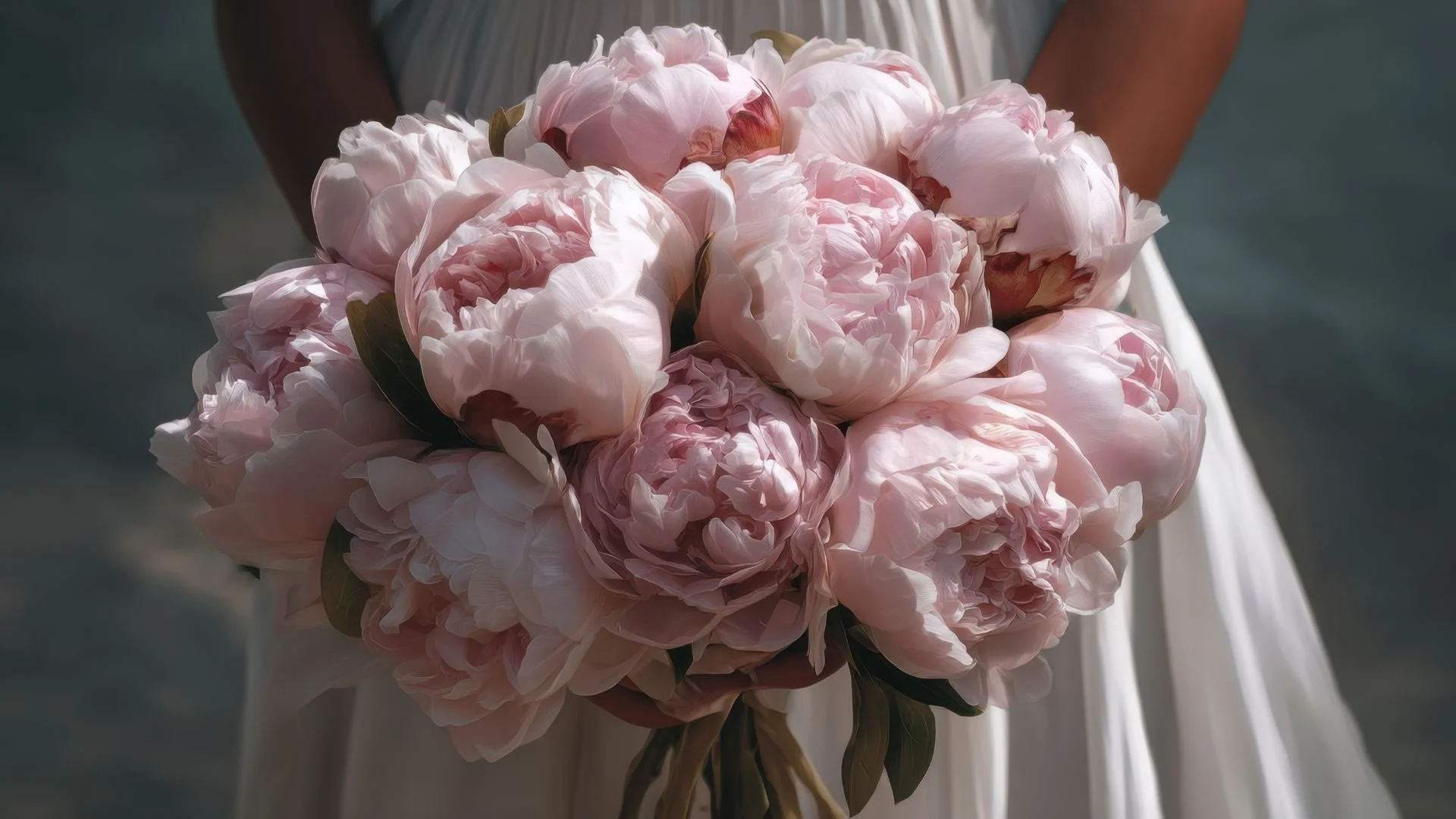
Scale is another reason for a separate approach. Engagement parties often take place in smaller venues than weddings. Restaurants may offer narrow tables, limited setup time, and existing décor that cannot be moved. Private homes need flowers that fit around furniture, food service, and everyday architecture. In these settings, oversized wedding-style centerpieces can feel excessive. Low bowls, bud vases, and a few statement arrangements are usually more comfortable and visually convincing.
There is also an opportunity to explore a style that may not appear at the wedding. The engagement party can be colorful even if the wedding will be neutral. It can feel modern and sculptural even if the wedding will be garden-inspired. Couples do not need to reveal the future wedding palette or commit to the same flower varieties. The party should stand on its own.
The most successful floral design communicates celebration without trying to outshine the milestone itself. Guests should notice that the room feels fresh, welcoming, and personal. They should not feel as though they have accidentally arrived at the wedding several months early.
The Best Overall Flowers for Engagement Celebrations
The best engagement party flowers are versatile enough to work across different venues, seasons, and levels of formality. They should also hold up through photography, food service, conversation, and several hours of celebration. Garden roses, ranunculus, lisianthus, orchids, tulips, calla lilies, delphinium, hydrangeas, dahlias, and anthuriums are among the strongest choices because they offer distinctive shapes and a broad range of colors.
Garden roses provide layered texture and immediate romance. They work beautifully in loose centerpieces, entry arrangements, and personal bouquets. Unlike standard red roses, garden varieties can feel soft, modern, or editorial depending on the color and supporting flowers. Cream, peach, blush, apricot, mauve, and caramel roses are especially useful for engagement parties because they communicate warmth without becoming overly traditional.
Ranunculus offers similar petal detail in a smaller scale. It works well in low arrangements, bud vases, and compact bouquets. White, yellow, coral, orange, blush, and burgundy varieties allow florists to create both subtle and colorful palettes. Lisianthus provides graceful movement and branching stems, making it a practical supporting flower when a design needs softness without excessive volume.
Orchids, anthuriums, and calla lilies suit modern city venues and fashion-forward couples. Their architectural forms can make a small arrangement feel memorable. A few white orchids in a ceramic vessel may create more impact than a large mixed bouquet. Anthuriums introduce a graphic shape, while calla lilies bring elegant curves and strong vertical lines.
Delphinium and snapdragons provide height, which is especially useful for rooftop, estate, or waterfront settings. Hydrangeas create volume and a recognizable Northeastern garden feeling, though they require careful hydration. Dahlias are ideal for late-summer and fall parties, while tulips and anemones shine in spring.
A sophisticated design usually combines several roles: a focal flower, a supporting bloom, a line flower, and a restrained botanical element. The arrangement does not need every beautiful variety available. It needs a small group of flowers that clearly belong together.
Modern Color Palettes That Feel Romantic but Not Predictable
Romance does not have to mean pink flowers, white linens, and rose-gold details. Modern engagement party palettes are becoming more layered, personal, and responsive to the venue. The goal is to create warmth and emotional softness without repeating the same color on every surface.
A soft neutral palette can combine ivory, cream, champagne, beige, and olive. This direction feels refined in Manhattan restaurants, Connecticut homes, and traditional dining rooms because it works with many interiors. Texture becomes important when the colors are subtle. Garden roses, orchids, lisianthus, hellebores, tulips, and branches can create visual depth without relying on strong contrast.
Blush remains popular, but it looks fresher when mixed with peach, apricot, mauve, caramel, or soft rust. These warmer undertones prevent the arrangement from feeling overly sweet. Peach garden roses, coral ranunculus, cream lisianthus, and olive foliage can create a romantic palette that still feels mature.
Cooler combinations work beautifully for coastal Connecticut and contemporary New York venues. Pale blue delphinium, lavender lisianthus, white orchids, gray-green foliage, and cream roses create an airy, polished look. A small amount of butter yellow can prevent the palette from feeling cold.
Couples who prefer stronger color can use plum, burgundy, coral, yellow, cobalt, or orange, but the palette should remain controlled. Two dominant colors with one neutral usually look more sophisticated than a full rainbow.
Palette Direction
Main Colors
Best Floral Choices
Overall Feeling
Layered Neutral
Ivory, champagne, olive
Roses, orchids, tulips
Quiet and luxurious
Warm Romantic
Peach, blush, apricot, mauve
Ranunculus, garden roses, lisianthus
Soft and modern
Coastal Refined
Blue, lavender, white, sage
Delphinium, hydrangea, orchids
Airy and elegant
Bold Editorial
Coral, burgundy, cream, green
Anthuriums, dahlias, calla lilies
Artistic and confident
Fresh Garden
Yellow, lilac, white, green
Tulips, snapdragons, cosmos
Joyful and relaxed
Color should also respond to lighting. Pale arrangements need contrast in dim restaurants, while bright daylight can support extremely nuanced tones. A good palette looks intentional in person and remains visible in photographs.
Seasonal Flowers for Connecticut and New York Engagement Parties
Seasonality gives engagement party flowers a natural sense of time and place. It also allows the design to feel current without depending on temporary décor trends. Couples do not need to use only locally grown flowers, but they benefit from allowing the season to influence the floral recipe, palette, and overall mood.
Spring parties can feature tulips, ranunculus, anemones, sweet peas, lilacs, hellebores, narcissus, muscari, and flowering branches. These flowers naturally communicate new beginnings, which makes them especially appropriate for an engagement celebration. Tulips bring movement because they continue to curve after arranging, while ranunculus adds detailed petals without the weight of a large rose. Lilacs and sweet peas provide fragrance, though they should be used carefully around food.
Summer supports more abundant garden designs. Garden roses, peonies, delphinium, hydrangeas, snapdragons, lisianthus, cosmos, zinnias, and locally grown field flowers can create arrangements with color and movement. Early summer may offer peonies, while later dates bring stronger access to zinnias and dahlias. Heat becomes a concern, especially on rooftops, terraces, and waterfront properties. Flowers should be installed late, kept shaded, and hydrated properly.
Fall engagement parties can move into richer palettes without relying on obvious harvest decorations. Dahlias, chrysanthemums, garden roses, berries, scabiosa, amaranthus, grasses, and textured foliage work well in mauve, rust, caramel, plum, burgundy, and cream. These colors feel warm in Connecticut inns, New York restaurants, and private homes.
Winter parties benefit from structure and candlelight. Orchids, calla lilies, ranunculus, anemones, hellebores, tulips, amaryllis, evergreen accents, and bare branches create elegant designs during colder months. Evergreen should be restrained unless the event is intentionally holiday-themed.
Flexibility is essential in every season. Flowers are agricultural products, and exact availability can change. Choosing a palette and style allows the florist to use the strongest material available rather than forcing one specific variety into the design.
Choosing Flowers for Homes, Restaurants, Rooftops, and Waterfront Venues
The venue should shape the floral design before specific flowers are selected. Engagement parties in Connecticut and New York take place across an unusually wide range of environments, and each one changes how arrangements should be scaled, styled, and delivered.
Private homes often need flexible flowers. A gathering may move between the entryway, kitchen island, dining room, patio, and living space. Arrangements should be easy to reposition and scaled around existing furniture. One strong piece near the entrance, low flowers on the dining table, and several bud vases near food or drinks usually create enough impact. Florists should protect wood, stone, and delicate surfaces with watertight vessels and protective pads.
Restaurants require close attention to table width, service flow, and setup time. A beautiful centerpiece becomes a problem when it competes with plates, bottles, menus, or shared dishes. Low bowls, compact arrangements, and grouped bud vases work well. The florist should coordinate delivery with the restaurant because many venues allow only a short setup window.
Rooftops demand stronger visual scale and weather-smart mechanics. Small arrangements may disappear against city buildings and broad sky. At the same time, tall lightweight vases can become unstable in wind. Low weighted designs, sculptural flowers, and secure containers provide a safer solution. Sun exposure and heat must also be considered.
Waterfront venues in Connecticut combine open views with changing weather. Delphinium, orchids, calla lilies, garden roses, hydrangeas, and seasonal branches can reflect the setting without becoming nautical. Grounded installations and stable low centerpieces usually perform better than delicate elevated designs near open water.
The architecture matters as much as the location. A historic inn may suit garden flowers and aged ceramics, while a modern Manhattan space can support clean vessels and architectural blooms. The best arrangements do not merely fit on the available surface. They appear to belong naturally in the room.
Engagement Party Centerpieces That Encourage Conversation
An engagement party is built around conversation. Friends meet family members, relatives exchange stories, and guests often spend much of the evening gathered around dining tables or cocktail surfaces. Centerpieces should improve that experience instead of becoming visual walls between people.
Low arrangements are usually the safest option. A shallow ceramic bowl or footed compote can hold enough flowers to feel generous while remaining below eye level. The design may be asymmetrical, with several stems extending naturally, but it should not spread so widely that it interferes with plates, glasses, or serving dishes.
Round tables often work well with one low centerpiece. The arrangement should be scaled to the table rather than photographed in isolation. A design that looks modest in a studio may feel perfectly proportioned once place settings, menus, glassware, candles, and food are added.
Long tables benefit from rhythm. Instead of one large arrangement in the center, use several low bowls, bud-vase clusters, or a mixture of flowers and candles. Slight variation makes the design feel natural. Every vase does not need the same flower recipe, but the palette and vessel style should remain connected.
Family-style meals require extra space. If large platters will remain on the table, the flowers should be narrow or moved to a nearby console. Plated dinners allow a little more freedom. Cocktail parties may use flowers on bars, high-tops, and lounge tables, but these pieces should remain compact enough for guests to set down drinks.
Fragrance is another consideration. Lilies, hyacinths, gardenias, jasmine, and large quantities of stock can interfere with food or cause discomfort. Low-fragrance roses, tulips, ranunculus, orchids, lisianthus, anemones, and many dahlias are safer choices.
A successful centerpiece creates a sense of occasion when guests sit down, then recedes into the atmosphere. It should be memorable in photographs and nearly effortless during the meal. That balance is one of the clearest signs of professional floral design.
Statement Floral Moments for Entrances, Bars, and Photo Areas
One statement floral moment can define an entire engagement party. It creates visual hierarchy, gives guests an immediate sense of arrival, and allows the rest of the flowers to remain restrained. Instead of placing medium-sized arrangements everywhere, couples can invest in one larger design where it will be seen, photographed, and remembered.
The entrance is a natural location. A pair of grounded floral arrangements, one tall branch design, or flowers integrated around a doorway can make guests feel welcomed before the first drink is served. In New York venues with limited space, a single sculptural piece on a console may be more effective than a full arch. Connecticut homes and estates may support larger arrangements near stairs, fireplaces, or garden entrances.
The bar is another high-impact area because guests naturally gather there. Flowers can frame the beverage display, soften bottles and equipment, and reinforce the party palette. The arrangement should not interfere with bartenders, glassware, or service. One elevated piece at the back of the bar or a low design at one end often works better than several scattered bouquets.
Photo areas require enough room for groups to stand comfortably. A floral backdrop should frame people rather than surround them so tightly that the setting feels staged. Asymmetrical flowers around a simple panel, fireplace, window, or architectural feature usually look more sophisticated than a dense artificial flower wall.
Dessert displays can also support statement flowers. The cake and desserts should remain visible, so arrangements are best placed beside or behind the food rather than directly in front of it. Food safety must be respected; decorative florist flowers should not touch cake or serving surfaces unless they have been prepared appropriately.
The statement piece should respond to the venue. It may use branches for height, repeated focal flowers for color, or sculptural foliage for movement. The best installations do not appear randomly imported into the room. They reveal or strengthen something already present in the architecture.
Personalizing the Flowers Around the Couple’s Story
Personalization makes engagement party flowers more meaningful, but it does not require novelty props, initials in every arrangement, or literal references to hobbies. The most elegant personal details are often subtle. They may appear through a flower connected to a family memory, a color inspired by the proposal location, or a vessel style that reflects the couple’s home.
Begin with emotional associations. Perhaps one partner grew up around lilacs, garden roses, or hydrangeas. Maybe the proposal happened near the ocean, in a botanical garden, or during an autumn trip. Those memories can influence the palette and flower selection without becoming a theme. Pale blue, white, and lavender may suggest a coastal proposal, while warm peach, rust, and burgundy could recall a fall weekend.
Cultural and family traditions can also guide the design. Certain flowers may carry special meaning, appear in family weddings, or grow in a grandparent’s garden. Including one recognizable variety can create an emotional connection for relatives who notice it.
The couple’s everyday style matters too. A home filled with modern furniture and neutral colors may inspire orchids, calla lilies, tulips, and sculptural leaves. A couple who loves farmers’ markets and outdoor dining may prefer local garden flowers, herbs, and relaxed ceramic vessels. Someone drawn to fashion and art may enjoy bolder color contrasts and unusual botanical forms.
Personalization can extend to the card table, welcome sign, or bar menu. One small flower from the main arrangement may be repeated there, creating continuity. Ribbon, vessel color, and botanical texture can also reflect the couple without adding literal symbols.
Avoid turning the engagement party into a biography told through decorations. Guests do not need every detail explained. The flowers should reward those who know the couple well while remaining beautiful to everyone else. A personalized design feels recognizable rather than instructional. It quietly communicates that the arrangements could not have been created for just any couple.
Matching Flowers With the Menu, Tableware, and Lighting
Flowers are part of a larger visual and sensory environment. They share the room with food, plates, linens, glassware, candles, furniture, and lighting. An engagement party looks most polished when those elements feel connected without matching exactly.
Begin with the menu and service style. A colorful brunch with fruit, pastries, and sparkling drinks may suit fresh yellow, peach, lavender, and green flowers. An evening dinner with dark linens and candlelight can support deeper mauve, burgundy, plum, or caramel tones. A seafood-focused waterfront celebration may look beautiful with cream, pale blue, green, and soft coral.
Flowers should never interfere with food. Strong fragrance can change how guests experience wine, coffee, desserts, and savory dishes. Loose petals, pollen, and trailing greenery should remain away from platters and serving utensils. Decorative flowers placed on cakes or drinks must be confirmed as food-safe and prepared properly.
Linens create the background for the arrangement. White flowers may disappear on a white tablecloth, especially in bright daylight. A colored runner, darker vessel, or green foliage can provide contrast. Patterned linens usually need simpler flowers, while plain fabric allows the floral design to become more expressive.
Glassware adds sparkle, particularly during evening events. Clear glass works with almost any palette, while colored glass should be considered part of the overall color story. A table with amber glasses may support peach, rust, cream, and olive flowers. Pale blue glass can complement lavender, white, and green.
Candlelight adds warmth and helps pale flowers remain visible after sunset. Unscented candles are best because scented wax can compete with floral fragrance and food. Flames must remain far from petals, foliage, ribbon, and guests.
Lighting also changes flower color. Cool overhead lighting may make beige and lavender tones appear gray, while warm restaurant lighting can shift blush toward peach. A florist should understand the venue’s lighting or review photographs from previous events. The goal is a table that remains balanced throughout the party, not one that looks beautiful only before the sun goes down.
Planning for Weather, Delivery, and City Logistics
Floral design in Connecticut and New York is shaped by logistics as much as aesthetics. Traffic, parking, elevators, loading docks, narrow streets, venue restrictions, and changing weather can influence what is practical. A beautiful arrangement must survive the entire journey from the studio to the final surface.
New York City venues often have limited delivery windows. Florists may need freight-elevator reservations, certificates of insurance, security approval, or coordination with building management. Street parking may be unavailable, which means designs must be packed for efficient unloading. Large installations require enough staff to move flowers quickly without blocking guest areas or restaurant operations.
Connecticut events may involve longer driving distances, private roads, outdoor setups, or multiple buildings on one property. Waterfront and estate venues can require flowers to be carried across lawns, docks, stairs, or gravel paths. Access should be discussed before finalizing arrangement size.
Weather adds another layer. Rooftops and terraces may expose flowers to direct sun and wind. Hydrangeas, sweet peas, peonies, and other delicate varieties need careful hydration and shade. Tall vessels must be weighted, while loose ribbons and lightweight décor should be secured. Grounded arrangements often perform better than elevated pieces outdoors.
Cold weather can damage flowers quickly during winter deliveries. Arrangements must be protected when moving between vehicles and buildings. Hot parked cars are equally dangerous during summer. Personal flowers and mini bouquets should remain cool until they are needed.
A backup plan is essential for outdoor parties. Flowers should be designed so they can move indoors when possible. Grounded clusters, potted pieces, and stable vessels adapt more easily than fixed installations.
Delivery, setup, breakdown, and rental pickup should appear clearly in the florist’s proposal. Couples should not assume that venue staff will move arrangements or dispose of flowers. Luxury design feels effortless because these operational details have been solved in advance.
Building a Luxury Look at Different Budget Levels
A beautiful engagement party does not require an unlimited floral budget. Luxury is created through clarity, freshness, proportion, and placement. The budget determines scale and flower selection, but it does not determine whether the design feels intentional.
At a lower budget, focus on one or two seasonal varieties and repeat them. Tulips, carnations, chrysanthemums, standard roses, hydrangeas, and locally grown flowers can look elegant when arranged in a controlled palette. A mass of cream carnations in a ceramic bowl may look more sophisticated than a mixed bouquet containing several unrelated colors.
Bud vases are another smart strategy. Each one needs only a few stems, yet grouped across a table they create rhythm and abundance. Repeating the same glass or ceramic style keeps the composition cohesive. One medium arrangement can anchor the center while smaller vases extend the design.
A moderate budget allows for several premium focal flowers. Garden roses, ranunculus, orchids, anthuriums, or dahlias can be combined with seasonal supporting blooms. The florist may create one statement arrangement, several table pieces, and smaller bar or entry accents.
An elevated budget can support custom installations, specialty varieties, vessel rentals, professional setup, and arrangement repurposing. Even at this level, restraint is valuable. More flowers do not automatically create a better room.
Budget Direction
Best Floral Strategy
Priority Areas
Simple
Seasonal flowers in repetition
Dining table and one accent area
Moderate
Premium focal blooms with supporting flowers
Tables, entrance, and bar
Elevated
Custom installations and specialty varieties
Arrival, photo area, and full reception
Interactive
Bouquet bar or guest favors
Guest experience and take-home value
Couples should identify the most important visual moments before requesting a proposal. If photography matters, invest in the entrance or backdrop. If the meal is central, prioritize centerpieces. A florist can recommend substitutions and reduce scale without losing the concept. Concentrated impact will nearly always look more luxurious than flowers spread thinly across every surface.
Sustainable and Repurposable Floral Ideas
Sustainability in floral design involves more than choosing local flowers. Sourcing, mechanics, transportation, containers, labor, repurposing, and waste management all contribute to the final impact. Couples can make thoughtful choices without sacrificing beauty or expecting every element to meet an unrealistic standard.
Seasonal and locally grown flowers can create a strong connection to Connecticut and New York. Spring tulips, summer cosmos, zinnias, snapdragons, herbs, and fall dahlias may be available from regional farms. Their exact availability depends on weather, so flexibility is important. A color palette and design direction give the florist room to use the best materials available.
Reusable vessels reduce unnecessary purchases. Rental ceramic bowls, glass compotes, candleholders, and stands can be returned after the event. Couples do not need to store dozens of containers they may never use again. Reusable mechanics such as floral frogs, wire grids, and water-filled structures may also reduce reliance on single-use materials where practical.
Repurposing should be planned before the party. Entrance arrangements may move to the bar after guests arrive. Photo-area flowers can frame the dessert table later in the evening. Bud vases may become guest favors, while centerpieces can be sent home with family members.
Large installations are not always easy to move. Their mechanics, size, and structure may make repurposing unsafe or labor-intensive. Couples should ask the florist which pieces can realistically be relocated and whether additional staff will be required.
Donation may be possible when a local organization agrees in advance. Flowers must still be fresh, containers may need to be transferred, and transportation must be arranged. Another option is composting suitable plant material after the event.
Sustainable design should feel intentional rather than restrictive. A smaller number of strong arrangements, seasonal flexibility, reusable vessels, and a clear after-event plan can reduce waste while improving the overall aesthetic. Thoughtful design often produces both a more beautiful party and a more responsible use of materials.
Common Engagement Party Flower Mistakes to Avoid
The most common mistake is trying to make the engagement party look like a wedding. Large arches, elaborate aisle-style installations, oversized sweetheart-table flowers, and overly formal centerpieces can make the event feel premature. The party should celebrate the engagement with its own scale and personality.
Another mistake is decorating every surface. Flowers on the entrance table, bar, buffet, dining table, cake, coffee table, bathroom, staircase, and every windowsill can make the room feel cluttered. Floral hierarchy creates stronger impact. Choose priority areas and allow empty space around them.
Ignoring the venue’s existing décor can also weaken the design. A restaurant with bold wallpaper, colored chairs, or dramatic lighting may need a restrained palette. A plain loft can support stronger flowers and larger shapes. The arrangements should respond to the room rather than competing with it.
Overmatching is equally problematic. When flowers, napkins, menus, candles, desserts, and signage all use one exact color, the design loses depth. Tonal palettes and related shades feel more natural. Flowers should carry the richest version of the color story while other details remain quieter.
Strong fragrance near food is another common error. Lilies, hyacinths, jasmine, gardenias, and certain roses can become overwhelming in small rooms. Ask for low-fragrance alternatives when guests will be seated close to the flowers.
Weather and logistics should never be ignored. Rooftop wind, summer heat, winter cold, narrow restaurant tables, and short setup windows can all affect the design. A florist’s practical recommendation may be more valuable than an inspiration image created under controlled conditions.
Finally, couples should avoid demanding one exact flower regardless of season or quality. Flexibility allows the florist to prioritize freshness and performance. The goal is not to reproduce a photograph stem for stem. It is to create an engagement party that feels beautiful, personal, and completely appropriate for the setting.
Conclusion
The best flowers for engagement parties in Connecticut and New York are the ones that fit the couple, the venue, the season, and the way guests will experience the celebration. Garden roses, ranunculus, orchids, tulips, lisianthus, delphinium, hydrangeas, calla lilies, dahlias, and anthuriums can all become part of a strong design when they are selected and styled with intention.
Begin with atmosphere rather than tradition. Decide whether the party should feel intimate, modern, garden-inspired, colorful, coastal, or quietly luxurious. Let that direction guide the flower varieties, palette, vessels, and scale. The event does not need to reveal the wedding colors or imitate a reception. It deserves its own identity.
The venue should remain central to the planning process. Private homes require flexible arrangements. Restaurants need low centerpieces and careful delivery timing. Rooftops demand weighted mechanics and strong shapes. Waterfront settings benefit from movement, layered color, and flowers that can tolerate changing conditions.
One statement moment can establish the visual story, while centerpieces and smaller accents support it. Flowers do not need to cover every surface. Thoughtful placement creates a more polished result and protects the budget.
Personal details give the design emotional meaning. A favorite flower, proposal-inspired palette, family memory, or vessel style can connect the celebration to the couple without becoming literal. Seasonal materials and regional flowers can strengthen that sense of place.
The strongest engagement party flowers create beauty without creating work for guests. They preserve conversation, support food service, survive the venue conditions, and remain fresh throughout the event. When every choice feels connected, the flowers do more than decorate the party. They help introduce the couple’s shared story and set the emotional tone for everything that comes next.