Winter Flower Care in the Northeast: How to Keep Holiday Arrangements Fresh in Connecticut’s Cold Weather
Holiday flowers bring serious joy to cold, dark Northeast winters—but keeping them alive and gorgeous through Connecticut’s freezing temps? That’s a whole other game.
In a state where you can have 20-degree mornings and overheated interiors in the same day, your floral arrangements are fighting a battle on two fronts: dry air and thermal shock. Whether it’s a gorgeous centerpiece, a custom wreath, or a big holiday bouquet by the fire, knowing how to care for them the right way can mean days—sometimes even weeks—of extra life.
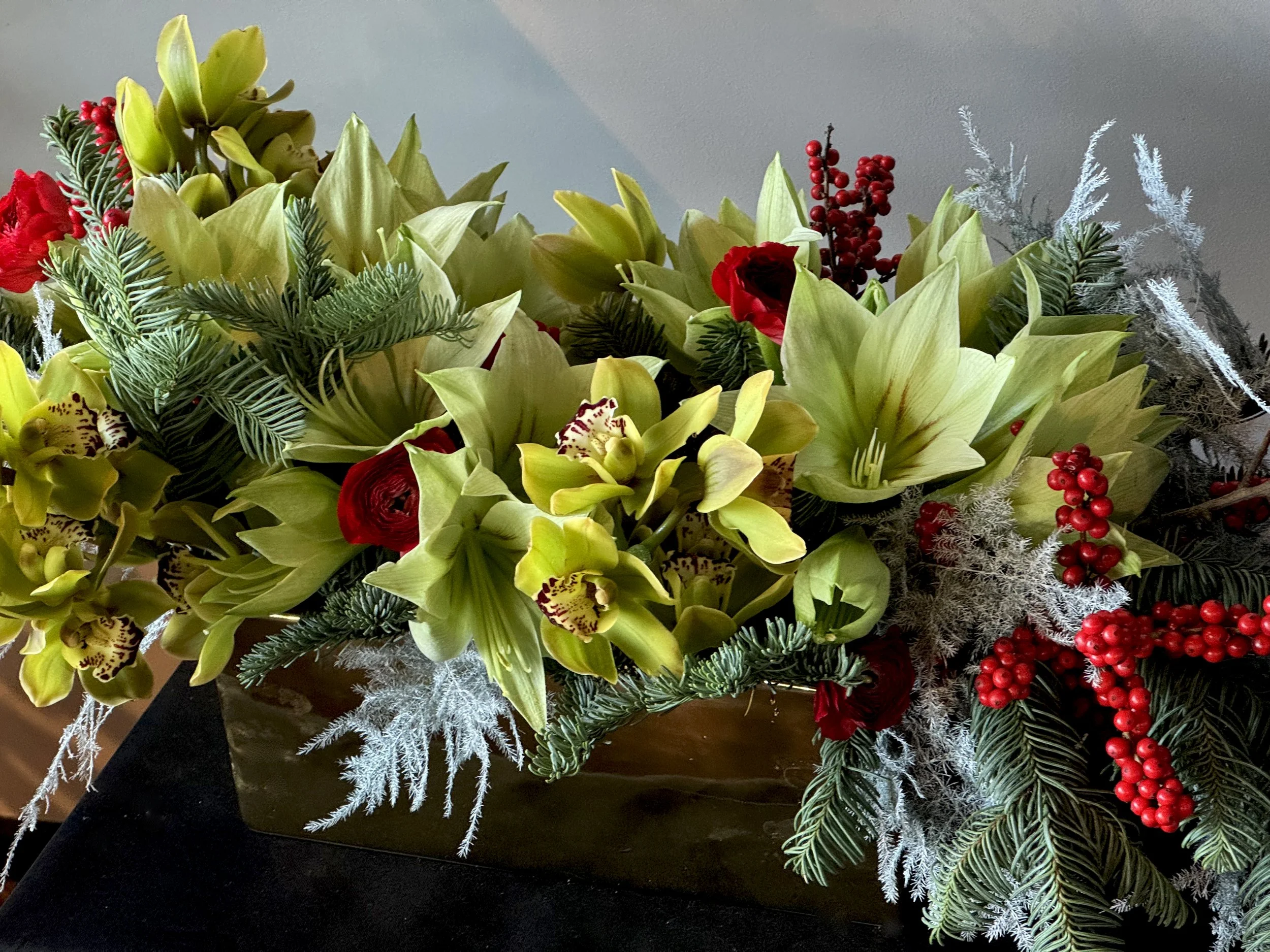
Let’s dive into real-deal, no-fluff advice on how Connecticut families, florists, and hosts are keeping their flowers fresh through the coldest, driest, busiest part of the year.
Cold Weather vs. Fresh Flowers: Why It’s a Tricky Mix
Here’s the deal: flowers hate extremes. And Northeast winters are full of ‘em.
When your holiday bouquet goes from:
A heated car (or subway)
To a freezing front step
To an 80-degree living room
…it’s no wonder the petals start curling, browning, or dropping overnight.
The science is simple:
Cold air slows down flowers’ metabolism (which is great in storage)
But freezing air damages petals and stems if exposed directly
Meanwhile, hot, dry indoor air dehydrates them fast
So your job as a flower parent is to create that sweet Goldilocks zone: cool but not cold, hydrated but not wet, and away from air that’s blasting from any direction.
Choosing the Right Flowers for Connecticut Winters
Not all flowers are built for New England weather. In fact, some are born drama queens (looking at you, peonies) while others are surprisingly sturdy when the thermostat drops.
Here are winter warrior flowers that do well in the cold:
Amaryllis – built for December, long-lasting, and dramatic
Ranunculus – delicate-looking but tougher than they seem
Hellebores – literally called the “Christmas rose” for a reason
Tulips – they love the cold and perk right up in chilly rooms
Carnations – not just filler, they’re shockingly resilient
Orchids – especially phalaenopsis, which love warm humidity but hate drafts
Best greens to pair:
Cedar, juniper, and pine – beautiful, aromatic, and long-lasting
Eucalyptus – adds scent, shape, and dries beautifully
If you’re buying or gifting florals during a CT winter, these are your go-to picks. Skip the tropicals unless your space is humid and draft-free.
The Golden Rule: Keep Them Away from Drafts and Vents
This is the one most people get wrong: your flowers don’t want to be cozy.
What to avoid:
Placing arrangements near radiators, fireplaces, or vents
Setting bouquets on windowsills with cold drafts
Keeping flowers close to kitchen heat sources (ovens, stoves)
Instead, aim for:
A stable, cool room like a dining area or unused guest room
Avoiding direct sun, which can “bake” the petals
Letting the flowers acclimate slowly when bringing them in from outside (leave them in a cooler entry space for 30–60 minutes first)
Think of flowers like your favorite bottle of wine: they like consistency, not sudden climate swings.
Hydration Hacks: How to Keep Holiday Arrangements from Drying Out
Winter air inside homes is bone-dry, and your florals know it.
Here’s how to hydrate like a pro:
Check water levels daily—especially if the vase is near a heat source
Use room-temp water, never cold straight from the tap
Add water slowly and directly into the floral foam or base
Mist the blooms once or twice a day with a fine spray bottle
If your arrangement is in floral foam, don’t let it dry out—once foam is dry, it’s game over for hydration
Bonus tip: Add a few ice cubes at night to slowly hydrate while keeping water cool and oxygen-rich. Your flowers will thank you.
Best Containers for Cold Weather Flower Care
The vase you use? Yeah, it matters—a lot more than you’d think in winter. In Connecticut homes, where radiators hum and tile floors get icy, your choice of container can protect or wreck your arrangement.
Let’s break it down:
Best winter flower vessels:
Ceramic: Holds temperature well, insulates roots/stems
Thick glass: Classic look, but keep it away from direct cold
Stoneware or concrete: Earthy, heavy, and keeps blooms stable
Wooden boxes with liners: Great for rustic arrangements and insulating stems
What to avoid:
Metal: It gets cold fast and can shock the stems
Thin glass near windows: If the water gets too cold, your blooms will wilt
Plastic containers: Lightweight, but they can tip and don’t hold temp well
Also, use liners inside decorative vases when placing arrangements near cooler spots like entryways. That extra layer of protection goes a long way in helping stems survive thermal swings.
The Magic of Cool Rooms: Why Flowers Love a Little Chill
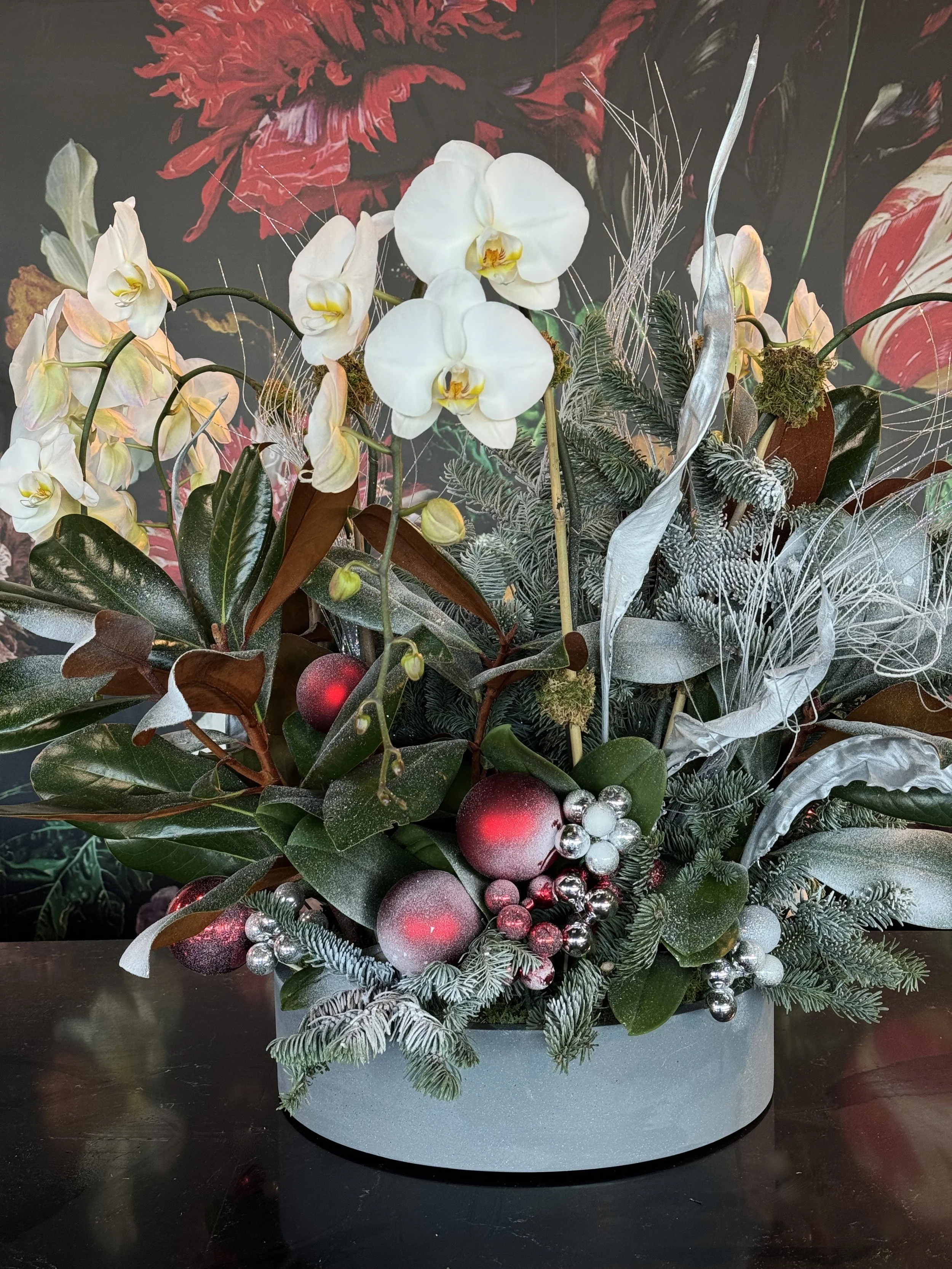
If you’ve ever wondered how your florist’s cooler keeps arrangements fresh for so long—it’s not just the water. It’s the chill factor.
And no, that doesn’t mean throwing your bouquet in the fridge next to leftovers.
In a Connecticut winter, you can create natural “cool rooms” right in your home:
Guest bedroom with the heat turned low
Unused office space that stays cooler
Enclosed porch or sunroom (if temps don’t drop below freezing)
Window ledges with indirect light
How to use them:
Move arrangements to these cooler spots overnight
Let the flowers “rest” in the chill while you sleep
Bring them back to main spaces during the day
This technique slows down wilting and helps extend life by several days, especially during holiday hosting weeks when flowers work overtime.
How to Extend Life with Flower Food (or Kitchen Alternatives)
Florists always toss in that little packet of flower food for a reason—it’s magic dust for petal preservation. But if you run out (or forget to use it), you’ve still got options.
Flower food contains:
Sugar (for energy)
Acid (to balance water pH)
Antibacterial ingredients (to prevent stem rot)
DIY kitchen hacks:
1 tsp sugar + 1 tsp vinegar + 1 pint water = homemade flower food
Add a drop of bleach for extra bacteria control
Clear soda (like Sprite or 7UP) diluted in water works too
Don’t overdo the sugar—it feeds bacteria just as much as it feeds the flowers. And never use brown soda, alcohol, or salt-based solutions. Your blooms are not into cocktails.
Fresh Cut Tricks: Re-Cutting Stems and Water Temperature
This one’s a game changer.
When flowers sit out—especially in winter—the ends of their stems can seal up due to air exposure or cold shock. That means they can’t drink, no matter how much water you give them.
So, here’s what you do:
Re-cut stems at an angle under running water (prevents air bubbles)
Use sharp floral scissors or a clean knife—not dull kitchen scissors
Trim every 2–3 days, especially if you notice drooping
Don’t recut while stems are in foam—gently remove and replace if needed
About water temp: room temp or lukewarm is ideal. Cold water slows hydration. Hot water can shock the stems. Stay in the middle zone for best results.
Holiday-Specific Arrangements: Caring for Evergreens, Berries, and More
Not all holiday arrangements are roses and tulips—Connecticut homes love a little pine, holly, and even citrus in the mix. But these seasonal elements come with their own care rules.
Here’s how to treat them right:
Evergreens (pine, fir, cedar)
Mist daily to prevent needles from drying out
Keep away from direct heat sources
Trim stems and soak overnight before arranging for max hydration
Berries (hypericum, holly, winterberry)
Handle with care—they bruise easily
Avoid prolonged exposure to dry air (they’ll wrinkle)
Mist gently, but don’t oversaturate (can mold)
Citrus slices or accents
Use only in well-ventilated areas
Replace every 3–4 days to prevent rot
Dry or dehydrate them ahead of time for longer life
Pinecones & pods
No maintenance needed—but make sure they’re clean and bug-free
Avoid over-misting them if near flowers
The trick is knowing what’s “living” and what’s decorative, and treating each element like it has its own personality.
Dried + Fresh Combos: Making Winter Arrangements Last Longer
Here’s a pro tip from local designers: blending dried and fresh elements extends your arrangement’s visual life. As the fresh flowers fade, the dried elements stay gorgeous—meaning less waste and more beauty.
Try mixing:
Dried hydrangea + fresh hellebores
Pampas grass + winter greenery
Dried citrus + fresh ranunculus
Preserved eucalyptus + seasonal amaryllis
Once the fresh blooms go, just swap in new stems, and you’ve got a refreshed look with half the effort. Connecticut families love this for post-holiday decor that transitions into January.
Mist Like a Pro: Keeping Humidity Levels Right Indoors
Connecticut winters = dry, dry, dry. The forced air, the baseboard heat, the fireplace—it’s all cozy for you but hell on your flowers. When the air inside drops below 30% humidity (which is super common in December and January), your petals start shriveling, browning, and dropping like flies.
That’s where misting comes in.
Here’s how to do it right:
Use a fine-mist spray bottle (florist-grade if possible)
Mist the petals and foliage once or twice a day
Don’t soak the blooms—light hydration is better than drenching
Mist in the morning so flowers dry by evening (avoids mold)
Bonus hack: Place a small humidifier nearby, especially for centerpiece arrangements in warm rooms. Even just a few extra percentage points of humidity can help your flowers last 2–3 days longer.
Transporting Flowers in Cold Weather: Dos and Don’ts
Taking flowers to a friend’s house? Picking up your centerpiece from the florist? You’d be shocked how many blooms die in the car before they even reach the table.
Here’s the safe way to move flowers in a New England winter:
DO:
Wrap them in paper to protect against cold air
Transport in a cardboard box or crate so they don’t tip
Keep car interior warm, but not hot (aim for 60–65°F)
Cover arrangements with a towel or cloth during transport
Drive slowly—sharp turns + flowers = disaster
DON’T:
Leave flowers in a cold car while running errands
Carry them outside uncovered
Place them near car vents or heaters—sudden heat is just as damaging
Leave the arrangement in water that splashes or leaks
Even 2–3 minutes of freezing air can cause blackened petals, wilted stems, and permanent damage. Treat your arrangement like a bottle of wine or a designer coat—transport it with care.
Signs Your Flowers Are Struggling—and How to Save Them
Your flowers are whispering. Are you listening?
Here’s what they’re telling you—and what to do about it:
Petals are curling or browning at the edges
→ They're dehydrated or too close to a heat source. Move to a cooler room, re-cut stems, and mist lightly.
Stems feel mushy or slimy
→ Bacteria overload in the water. Dump it, clean the vase with dish soap, and refill with fresh water + flower food.
Flowers are drooping quickly after delivery
→ Likely cold shock. Let them rest in cool, not cold, water and trim the stems again.
Leaves are yellowing or falling off
→ That’s either overwatering or too much humidity. Light misting is better than constant moisture.
Quick revive trick:
Soak stems in room-temp water in a dark room for 2–3 hours. Many blooms (especially tulips and roses) will perk right back up.
What Connecticut Florists Recommend This Season
We asked local experts from Fairfield to Mystic what’s working best for holiday floral care in 2025. Here’s the inside scoop:
“Use local evergreens—they’re conditioned for this climate and last longer indoors.”
“Amaryllis and hellebores are MVPs this winter. They’re elegant and cold-tolerant.”
“Keep a water mister near your centerpiece and give it a quick spray every morning.”
“Don’t leave flowers near candles. It’s romantic, but heat kills them fast.”
“Swap blooms weekly but keep your greens—reusing your base saves money and time.”
Pro florists are now offering maintenance kits—extra water tubes, misting spray, floral food, and quick-tips for flower care. Some even offer second-visit refreshes post-Christmas to keep your arrangements looking new for New Year’s Eve.
Conclusion: Make Your Holiday Flowers Last Through the Season
Holiday flowers should do more than just look pretty for one night. In Connecticut’s long, chilly winter, they bring life, color, and a little magic into our homes—especially when cared for the right way.
With just a few smart tweaks—cool placement, steady hydration, careful misting, and mindful transport—you can make those beautiful blooms last through Christmas, into New Year’s, and maybe even beyond.
Because in the Northeast, flowers are more than décor—they’re a reminder that warmth, beauty, and celebration can thrive, even in the coldest months.
So go ahead—order that arrangement, style that wreath, light those candles. Just give your flowers a little love along the way.