The Rise of Eco-Conscious Floral Decisions in Norwalk, CT
Flowers have always been about making people feel something. They celebrate milestones, brighten rooms, express emotions, and bring a little bit of nature into everyday life. But lately, people in Norwalk, Connecticut, are thinking about flowers in a slightly different way. It’s no longer just about how beautiful an arrangement looks. More and more residents are asking an extra question: How was it sourced, created, and delivered?
That shift in thinking has sparked the rise of eco-conscious floral decisions across the city. From homeowners and event planners to gift buyers and business owners, people are paying closer attention to the environmental impact behind their floral purchases. Sustainability has become more than a buzzword. It’s now a real factor influencing how flowers are selected, arranged, and enjoyed.
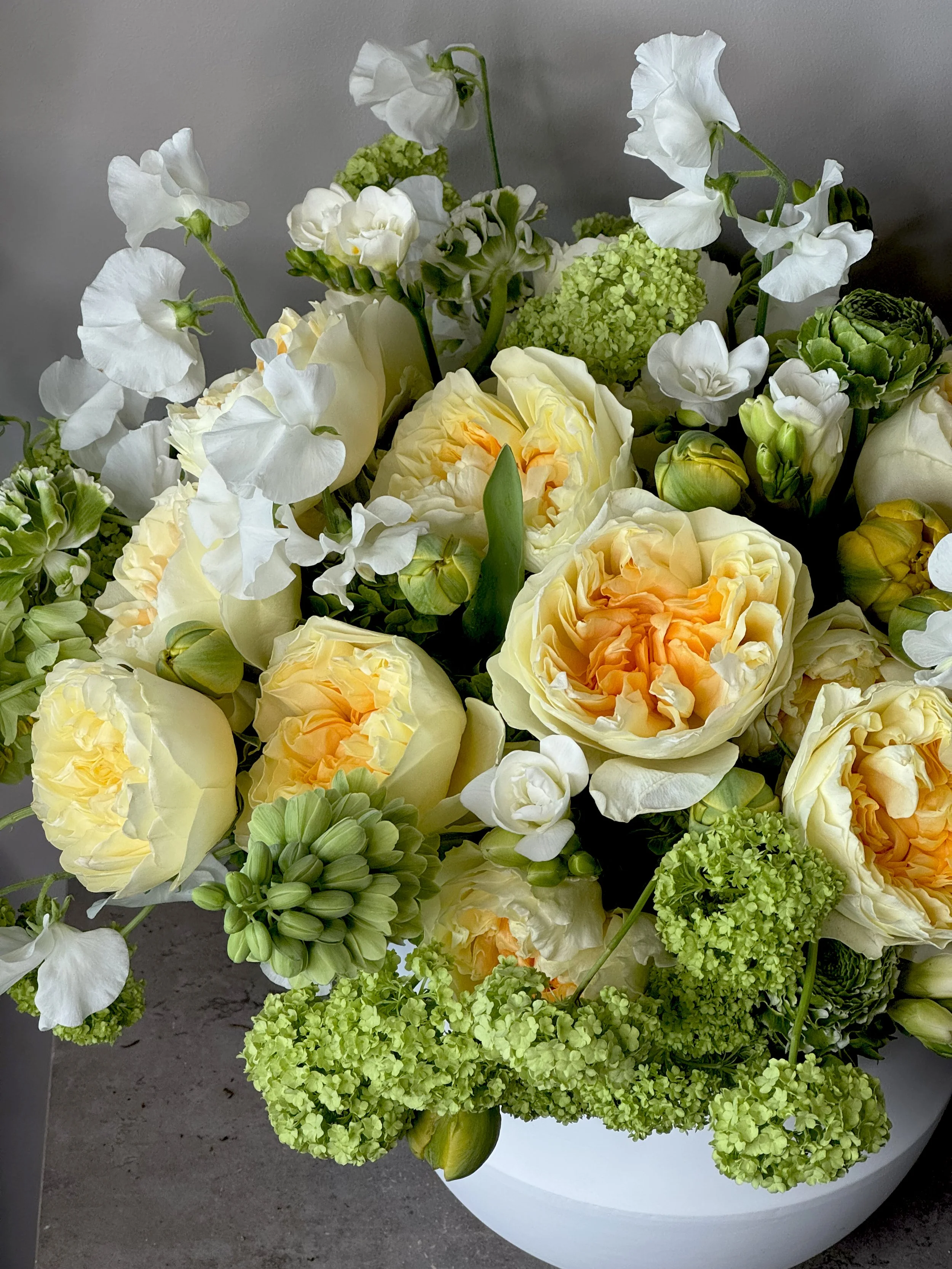
What’s interesting is that this movement isn’t about sacrificing beauty for responsibility. In fact, many people are discovering that sustainable floral choices can be even more meaningful, creative, and connected to the local community. As environmental awareness continues to grow, Norwalk is becoming part of a larger trend that’s changing the floral industry from the ground up.
Why Sustainability Is Becoming a Priority
Over the last decade, consumer habits have changed across almost every industry. People are reading labels, researching products, and paying attention to how their purchases affect the world around them. Flowers are no exception.
In Norwalk, many residents are making conscious decisions to reduce waste and support environmentally responsible practices. They understand that some traditional floral industry methods can involve long transportation routes, excessive packaging, and materials that aren’t always eco-friendly.
As a result, buyers are becoming more selective. They want flowers that align with their values while still delivering beauty and quality.
This change is especially noticeable among younger consumers, who often prioritize sustainability when making purchasing decisions. For them, flowers are not just decorative items. They’re part of a broader lifestyle that includes mindful consumption, environmental responsibility, and support for local communities.
The growing demand for greener options has encouraged floral professionals to rethink traditional practices and offer alternatives that better meet modern expectations.
Local Flowers Are Getting More Attention
One of the biggest shifts in eco-conscious floral buying is the increased interest in locally grown flowers.
When flowers are sourced closer to home, they typically travel shorter distances before reaching customers. That means fewer transportation emissions and often fresher blooms. Many Norwalk residents appreciate the idea of supporting nearby growers while reducing the environmental footprint associated with long-distance shipping.
Local flowers also provide something that imported blooms often can't: a stronger connection to the seasons.
Instead of relying on the same flower varieties year-round, seasonal sourcing encourages people to embrace what's naturally available at different times of the year. Spring arrangements feel like spring. Fall bouquets reflect autumn colors and textures. This seasonal authenticity adds character and uniqueness to floral designs.
Many consumers now see local sourcing as a way to enjoy flowers that feel more connected to the region and the natural rhythms of the environment.
Less Packaging, Less Waste
Let's be honest. Traditional floral deliveries can sometimes come with a surprising amount of packaging.
Plastic wraps, decorative sleeves, foam materials, ribbons, and protective inserts often serve a purpose, but they can also create unnecessary waste. As environmental awareness grows, many Norwalk residents are becoming more mindful of these details.
People increasingly prefer arrangements that use:
Recyclable materials
Reusable containers
Minimal packaging
Natural wrapping options
Compostable elements
This shift reflects a broader cultural move toward reducing single-use materials whenever possible.
Interestingly, many eco-friendly floral presentations also feel more modern and sophisticated. Clean, simple packaging often enhances the natural beauty of flowers rather than distracting from them. Customers appreciate arrangements that look elegant while generating less waste after delivery.
Seasonal Flowers Are Making a Comeback
For years, many consumers expected to have access to virtually any flower at any time of year. While that level of availability is convenient, it often requires extensive transportation and resource-intensive growing methods.
Today, many people in Norwalk are rediscovering the value of seasonal flowers.
Seasonal blooms tend to be fresher, more abundant, and often better suited to the time of year. They also create a stronger connection between floral arrangements and the natural world.
Here's how seasonal preferences often break down:
Season
Popular Flower Types
Spring
Tulips, daffodils, hyacinths
Summer
Sunflowers, zinnias, dahlias
Fall
Chrysanthemums, seasonal foliage
Winter
Evergreens, berries, white blooms
Choosing seasonal flowers helps reduce the environmental impact associated with producing out-of-season blooms while adding a unique sense of place and time to each arrangement.
Eco-Conscious Gifting Feels More Meaningful
People aren't just buying flowers differently. They're giving them differently too.
Modern gift-givers increasingly want their presents to reflect both thoughtfulness and responsibility. Flowers remain one of the most popular gifts because they create emotional connections, but many buyers now consider sustainability part of the gift itself.
An eco-conscious floral arrangement can communicate multiple messages at once. It shows care for the recipient while also demonstrating awareness of environmental concerns.
In Norwalk, this approach resonates with many consumers who want gifts to feel authentic rather than excessive. Sustainable floral choices often feel more intentional because they're rooted in quality, craftsmanship, and mindful decision-making rather than simple convenience.
The result is a gifting experience that feels both personal and responsible.
Younger Generations Are Driving the Change
Much of the momentum behind sustainable floral practices comes from Millennials and Gen Z consumers.
These generations tend to approach purchasing decisions differently than previous generations. They often look beyond the product itself and consider factors such as sourcing, environmental impact, and company values.
When buying flowers, younger consumers frequently ask questions like:
Were these flowers locally grown?
How were they transported?
Is the packaging recyclable?
Are seasonal flowers available?
What happens to the materials after use?
This level of awareness is influencing the entire floral industry.
Businesses that embrace sustainability are often finding stronger connections with younger customers who appreciate transparency and environmentally responsible practices. As these generations continue to gain purchasing power, their influence on floral trends is expected to grow even further.
Sustainable Floral Design Encourages Creativity
One misconception about eco-friendly flowers is that sustainability limits design possibilities. In reality, many floral designers find the opposite to be true.
Working with seasonal and locally available materials often encourages greater creativity. Designers explore unique textures, natural elements, and unexpected combinations that might not appear in traditional arrangements.
Eco-conscious floral design frequently incorporates:
Seasonal greenery
Natural branches
Dried elements
Native flowers
Organic shapes
The resulting arrangements often feel more natural, artistic, and distinctive.
Customers in Norwalk increasingly appreciate designs that celebrate nature's imperfections rather than striving for uniformity. This shift has helped create a floral aesthetic that feels fresh, modern, and environmentally aligned.
The Future of Sustainable Flowers in Norwalk
The rise of eco-conscious floral decisions doesn't appear to be slowing down. If anything, sustainability is becoming a permanent part of how people think about flowers.
As awareness continues to grow, consumers are likely to place even greater emphasis on:
Local sourcing
Seasonal availability
Waste reduction
Sustainable materials
Environmentally responsible practices
Norwalk's strong sense of community and appreciation for local businesses make it especially well-positioned to embrace these changes.
People increasingly recognize that small purchasing decisions can contribute to larger environmental goals. Choosing sustainable flowers may seem like a minor action, but collectively, these choices help encourage more responsible practices throughout the industry.
Conclusion
The rise of eco-conscious floral decisions in Norwalk, CT reflects a broader shift in consumer values. Residents are looking beyond appearance alone and considering how flowers are grown, sourced, packaged, and delivered.
From supporting local growers and embracing seasonal blooms to reducing waste and choosing environmentally responsible options, sustainability is becoming an important part of the floral experience. These choices allow people to enjoy beautiful arrangements while aligning their purchases with values that prioritize environmental responsibility.
As awareness continues to grow, eco-conscious floral decisions are likely to become the new standard rather than the exception. For many people in Norwalk, flowers are no longer just about beauty—they're also about making thoughtful choices that benefit both the community and the environment.