The Power of Flowers: How Floral Arrangements Boost Mood and Productivity
Here’s the deal: flowers aren’t just for weddings, dates, or apologies. They’re straight-up wellness tools—and in 2026, people are finally catching on. From your living room to your office cubicle (or your chaotic work-from-home corner), floral arrangements are quietly doing the most. They’re improving moods, increasing productivity, and bringing vibes we all desperately need.
Whether it’s a humble mason jar of wildflowers or a full-on curated bouquet, having flowers around you isn’t just about aesthetics—it’s about energy. Real talk: your mood, creativity, and even your stress levels are impacted by what’s blooming around you.
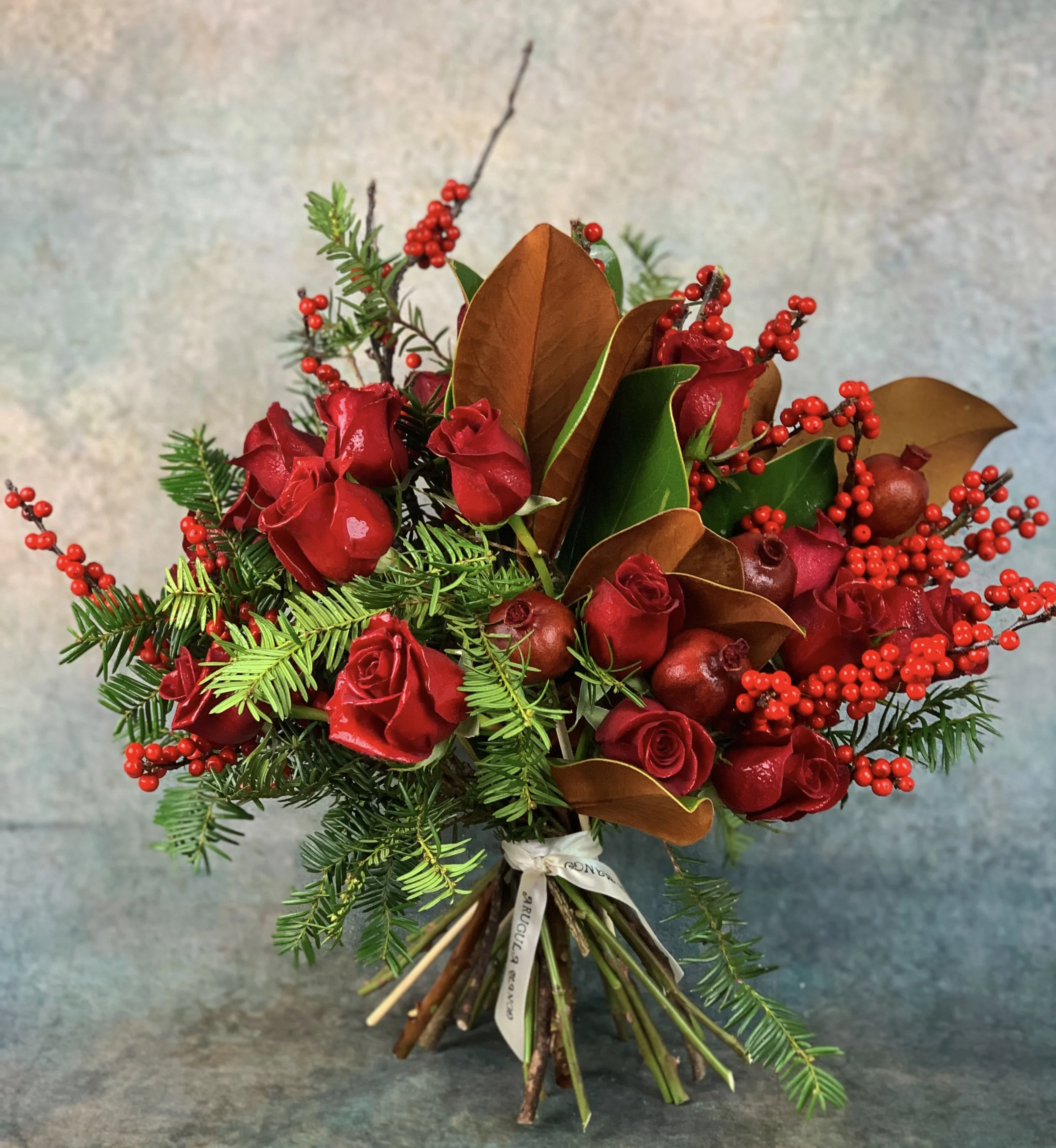
So let’s unpack this floral magic, backed by science, color theory, and a little everyday practicality. If you’re not already placing a vase of blooms next to your laptop, you're about to start.
Why Flowers Are More Than Just Pretty Decor
Sure, flowers look good. But their real power goes way deeper than the surface. They act as natural mood elevators, and their effect is both emotional and physiological.
Here’s why:
They connect us to nature. We’re wired to respond positively to greenery and blooms—it’s in our DNA.
They add intentional beauty to space. That moment of "ahh" when you see fresh flowers? That’s your brain reacting to harmony and life.
They disrupt routine visually. In a world of concrete and screens, they add softness and surprise.
Flowers can create a sensory pause. Whether you're walking into your kitchen or glancing over during a stressful Zoom call, they gently pull your mind back into the present.
Science Says So: Studies That Prove the Power of Flowers
Think this is all just feel-good fluff? Nope. There’s hard science backing the floral effect.
Harvard research found that people exposed to flowers in the morning reported higher energy levels and improved moods.
Rutgers University ran a decade-long study proving that flowers elicit true emotional reactions, from happiness to compassion—even in older adults.
In workplace studies, offices with flowers showed a 15% increase in productivity, especially when employees had personal floral touches near their workspace.
TL;DR? Flowers don’t just feel good—they literally shift our brain chemistry, improving cortisol levels, emotional well-being, and focus.
The Mood-Boosting Chemistry Behind Flowers
Let’s get nerdy for a sec.
Color: Different hues trigger different emotional responses. Reds and oranges energize, blues and greens calm, pinks comfort.
Shape: Round, soft-petaled flowers (like peonies or garden roses) are soothing. Spiky or architectural flowers stimulate the senses.
Scent: Floral fragrances can activate memory and emotion centers in the brain, boosting positivity and alertness.
This is why even a single bloom on your desk can change how you feel. Your brain interprets it as “something living,” and responds accordingly—often with reduced anxiety, more optimism, and yes, better work performance.
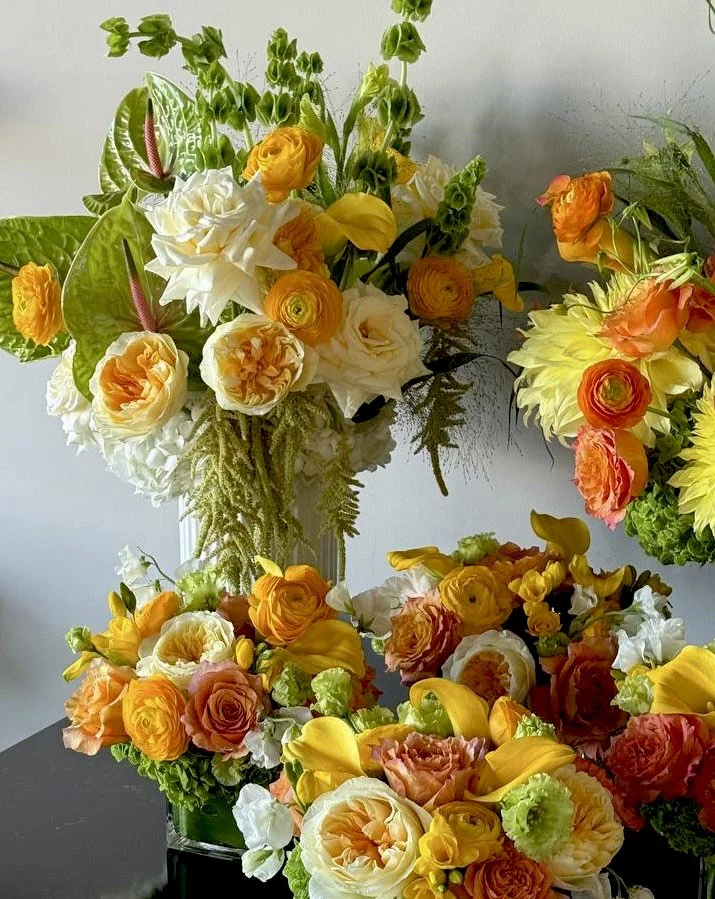
Flowers in the Workplace: Why Every Desk Needs a Vase
Office life can feel like a grind. But what if something as simple as a vase of flowers could lighten the load?
Here’s what research and real-life tell us:
Increased creativity—flowers boost divergent thinking.
Improved focus—they help reduce mental fatigue.
Lower stress—the presence of blooms is linked to lower cortisol levels.
And it’s not just about personal desks. Shared spaces like conference rooms, reception areas, and break rooms benefit, too. Even artificial arrangements (if styled right) bring warmth and intentional design to cold corporate settings.
Corporate trend alert: more companies are hiring biophilic designers to integrate florals and greenery into office architecture. That’s how big this movement is becoming.
WFH? Here’s How to Use Flowers in Your Home Office
Working from home? You’ve got even more freedom to bring flowers into your space—and trust, your brain will thank you.
Quick wins:
Place a small bud vase next to your laptop or monitor.
Style a low arrangement behind you for Zoom calls (bonus: it ups your background game).
Use scented flowers (like garden roses or lavender) to subtly freshen your space without candles or sprays.
Where to buy?
Farmer’s markets = freshest blooms for less.
Local florists often offer subscription deliveries.
Don’t sleep on grocery store flowers—just be picky.
Pro tip: Mix a single-color flower with bold foliage for a minimalist but powerful design that won’t clutter your workspace.
The Best Flowers for Boosting Mood
If your goal is to feel happier, lighter, and more uplifted, there are certain flowers that absolutely deliver on that energy. These aren’t just “pretty” blooms—they’re mood boosters backed by both tradition and psychology.
Top Picks for Mood:
Sunflowers: Instant joy. These guys radiate positivity, confidence, and sunshine energy. Put one on your desk and try not to smile.
Tulips: Clean, modern, and mood-lifting. Tulips are associated with renewal and emotional openness.
Peonies: Fluffy, soft, and luxurious. Peonies are known to bring comfort, emotional security, and even feelings of romance.
Gerbera Daisies: Bold and bright. These scream optimism and are literal dopamine in flower form.
Ranunculus: With their many layers, they represent charm and grace—and their soft appearance feels cozy and calming.
Honorary mentions:
Daffodils (hope & cheer)
Anemones (protection & grounding)
Freesia (energy & sweetness)
These flowers not only look happy—they influence the emotional centers of your brain in ways that foster positivity, connection, and even relaxation.
The Best Flowers for Focus and Productivity
Now let’s talk get-it-done vibes. Some flowers and greenery don’t just make you feel good—they help you focus. These arrangements are perfect for desks, studios, or any space where your brain needs to show up sharp.
Top Focus Flowers:
Orchids: Sleek, sculptural, and high-end minimalism. They create a clutter-free look that promotes mental clarity.
Anthuriums: Bold shapes = visual interest without chaos. Helps keep your space inspired but not overwhelming.
Snake flowers or minimalist stems (like calla lilies): Clean lines and low scent keep you zeroed in.
Greenery for Mental Clarity:
Eucalyptus: Its scent is fresh and mentally stimulating—perfect for long writing or design sessions.
Ferns: Gentle texture and rhythmic fronds calm anxiety and help with attention.
Boxwood or myrtle: Structured greens that suggest order and intention.
Want peak productivity? Combine greens with one or two neutral-hued flowers for that calm-meets-focus energy.
Color Theory: What Flower Colors Say to Your Brain
Here’s the lowdown on how color impacts mood and mental performance. Color theory is big in interior design—and it's just as important in floral styling.
Color
Vibe
Best Use
Yellow
Joy, energy, motivation
Mornings, brainstorming
Red
Passion, urgency, attention
Deadline zones, meetings
Pink
Comfort, warmth, self-love
Personal spaces
Blue
Calm, clarity, communication
Work calls, writing
Green
Balance, grounding, growth
Study/work sessions
White/Cream
Clean, minimalist, peaceful
Meditation areas
Pro tip: Use warm tones when you need an energy boost, and cool tones when you want focus or mental rest.
Scent and Sensibility: Fragrance’s Role in Mental Clarity
Fragrance is deeply tied to memory and emotion—it bypasses conscious thought and hits your brain right in the feels. That’s why certain flowers can calm you, energize you, or help you stay laser-focused.
Calming Scents:
Lavender: The OG stress-reliever. Good for anxiety, sleep, and overstimulation.
Rose: A classic heart-opener. Emotional balance and calm.
Chamomile flowers: Soft and soothing.
Energizing Scents:
Mint: Clears brain fog and boosts alertness.
Citrus blossoms (like orange or lemon flowers): Mood enhancers and attention activators.
Hyacinths: Strong scent that sharpens the senses.
How to Use Flower Fragrance:
Place fragrant flowers in your workspace—but avoid overwhelming scents.
Use single-variety arrangements for consistent fragrance.
Try flower water spritzers or keep a scented sachet nearby for soft scent diffusion.
Arranging for Energy: How to Style for Mental Boosts
Believe it or not, how you arrange your flowers affects your space’s emotional rhythm. A messy bouquet can feel chaotic. A structured one can promote focus. A flowing one can spark creativity.
Arrangement Shapes to Try:
Vertical/high arrangements: Signal upward movement, drive, ambition. Great for workspaces.
Low, wide spreads: Create calm and conversation-friendly energy. Good for tables and lounges.
Asymmetrical or flowing designs: Ignite creativity, break visual monotony.
Stick with odd numbers of flowers—it feels more natural to the eye—and always leave space in your arrangement. Overpacked vases can make your space feel cramped.
Indoor Flower Placement: Where Your Mood Gets the Most Lift
Not all flower spots are created equal. Strategic placement can make a difference in how much your arrangements affect your mood and productivity.
Best Flower Placement Spots:
Entryway: Instant mood lift the moment you walk in.
Kitchen counter or island: Adds warmth to the heart of the home.
Bathroom vanity: Unexpected, luxury touch.
Work desk: Right in your line of sight for those mid-Zoom mental breaks.
Bedroom nightstand: Soft blooms = sleep-friendly energy.
Eye-level blooms offer the most visual impact. Don’t just place them in corners—put them where you actually look.
Using Floral Design as a Form of Self-Care
Here’s something nobody talks about enough: arranging flowers is self-care. The process is meditative, sensory, and creative—and it doesn’t take a ton of time.
Floral arranging as therapy:
Forces you to be present
Uses tactile interaction (cutting, placing, adjusting)
Encourages color play and beauty appreciation
Make it a weekly ritual. Even just five minutes with a handful of stems can shift your entire week’s energy. No rules. No perfection. Just you, your flowers, and a little peace.
Floral Wellness in Shared Spaces
If you live or work with other people, you’re not the only one who benefits from the flower glow-up. Shared spaces thrive when there are intentional touches of life and color.
Add floral touches to:
Office reception desks
Living room side tables
Dining table centerpieces
Waiting rooms or clinics
Group therapy and wellness spaces
Fresh flowers can ease tension, spark conversation, and even soften the vibe in high-stress environments. It’s community care through beauty.
Seasonal Flowers and Your Mood: Timing Is Everything
Using seasonal flowers doesn’t just save money—it also keeps your mood in sync with nature’s rhythm. Flowers blooming in each season carry energy your body responds to.
Spring: Joy & Fresh Starts
Tulips, daffodils, lilacs—bring optimism, clarity, and renewal.
Summer: Bold Energy & Play
Sunflowers, dahlias, zinnias—boost mood, activity, and color therapy.
Fall: Grounding & Reflection
Chrysanthemums, marigolds, dusty foliage—help with focus and introspection.
Winter: Coziness & Calm
Amaryllis, evergreens, dried florals—comforting and mood-regulating.
Change up your arrangements with the seasons to keep your environment—and your mind—feeling fresh and connected.
Low Maintenance, High Impact: Flowers for Busy People
If you're into flowers but not into babysitting them, you still have options. These blooms are tough, long-lasting, and gorgeous with minimal effort.
Low-Maintenance Blooms:
Alstroemeria (lasts up to 2 weeks!)
Chrysanthemums (tons of shapes and colors)
Carnations (back and better than ever)
Eucalyptus (doubles as fresh or dried)
Or go the dried flower route: bleached ruscus, pampas grass, preserved roses. You get all the style with zero upkeep.
Conclusion: Bloom Where You're Planted—Literally
Flowers have been part of human life forever—for rituals, healing, celebration, and now, productivity and emotional wellness. In 2026, they’re more than just decoration—they’re a daily tool for joy, energy, clarity, and comfort.
Whether you're building a focus corner with eucalyptus and calla lilies, or adding a happy sunflower to your WFH setup, florals are an investment in your emotional landscape. Don’t underestimate their power.
Go grab some blooms, arrange with intention, and let your space—and your spirit—breathe.