How Flower Gifting Is Changing in New York and Connecticut This Year
Gifting flowers in 2026 doesn’t look—or feel—the way it used to. In both the fast-paced neighborhoods of New York City and the slow-living corners of Connecticut, the way people give flowers is undergoing a quiet but powerful transformation.
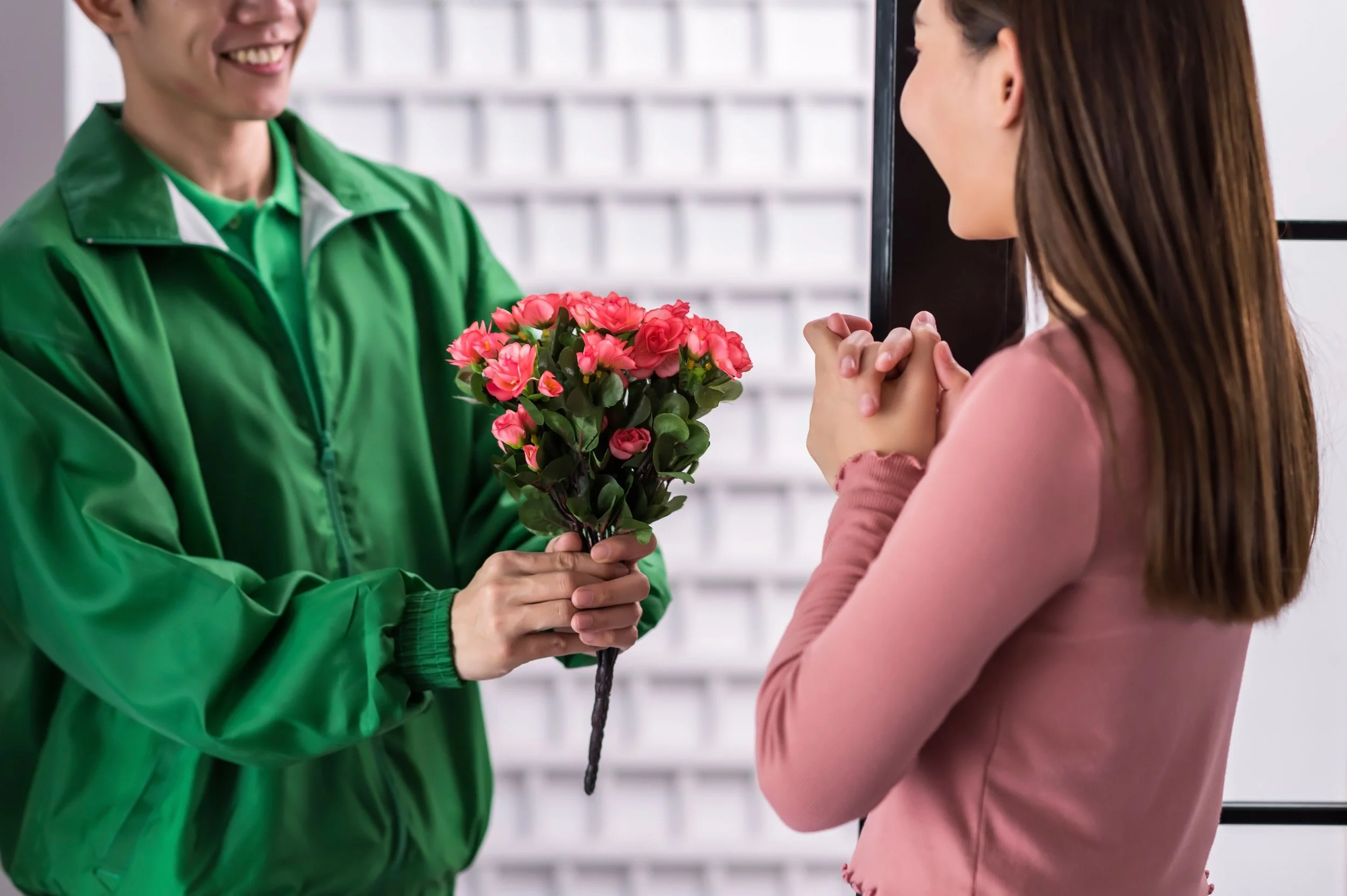
It’s no longer just about red roses on Valentine’s Day or big arrangements on birthdays. Today, flowers are being used to say:
“Hey, I thought of you.”
“Congrats on getting through a rough week.”
“You don’t need a reason to receive something beautiful.”
This year, flower gifting is becoming more spontaneous, emotional, sustainable, and—most importantly—human. Let’s explore how and why it’s changing.
From Tradition to Intention: A New Era of Gifting
For decades, flowers were tied to certain occasions—anniversaries, holidays, apologies. The gifting felt expected, sometimes even obligatory. But now, people are giving flowers with purpose, not pressure.
The shift is emotional. Instead of checking boxes, New Yorkers and Connecticut residents are:
Giving flowers to match a mood or moment
Choosing meaningful stems over generic arrangements
Skipping the big events and embracing everyday kindness
This movement is rooted in intention—the idea that a gift doesn't have to be grand to be deeply felt.
Everyday Moments Are the New Occasions
Who says flowers are just for special dates?
This year, people are turning mundane moments into meaningful ones with small flower gestures:
A coworker having a stressful week
A friend feeling under the weather
A neighbor who helped shovel the driveway
A teen who passed their driving test
Whether it’s a few cheerful tulips or a single ranunculus in brown paper, these micro-gifts are reshaping how we express care in the Northeast.
In a culture that often forgets the little things, flowers are helping us remember.
Smaller Bouquets, Bigger Meaning
One of the most noticeable shifts is in size. Gone are the days of massive, uniform bouquets. In 2026, it’s the small, hand-tied bundles that are stealing hearts.
Why? Because they feel:
More personal
More affordable
More emotionally honest
You might get three stems tied with twine and a tiny tag that reads, “Thinking of you.” That hits harder than two dozen roses with a printed card.
Minimalism has merged with meaning. And that’s something both city dwellers and suburbanites can agree on.
The Influence of Local Culture in NYC and Connecticut

In New York City, everything moves fast—but that doesn’t mean people don’t crave connection. Small flower gestures are becoming a quiet counterbalance to the city’s constant motion. You’ll see commuters picking up a few stems at a corner stand, tying them up with string, and handing them to someone they care about before hopping on the train.
In contrast, Connecticut’s slower pace has allowed for a deeper return to local sourcing and personal expression. Residents are:
Buying flowers directly from farms or seasonal markets
Creating DIY bouquets for friends and neighbors
Building lasting rituals around gifting flowers during walks or weekend gatherings
The result? Two very different regions expressing a shared desire for simplicity, meaning, and emotional honesty—each in their own way.
Rise of the Self-Gifting Movement
One of the most noticeable shifts in 2026 is this: more people are buying flowers for themselves—and owning it.
It’s no longer seen as indulgent. It’s seen as:
A form of emotional maintenance
A small act of joy and grounding
A physical reminder that you matter, with or without someone else to say it
People in both NYC and Connecticut are developing weekly flower routines. They’re stopping by a vendor on the way home, choosing what speaks to them, and placing those blooms by the bed or on the kitchen table.
This trend isn't just about aesthetics. It’s about self-worth and self-connection. And it’s one of the most powerful ways flower gifting is evolving.
Gifting with Purpose: Sustainability and Ethics
The modern flower giver isn’t just thinking about color and price—they’re thinking about where the flowers came from and how they were grown.
In 2026, conscious consumers are:
Choosing seasonal, locally grown flowers over imported, chemically treated ones
Avoiding plastic wraps and floral foam
Supporting small farms and independent flower sellers
Giving with a sense of environmental responsibility
Ethical gifting is now a form of love that extends beyond the recipient to the planet itself. And both New Yorkers and Connecticut locals are embracing this value-driven approach to florals.
The Role of Farmers Markets and Flower Carts
One reason flower gifting feels more accessible this year? The rise of neighborhood vendors.
Instead of relying solely on high-end florists, people are turning to:
Flower carts on city corners
Saturday farmers markets in Connecticut towns
Pop-up shops with seasonal bundles
These sources offer:
Affordable stems sold individually
Fresh, local blooms with zero plastic
A chance to build your own bouquet with intention
Plus, they turn buying flowers into a ritual—a slow, sensory moment in the middle of a busy week.
Handwritten Notes, Recycled Wraps, and Personal Details
Another big shift? Presentation has become part of the message.
No more mass-produced plastic wrap and barcode stickers. In 2026, people are wrapping flowers with:
Kraft paper and string
Fabric scraps (like Furoshiki-style cloth wraps)
Dried herbs, handwritten notes, or pressed leaves
These small touches make a simple gift feel rich with meaning. They say, “This wasn’t last-minute. I thought about how you’d feel opening this.”
Gifting has slowed down. And it’s more beautiful for it.
Emotionally Intelligent Gifting
The best flower gifts in 2026? They’re not the most expensive. They’re the most emotionally attuned.
People are tuning in and giving based on:
How someone’s been feeling
What color might brighten their week
Whether they need comfort, celebration, or calm
This has created a wave of empathic gifting, where flowers are less about the giver and more about the emotional needs of the recipient.
Florals, in this way, have become a form of emotional literacy—a soft, beautiful way to say, “I hear you.”
Corporate and Workplace Flower Gifting
Even in professional environments, flower gifting is getting a fresh makeover. In both New York and Connecticut, companies are swapping flashy corporate gifts for intentional floral gestures that feel warm, human, and emotionally intelligent.
You’ll find flowers being used to:
Celebrate employee milestones (without making a big deal out of it)
Brighten someone’s desk during tough weeks
Thank clients or collaborators with a personal touch
Foster company culture rooted in care and emotional wellness
A growing trend is “Flower Fridays,” where managers bring in local bouquets or let team members pick a stem or two to take home—adding beauty to their weekends and recognition to their workweek.
These gestures aren’t expensive, but they say a lot:
“You matter here.”
“We see your efforts.”
“Let beauty follow you home.”
Dried, Pressed, and Preserved Gifts
Not every flower gift fades in a week.
In 2026, people are getting creative with longer-lasting floral gifts, especially in Connecticut’s craft-forward culture and NYC’s design-loving circles.
Popular options include:
Dried flower bundles with a natural, rustic vibe
Pressed flower art, like bookmarks, coasters, or framed pieces
Floral keepsakes from special bouquets (like weddings or memorials)
Herbal bouquets that can be repurposed into tea or bath soaks
These forms of gifting reflect a desire to hold onto meaning, to preserve connection, and to reduce waste. It’s a way of saying,
“This memory doesn’t have to wilt.”
The Customization Boom: Curated, Personal, Unique
Forget cookie-cutter bouquets. In 2026, the best flower gifts are customized and curated—not in a flashy way, but in a deeply personal one.
Local florists across NYC and Connecticut are offering:
Build-your-own bouquets based on mood or message
Petal personality matching (yes, it’s a thing!)
Mini bundles that reflect shared stories, color palettes, or feelings
Customers are even requesting themes like:
“For my anxious friend”
“She just got promoted and doesn’t believe in herself”
“It’s our inside joke”
Flowers are no longer just a product. They’re becoming a language—customized, heartfelt, and memorable.
Kids, Teens, and Gen Z Are Getting Involved
The flower culture isn’t just for adults anymore. Gen Z and even younger groups are fully leaning into gifting blooms as a form of self-expression and emotional awareness.
It’s common to see:
Teens gifting flowers at school for encouragement
DIY mini bouquets traded between friends
Creative wrapping ideas using stickers, zines, or fabric scraps
Kids pressing flowers into scrapbooks or giving them to teachers “just because”
In a world where emotions are often dismissed, flowers are helping younger generations say:
“It’s okay to feel deeply.”
“Softness is strength.”
“Beauty is something we can share.”
How Flower Gifting Builds Community and Connection
One of the most beautiful results of this shift? Flowers are bringing people closer together.
It’s happening everywhere:
Neighbors leaving surprise bouquets on stoops
Friends exchanging blooms at weekly hangouts
Local groups organizing “community flower swaps”
People gifting flowers to strangers who look like they need a lift
In both city blocks and small towns, flower gifting is creating micro-moments of:
Joy
Care
Recognition
Shared humanity
These aren’t big gestures. But they are deep ones. And that’s what the Northeast is learning in 2026:
Flowers don’t fix everything—but they connect us in the moments that matter.
Conclusion
The way people gift flowers in New York and Connecticut has never been more real, raw, and beautiful.
In 2026, it’s not about showy arrangements or calendar dates. It’s about quiet intention, everyday care, and emotional honesty. A few stems. A kind note. A gentle gesture that lands at the perfect moment.
This new era of flower gifting is:
More personal
More sustainable
More emotionally intelligent
And more available to everyone
Whether it’s a friend, a neighbor, a coworker—or yourself—a small bouquet is enough to shift a whole day.
So next time you pass a flower stand or farmer’s market, stop. Choose with your heart. Wrap it with care.
And give it to someone who needs a little reminder:
You’re seen. You’re loved. You matter.