How Floral Design Reflects Lifestyle Trends in Coastal Connecticut
The Connection Between Lifestyle and Floral Design
Coastal Living and Natural Influence
Spend even a short amount of time in Norwalk, CT, and you start to notice how deeply the coastal environment shapes everyday life. The pace feels different—more balanced, a little more intentional—and that mindset naturally spills over into home decor and, more specifically, floral design. It’s not just about putting flowers in a vase; it’s about bringing a piece of the outside world indoors in a way that feels authentic.
Coastal Connecticut has a unique visual language. Soft blues, sandy neutrals, weathered textures—these elements don’t just show up in furniture or wall colors, they influence how flowers are arranged and displayed. Local florists often lean into this aesthetic by creating designs that feel loose, airy, and slightly imperfect, almost like they were gathered during a walk along the shoreline.
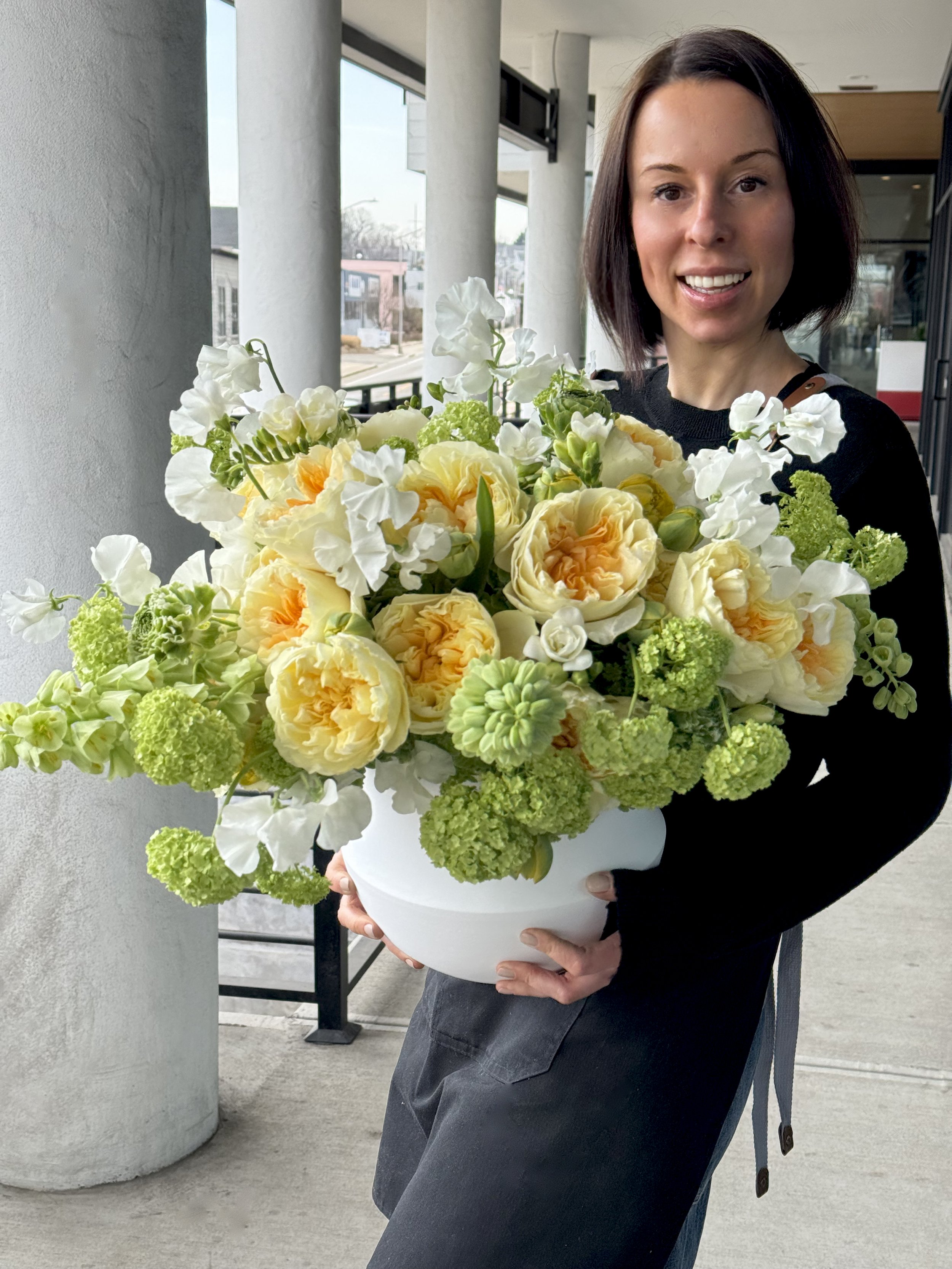
This is a noticeable shift from more rigid, symmetrical arrangements that used to dominate the floral world. Today’s designs in Norwalk are more organic. Stems may curve naturally, greenery might spill slightly over the edge, and the overall composition feels relaxed rather than controlled. That mirrors the lifestyle here—structured enough to function, but flexible enough to breathe.
There’s also a strong connection to seasonality. Coastal residents tend to be more aware of the changing environment around them, and that awareness shows up in their choice of flowers. Spring arrangements feel light and hopeful, summer designs are vibrant and full, while fall and winter lean into deeper, moodier tones.
In many ways, floral design becomes a reflection of place. In Norwalk, that place is defined by water, light, and a sense of calm—and you can see all of that in the way flowers are chosen and arranged.
The Shift Toward Intentional Home Aesthetics
It’s hard to ignore the broader lifestyle shift happening right now—people are becoming more intentional about how they live, what they buy, and how they design their spaces. In Norwalk, CT, this movement is especially visible in how residents approach home aesthetics, and flowers have become a key part of that conversation.
Instead of filling spaces with random decor, people are curating their environments more thoughtfully. Every element has a purpose, and floral design is no exception. A bouquet isn’t just there to “look nice”—it’s chosen to complement a room, reflect a mood, or even mark a specific moment in time.
Local florists have adapted to this shift by offering more personalized services. Customers aren’t just asking for arrangements; they’re asking for guidance. They want to know which flowers will work best in their space, how long they’ll last, and what kind of feeling they’ll create. This turns floral design into a collaborative process rather than a simple purchase.
There’s also a noticeable move away from excess. While large, dramatic arrangements still have their place, many Norwalk residents are embracing simpler designs that feel more natural and less staged. A single, well-placed arrangement can have more impact than multiple competing elements.
This intentional approach aligns with trends like minimalism and mindful living. People are choosing quality over quantity, meaning over impulse. And because flowers are both temporary and expressive, they fit perfectly into this mindset.
In Norwalk, floral design isn’t just following lifestyle trends—it’s helping define them.
Why Flowers Play a Central Role in Norwalk, CT Homes
Everyday Use of Flowers in Interior Spaces
Walk into homes across Norwalk, CT, and you’ll quickly notice that flowers are no longer reserved for special occasions. They’ve become part of the everyday visual language of a home, almost like lighting or textiles. This shift says a lot about how people are choosing to live. Instead of saving beauty for rare moments, residents are weaving it into their daily routines.
One reason for this is flexibility. Flowers can adapt to any space—kitchen counters, entry tables, bedside stands, even bathrooms. You don’t need a full redesign to refresh a room; sometimes a simple arrangement does the job. Local florists often recommend rotating smaller bouquets throughout the home rather than relying on one large centerpiece. This creates a sense of flow and continuity, making the entire space feel more intentional.
There’s also a practical side to it. Compared to permanent decor, flowers allow for constant change without long-term commitment. You can experiment with colors, shapes, and styles depending on your mood or the season. That freedom is especially appealing in a place like Norwalk, where residents tend to appreciate both creativity and simplicity.
Interestingly, this everyday use of flowers also reflects how people are redefining luxury. It’s no longer about expensive, static items—it’s about small, repeatable experiences that improve daily life. Fresh flowers fall perfectly into that category. They’re accessible, yet they create a noticeable impact.
In Norwalk homes, flowers have moved from being occasional accents to essential elements. They don’t just decorate a space—they shape how it feels to live in it.
Emotional and Sensory Appeal
Beyond aesthetics, flowers bring something less tangible but equally important into Norwalk homes: emotion. There’s a reason people instinctively feel better around fresh blooms. They engage multiple senses at once—sight, smell, even touch—and that combination creates a subtle but powerful shift in atmosphere.
In Norwalk, CT, where many residents balance busy schedules with a desire for calm, this sensory impact matters. A well-placed arrangement can soften a room, making it feel more inviting and less rigid. Local florists often talk about designing with emotion in mind, not just appearance. The goal isn’t only to create something beautiful—it’s to create something that feels right.
Fragrance plays a big role here. Light, natural scents can make a home feel cleaner and more relaxed without being overwhelming. Visual texture adds another layer—soft petals, structured stems, and varied greenery create depth that artificial decor often lacks.
There’s also a psychological component. Studies have shown that having flowers in your environment can reduce stress and improve mood. While people in Norwalk might not think about the science behind it every time they buy a bouquet, they definitely notice the effect.
This emotional connection is part of why flowers have become such a consistent presence in local homes. They’re not just decorative—they’re experiential. And in a lifestyle that increasingly values well-being, that experience is hard to replace.
The Evolution of Floral Design Styles
From Traditional Arrangements to Organic Designs
Floral design in Norwalk, CT has gone through a quiet but meaningful transformation. Traditional arrangements—symmetrical, tightly structured, and often formal—used to be the standard. They still exist, but they’re no longer the default. Today, there’s a clear move toward designs that feel more natural, more fluid, and a little less “perfect.”
This evolution mirrors broader lifestyle changes. People are moving away from rigid expectations and embracing authenticity, and that shows up in how flowers are arranged. Instead of forcing every stem into a precise position, modern designs allow for movement. Stems bend, greenery spills, and the arrangement feels almost like it grew that way on its own.
Local florists in Norwalk have been at the forefront of this shift. They’re experimenting with asymmetry, negative space, and unexpected combinations. The result is something that feels less manufactured and more organic. It’s a design approach that values character over perfection.
This doesn’t mean traditional styles are disappearing—they’re just being reinterpreted. Classic flowers like roses or lilies might still be used, but they’re arranged in a way that feels lighter and more contemporary.
For residents, this shift offers more freedom. Floral design becomes less about following rules and more about expressing a mood or idea. It aligns with a lifestyle that values individuality and creativity.
In Norwalk, the evolution of floral design isn’t about replacing the old—it’s about expanding what’s possible.
Minimalism vs. Abundance Trends
One of the most interesting dynamics in modern floral design is the balance between minimalism and abundance. At first glance, these trends might seem opposite, but in Norwalk, CT, they often coexist in a way that feels surprisingly natural.
Minimalist arrangements focus on simplicity—fewer stems, clean lines, and a strong emphasis on form. A single type of flower in a well-chosen vase can make a powerful statement. This approach appeals to residents who prefer a calm, uncluttered aesthetic.
On the other hand, abundant designs embrace fullness and variety. They feature multiple types of flowers, layered textures, and a sense of richness. These arrangements feel lively and expressive, often becoming the focal point of a room.
Local florists understand that both styles have their place. The choice often depends on the space, the occasion, and the personality of the homeowner. Some people even switch between the two, using minimalist designs for everyday decor and more abundant arrangements for gatherings or special moments.
Here’s a simple comparison:
Style
Minimalist Floral Design
Abundant Floral Design
Look
Clean and simple
Full and layered
Impact
Subtle and refined
Bold and expressive
Usage
Everyday decor
Events or focal points
Mood
Calm and modern
Energetic and warm
This balance reflects a larger lifestyle trend in Norwalk—people want options. They want the ability to shift between simplicity and expression depending on how they feel.
And flowers, with their versatility, make that possible.
The Role of Local Florists in Shaping Trends
Customization and Personal Expression
In Norwalk, CT, the modern florist is no longer just someone who sells flowers—they’re a creative partner in shaping how people express themselves at home and in their daily lives. This shift has had a huge impact on floral design trends across coastal Connecticut. Instead of choosing from a few standard arrangements, residents are actively participating in the design process, and that collaboration is redefining what floral decor looks like.
Customization sits at the center of this change. People want arrangements that reflect their personality, their space, and even their mood at a specific moment. A minimalist apartment might call for a clean, sculptural arrangement, while a cozy coastal home may lean toward softer, more relaxed designs. Local florists understand these nuances because they’re part of the same community—they see the homes, the styles, and the preferences evolving in real time.
What’s interesting is how this personalization goes beyond aesthetics. Customers often come in with a story or intention: maybe they want something calming after a stressful week, or something energizing to refresh their space. The florist translates that feeling into color, texture, and form. That process turns flowers into a kind of visual language.
There’s also a growing appreciation for imperfection. Rather than aiming for uniformity, many Norwalk residents prefer arrangements that feel natural and slightly unpredictable. Florists are responding by creating designs that embrace variation—different stem heights, unexpected pairings, and a sense of movement.
This level of customization makes floral design feel more human. It’s not about following trends blindly; it’s about adapting them to fit real lives. And in Norwalk, that’s exactly what people are looking for—something personal, flexible, and meaningful.
Influence of Community Preferences in Norwalk
Floral trends don’t develop in isolation—they’re shaped by the people who live in a place. In Norwalk, CT, community preferences play a major role in how flowers are designed, displayed, and appreciated. There’s a shared aesthetic that reflects the area’s coastal character, but within that, there’s plenty of room for individuality.
Local florists act as observers and interpreters of these preferences. They notice which цвети are in demand, what color palettes people gravitate toward, and how styles shift over time. For example, there’s been a clear move toward softer, more natural tones—think muted greens, pale blues, and sandy neutrals that echo the shoreline. These choices aren’t random; they’re influenced by the environment people see every day.
Community events and social habits also shape floral design. In a place like Norwalk, where gatherings often feel relaxed and intimate, arrangements tend to follow suit. They’re less formal, more approachable, and designed to complement rather than dominate a space.
Another factor is the emphasis on authenticity. Residents tend to prefer designs that feel real and lived-in rather than overly polished. This has encouraged florists to experiment with more organic styles, creating arrangements that feel effortless even when they’re carefully crafted.
Over time, these shared preferences create a kind of visual identity for the area. You can often tell when an arrangement was inspired by coastal Connecticut—it has a certain lightness, a sense of openness, and a connection to nature.
In Norwalk, floral design isn’t just a service—it’s part of the community’s creative expression.
Seasonal and Coastal Inspirations in Floral Design
Color Palettes Inspired by the Shoreline
One of the most defining features of floral design in Norwalk, CT is its connection to the coastline. The colors you see in local arrangements often mirror the natural surroundings—soft ocean blues, warm sandy tones, gentle greens, and the occasional pop of sunset-inspired coral or gold. These palettes don’t just look good; they feel familiar and grounding.
When florists create arrangements for Norwalk homes, they often draw directly from this environment. A bouquet might combine pale hydrangeas with airy greenery to evoke the feeling of sea breeze, or incorporate neutral оттенки that reflect driftwood and stone. This approach makes floral design feel integrated with the space rather than added on top of it.
There’s also a seasonal rhythm to these color choices. Spring tends to bring lighter, fresher tones—soft pinks, yellows, and whites. Summer introduces brighter, more saturated colors that reflect longer days and stronger sunlight. Fall shifts into deeper, warmer hues, while winter often leans toward minimalism with cool whites and subtle greens.
This constant evolution keeps floral design dynamic without feeling disconnected. It allows residents to refresh their spaces in a way that aligns with what’s happening outside.
In Norwalk, color isn’t just a design choice—it’s a reflection of place and time. And flowers are one of the most natural ways to bring that reflection indoors.
Using Local and Seasonal Flowers
Beyond color, the actual selection of flowers in Norwalk is heavily influenced by what’s locally available and in season. This isn’t just a practical decision—it’s a lifestyle choice that reflects a growing awareness of sustainability and authenticity.
Local florists often prioritize blooms sourced from nearby growers. These flowers tend to be fresher, last longer, and require less transportation, which reduces environmental impact. For residents, this means better quality and a stronger connection to the region.
Seasonal flowers also bring variety. Instead of seeing the same arrangements year-round, people experience a natural rotation of styles and textures. Spring might highlight tulips and daffodils, summer brings in sunflowers and dahlias, while fall and winter introduce richer, more textured elements.
This approach encourages creativity. Florists work with what’s available, often combining unexpected elements to create something unique. It keeps the design process fresh and prevents it from becoming repetitive.
For Norwalk residents, choosing seasonal flowers adds meaning to the experience. It’s a way of staying connected to the environment and appreciating its changes. It also reinforces the idea that beauty doesn’t have to be constant—it can evolve.
In a world where so much feels mass-produced, this focus on local and seasonal design makes floral arrangements feel more genuine and alive.
Sustainability and Eco-Conscious Floral Choices
Locally Sourced Flowers in Norwalk, CT
Sustainability has become a defining factor in lifestyle decisions across Norwalk, CT, and floral design is no exception. More residents are asking where their flowers come from and how they’re sourced. This curiosity is shaping the way local florists operate and the choices they offer.
Locally sourced flowers have clear advantages. They travel shorter distances, which means a smaller carbon footprint and fresher blooms. They also support regional agriculture, creating a more resilient local economy. For many people in Norwalk, that combination of quality and responsibility makes local sourcing the obvious choice.
Florists are responding by building relationships with nearby growers and highlighting seasonal availability. This transparency helps customers feel more connected to their purchases. It turns a simple bouquet into something with a story—where it was grown, when it was harvested, and how it made its way into the arrangement.
There’s also a shift in expectations. Customers are becoming more open to variation, understanding that local and seasonal flowers might not always look perfectly uniform. In fact, that variation is often seen as a sign of authenticity.
In Norwalk, sustainability isn’t about perfection—it’s about making better choices where possible. And in floral design, that starts with where the flowers come from.
Reducing Waste Through Smart Design
Another important aspect of eco-conscious floral design is reducing waste. In Norwalk, CT, both florists and customers are becoming more mindful of how arrangements are created, used, and eventually discarded.
One approach is designing with longevity in mind. Choosing flowers that last longer, or combining fresh and dried elements, helps extend the life of an arrangement. This not only reduces waste but also makes floral decor more practical for everyday use.
Repurposing is another growing trend. As flowers begin to fade, they can be rearranged into smaller displays or incorporated into different parts of the home. Some blooms even transition beautifully into dried arrangements, offering a second life beyond their fresh state.
Local florists often share care tips to help customers get the most out of their flowers. Simple actions—like trimming stems, changing water, and avoiding direct sunlight—can significantly extend their lifespan.
There’s also a move toward more sustainable materials, such as reusable vases or minimal packaging. These small changes add up, creating a more responsible approach to floral design overall.
In Norwalk, this mindset reflects a broader lifestyle trend: doing more with less, and doing it thoughtfully. Flowers remain a central part of home decor, but they’re being used in ways that align with long-term values.
The Future of Floral Design in Coastal Connecticut
Emerging Trends in Norwalk
Looking ahead, floral design in Norwalk, CT is poised to become even more personal, flexible, and connected to lifestyle trends. One of the most noticeable emerging patterns is the blending of different styles. Instead of choosing between minimalist or abundant designs, people are mixing elements of both to create something that feels uniquely theirs.
There’s also a growing interest in unconventional combinations. Florists are experimenting with unexpected textures, shapes, and цвети pairings that challenge traditional ideas of what an arrangement should look like. This reflects a broader cultural shift toward creativity and individuality.
Technology is playing a subtle role as well. While the focus remains on natural beauty, digital inspiration—through images and shared ideas—continues to influence how people think about floral design. Residents come to their local florist with clearer visions, which leads to more collaborative and refined results.
Another trend is the integration of flowers into everyday routines, not just special occasions. This reinforces the idea that floral design is part of daily living rather than an occasional luxury.
In Norwalk, the future of floral design feels open-ended. It’s less about following strict trends and more about adapting to how people want to live.
The Balance Between Tradition and Innovation
Even as new ideas emerge, tradition still holds an important place in floral design. In Norwalk, CT, the challenge—and the opportunity—is finding the right balance between honoring classic styles and embracing innovation.
Traditional arrangements offer a sense of familiarity and reliability. They’re often associated with important life events and carry a certain emotional weight. At the same time, modern lifestyles call for flexibility and creativity, pushing florists to rethink how these traditions are expressed.
The result is a blend of old and new. Classic flowers might be arranged in more relaxed, contemporary ways, or traditional color palettes might be updated with unexpected accents. This fusion allows floral design to stay relevant without losing its roots.
Local florists are key to maintaining this balance. They understand the history of their craft, but they’re also attuned to changing preferences. This dual perspective enables them to create designs that feel both timeless and current.
For residents of Norwalk, this balance reflects their own lifestyle. They value tradition, but they’re not afraid to evolve. And in floral design, that mindset creates endless possibilities.
Conclusion
Floral design in Norwalk, CT is more than just decoration—it’s a reflection of how people live, what they value, and how they connect with their environment. From coastal-inspired aesthetics to sustainable choices and personalized arrangements, flowers have become a key element in expressing modern lifestyle trends. Guided by skilled florists, residents are turning everyday spaces into meaningful, dynamic environments that evolve with time and intention.