How Far in Advance Should You Order Flowers for an Event?
You've picked the date, figured out the guest list, and maybe even found the perfect venue. Then comes a detail that's surprisingly easy to overlook: the flowers. Should you order them a few days before the event, a few weeks ahead, or even months in advance?
The answer depends on what you're planning. A small birthday dinner doesn't need the same preparation as a wedding with elaborate centerpieces and floral installations. And while some flowers can be ordered with just a day's notice, others require extra time for sourcing, preparation, and design.
For most small events, ordering flowers 1–3 weeks in advance is a good starting point. Larger celebrations, especially weddings, often require booking a florist several months ahead.
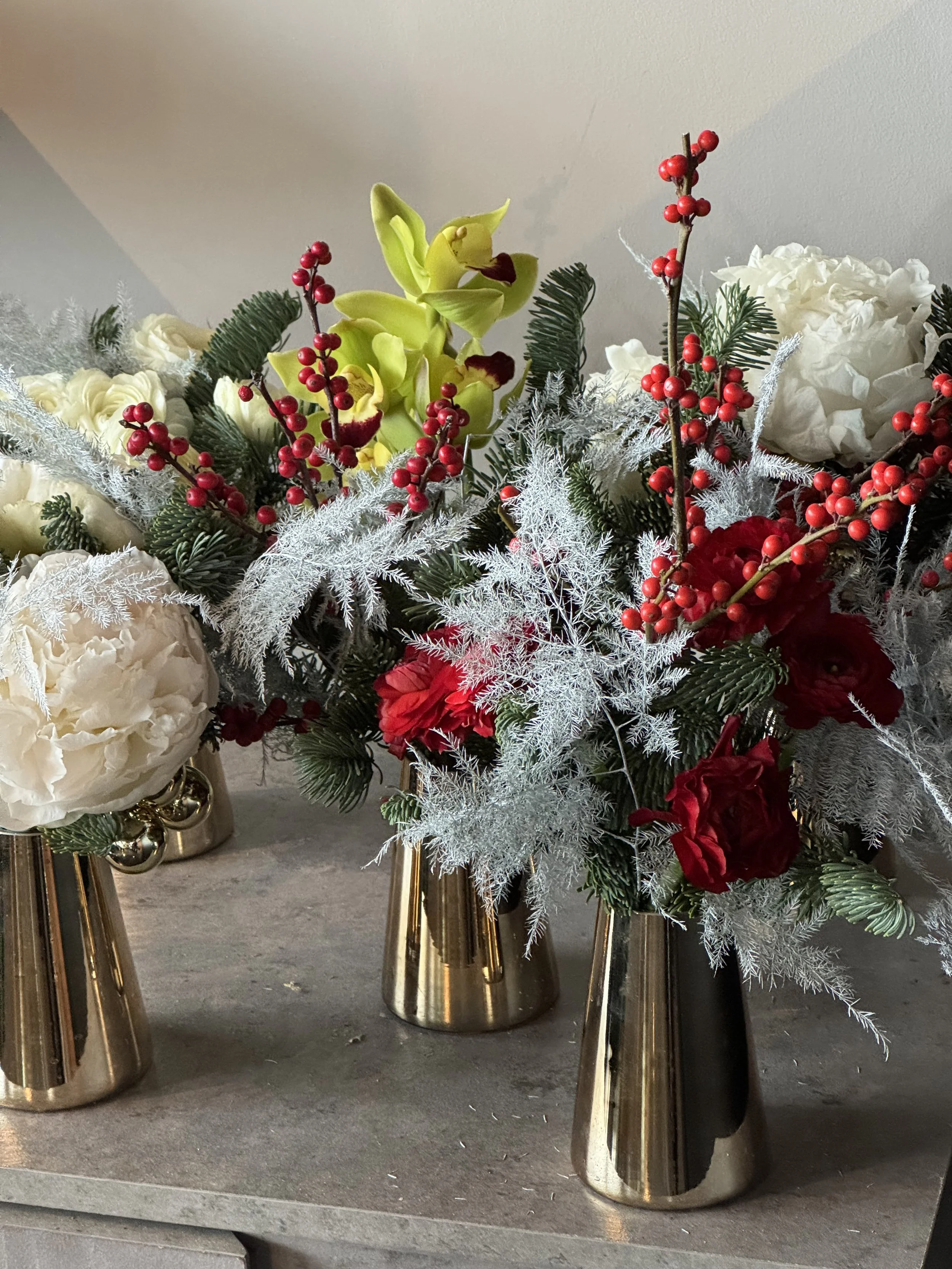
Here's how to figure out the right timeline for your event without ordering too early or leaving everything until the last minute.
How Early Should You Order Flowers? A Quick Timeline
The easiest way to plan your flower order is to consider the event's size, the number of arrangements, and how specific your floral preferences are.
If you simply need a few bouquets, you probably don't need months of preparation. But if you're planning custom centerpieces, a floral arch, or arrangements involving hard-to-find blooms, you'll want considerably more lead time.
Here's a practical guide:
Event Type
Recommended Ordering Timeline
Small birthday party
1–2 weeks before
Dinner party
3–7 days before
Baby shower or bridal shower
2–4 weeks before
Graduation celebration
1–3 weeks before
Corporate event
3–6 weeks before
Large anniversary party
4–8 weeks before
Wedding
6–12 months before
Major event with custom floral installations
3–6 months before
These are planning guidelines, not strict deadlines. Local florist availability, event season, and the complexity of your arrangements can change what's realistic.
One important distinction: booking flowers early doesn't mean receiving them early. You're reserving the florist's time and arranging the details ahead of the event. Fresh flowers are usually delivered or installed close to the celebration date.
When to Order Flowers for a Wedding
Weddings generally require the longest planning timeline, and there's a good reason for that.
Wedding flowers often involve much more than a bridal bouquet. You might need boutonnieres, ceremony arrangements, aisle decorations, reception centerpieces, and floral installations that require transportation and professional setup.
If you're planning a wedding during a popular season, booking your florist 6–12 months in advance is a sensible approach. This gives you time to discuss your vision, review available flower options, and work through your budget.
For a smaller wedding with simple arrangements, 2–4 months may be enough, depending on local availability.
You don't necessarily need to finalize every flower variety when you first book. Many florists can begin with your preferred colors, overall style, and approximate number of arrangements.
The final details are often confirmed closer to the wedding date, once your guest count and table arrangements are more certain.
And if you're dreaming of particular seasonal flowers, ask about their availability early. Peonies, for example, have a relatively limited natural blooming season in many growing regions, so sourcing them outside that period can be more difficult or expensive.
How Far Ahead to Order Flowers for Birthday Parties and Showers
Birthday parties, baby showers, and bridal showers usually allow a little more flexibility.
If you're planning a small celebration with a few table arrangements, ordering one to two weeks ahead may be perfectly reasonable.
For a larger shower with coordinated centerpieces, a photo backdrop, and floral decorations throughout the space, aim for two to four weeks.
Why the difference? Custom designs take planning. The florist may need to source specific flowers, order containers, prepare floral mechanics, and schedule enough time to create everything.
Even seemingly simple requests can become complicated when you need matching arrangements for ten or fifteen tables.
Color coordination is another factor. If you're planning a baby shower with a particular pastel palette, placing your order early gives the florist more flexibility to find suitable flowers.
For casual celebrations, though, don't feel pressured to overplan. A few fresh, seasonal arrangements can make a space feel festive without requiring an elaborate floral design.
When Should You Order Flowers for Corporate Events?
Corporate events often come with their own challenges.
You may be coordinating a venue, catering, presentations, seating, and a specific event schedule. Flowers need to fit into that plan without creating additional work on the day.
For most corporate gatherings, three to six weeks of lead time is a useful target.
This is especially important if you need multiple matching centerpieces, arrangements for a reception area, or floral displays that complement a specific color scheme.
Larger conferences and formal galas may require several months of preparation, particularly when installation, venue access, or multiple delivery locations are involved.
It's also worth considering the practical side of the arrangements. Tall centerpieces might look beautiful in photographs, but they can block conversations across dinner tables. Strongly scented flowers may also be distracting during meals or presentations.
Ordering early gives you time to work through those details instead of making rushed decisions right before the event.
Does the Type of Flower Affect How Early You Should Order?
Absolutely. Not every flower is available in the same quantities throughout the year.
Common varieties such as carnations, chrysanthemums, and many roses are often easier to source through commercial supply channels. Depending on location and availability, a florist may be able to arrange them with relatively short notice.
Seasonal or specialty flowers can be more complicated.
For instance, peonies are especially associated with late spring and early summer in many parts of the United States, while ranunculus and anemones are commonly available during cooler growing seasons.
If you're requesting a specific variety, unusual color, or large quantity, give your florist at least 3–4 weeks whenever possible. Imported or particularly hard-to-source flowers may require more time, and advance notice doesn't guarantee availability.
It also helps to be flexible. Instead of insisting on one exact flower, explain the look you're trying to achieve.
A florist may be able to suggest a beautiful substitute with a similar shape, texture, or color. That flexibility can make the entire process easier and sometimes more affordable.
How Holidays and Peak Seasons Affect Flower Ordering
One detail people often forget is that flowers aren't ordered in isolation. Your event might fall during one of the busiest weeks of the year for florists.
Valentine's Day and Mother's Day are major floral holidays, and many shops experience increased demand around those dates.
Wedding season, graduation periods, and certain holiday weekends can also affect staffing, delivery schedules, and flower availability.
If your event falls near a busy floral holiday, consider adding an extra one to three weeks to your usual planning timeline, especially for larger orders.
For example, a birthday dinner that normally requires only a few days' notice might be easier to coordinate two weeks ahead if it happens during Mother's Day weekend.
Peak periods can affect pricing, too. Increased demand and transportation costs may influence what you pay for certain flowers.
The best approach is to contact a florist early, explain your event date and needs, and ask when they recommend confirming your order.
Can You Order Event Flowers at the Last Minute?
Sometimes, yes.
If you're planning a small dinner or need a handful of simple centerpieces, a florist might be able to help with only 24–72 hours' notice. Some shops may even accommodate same-day requests from their available inventory.
But last-minute orders come with limitations.
You probably won't have the same selection of flower varieties, colors, or arrangement styles. Custom designs may be unavailable, and delivery slots can fill quickly.
The larger the event, the harder it becomes to organize flowers on short notice.
If you're ordering late, keep your request simple. Ask what flowers are currently available rather than requesting an exact design from a photograph.
Seasonal mixed arrangements are often a practical last-minute option because they allow the florist to work with fresh inventory already on hand.
It's also smart to consider picking up the flowers yourself if delivery isn't available. Just make sure you have a suitable vehicle and a cool, secure place to transport them.
Should Flowers Be Delivered the Day Before or the Day of the Event?
Ordering flowers and scheduling their delivery are two different decisions.
For weddings and larger events, delivery or installation on the event day is often preferable. This allows the florist to position arrangements, prepare ceremony spaces, and make final adjustments while keeping flowers looking fresh.
For smaller parties, delivery the day before may work well, provided you have suitable storage conditions.
Fresh flowers generally last longer when kept in a cool environment, away from direct sunlight, heaters, and drafts. Cut stems also need access to clean water unless they're professionally prepared using another hydration method.
However, not every arrangement is suitable for overnight storage. Large installations, delicate blooms, and designs that require extensive setup may need professional handling.
If you're hosting an outdoor summer event, timing becomes particularly important. Heat and direct sunlight can shorten the life of cut flowers, so placing them outside too early isn't ideal.
Discuss delivery timing with your florist rather than assuming that earlier is always better.
What Information Should You Have Ready Before Ordering?
You don't need to know every floral detail before contacting a florist. But a little preparation makes the conversation much more productive.
Try to have these basics ready:
Event date and location: Include the venue address and approximate setup time.
Type of celebration: A formal wedding requires a different approach from a backyard birthday party.
Approximate guest count: This helps determine how many arrangements you may need.
Budget: A realistic spending range allows the florist to suggest suitable options.
Preferred colors and style: Think about whether you want something romantic, modern, colorful, or minimalist.
Delivery and setup needs: Let the florist know whether you need simple delivery or professional installation.
Don't worry if some details are still undecided.
For larger events, an initial consultation can help you understand what's possible before you commit to a final design.
Being clear about your priorities is often more useful than arriving with an exact list of flowers. For example, saying you want a relaxed garden-style atmosphere gives the florist more creative flexibility than insisting on a specific bloom that may not be available.
Common Mistakes to Avoid When Ordering Event Flowers
One of the biggest mistakes is assuming that ordering early automatically guarantees every flower you want.
Even with advance notice, weather, crop conditions, transportation delays, and seasonal supply can affect availability. A good floral plan should allow room for substitutions.
Another common mistake is waiting until the guest count is finalized before contacting a florist. For a large event, it's often better to reserve the date first and adjust quantities later, according to the florist's policies.
People also sometimes underestimate setup time.
Twenty centerpieces, a ceremony arch, and several entrance arrangements can't necessarily be delivered and installed in half an hour. The venue's access schedule matters just as much as the event start time.
Finally, don't forget to ask about the ordering terms.
Make sure you understand the deposit, final payment date, cancellation policy, substitution policy, and deadline for making changes.
Those details may not be as exciting as choosing flowers, but they can save you plenty of stress if your plans change.
Conclusion
So, how far in advance should you order flowers for an event? For most smaller celebrations, one to three weeks is a comfortable starting point. Larger parties and corporate events often benefit from several weeks of planning, while weddings may require booking a florist six to twelve months ahead.
The right timeline depends on the size of your event, the complexity of the arrangements, the flowers you want, and how busy local florists are at that time of year.
You don't have to plan every petal months in advance. Just give yourself enough time to explore your options, confirm availability, and coordinate delivery.
A little early planning means one less thing to worry about when the big day finally arrives.