Christmas in Connecticut: The Floral Traditions Local Families Still Keep Alive
In a world spinning faster every year, there’s something sacred about the way Christmas still feels in Connecticut. Here, amid the crisp December air and the blanket of snow that often drapes the hills and historic homes, the holidays are more than a date on the calendar. They’re a rhythm, a memory, a smell of pine that takes you back to being five. And nowhere is that more alive than in the floral traditions that families across the state keep—quietly, lovingly—year after year.
From hand-tied wreaths to foraged evergreens, CT homes are blooming in their own wintery way, even when the garden is sleeping. These aren't store-bought trends. These are passed-down rituals—rooted in family, place, and a shared love of beauty.
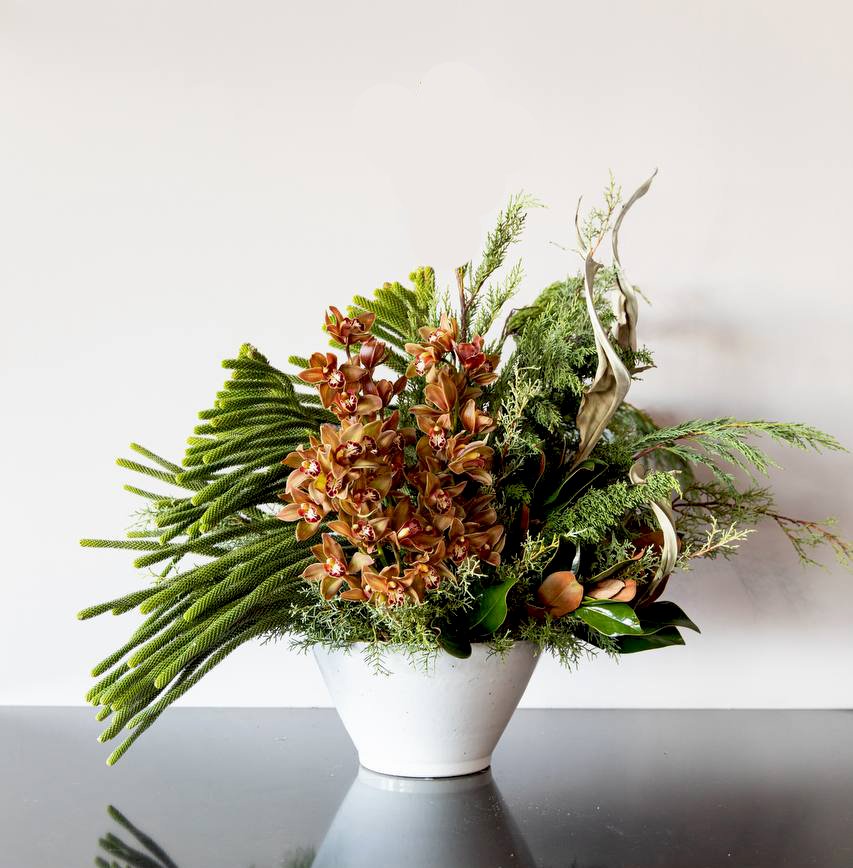
So let’s peek inside these traditions—the ones still kept alive by hands young and old.
A State Steeped in Holiday Charm
There’s a reason holiday movies love to set their stories in Connecticut. It’s not just the snow. It’s the way things feel here in December: slow, meaningful, and often handmade.
You’ll find:
Mantels dressed with fresh garlands
Windowsills lined with candles and holly
Porches dotted with red blooms and pine
Kitchens filled with the smell of cinnamon, clove, and dried orange
Floral design in CT this time of year isn’t about showiness. It’s about soul. The greens and reds come from the woods and gardens just outside. The arrangements don’t just look festive—they feel like home.
The Language of Holiday Florals
Before you even pick up a sprig of cedar or a velvety red bloom, you’re working with a language—one that goes way back.
Here’s what Connecticut families have been arranging with, and why:
Evergreens (pine, cedar, spruce): Represent everlasting life and resilience through winter
Poinsettia: A symbol of good cheer and celebration
Amaryllis: Bold, elegant, and often a marker of hope and anticipation
Holly and berries: Protection and joy—used historically to ward off evil spirits
Mistletoe: Romance and a little mischief, of course
Even without saying a word, holiday florals send messages—about family, memory, and what we hold close during the darkest days of the year.
Wreath-Making as a Family Ritual
In many Connecticut households, wreath-making isn’t a craft—it’s a ceremony. Families gather around kitchen tables or garage workbenches, wire frames in hand, layering in greens that were either bought from a neighbor or foraged from their own backyard.
What makes it special:
Every wreath is unique to the hands that made it
It sparks conversation about past Christmases and old family members
Kids learn patience and creative expression
It’s often done while carols play and cider simmers on the stove
And when those wreaths get hung on doors? They don’t just welcome guests. They announce that this home honors tradition.
Gathering Greens: A Walk in the Woods
Ask any CT native, and they’ll probably tell you about heading into the woods as a kid with clippers in one pocket and a thermos of cocoa in the other.
Gathering greens is a family field trip, and it teaches more than just what makes a good cedar branch.
It teaches:
Respect for nature—only taking what you need
Botanical knowledge—identifying species and understanding scent
Connection to place—you’re literally decorating with your own landscape
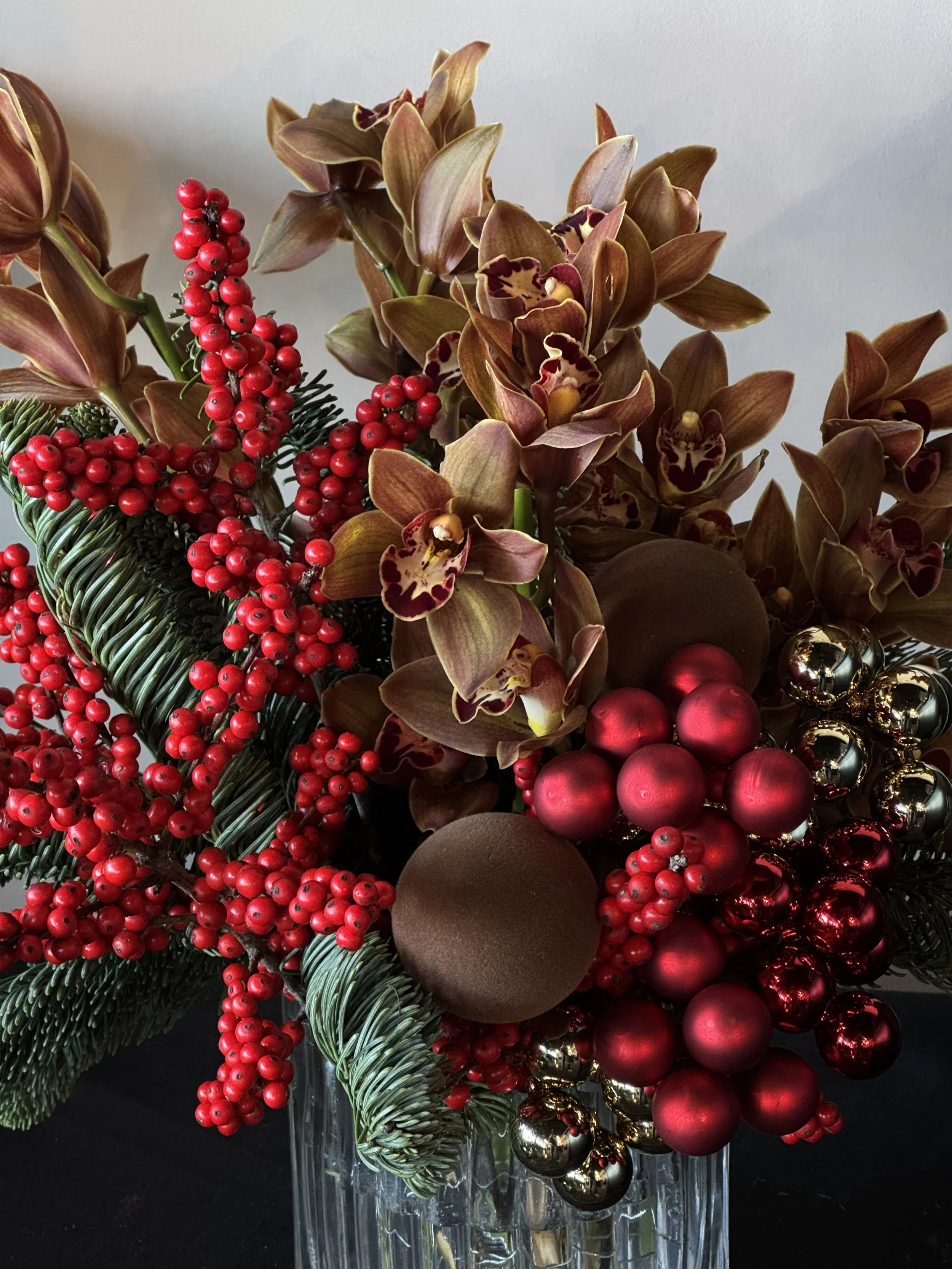
Whether it’s pinecones, winterberry, or moss, the treasures brought home from these walks become centerpieces, mantle fillers, or tucked into bows on gifts.
The Power of the Christmas Centerpiece
The centerpiece is often the unsung hero of a CT Christmas table. It’s not always big. But it’s always meaningful. Whether it’s a low bowl of mixed greens with beeswax candles or a dramatic amaryllis arrangement flanked by clove-studded oranges, it does more than decorate.
It anchors the meal, signals the season, and adds a touch of ritual to everything from Christmas Eve feasts to lazy-day leftovers.
A well-made centerpiece in a CT home usually includes:
Foraged evergreens
Dried citrus or berries
Candles
Something personal—like a vintage ornament, pinecones from the yard, or ribbon from a grandparent's stash
It’s not just design—it’s family storytelling in floral form.
Mantel Magic: Dressing the Hearth with Greenery
The fireplace mantel is one of the most cherished spots in any CT home come December. And nothing sets it off like a garland bursting with texture and meaning.
It might include:
Pine and cedar for fullness
Eucalyptus or rosemary for fragrance
Dried hydrangeas or flowers saved from summer
Ribbon, bells, or even cinnamon sticks for character
Some families build their garland slowly—adding elements over several days. Others make it together in one wild, pine-needle-filled session. Either way, it’s a ritual that brings people together, and often, the room doesn’t feel “done” until the mantel is.
Poinsettias on the Porch: A CT Staple
You can’t drive through a Connecticut neighborhood in December without spotting a sea of bright red poinsettias glowing from porches and bay windows. These holiday staples aren’t just decoration—they’re part of the rhythm of the season.
Most families pick them up during the first week of December and keep them going through New Year’s. They symbolize:
Warmth and welcome
Holiday cheer
Tradition passed from one generation to the next
Some people keep them indoors as a dining room feature. Others line their front steps with oversized pots, letting them brave the chilly temps (just not the deep freeze).
And let’s be real—if someone shows up at your door with a poinsettia? That’s an unspoken way of saying, “You’re part of my Christmas circle.”
The Amaryllis Countdown
Unlike poinsettias, amaryllis isn’t an instant showstopper—it’s a journey. And in many CT homes, that’s exactly the point. Watching an amaryllis grow tall and burst open in the dead of winter has become a quiet, powerful family ritual.
How it usually plays out:
Early December: Bulb is potted and placed in a sunny window
Mid-month: The stalk starts to stretch, sparking daily excitement
By Christmas Eve or New Year’s: It blooms in a stunning display of red, white, or even soft pink
Some families even have a friendly competition—whose bloom will open first? It’s a slow, joyful countdown that becomes as much a part of the season as the tree.
Homemade Kissing Balls and Mistletoe Lore
Mistletoe may be the punchline in movies, but in Connecticut homes? It’s a little more sacred—and often, handmade.
Enter: the kissing ball. A New England staple that’s been around since colonial days.
Built with:
Evergreen clipping
Ribbon or twine
Sometimes dried florals or citrus
A sprig of mistletoe in the center
These hanging spheres often get placed above doorways, porches, or in entryways—inviting just the right amount of mischief and charm.
Parents teach their kids how to make them, just like they were taught. And even if the mistletoe part is taken less seriously, the tradition of crafting and hanging these balls has deep roots in family and folklore.
Winter Bouquets: Not Just for Spring
Who says you need to wait for May to enjoy fresh blooms? Connecticut families have long embraced the magic of winter bouquets, using both hardy flowers and early forced blooms to add color and contrast to their decor.
Popular winter additions:
Paperwhites – easy to grow indoors and fill a room with scent
White or red roses – when paired with greens, they feel festive and elegant
Tulips – grown locally in greenhouses and often included in January arrangements
Eucalyptus and berry branches – for movement and texture
These bouquets aren’t about spring fever. They’re about bringing light and life into dark, cozy spaces. A little vase on the nightstand. A bundle by the sink. A bloom on a napkin ring.
Tiny touches that say, “There’s beauty here, even in winter.”
The Christmas Eve Table Tradition
In Connecticut homes, Christmas Eve dinner is often the most intimate of holiday moments—and flowers are the final touch.
Even if the table is already set with fine china, polished flatware, and a favorite tablecloth, it’s not truly “ready” until the centerpiece is placed. Some families build theirs together, others use heirloom bowls that have been passed down for generations.
Expect to see:
A small arrangement of greens and berries
One standout bloom—like a single amaryllis or rose
Taper candles (always beeswax or ivory)
Maybe a ribbon tucked around the base
And once that centerpiece is on the table, a hush often follows. It’s not just a decoration—it’s the heartbeat of the meal.
Church Flowers and Community Displays
Beyond homes, floral traditions bloom all across Connecticut towns in churches, community centers, and village greens. These public displays aren’t about trends. They’re about service, memory, and collective celebration.
Inside churches, volunteers still:
Arrange altar blooms by hand
Prep greenery for the nativity or choir loft
Light candles surrounded by evergreens
Meanwhile, small towns decorate:
Gazebos with pine swags
Lamp posts with kissing balls
Window boxes with holly, branches, and bows
It’s a community effort, often powered by elders who’ve been doing it for decades. And in many places, children are now helping too. That’s how the traditions survive—by being shared, not just performed.
Crafting with Dried Florals and Citrus
In many homes, Christmas smells like citrus and cinnamon—and that’s not by accident.
Families across the state still spend weekends making:
Dried orange garlands
Pomanders (oranges studded with clove)
Bundles of dried herbs tied with twine
Cinnamon stick decorations and simmer pots
These aren’t just crafty extras. They’re multi-sensory floral memories—combining scent, texture, and tradition. They hang in kitchens, dangle from trees, and often end up as thoughtful homemade gifts for neighbors or guests.
Passing It Down: Teaching the Next Generation
All of this—every wreath, centerpiece, garland, and bloom—is part of something bigger: a living legacy.
Floral traditions in Connecticut survive not because they’re old, but because families keep choosing them. And more importantly, they teach them. Side by side at the table. On cold walks through the woods. Around the tree on a quiet afternoon.
These floral moments might not seem like much to an outsider. But to the families who share them, they’re as rich as any Christmas carol or passed-down recipe.
They say:
“This is where we come from.”
“This is what we do.”
“This is how we bloom—even in winter.”
Conclusion: A Season in Full Bloom, Even in Winter
In Connecticut, Christmas isn't just lights and gifts. It’s greenery under your fingernails, pine scent in your coat, and petals in the snow. It’s a child hanging mistletoe for the first time. A grandparent showing how to wire a wreath. A dining room filled with candlelight and cedar.
The flowers may not come from a garden bed this time of year—but they bloom just as deeply.
In memory. In ritual. In love.
That’s how Christmas lives on—one evergreen, one amaryllis, one quiet, beautiful bloom at a time.